

High Passes and Hidden Temples
Despite its close proximity to Paro, the Haa Valley remains one of the country’s least visited gems. Reaching this secluded region involves crossing the Chele La, Bhutan’s highest pass accessible to vehicles, a journey that combines panoramic Himalayan views with a sense of genuine adventure. Dotted with traditional stone farmhouses and fields of buckwheat, Haa offers a glimpse of rural life that has remained unchanged for decades. For those seeking quiet reflection and unspoilt beauty, this valley provides a sanctuary away from the more trodden paths surrounding Paro and Thimphu.
This Adventures Afar guide contains affiliate links. If you book through these, we may earn a commission at no extra cost to you.
Unmissable Highlights
-
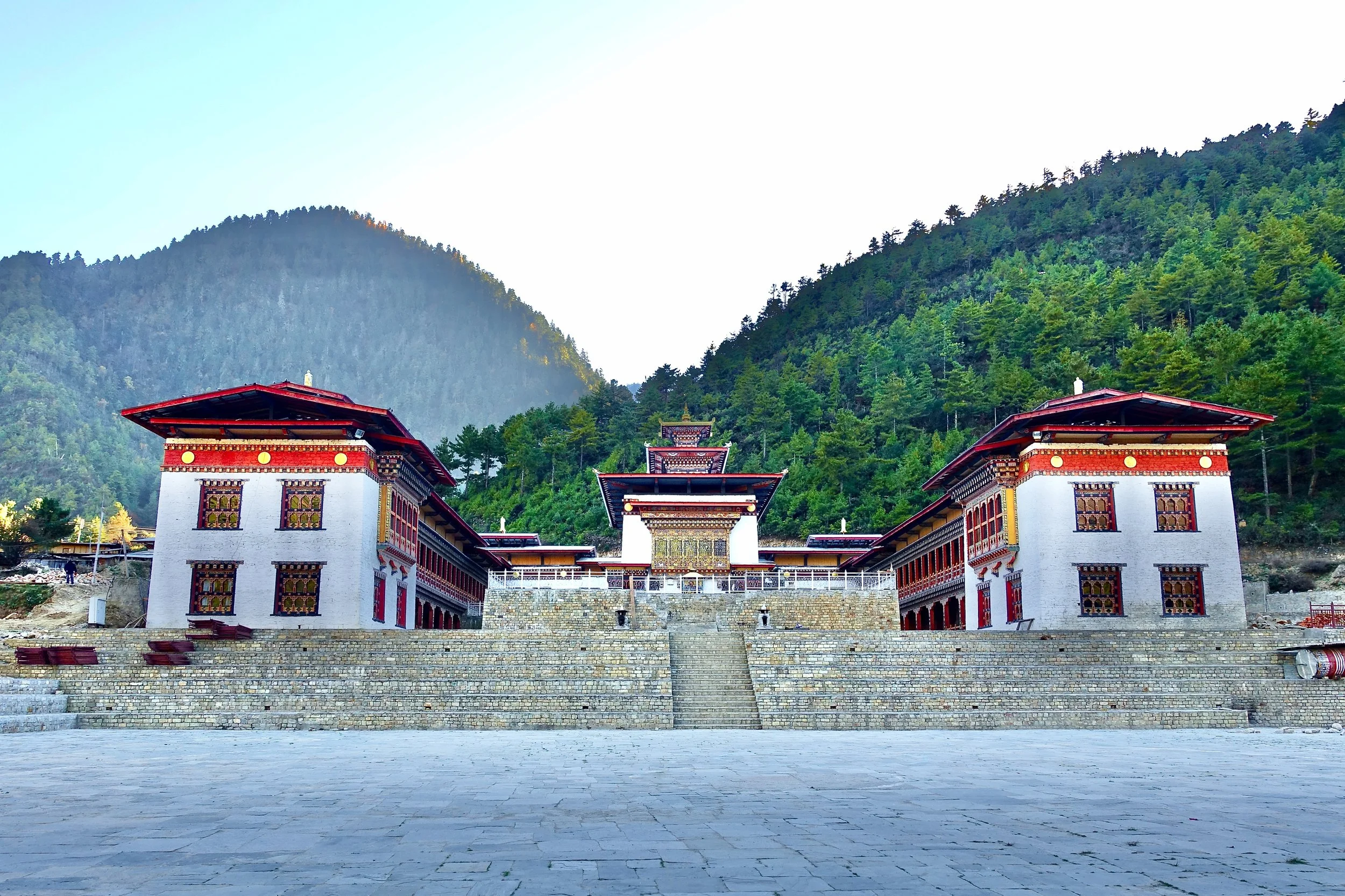
Lhakhang Karpo
Situated at the base of three towering mountains known as the Meri Puensum, Lhakhang Karpo, or the "White Temple," is the spiritual heart of the Haa Valley. This 7th-century sanctuary is one of the 108 temples built in a single day by the Tibetan King Songtsen Gampo to pin a giant demoness to the earth. Its architecture is a masterpiece of Bhutanese art, featuring a colossal, intricately carved door and walls adorned with vivid murals. Today, it serves as the official residence for the district’s monastic body.
Did you know? According to legend, King Songtsen Gampo released a black and a white pigeon to select the temple sites. Lhakhang Karpo was built where the white pigeon landed, while its counterpart, the "Black Temple" (Lhakhang Nagpo), was erected nearby where the black pigeon perched.
-
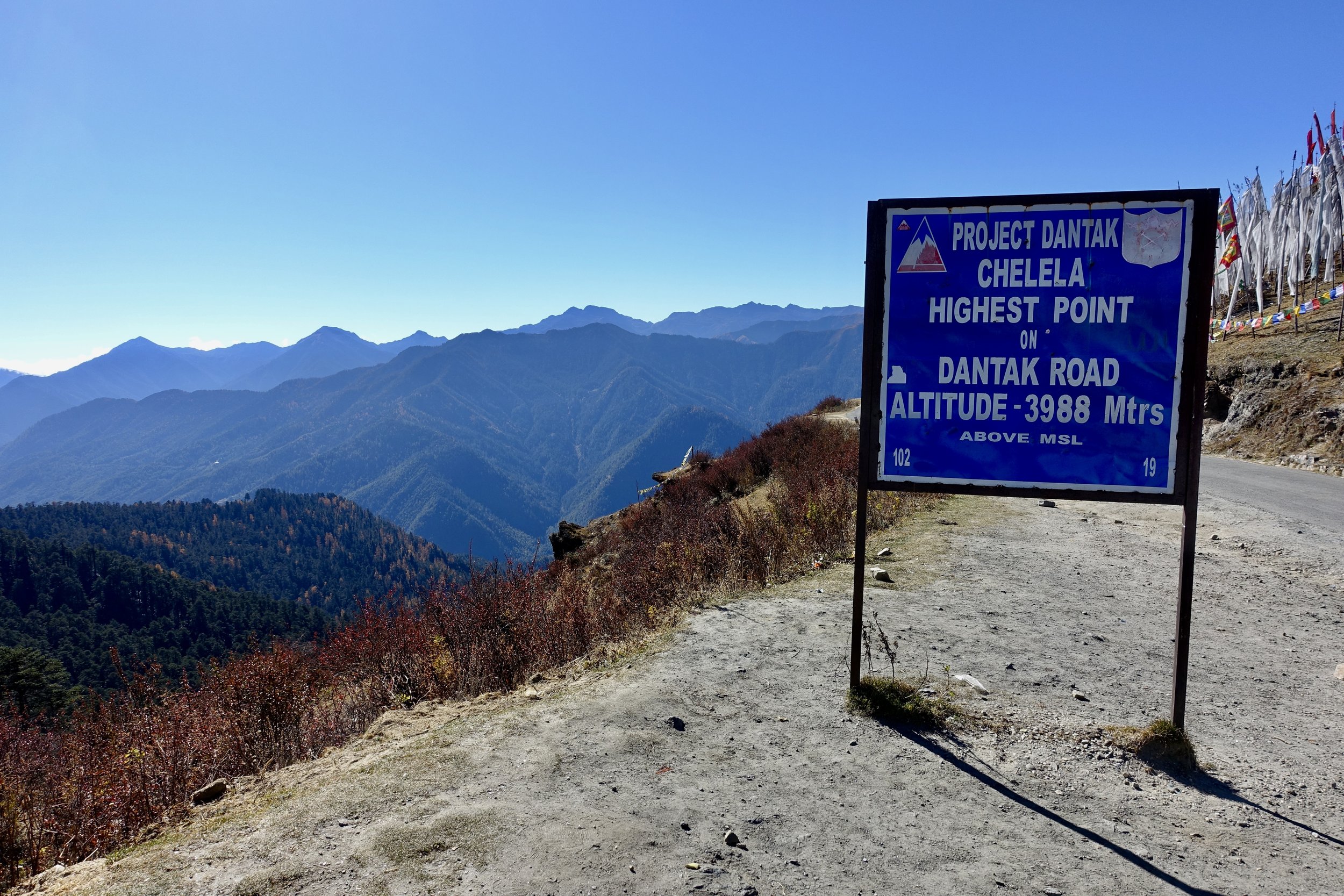
Chele La Pass
Standing at 3,988 metres above sea level, Chele La is the highest drivable road in Bhutan. Marked by thousands of colourful prayer flags fluttering in the fresh mountainous wind, the pass serves as a spectacular vantage point. On clear days, the snow-capped peaks of Mount Jomolhari and Jichu Drake rise dramatically against the horizon. The surrounding slopes are covered in dense forests of fir and are a haven for biodiversity. This includes the rare white poppy that is endemic to the Haa region and found nowhere else on earth.
Did you know? The tall white flags at the pass are known as manidhar and serve as memorials for the deceased. They are often planted in batches of 108, an auspicious number representing the 108 volumes of the Buddha’s teachings. Families raise these banners to help purify the path of the departed and guide their souls toward a peaceful rebirth.
-
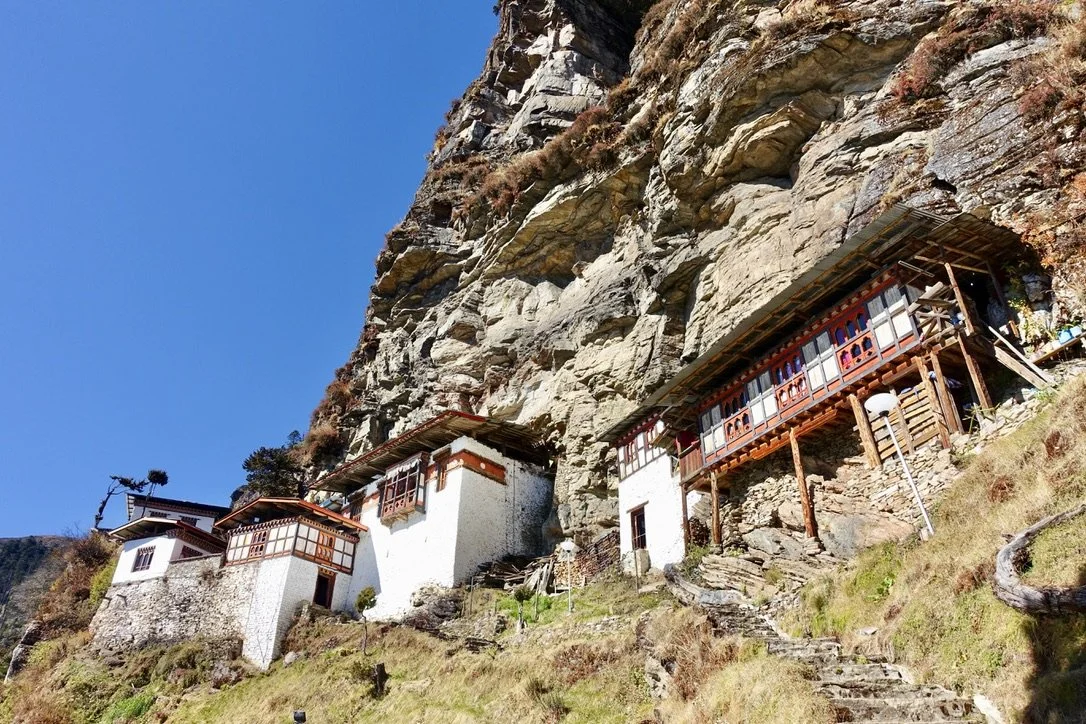
Kila Goenpa Nunnery
Perched precariously on a steep mountainside, Kila Goenpa is home to around 60 nuns who dedicate their lives to prayer and spiritual study. Reaching this sanctuary in the clouds requires a steep hike through pine forests and alpine meadows where prayer flags ripple in the thin mountain air. The whitewashed buildings cling to the rockface, connected by narrow stairways and courtyards filled with the scent of burning juniper. As one of the oldest nunneries in the kingdom, it offers an intimate and rare glimpse into a life of quiet devotion.
Did you know? Known fondly as the "second Tiger’s Nest," the nunnery dates back to the 9th century. Local nuns share tales of Himalayan bears that still frequent the surrounding woods, adding an eerie, wild charm to this remote spiritual retreat.
Recommended
Multi-Day Itineraries
Put this guide into practice with these hand-picked small group journeys,
featuring both iconic landmarks and immersive cultural experiences.
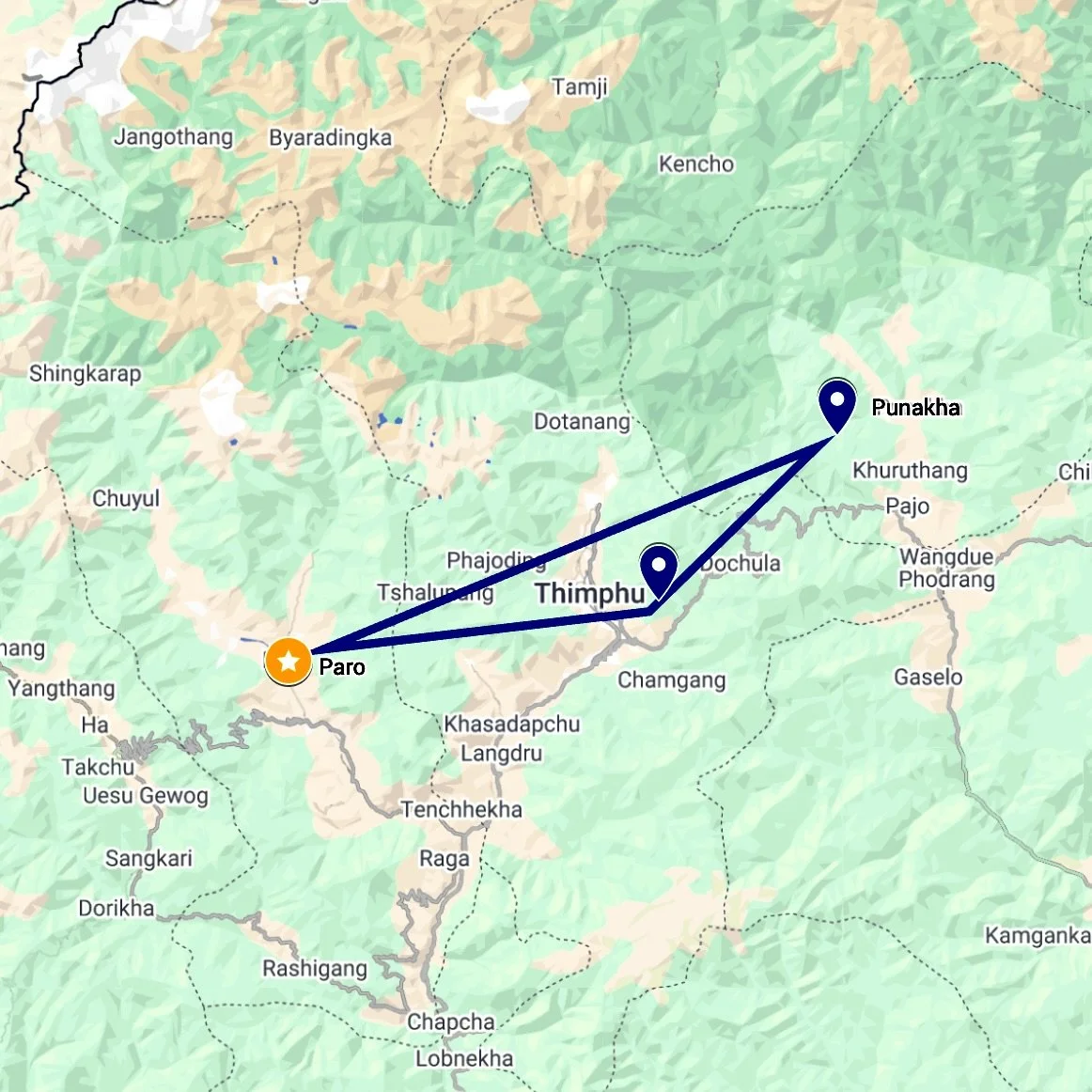
Discover the spiritual heart of the mountain kingdom of Bhutan. Visit the iconic dzongs and mountain trails of Paro, Thimphu, and Punakha. Immerse yourself in ancient traditions and experience the serene beauty of this Himalayan landscape while connecting with local Bhutanese culture.
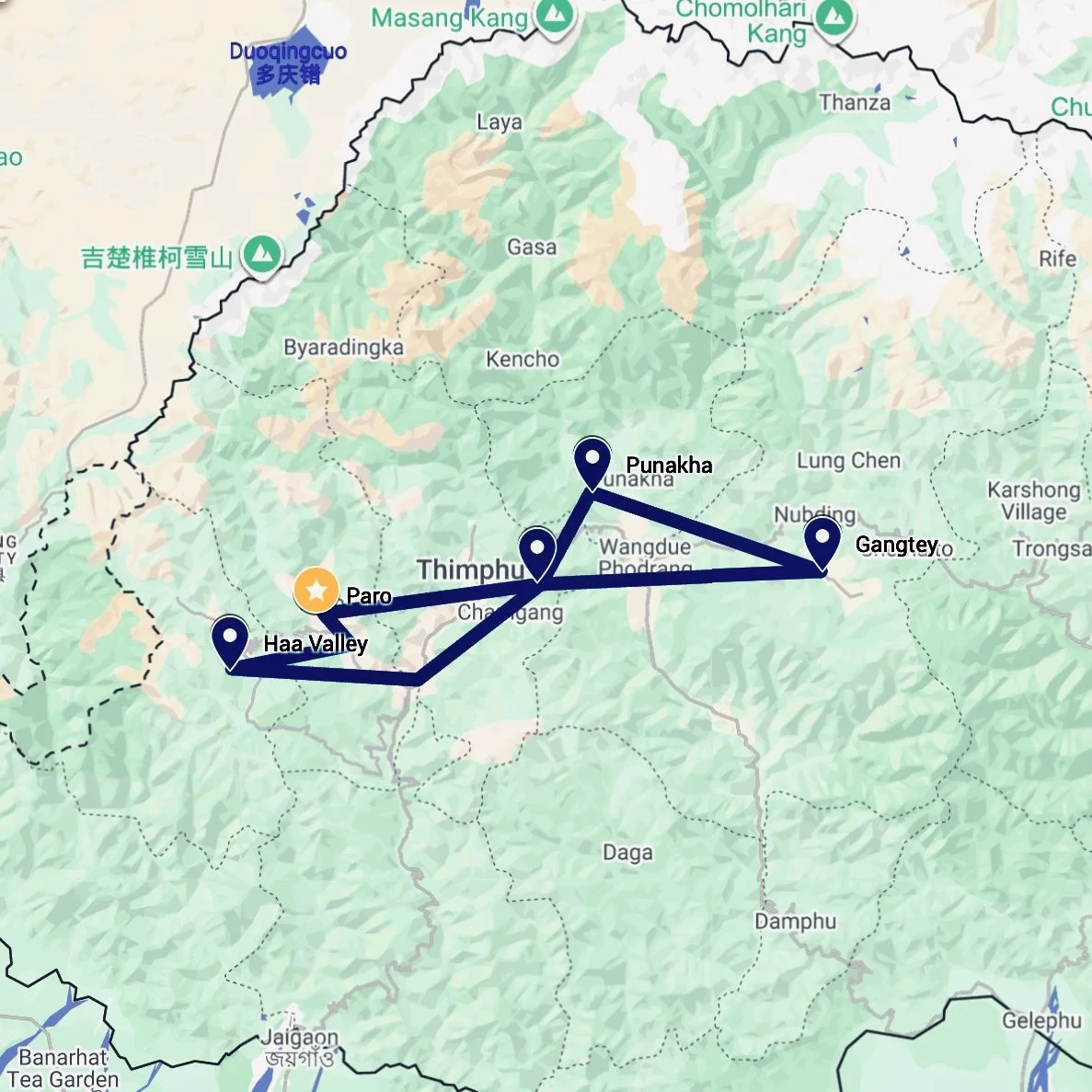
Visit the Himalayan kingdom of Bhutan on this National Geographic tour. Explore spectacular fortresses and shrines in Paro, Thimphu, and Punakha. Immerse yourself in the remote Haa Valley and Gangtey while discovering the secrets of Buddhist culture and Bhutanese wellbeing.
-
For the most striking Himalayan views, plan your trip for October or November. This is when the air is exceptionally clear, providing a crisp backdrop for the peaks of Mount Jomolhari and Jichu Drake. March to May is also fantastic, as the valley forests burst with rhododendrons. If you don't mind a bit of rain, the Haa Summer Festival in July or August is a brilliant way to see nomadic culture up close, featuring local sports like archery and yak riding.
It is worth avoiding the peak monsoon months of July and August if you are planning to hike, as the trails can become quite slippery. Winter, particularly January, is beautiful but can be bitterly cold with temperatures dropping below freezing. To ensure a smooth journey, keep an eye on the dates for the Lomba festival (the local New Year), which typically falls in December. While festive, many family-run guesthouses and local services may take a break during this time.
-
Most travellers only stop in Haa for a quick day trip from Paro, but staying for two to four days is far more rewarding. Taking your time here supports the local community more directly and allows you to settle into the quiet, unhurried pace that makes this valley so unique. A longer stay gives you the chance to go beyond the main temples and explore the higher ridges or more remote farmsteads that most visitors never see.
With four days, you can dedicate a full morning to the hike up to Kila Goenpa Nunnery without feeling rushed, spend an afternoon learning to make local buckwheat dumplings at a homestay, and still have time for slow walks through the pine forests. This type of responsible travel encourages a deeper connection with the landscape and ensures you aren't just ticking sights off a list but actually experiencing the authentic character of one of Bhutan’s last hidden gems.
-
Haa is incredibly safe and well-known for its warm hospitality. However, you should always check your government’s local travel advisory for any recent updates. While the risk of crime is minimal, it is wise to be aware of small-scale scams that can occasionally pop up across Bhutan, such as people posing as monks to collect "donations" outside of temple grounds. Real monks will never ask for money in this manner and any contributions should be placed in official donation boxes inside the monastery.
Use common sense practices for a smooth trip. Avoid drinking in excess, as the high altitude can make the effects of alcohol much stronger and lead to dehydration. Always respect local laws, particularly the strict ban on public smoking. Given the rugged terrain and thin air at the Chele La pass, altitude sickness is a genuine consideration.
To be fully prepared for any health or travel issues, always ensure you have a comprehensive travel insurance policy that specifically covers high-altitude activities.
For more practical tips and expert advice on staying safe during your trip, visit our dedicated page on Travel Safety.
-
Bhutanese culture is deeply traditional, so dressing and behaving with respect is a great way to build a rapport with the locals. When walking around the valley, everyone should opt for modest clothing that covers the shoulders and knees. This is non-negotiable at religious sites, where long trousers or skirts and shirts with sleeves are required. Hats and sunglasses should always be removed before entering a temple courtyard or a private home.
If you are invited into a Haa farmhouse, it is customary to remove your shoes at the door. When visiting sacred monuments like chortens or prayer walls, always walk around them in a clockwise direction. Avoid pointing your feet at people or religious icons when sitting, and keep your voice lowered in spiritual spaces. These small acts of mindfulness show that you value the local traditions and the religion of the people you are visiting, turning your stay into a more meaningful exchange for everyone involved.
-
The high-altitude climate of the Haa Valley means you need to pack for all four seasons in a single day. Layering is essential as the wind at Chele La pass can be biting even in summer. Sturdy walking shoes are a must for the valley's uneven trails. Since you will be taking your shoes off frequently at temples and homes, bring several pairs of thick, warm socks to keep your feet comfortable on the cold stone floors.
Avoid packing revealing items like singlet tops or shorts, as these won't be appropriate for most of your sightseeing. If you're visiting during the wetter summer months, a high-quality raincoat and umbrella are vital. For those arriving in the winter, you will definitely need a proper down jacket and thermals. The mountain sun is surprisingly strong, so pack a hat and high-SPF sunscreen to protect yourself while you are out exploring.
-
You can’t leave the valley without trying hoentay, the local specialty. These are buckwheat dumplings stuffed with a fragrant mix of turnip leaves, cheese, and perilla seeds. They are a point of huge pride for the local community and are traditionally served during the Lomba festival. Another unique find is phillu, a stringy, fermented cheese that is a true Haa delicacy, often cooked with local red chillies for a punchy, bitter kick.
For a sweet treat, look out for chhugo magi, which is fresh cheese broiled in sweetened butter, which is essentially the only traditional dessert in Bhutanese cuisine. The best place to experience these flavours is at a local homestay rather than a standard restaurant. Trying these dishes is a fantastic way to support local farmers and understand the agricultural traditions that have sustained this high-altitude valley for centuries.
Essential Insights
-
Haa is reached by road from Paro or Thimphu. Most visitors arrive via the dramatic drive over the Chele La Pass. Most travellers use a private vehicle and driver, which is typically included in your pre-arranged tour package. This allows you to stop and appreciate the incredible views from the pass rather than rushing through.
It’s also possible to visit Haa after entering Bhutan from India by land at the Phuentsholing border. Taking the road route is a slower way to travel, but it provides a much better sense of the scale and beauty of the Bhutanese landscape.
-
Central Haa is quite compact and very pedestrian-friendly, so you can easily explore the main shops and local temples on foot. For reaching the higher trailheads or the Kila Goenpa Nunnery, you will need a vehicle. Taxis are available in the main town, though they are usually unmetered, so it is a good idea to agree on a price with the driver before you set off.
Most travellers will have a dedicated vehicle and driver as part of their tour, which is the most seamless way to reach the more remote corners of the valley. If you want a more active way to see the riverside villages, some guesthouses can arrange bicycle rentals, offering a low-impact and scenic way to explore at your own pace.
-
Staying connected in the Haa Valley is easier than you might expect, though the signal can get a little weaker as you head further into the mountains. For the most convenient setup, an eSIM from Gigago is a great choice. It allows you to sort out your data plan before you arrive, meaning you can be online the moment you cross the pass without needing to track down a physical shop.
If your phone doesn't support eSIMs, you can pick up a local physical SIM card from TashiCell or Bhutan Telecom in Paro or Thimphu before you head to Haa. You will need a copy of your passport to register the card, but the process is usually quick. Having a local data plan is incredibly helpful for maps and staying in touch with your guide while you are out on the trails.
-
The local currency is the Ngultrum (BTN), and while there are ATMs in Haa town, they are not always reliable with international cards. Most accept Visa and Mastercard, but it is a good idea to withdraw enough cash in Paro or Thimphu before you arrive in the valley. Cash is definitely the most common way to pay in Haa, especially at smaller homestays, local markets, and family-run shops.
Mobile payment via QR codes is very popular among the locals, but these systems generally require a local bank account. For travellers, carrying a mix of cash and card is the best strategy. While you can exchange USD or EUR at banks, having some Indian Rupees in small denominations is also useful, as they are widely accepted. Just be aware that 500 and 1000 Rupee notes are often not taken, so keep your denominations small for day-to-day spending.
-
English is widely spoken in the Haa Valley, particularly by those involved in the travel industry and the younger generation. It is the language of instruction in Bhutanese schools, so you will find most people can communicate with a high level of proficiency. Many signs and menus in the town centre are also printed in English, making it very straightforward to navigate.
Even though communication is easy, downloading a language translator that includes Dzongkha is a lovely way to enhance your interactions, especially when visiting more remote farmhouses. Learning a few basic phrases like "Kuzuzangpo la" (hello) or "Kadinchey la" (thank you) is always met with a warm smile and shows a genuine respect for the local culture. It’s a small effort that can lead to much more authentic and friendly connections during your stay.
-
No, the tap water in the Haa Valley is not safe for drinking unless it has been boiled or treated. To stay hydrated responsibly, use a reusable water bottle with an inbuilt filter. This helps to minimise the amount of single-use plastic waste, which is a major environmental concern in the fragile Himalayan ecosystem.
Most guesthouses and hotels in the area will provide large containers of filtered or boiled water for you to use for refills. Choosing these refill stations over buying new plastic bottles is a simple but effective way to practice responsible travel.