
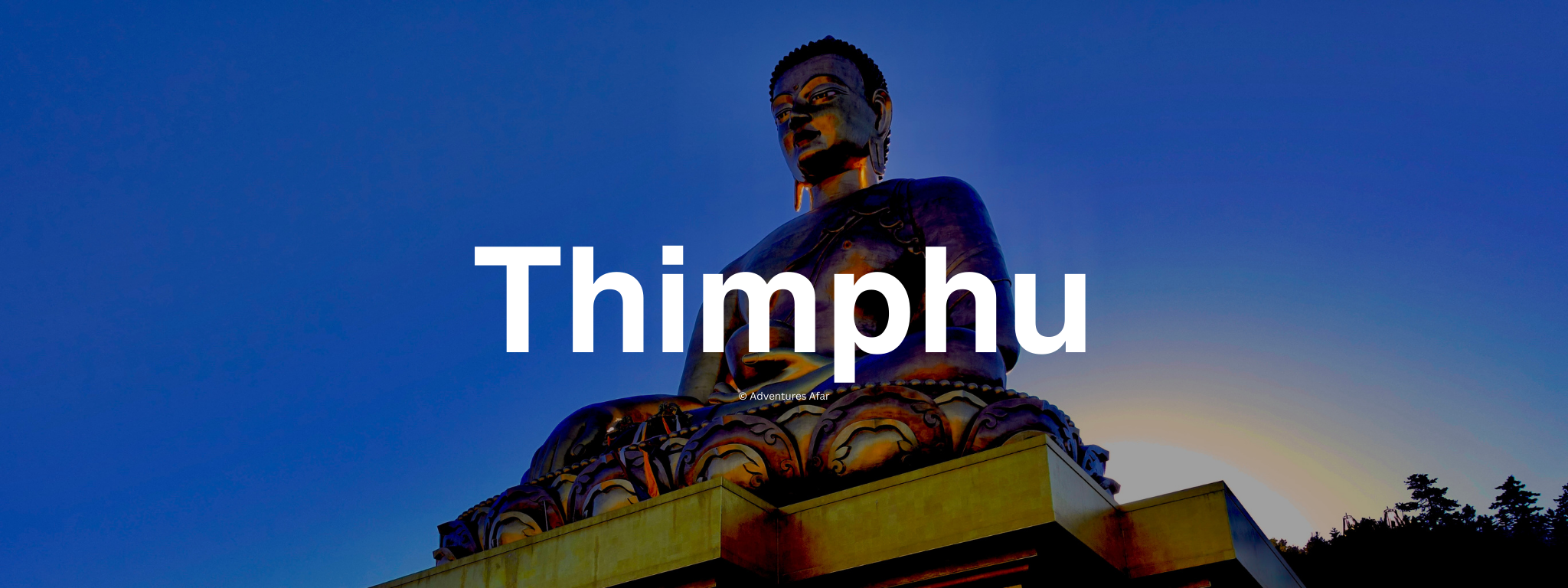
Mountain Valleys and Gilded Monuments
Bhutan’s capital feels unlike any other urban centre in the world. Thimphu is a place where tradition is woven into every detail of modern life, from the ornate motifs on newly built apartment blocks to the unique style of its traffic flow. The city that manages to grow while holding firmly to its roots, appearing more like an extended village. Surrounded by green hills and pristine Himalayan air, Thimphu offers a rare balance between cultural progress and pastoral serenity, making it a truly captivating destination for curious travellers.
This Adventures Afar guide contains affiliate links. If you book through these, we may earn a commission at no extra cost to you.
Unmissable Highlights
-
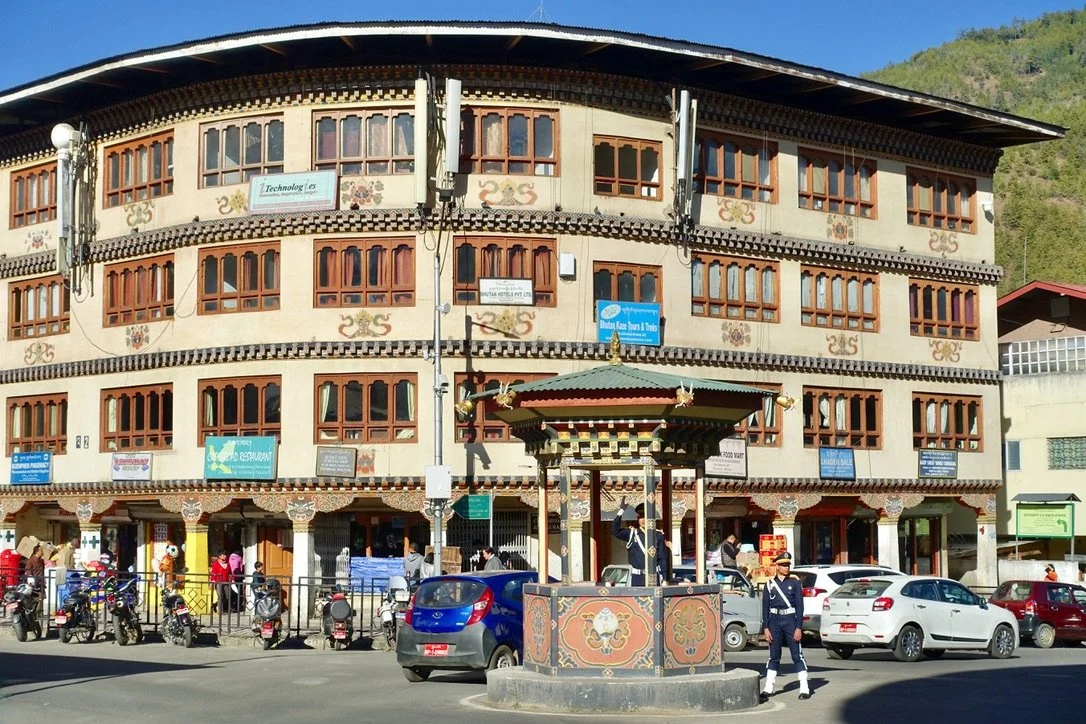
Downtown Thimphu
Exploring Thimphu reveals a capital that has consciously rejected the frantic energy of a typical city. Local laws mandate that every new building must incorporate traditional Bhutanese architectural elements to preserve its urban heritage. This results in a skyline defined by ornate wooden cornices, hand-painted motifs, and sloping roofs. This visual harmony is complemented at street level where the lack of traffic lights and the presence of white-gloved officers directing cars keep everyone moving at a steady, unhurried pace.
Did you know? Thimphu remains the only national capital on earth without a single traffic light. When a set was briefly installed in the 1990s, the public pushed for their removal, preferring the familiarity and efficiency of the white-gloved officers.
-
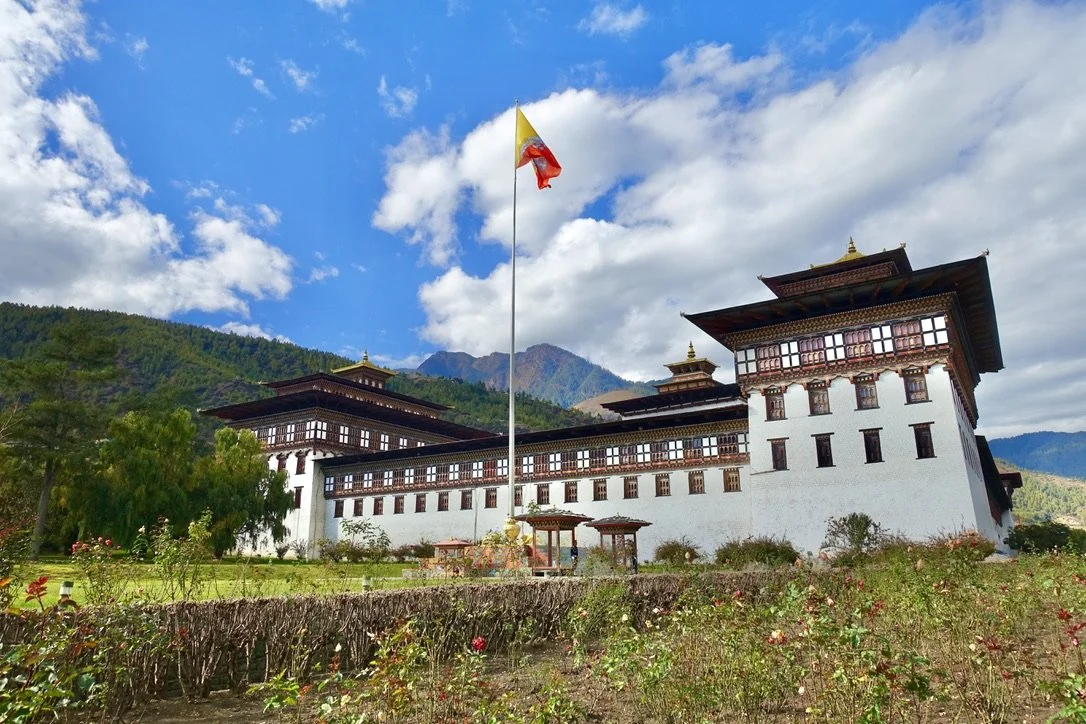
Tashichho Dzong
Known as the "Fortress of the Glorious Religion," Tashichho Dzong is the grand heart of Bhutan’s government and religion. This impressive structure, located on the banks of the Wang Chhu, houses the throne room of the King and the summer residence of the central monastic body. Its whitewashed walls, red-topped roofs, and intricate woodwork represent the pinnacle of traditional architecture. Visiting in the late afternoon allows you to see the changing of the guard and the stunning illumination of the fortress as dusk falls.
Did you know? Like most traditional Bhutanese structures, this massive fortress was built and renovated entirely without the use of any iron nails or formal architectural plans, relying instead on the inherited knowledge of master craftsmen.
-
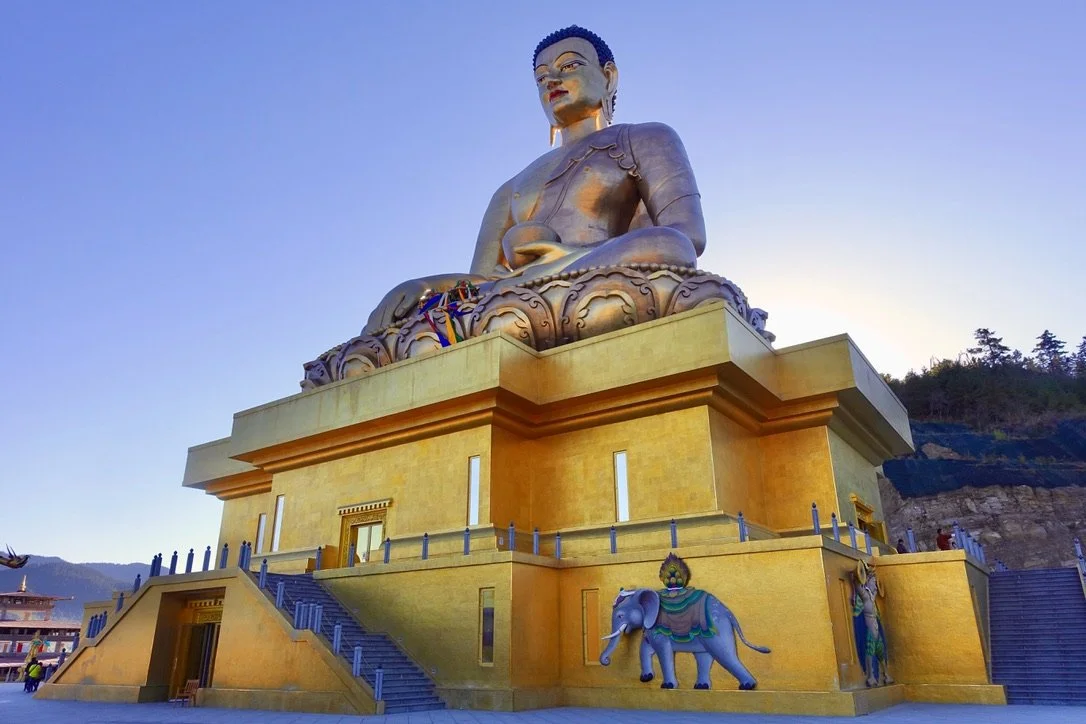
Buddha Dordenma
Gazing out over the Thimphu Valley from its hilltop perch, the Buddha Dordenma is one of the largest sitting statues in the world. Standing 52 metres tall, this shimmering bronze figure is gilded in gold and serves as a beacon of peace for the nation. The site, located within the Kuensel Phodrang Nature Park, offers sweeping panoramic views that are best enjoyed at sunrise when the light hits the statue's serene face, or at sunset when the light dips behind the statue. Inside, the spiritual energy is palpable as the base of the monument houses a massive meditation hall for quiet reflection.
Did you know? This singular monument actually contains an incredible number of smaller figures. Tucked inside the chest of the great Buddha are 125,000 smaller bronze Buddha statues, each gilded in gold.
-
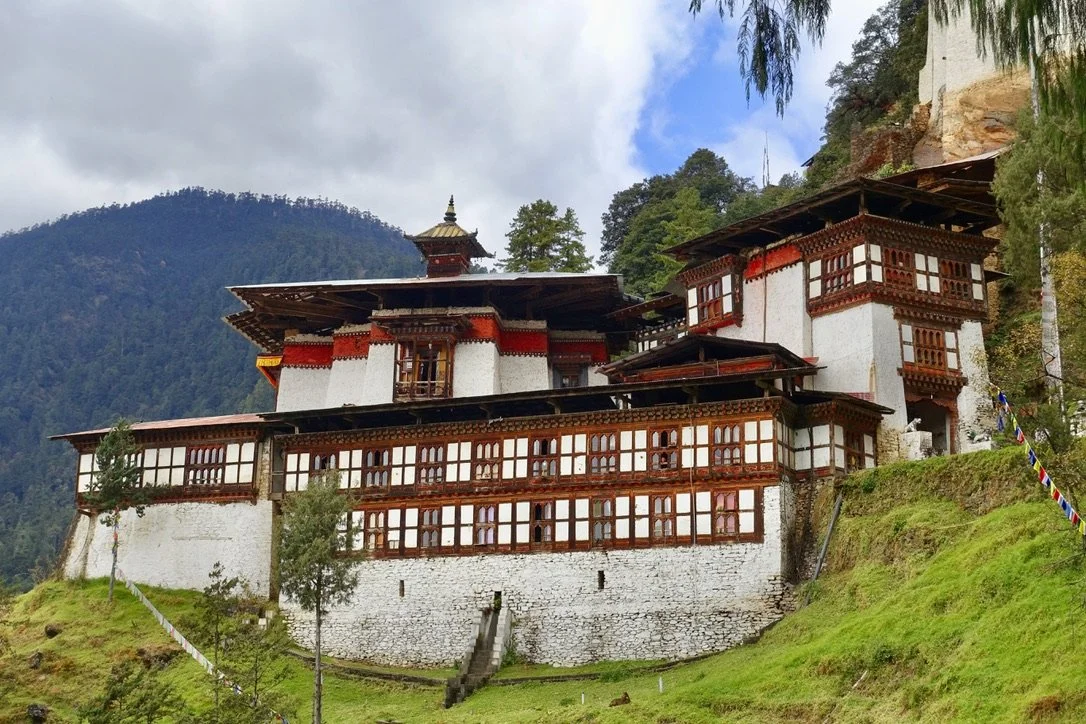
Cheri Monastery
Perched on a steep hill north of the city, Cheri Monastery is Bhutan’s first monastic school, established in 1620 by the unifier of the country, Zhabdrung Ngawang Namgyal. Reaching this sacred retreat involves an hour-long hike through lush forests of pine and oak, where you might spot mountain goats or rare birds along the trail. The path begins by crossing a traditional wooden bridge over the Wang Chhu river, leading you upward to a complex of temples and meditation huts that have served as a spiritual sanctuary for centuries.
Did you know? The monastery was built as a memorial to the founder's father, whose remains were smuggled out of Tibet to prevent them from being seized by rivals. They are now enshrined within a silver stupa, known locally as a chorten, in the upper chambers.
Recommended
Multi-Day Itineraries
Put this guide into practice with these hand-picked small group journeys,
featuring both iconic landmarks and immersive cultural experiences.
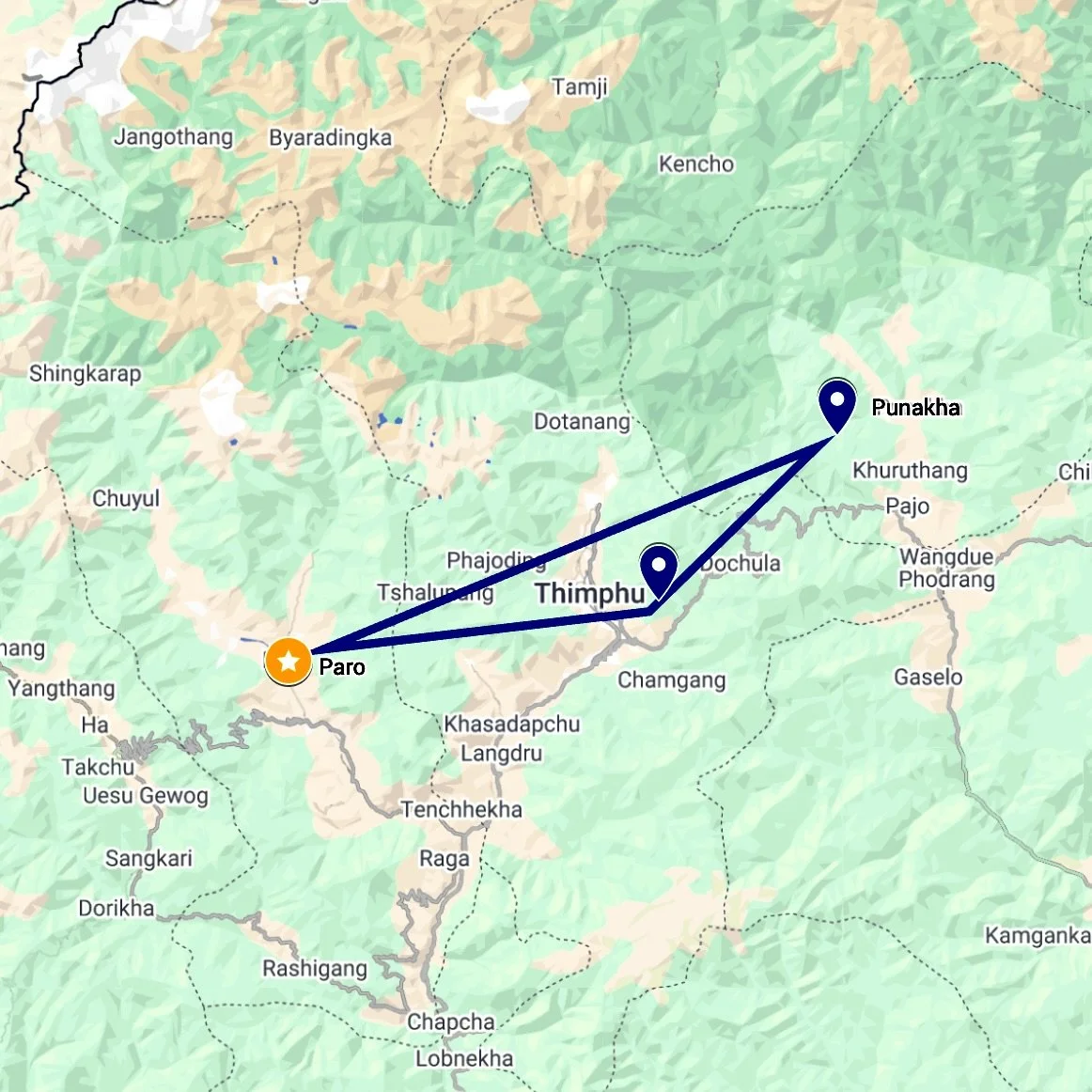
Discover the spiritual heart of the mountain kingdom of Bhutan. Visit the iconic dzongs and mountain trails of Paro, Thimphu, and Punakha. Immerse yourself in ancient traditions and experience the serene beauty of this Himalayan landscape while connecting with local Bhutanese culture.
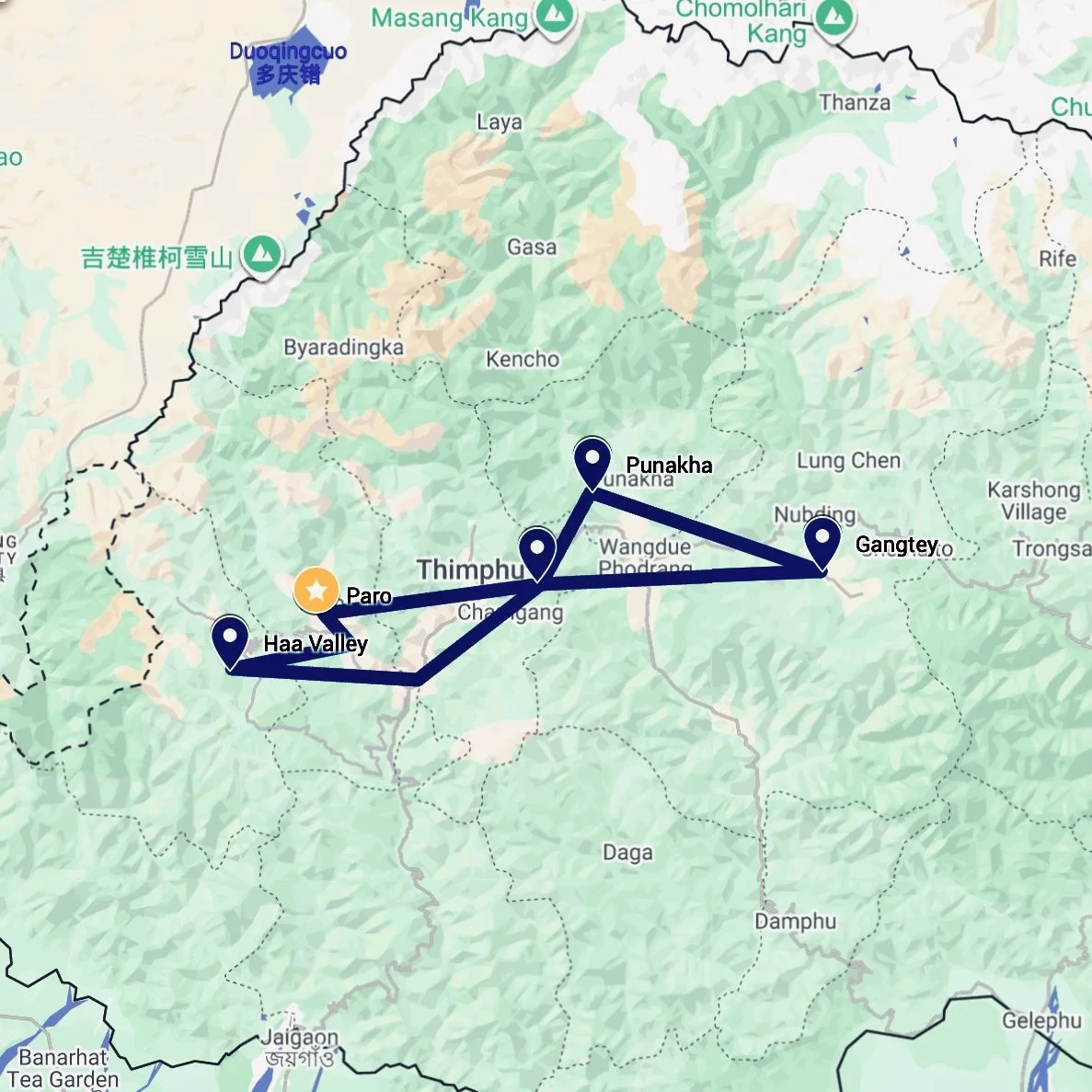
Visit the Himalayan kingdom of Bhutan on this National Geographic tour. Explore spectacular fortresses and shrines in Paro, Thimphu, and Punakha. Immerse yourself in the remote Haa Valley and Gangtey while discovering the secrets of Buddhist culture and Bhutanese wellbeing.
-
Timing your trip to Thimphu is all about balancing clear mountain views with vibrant local culture. The most popular windows are spring, from March to May, and autumn, from September to November. Spring brings a burst of colour to the surrounding hills as rhododendrons and wildflowers bloom. Autumn is equally spectacular, particularly in late September or early October when the city hosts the Thimphu Tshechu. This three-day religious festival is one of the nation's biggest events, featuring sacred mask dances and a truly electric local atmosphere.
It is worth noting that the monsoon season between June and August brings heavy rains that can sometimes cause travel delays on the mountain roads. Conversely, winter from December to February is dry and sunny but remarkably cold once the sun drops. While you will find fewer crowds then, many higher-altitude trails may be blocked by snow. If you visit in mid-December, be aware that National Day on the 17th is a massive celebration, which is wonderful to see, though many shops and government offices will close for the day.
-
Most visitors treat Thimphu as a quick two-day stopover, but staying for three to five days is much more rewarding. A longer stay allows you to move beyond the main monuments and discover the city’s quieter corners, such as the traditional paper-making workshops or the smaller meditation retreat centres tucked into the forest edges.
With a few extra days, you can explore the lesser-known neighbourhoods, spend a morning watching local artisans at the Zorig Chusum (the painting school) and have plenty of time for slow walks along the Wang Chhu river. This unhurried approach is the only way to truly appreciate how Thimphu balances its rapid modern growth with such deep-rooted heritage, making for a far more insightful journey than a rushed itinerary allows.
-
Thimphu is widely considered one of the safest capitals in the world, with very low crime rates and a community that is exceptionally welcoming to visitors. That said, it is always important to consult your government’s local travel advisory for the latest updates before you depart. While violent crime is rare, pickpocketing can occasionally happen in busy market areas, so keep your valuables secure.
Following local laws and customs is the best way to stay out of trouble. Be aware that Bhutan has very strict regulations regarding tobacco and public smoking, and it is vital to respect the Monarchy and religious institutions in your speech and actions. Drinking in excess is generally frowned upon, especially near sacred sites.
For peace of mind against unexpected medical issues at high altitude or travel disruptions, always make sure you have a comprehensive travel insurance policy that covers your specific activities.
For more practical tips and expert advice on staying safe during your trip, visit our dedicated page on Travel Safety.
-
The Bhutanese people take great pride in their traditions, so dressing and behaving respectfully is a wonderful way to show appreciation for their culture. When walking through Thimphu or visiting residential areas, everyone should opt for modest clothing that covers the shoulders and knees. This is particularly important at religious monuments and dzongs, where full-length trousers or skirts and shirts with sleeves are required for everyone.
If you are lucky enough to be invited into a local home, remember to remove your shoes at the door as a sign of respect. When visiting temples, always walk in a clockwise direction around chortens (stupas) and prayer walls. Avoid pointing your feet towards people or sacred objects when sitting, and keep your voice lowered in quiet spiritual spaces. These small acts of mindfulness go a long way in honouring the local community and ensuring that your presence as a traveller is both respectful and welcome.
-
Packing for Thimphu requires a bit of strategy due to the mountain climate. Even in the height of summer, the temperature can plummet quickly after sunset, so high-quality layers are essential. Bring sturdy walking shoes for the city's hilly streets and any light trekking you might do. For temple visits, remember that you will often need to remove your shoes, so a few pairs of thick, warm socks are a great addition to your bag.
Avoid packing revealing items like singlet tops or shorts, as these won't be suitable for most of your sightseeing. If you are visiting during the monsoon months of June to August, a reliable raincoat or sturdy umbrella is a must. For those arriving in the winter, you will need a proper down jacket, thermals, and warm accessories like a hat and gloves.
-
While you will find the national favourites here, Thimphu’s dining scene is far more diverse than the rest of the country. For a true taste of the capital, try jasha maru, a spicy minced chicken stew flavoured with ginger and garlic, which is a popular alternative to the heavier pork dishes found elsewhere. Another Thimphu staple is kewa datshi, a milder, comforting dish of sliced potatoes and melted cheese that is perfect if you need a break from the intense heat of the local chillies.
The city’s café culture is also a highlight, offering a modern twist on tradition. You can find cosy spots near the Clock Tower serving suja (salty butter tea) alongside contemporary pastries or mengay, often called the "Bhutanese pizza," which features a red rice base topped with eggs and perilla seeds. For an authentic atmosphere, visit the Centenary Farmers Market on the western bank of the river. It is the best place to sample dried yak cheese and seasonal mountain greens like fern fronds, offering a direct link to the farmers who provide the lifeblood of the city's kitchens.
Essential Insights
-
Most travellers arrive in Thimphu by road from Paro, which is home to Paro International Airport (PBH). The drive takes about an hour and follows a stunning route along the river valley. While flying into Paro is the standard route, entering overland from India via the Phuentsholing border is a more adventurous alternative.
There aren’t any railway networks in Bhutan, so the journey is done entirely by car or bus. Choosing public buses or shared transport for this route is a great way to travel like a local and reduce your carbon footprint. Whichever way you arrive, the winding mountain roads offer a slow and scenic introduction to the heart of the kingdom.
-
Thimphu is a very pedestrian friendly capital, and you can easily explore the central shops, the post office, and the local cafes on foot. Most visitors will have a private vehicle and driver arranged through their tour, but walking as much as possible is a wonderful way to stumble upon the city's hidden charms.
Taxis are the most common way to get around if you wish to travel independently to sites outside the city. They are usually unmetered, so it is a good idea to agree on the fare with the driver before you start your journey. While global rideshare companies don't operate here, you can use the local DrukRide app to book taxis or check bus schedules.
-
Staying connected in Thimphu is straightforward, and having a local data plan is very helpful for maps and staying in touch with your guide. For the most convenient setup, an eSIM from Gigago is a great option. It allows you to sort out your data plan before you even leave home, so you can be online the moment you land or cross the border without needing to find a physical shop.
If your phone doesn't support eSIMs, you can easily pick up a local physical SIM card from TashiCell or Bhutan Telecom in the city centre. Both providers offer affordable prepaid plans with decent 4G coverage across the capital. You will just need a copy of your passport to register the card. While many cafes and hotels offer Wi-Fi, having your own data is much more reliable for navigating the winding streets of the city.
-
The local currency is the Ngultrum (BTN), which is pegged to the Indian Rupee. ATMs are easy to find in Thimphu and typically accept Visa and Mastercard, though they can occasionally be out of service, so don't leave your withdrawals until the last minute. While larger hotels and some boutique shops in the capital accept cards, cash is still the most common way to pay in smaller restaurants and local markets.
Mobile payments via QR codes are incredibly popular with the locals, but these systems are usually linked to Bhutanese bank accounts. For travellers, carrying a mix of cash and card is the best strategy. While exchanging USD or EUR at the bank is a good backup, having some Indian Rupees in small denominations is also useful, as they are widely accepted throughout the city.
-
You will find that English is very widely spoken in Thimphu, as it is the language of instruction in Bhutanese schools. Most people you meet, from shopkeepers to taxi drivers, will have a good to high proficiency in English. Most signs, menus, and official documents are also printed in English, making the city very easy to navigate.
Even though communication is easy, downloading a language translator that includes Dzongkha is a lovely way to enhance your trip. Learning a few simple greetings like "Kuzuzangpo la" (hello) or "Kadinchey la" (thank you) is always appreciated by the locals and shows a genuine interest in their culture. It is a small gesture that can lead to much warmer interactions during your stay.
-
No, the tap water in Thimphu is not safe to drink directly. To stay hydrated while being a responsible traveller, it is best to use a reusable water bottle with an inbuilt filter. This significantly reduces the need for single-use plastic bottles, which are a major environmental challenge for the country's waste management systems.
Most hotels and guesthouses in the capital provide large dispensers of filtered or boiled water where you can refill your bottle for free. Choosing these refill stations over buying new plastic bottles is a simple but effective way to protect the pristine mountain environment you have come to explore.