
Grand Fortresses and Divine Blessings
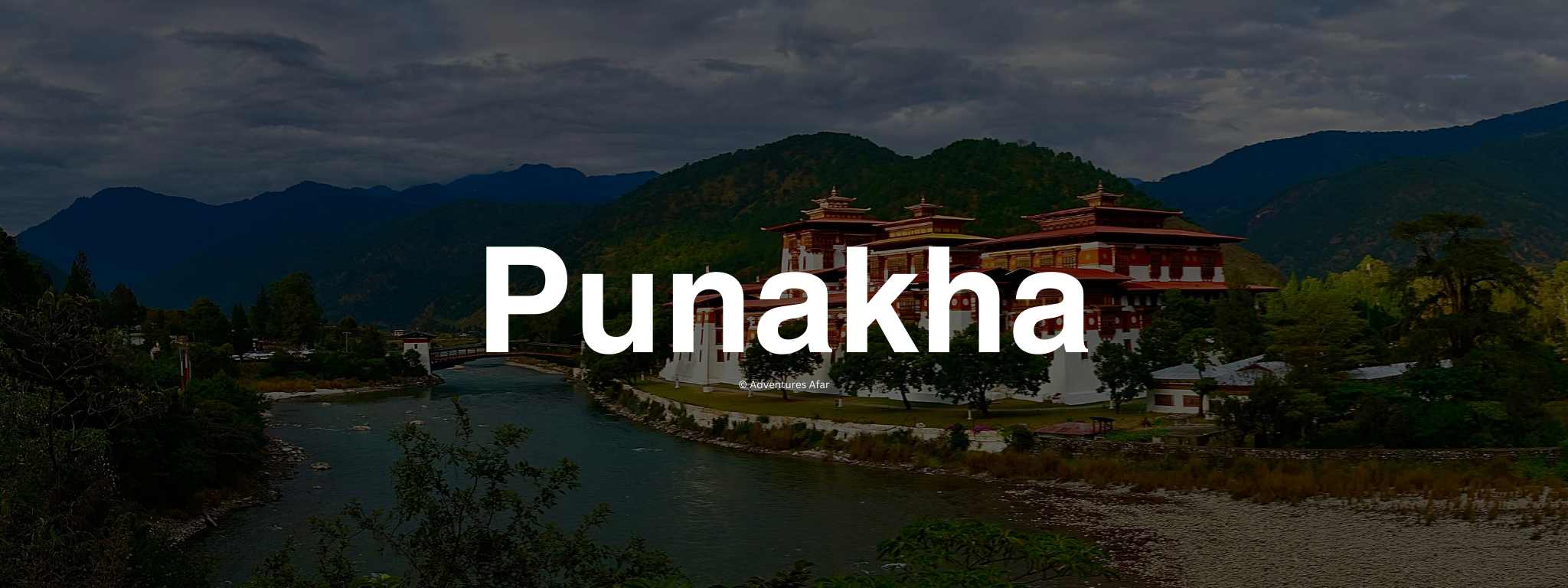
Punakha serves as a lush, subtropical escape from the higher altitude reaches of Bhutan. As the former capital of the kingdom, it remains deeply significant, acting as the winter home for the central monastic body. The valley is defined by the dramatic confluence of the Pho Chhu and Mo Chhu rivers, where the landscape transitions from fertile rice paddies to steep, forested ridges. Throughout the region, history is carved into the walls of its grand dzongs and local traditions are celebrated with a unique blend of reverence and eccentric folklore.
This Adventures Afar guide contains affiliate links. If you book through these, we may earn a commission at no extra cost to you.
Unmissable Highlights
-
Punakha Dzong
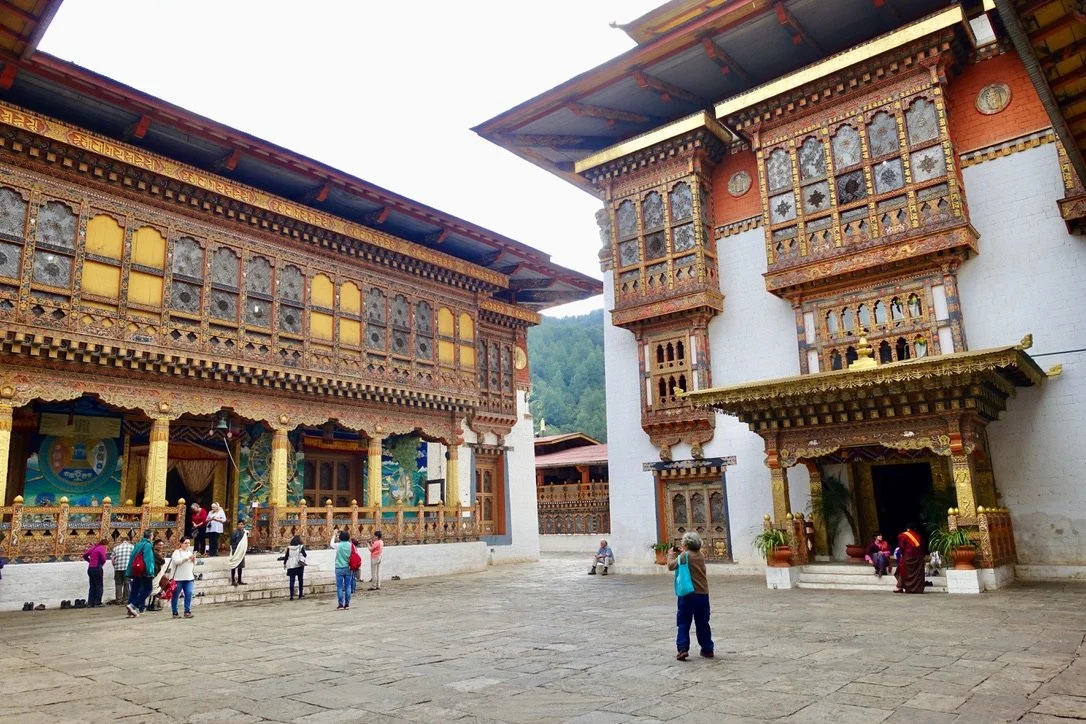
Known as the "Palace of Great Happiness," Punakha Dzong is widely considered the most beautiful fortress in Bhutan. Built in 1637 at the junction of the Pho Chhu and Mo Chhu (Male and Female) rivers, the building’s towering, white-washed walls and intricate golden roofs create a striking contrast against the surrounding lilac jacaranda trees that bloom in spring. Inside, the third courtyard houses the most sacred relics of the kingdom and serves as the venue for the coronation of all Bhutanese kings. The "One Hundred Pillar Hall" is a masterpiece of craftsmanship, featuring exquisite murals that depict the life of the Buddha.
Did you know? Punakha Dzong was built entirely without the use of iron nails. Its massive timber beams and interlocking structures were so expertly designed that the fortress has survived multiple fires, floods, and earthquakes for nearly four centuries.
-
Chimi Lhakhang
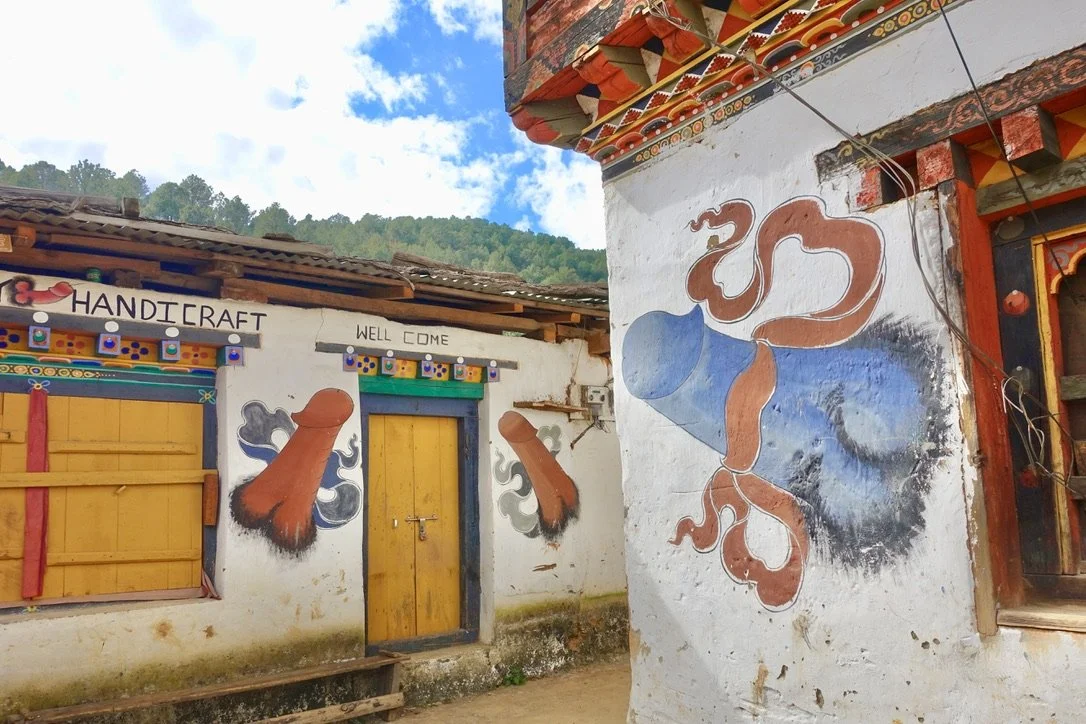
Affectionately known as the Fertility Temple, Chimi Lhakhang is a modest yet globally famous sanctuary perched on a round hillock in the Lobesa Valley. The walk to the temple is an experience in itself, winding through golden rice fields and a village where houses are decorated with colourful phallus paintings. Dedicated to the "Divine Madman," Drukpa Kunley, the site is a beacon of hope for couples from around the world who come to receive a blessing from the monks. The atmosphere is serene and welcoming, offering a fascinating look at Bhutan’s unique fusion of spirituality and folklore.
Did you know? Couples who successfully conceive after a visit often return to have their children named by the monks. These children are traditionally given the names "Kinley" or "Chimi" in honour of the saint and the temple.
Recommended
Multi-Day Itineraries
Put this guide into practice with these hand-picked small group journeys,
featuring both iconic landmarks and immersive cultural experiences.
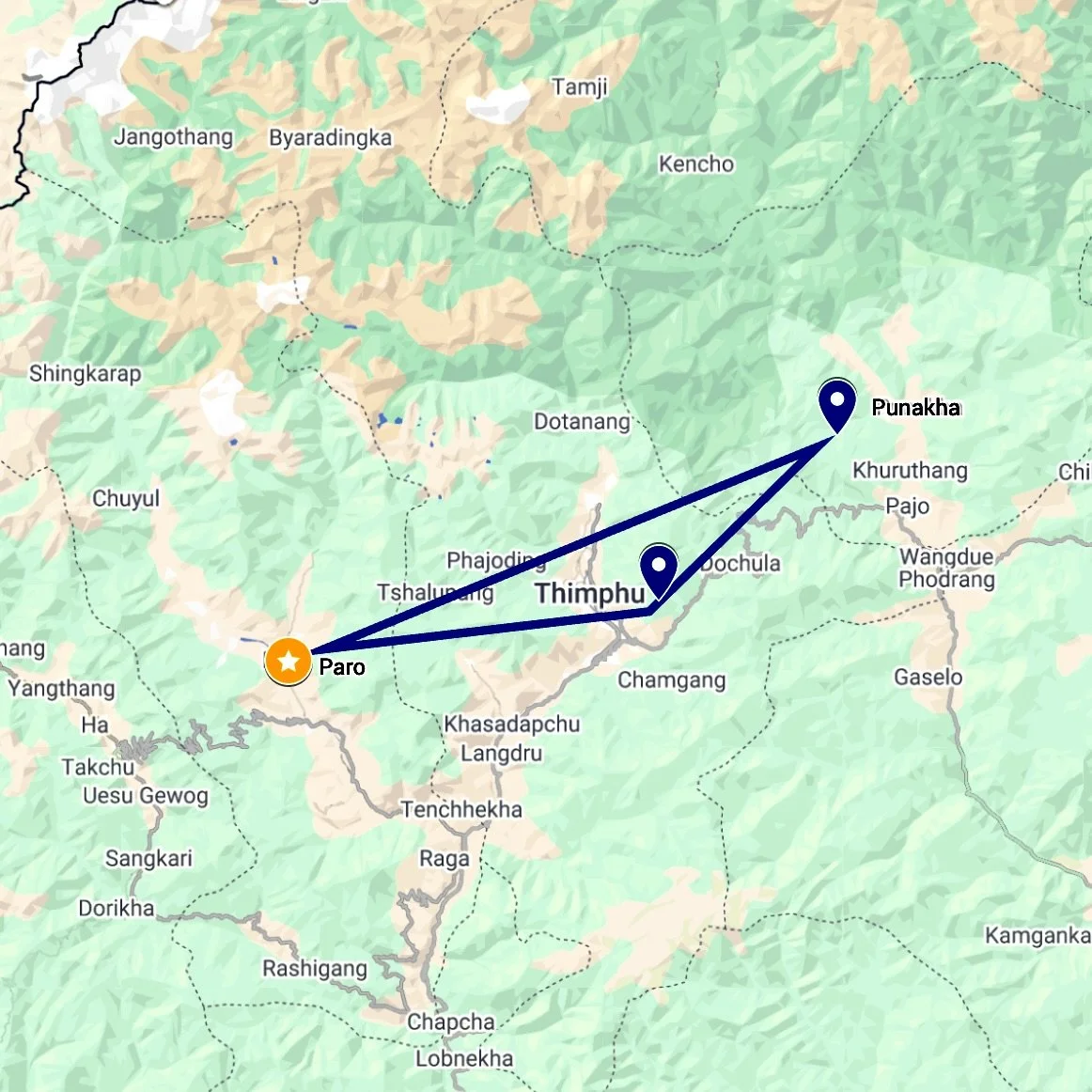
Discover the spiritual heart of the mountain kingdom of Bhutan. Visit the iconic dzongs and mountain trails of Paro, Thimphu, and Punakha. Immerse yourself in ancient traditions and experience the serene beauty of this Himalayan landscape while connecting with local Bhutanese culture.
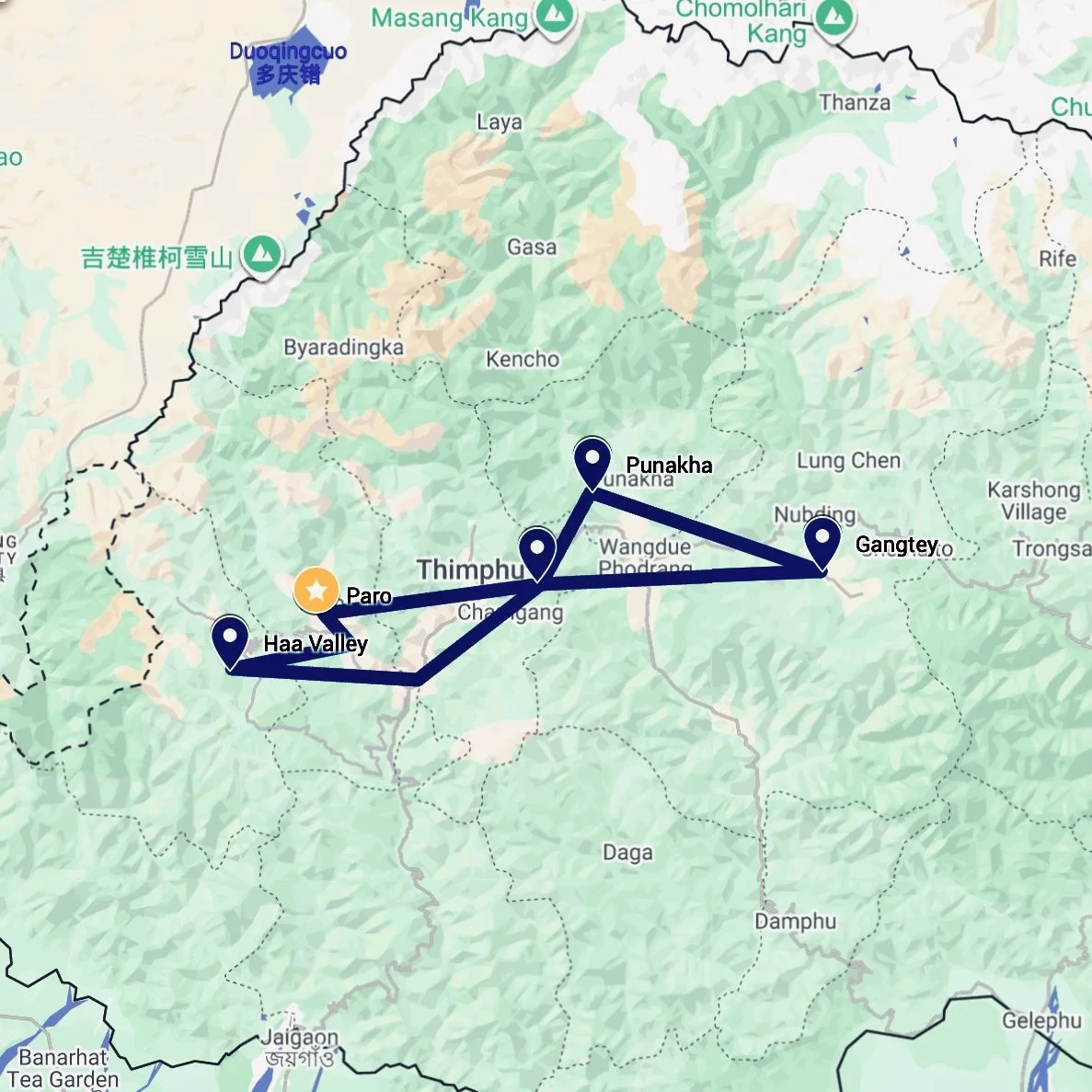
Visit the Himalayan kingdom of Bhutan on this National Geographic tour. Explore spectacular fortresses and shrines in Paro, Thimphu, and Punakha. Immerse yourself in the remote Haa Valley and Gangtey while discovering the secrets of Buddhist culture and Bhutanese wellbeing.
Essential Insights
-
Punakha enjoys a subtropical climate, making it a pleasant retreat even when other parts of Bhutan are shivering. The ideal months to visit are March to May, when the famous jacaranda trees bloom around the dzong, and September to November, when the rice harvest turns the valley floors into a patchwork of gold. For those interested in local culture, the Punakha Tshechu and Punakha Dromche festivals in late February or early March are spectacular events featuring dramatic battle re-enactments and mask dances.
It is worth avoiding the peak monsoon months of July and August, as the heavy rains can lead to roadblocks on the winding mountain passes. While winter from December to February is sunny and far milder than in Thimphu, it is sensible to stay away from the Losar (Lunar New Year) dates in February, as many family-run eateries and shops may close for the celebrations.
-
While many visitors only spend a single night here, staying for two to four days allows you to fully experience the valley's distinct atmosphere. A longer stay provides you with time to hike to more remote temples like Khamsum Yulley Namgyal Chorten and visit the smaller villages along the Mo Chhu river that most tourists simply drive past.
Spending four days here means you can spend a morning white-water rafting, an afternoon exploring the hidden corners of the dzong, and still have time for a slow walk through the Lobesa rice paddies. This unhurried approach is the best way to satisfy your curiosity about the local way of life and discover the quieter, more authentic side of the valley away from the main tourist groups.
-
Punakha is exceptionally safe, but you should always check your government’s local travel advisory for the latest information. While crime is rare, petty theft can occasionally occur in busier areas, so keep an eye on your belongings. Be aware of minor scams such as individuals near monasteries claiming to collect donations for specific monks. Genuine donations should only be placed in the official boxes located inside the temples.
Common-sense practices are the best way to ensure a smooth trip. Avoid drinking in excess and always be mindful of local laws, particularly regarding the strict ban on public smoking.
Since you will likely be travelling along winding mountain roads to get here, motion sickness can be an issue for some. To be fully prepared for any health needs or travel disruptions, always make sure you have a comprehensive travel insurance policy in place.
For more practical tips and expert advice on staying safe during your trip, visit our dedicated page on Travel Safety.
-
Bhutanese culture is deeply rooted in respect, and dressing modestly is a simple way to honour the local population. When you are walking through the valley or visiting religious monuments, everyone should ensure their shoulders, chests, and legs are covered. Long trousers or skirts and shirts with sleeves are the standard. You should also remove your hat and sunglasses when entering a temple courtyard or a private home.
If you are invited into a local farmhouse, it is customary to remove your shoes at the entrance. When visiting sacred sites, always walk in a clockwise direction around chortens and prayer walls. These acts of mindfulness show that you respect the local religion and traditions, helping you connect more authentically with the people you meet. It is a small effort that goes a long way in making your presence as a traveller both welcome and appreciated.
-
Because Punakha is at a lower altitude than Paro or Thimphu, it can get quite warm during the day, so lightweight, breathable layers are a good choice. However, evenings can still be cool, so bring a light jacket or jumper. Sturdy walking shoes are vital for the valley's trails and the uneven stone floors of the dzongs. Since you will be taking your shoes off frequently at religious sites, bring a few pairs of warm socks.
Avoid packing singlet tops or shorts, as these are not suitable for the conservative local environment. If you plan to go rafting or try a traditional hot stone bath, pack a modest swimsuit. If you are visiting during the wetter summer months, a lightweight raincoat or a sturdy umbrella is essential. Don't forget high-SPF sunscreen and a hat, as the sun in the valley can be surprisingly strong.
-
Punakha is the agricultural heart of Bhutan, and you must try the local red rice, which is harvested right in the valley. A favourite dish here is jasha maru, a spicy minced chicken stew flavoured with ginger and garlic. Because the climate is warmer, you will also find a wider variety of fresh river vegetables and seasonal fruits that aren't as common in the higher valleys.
For a local experience, visit the small eateries in the town of Khuruthang or the Chimi Lhakhang Organic Cafe, which serves dishes made from ingredients grown in the surrounding fields. Trying these local specialities is a fantastic way to support the farming community and understand how the valley’s fertile soil shapes the local diet.
-
As there is no airport in Punakha, everyone arrives by road from either Thimphu, Paro, or Bumthang. Travelling by road is the only way to reach the valley, and the stunning scenery along the way makes the journey an insightful part of the experience itself.
The most common route from Thimphu crosses the famous Dochula Pass. Most visitors use the private vehicle and driver included in their tour package, which allows for a much more comfortable journey. This flexibility means you can stop at the pass to explore the 108 memorial chortens and take in the panoramic Himalayan views at your own pace.
-
The main town of Khuruthang is compact and easy to navigate on foot, making it simple to visit local shops and nearby eateries. If you are staying in the Lobesa area, walking through the rice paddies is a wonderful, pedestrian-friendly way to reach local temples and cafes at a slower pace.
Many of the most famous sites like the Punakha Dzong and Chimi Lhakhang are spread out across the valley. Most visitors use a dedicated vehicle and driver as part of their pre-arranged tour, which is the most seamless way to explore the region. For those wishing to travel independently, taxis are available and are usually unmetered, so it is best to agree on a price before you set off.
-
Staying connected in the Punakha Valley is generally reliable, especially in the town centres. An eSIM is the most convenient option for most travellers, as it allows you to sort out your data plan before you arrive. Gigago offers digital data packages for Bhutan that you can activate by simply scanning a QR code, letting you bypass the local shops entirely.
If your phone doesn't support eSIMs, you can pick up a physical SIM card from TashiCell or Bhutan Telecom in Khuruthang or back in Thimphu. You will need a copy of your passport to register the card, but the process is usually quick. Having a local data plan is very helpful for staying in touch with your guide and navigating the valley's side roads.
-
The local currency is the Ngultrum (BTN), and while there are ATMs in Khuruthang that accept Visa and Mastercard, they can sometimes be unreliable. It is best to withdraw enough cash in Thimphu or Paro before you head to the valley. Cash is the most common form of payment in local markets and cafes.
Mobile payment apps are used everywhere by locals, however, usually need to be linked to a Bhutanese bank account. Therefore, always carry some cash as a backup, especially for smaller purchases. You can exchange USD or EUR at banks, and Indian Rupees in small denominations are also widely accepted.
-
English is widely spoken in Punakha, particularly by those working in the travel industry and the younger generation. Since it is the medium of instruction in schools, you will find most people can communicate very well. Most signs and menus in restaurants are also in English, making it very straightforward to get around and order food.
Even though English is common, downloading a language translator that includes Dzongkha is a lovely way to bridge the gap with older residents or those in more remote farmsteads. Learning a few simple phrases like "Kuzuzangpo la" (hello) or "Kadinchey la" (thank you) is always met with a warm response and shows a genuine respect for the local culture. It’s a small gesture that can lead to much friendlier and more authentic interactions during your stay.
-
No, the tap water in Punakha is not safe for drinking unless it has been boiled or treated. To stay hydrated while being a responsible traveller, use a reusable water bottle with an inbuilt filter. This helps to minimise the amount of single-use plastic waste, which is a major concern in Bhutan’s efforts to remain a carbon-negative country.
Most hotels and guesthouses in the valley provide large containers of filtered or boiled water where you can refill your bottle for free. Choosing these refill stations over buying new plastic bottles is a simple but effective way to protect the local environment.