
Samurai Citadels and Walled Gardens
Rising majestically above the skyline, Himeji serves as the ultimate gateway to Japan's feudal past. Just a short Shinkansen ride from major hubs, such as Kyoto and Osaka, the city is dominated by its sprawling white fortress, an architectural masterpiece that has remained largely unchanged for over four centuries. Beyond the imposing stone ramparts, visitors can retreat into traditional walled gardens that capture the seasonal artistry of the Edo period. Whether you are navigating the tactical labyrinths of the castle or sipping matcha in a serene teahouse, Himeji offers an unparalleled encounter with the strength and elegance of samurai heritage.
This Adventures Afar guide contains affiliate links. If you book through these, we may earn a commission at no extra cost to you.
Unmissable Highlights
-
Himeji Castle
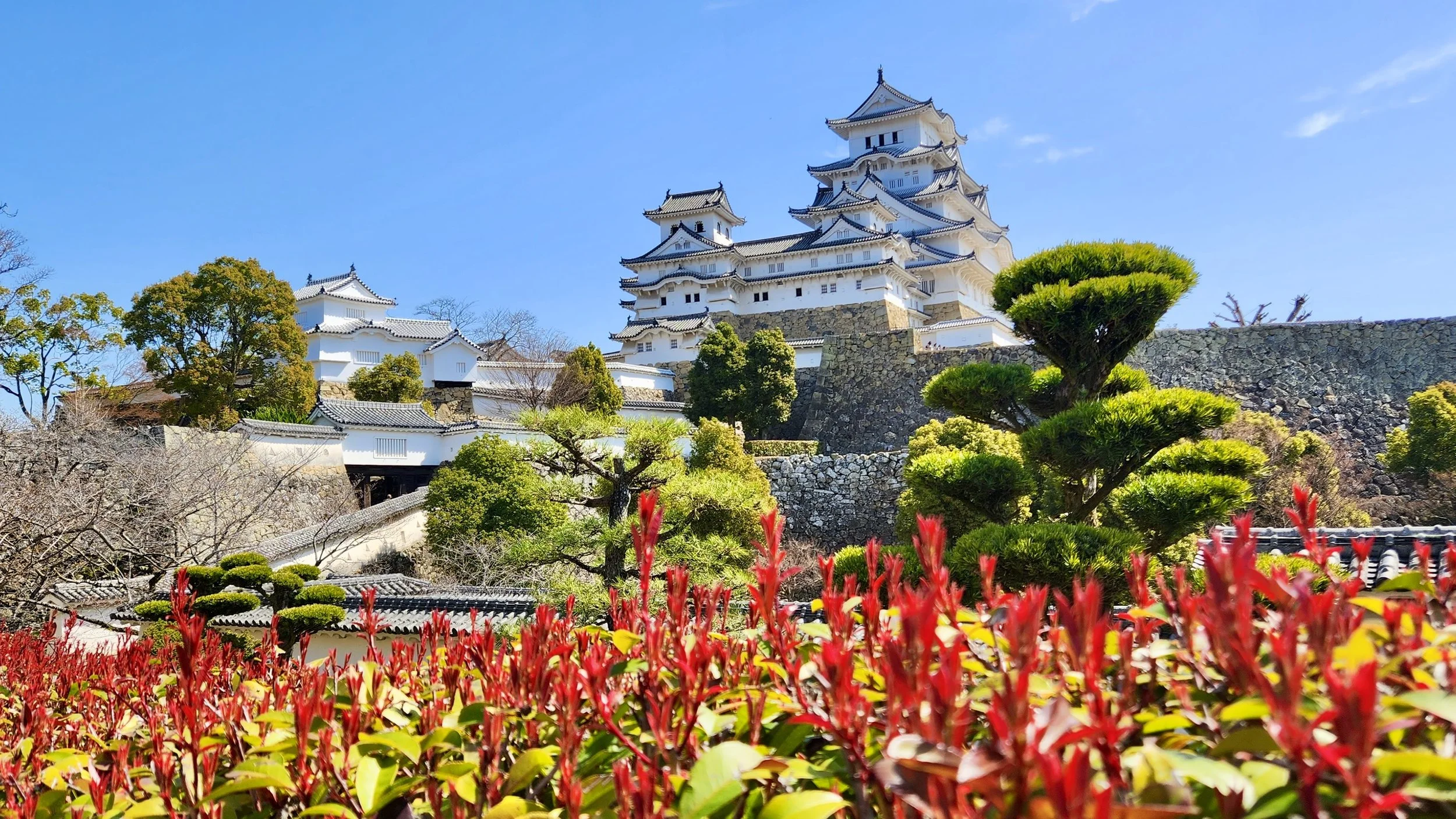
Rising like a vision from a samurai legend, Himeji Castle is widely regarded as the country’s most beautiful and best-preserved feudal fortress. Known as the White Heron Castle for its graceful white plaster walls, it has stood for over 400 years and is one of only a handful of Japanese castles to have survived wars and earthquakes intact. Designated as an UNESCO World Heritage site, its sweeping roofs appear to float in layers, curving upward like a bird in flight. Exploring the interior involves a steep climb through narrow corridors and arrow slits, offering a direct glimpse into the tactical ingenuity of ancient Japan.
Did You Knows? The brilliant white exterior was not just for beauty as the plaster is made of fire-resistant lime. This clever design feature is a primary reason the wooden structure survived firebombing raids during the Second World War while the surrounding city was leveled.
-
Koko-en
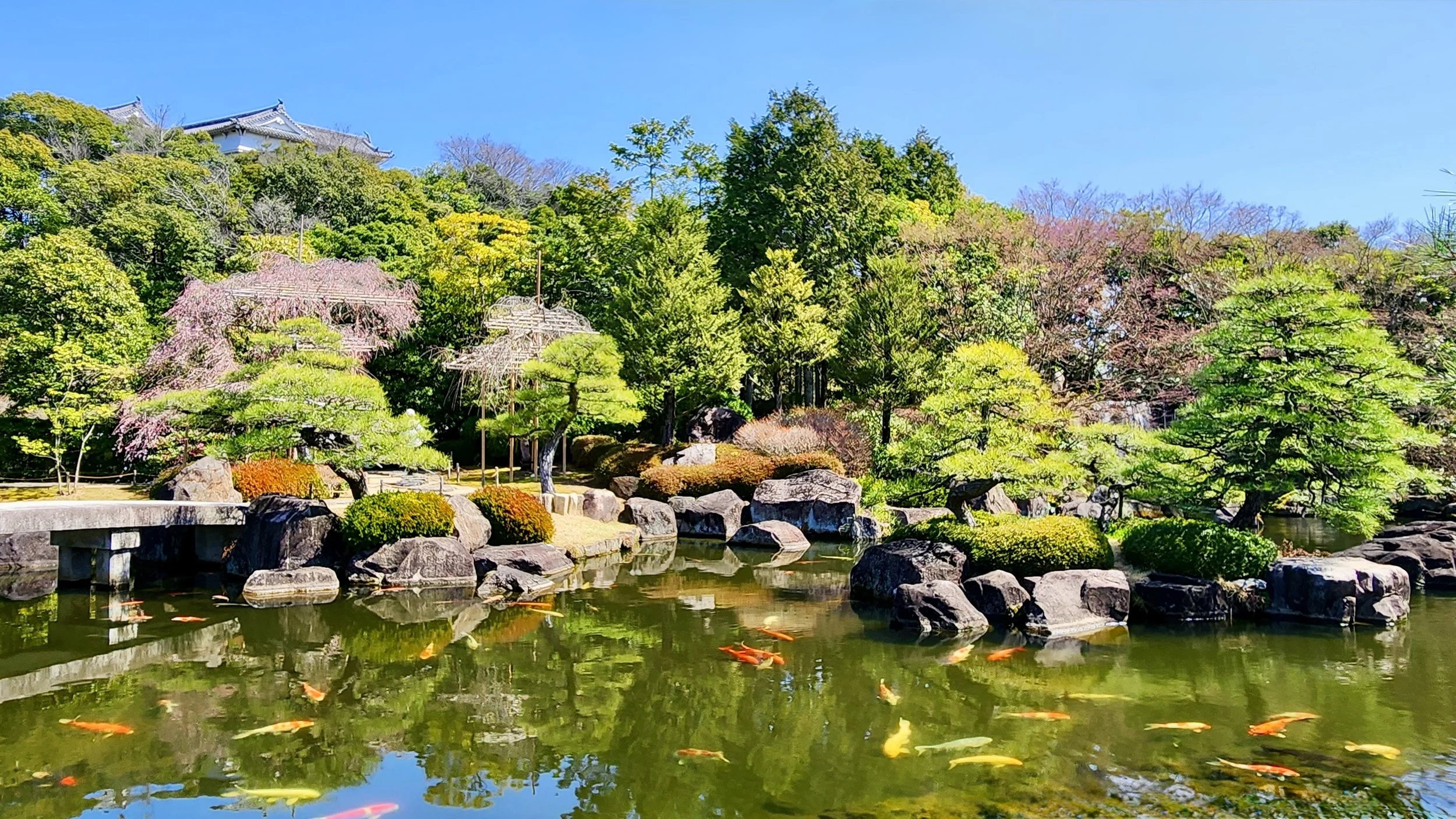
Next door to Himeji Castle lies Koko-en Garden, a peaceful counterpoint to the castle's grandeur. Built in the 1990s on the former site of the feudal lord’s west residence, the complex comprises nine distinct walled gardens connected by winding paths and koi-filled streams. Each section reflects a different style from the Edo period, from bamboo groves to a dedicated tea ceremony garden. The layout is designed to perfectly frame views of Himeji Castle in the background, allowing visitors to enjoy traditional matcha at the Soujuan teahouse while gazing at the towering white keep in the distance.
Did You Knows? Despite its ancient appearance, Koko-en was opened in 1992 to celebrate the city’s centenary. Its authentic design is so convincing that it is frequently used as a filming location for historical dramas and samurai epics set in the 17th century.
Recommended
Multi-Day Itineraries
Put this guide into practice with these hand-picked small group journeys,
featuring both iconic landmarks and immersive cultural experiences.
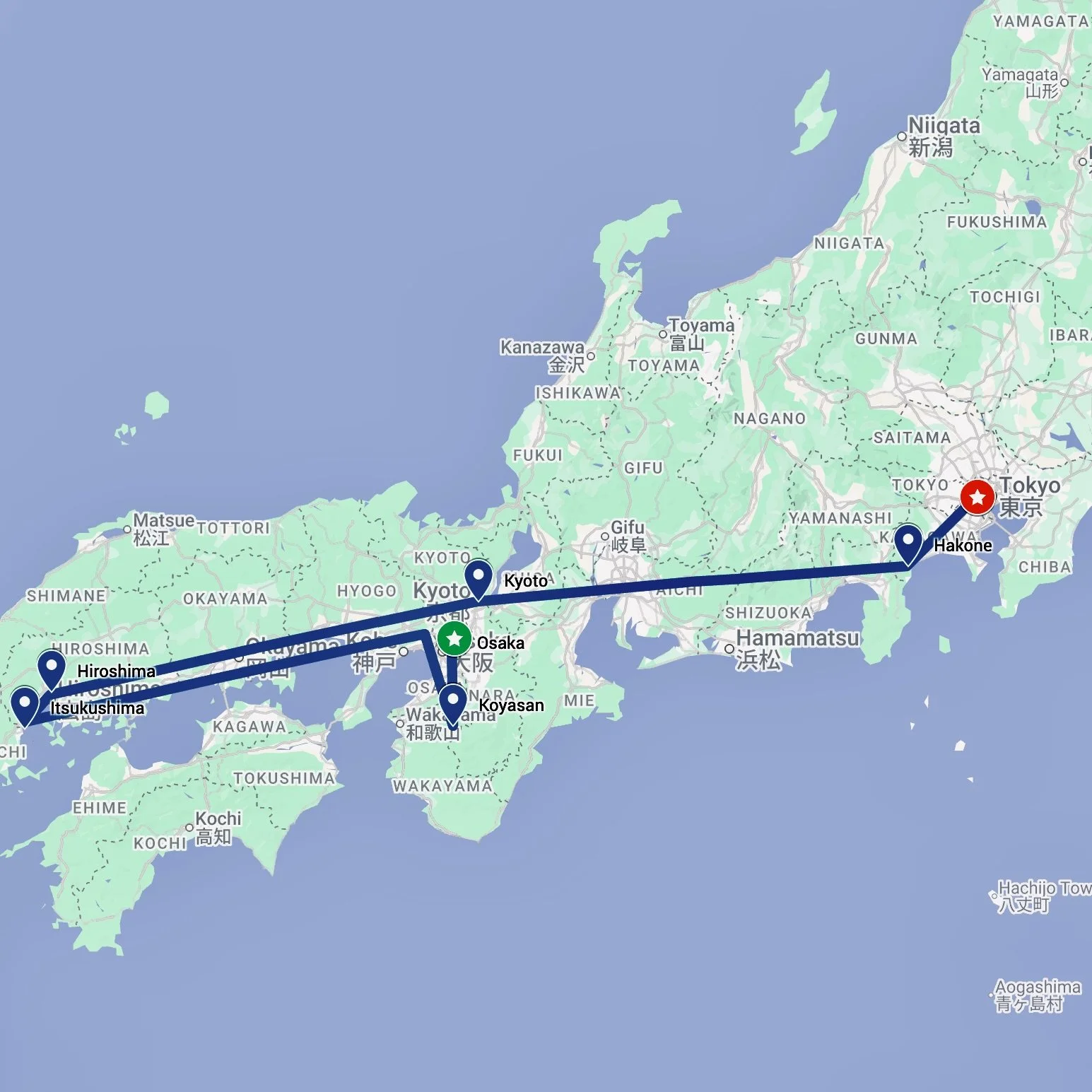
Discover the many faces of Japan, beginning in Osaka and ending in Tokyo. Visit the mountain temples of Koyasan, the historic streets of Kyoto, and the poignant sites of Hiroshima and Miyajima before witnessing Mount Fuji and the neon lights of Tokyo's vibrant districts.
Iconic Japan
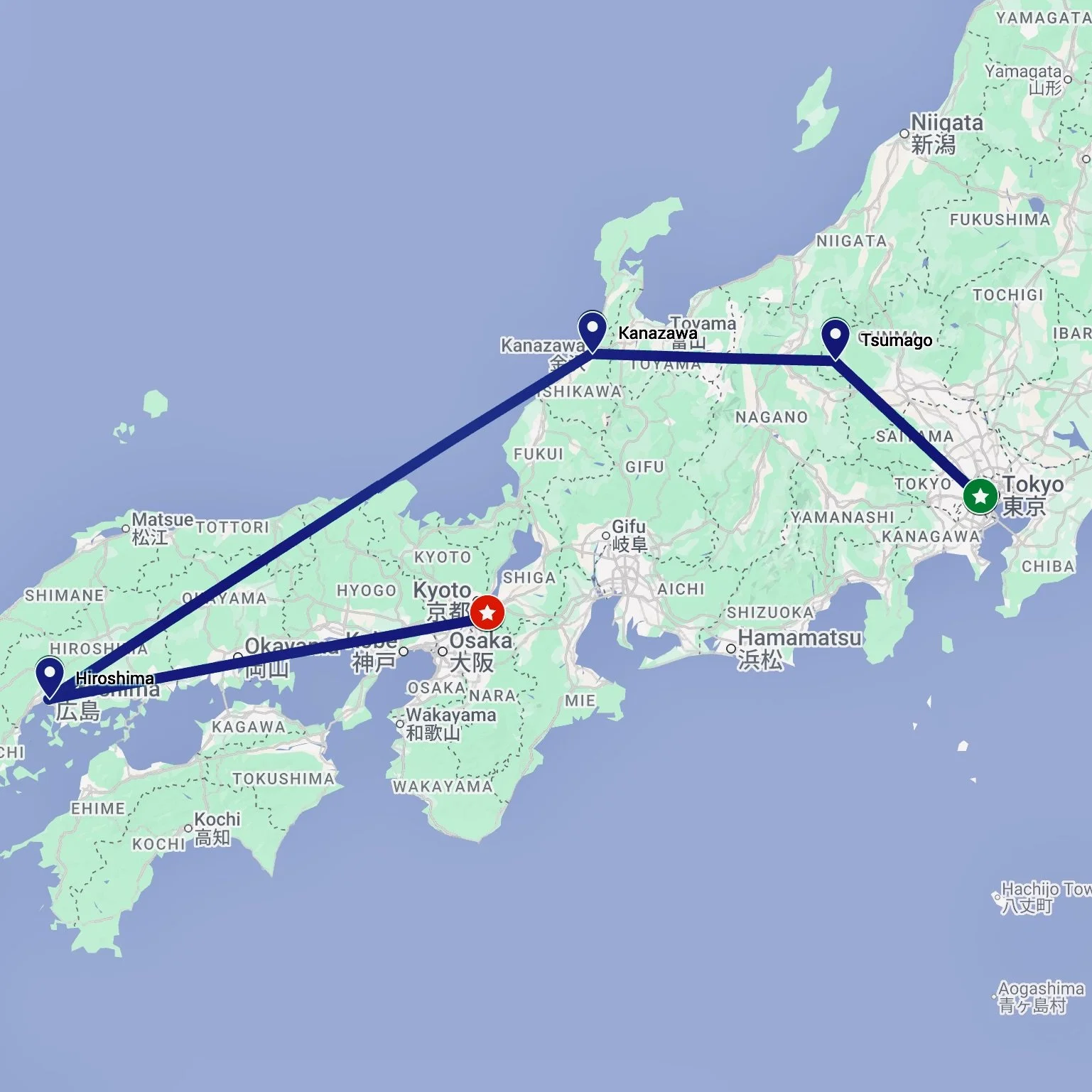
Immerse yourself in Japan’s living history, from Tokyo’s neon-lit streets to the quiet temples of Kyoto. Visit the samurai traditions of Hagi, the scenic beauty of Hakone and Mount Fuji, and the landmarks of Hiroshima and Osaka while enjoying regional Japanese cuisine.
-
Himeji is a city that truly shines during the spring and autumn months. For the most iconic views, late March to early April is the time when cherry blossoms surround the white walls of Himeji Castle, although you should expect large crowds and higher hotel prices. If you prefer a more colourful but slightly quieter atmosphere, November is spectacular as the maple trees in Koko-en Garden turn a brilliant fiery red. The weather during these shoulder seasons is generally mild and ideal for the steep climb up the castle keep.
There are a few dates to avoid if you want to bypass the heaviest domestic crowds. Golden Week, which usually runs from late April to early May, sees a huge surge in visitors that can lead to long queues at the castle gates. The New Year period from late December to early January often sees some local closures. Summer (June to August) is the rainy season which brings high humidity, while winter can be quite chilly.
-
While many people visit Himeji as a quick stop between larger cities, staying for longer than a day allows you to move beyond the main castle gates and see the city properly. Most visitors spend about four hours on a whistle-stop tour of the castle and Koko-en, but this barely scratches the surface. By spending a full weekend or a mid-week break, you can explore the sacred atmosphere of Mount Shosha and its ancient Engyo-ji temple complex, which feels worlds away from the urban centre.
Taking extra time also encourages a more responsible way of travelling, giving you the chance to discover smaller neighbourhoods and support local eateries that aren't on the main tourist path. A three-day stay is ideal if you want to include a trip to the nearby Ieshima Islands or simply enjoy the castle illuminated at night. By slowing down, you satisfy your curiosity and get a much better feel for the daily life of this historic city rather than just ticking a landmark off a list.
-
Himeji is an exceptionally safe destination for travellers, following Japan’s general reputation for low crime and high public order. However, it is always a sensible habit to read your government's local travel advisory for the most up-to-date information before you depart. While violent crime is rare, you should still practice common sense safety, such as keeping an eye on your belongings in busy areas like Himeji Station or the popular castle approach.
Scams are not common here, but you should remain aware of your surroundings in nightlife areas and avoid taking large amounts of cash into bars. Practice wise habits like not leaving your drink unattended and avoiding drinking in excess.
It is also essential to always have a comprehensive travel insurance policy to cover any unexpected medical issues or travel disruptions. By staying informed and following local laws, you can enjoy the city’s hospitality with total peace of mind.
For more practical tips and expert advice on staying safe during your trip, visit our dedicated page on Travel Safety.
-
Japanese social harmony is built on respect, and this is especially evident in historic cities like Himeji. When you are sightseeing or walking around generally, smart-casual attire is the best way to blend in. For visits to religious monuments or the castle, everyone should dress modestly. It is recommended that shoulders and knees are covered. Avoiding very revealing items like crop tops or short shorts is a simple way to show respect for the local population and the sacred nature of these sites.
If you are lucky enough to be invited into someone's home, or even when visiting traditional teahouses and some castle areas, you will be expected to remove your shoes at the entrance. Because of this, always make sure you are wearing clean, presentable socks! Keeping your voice low on public transport and refraining from eating while walking are small gestures that go a long way in following local social norms.
-
Since Himeji is a city built for walking, your most important item is a pair of comfortable shoes. You will be taking them off frequently at the castle and in traditional gardens, so choose footwear that is easy to slip on and off. For clothing, pack neat, modest layers that are suitable for both temple visits and dining out. Avoid packing singlets or very short shorts if you plan on visiting the castle or religious sites, as these are generally not considered appropriate for the setting.
If you are visiting in the winter, particularly from December to February, it gets quite cold, so bring plenty of warm layers and a good coat. June is typically the wettest month, so a compact umbrella or a light waterproof jacket is a must. For those visiting during the humid summer, light and breathable fabrics are essential, though you should still have a light cover-up for air-conditioned indoors.
-
Himeji has a unique culinary identity that reflects its proximity to both the mountains and the sea. You must try Himeji oden, a local twist on the classic Japanese simmered pot dish. What sets it apart is the use of a ginger-flavoured soy sauce, which gives the ingredients a warm, spicy kick that the local community has loved for generations. It is a fantastic comfort food, particularly in the cooler months, and can be found in many small restaurants around the station and castle area.
Another local pride is anago (conger eel), which is often served grilled over rice or as delicate sashimi. If you are near the Miyuki Dori shopping street, look for specialist restaurants that serve this fresh from the local waters. For a sweet treat, try the traditional Japanese confectionery known as wagashi, often served during tea ceremonies at Koko-en. Trying these local specialities is more than just a meal, it is a way to support local producers and experience the flavours that have defined Himeji for centuries.
Essential Insights
-
Reaching Himeji is very straightforward thanks to its position as a major stop on the Shinkansen line. Many international travellers fly into Kansai International Airport (KIX) or Osaka's Itami Airport (ITM). From Kansai Airport, there are frequent limousine buses that take about two hours, or you can take a JR train into the city. If you are coming from Tokyo, Kyoto, or Hiroshima, the high-speed bullet train is the most responsible and efficient way to travel, dropping you right at JR Himeji Station in the heart of the city.
Taking the train between major city centres is often faster than flying when you factor in airport transfers and security checks, and it is a much greener choice for the environment. Himeji Station is a central hub that services both high-speed Shinkansen and local JR lines, making it incredibly easy to connect to other historic destinations like Okayama or Kobe. For those arriving from the islands, there are also ferry services that link the Himeji Port with the surrounding Seto Inland Sea.
-
Himeji is a very accessible city, and the main boulevard from the station to the castle is flat and pedestrian-friendly. Walking is often the best way to see the city at your own pace, taking about fifteen to twenty minutes to reach the castle gates. For a scenic alternative, you can even explore the city on a rented bicycle, which is a popular choice for visiting the quieter suburbs.
If you prefer public transport, the local Shinki Bus network is excellent and covers all the major tourist routes. You can pay for your fare using a rechargeable IC card like Suica or Pasmo by tapping when you board and exit. For those planning to make multiple trips, look for special bus passes at the station that can save you money. While ride-sharing apps like Uber are available, they mainly act as a way to hail licensed local taxis, which are clean and reliable but can be expensive for long distances.
-
Having a reliable data connection is essential for using maps and translation apps while you explore the city. While physical SIM cards can be bought at the airport or at major electronics stores, an eSIM is generally the most convenient and modern option. It allows you to get connected as soon as you land without having to fumble with tiny pieces of plastic or find a local shop.
An eSIM option like Ohayu is a great choice for staying online during your trip. It is typically more cost-effective than using international roaming from your home provider and gives you the freedom to check train times and look up restaurant reviews on the fly. You can easily set it up on your phone before you even arrive in Japan, so you are ready to go the moment you step off the train at Himeji Station.
-
In Himeji, as in much of Japan, cash is still used very frequently, especially for smaller shops, market stalls, and entry fees for temples. You will definitely need some yen for the smaller eateries and local buses. However, major hotels, department stores, and larger restaurants will widely accept Visa, Mastercard, and Amex. You will also see many locals paying with QR codes or IC cards, which are becoming increasingly common for daily purchases.
ATMs are easy to find, particularly inside convenience stores like 7-Eleven, which typically accept international cards and have English menus. While you can exchange USD or EUR at banks, you will often find better rates and more convenience by simply withdrawing yen from an ATM. It is a good idea to keep a few 1,000 yen notes and some coins handy for smaller purchases and vending machines as you explore the city’s historic streets.
-
You will find that English language signs and menus are very common in the main tourist areas of Himeji, especially around the castle and the major train station. Staff at the larger hotels and the main castle ticket office usually speak enough English to help with most enquiries. However, as you move into the smaller backstreets or visit the more traditional local restaurants, the level of English can be a bit more limited.
Most restaurants in the city have menus with photos, which makes ordering much easier even if you don't speak the language. It is always a great idea to download a language translator app onto your phone before you arrive. Using the camera function to translate a menu or a sign can be incredibly helpful and adds a layer of confidence to your exploring. Even with a language gap, the people of Himeji are famously polite and helpful, and a few basic Japanese phrases will always be appreciated.
-
Yes, the tap water in Himeji is completely safe to drink and follows very high health and safety standards. You can refill your bottle from the tap in your hotel or at public fountains without any concern. Not only is the water clean and safe but drinking from the tap is also the most responsible choice for the environment, helping to reduce the amount of plastic waste generated by single-use bottles.
To help minimise the quantity of one-time-use plastic, it is a great idea to bring a reusable water bottle with you as you explore. While you don't need a filter for safety, some travellers prefer them if they are sensitive to the slight taste of chlorine. You can also look for accommodation options that provide free water refill stations in their common areas. With the thousands of vending machines across Japan, using your own bottle is a small but impactful way to travel more sustainably.