
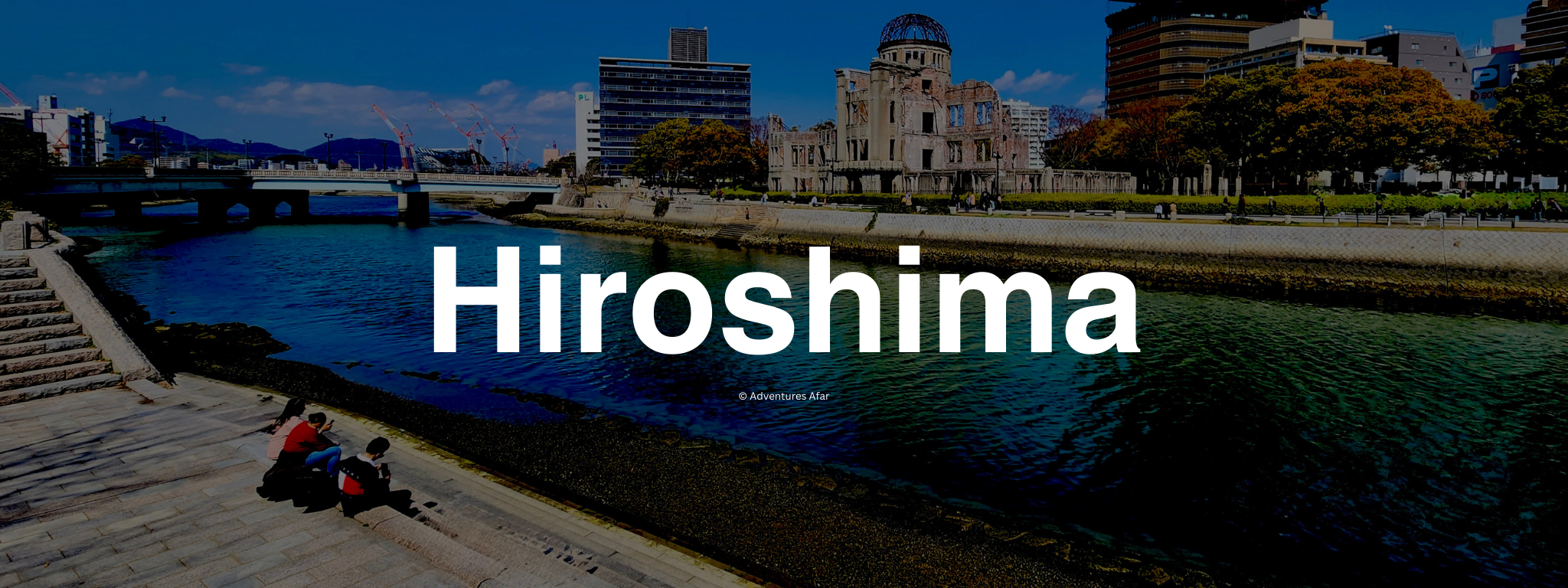
Resilient Monuments and Verdant Riverbanks
Hiroshima stands as a powerful testament to human resilience and a global symbol of peace. While its twentieth-century history remains central to the city’s identity, the modern landscape offers a surprisingly tranquil atmosphere defined by wide boulevards and six flowing rivers. Visitors can reflect at the skeletal ruins of the Atomic Bomb Dome before wandering through the expansive Peace Memorial Park. Beyond these somber landmarks, the city reveals a lighter side with numerous manicured gardens. Strolling along the leafy riverside paths or sampling regional soul food provides a grounded connection to the local community.
This Adventures Afar guide contains affiliate links. If you book through these, we may earn a commission at no extra cost to you.
Unmissable Highlights
-
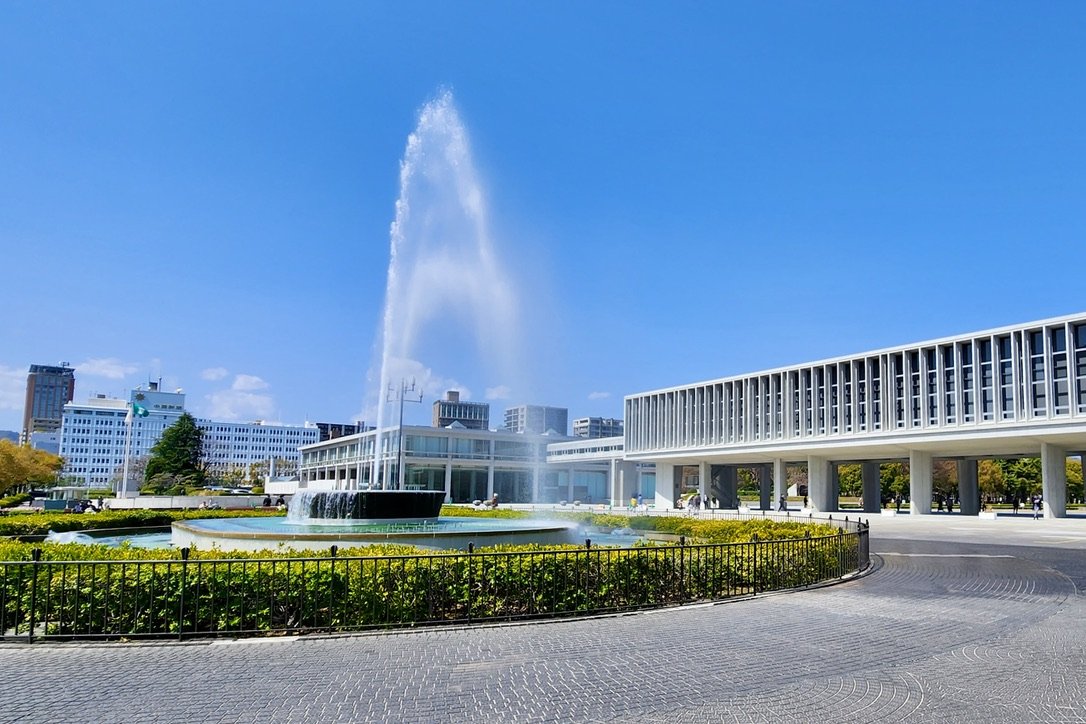
Hiroshima Peace Memorial Museum
The Hiroshima Peace Memorial Museum is the city’s most significant cultural institution, dedicated to documenting the atomic bombing of 1945 and advocating for world peace. Located within the Peace Memorial Park, the museum is divided into the East Building, which covers the history of the nuclear age, and the Main Building, which houses moving personal belongings and photographs of victims. The exhibits are designed to be a impactful experience, focusing on the human cost of war to ensure that the events of the past are never forgotten by future generations.
Did You Know? The museum was designed by Kenzo Tange, one of Japan’s most influential modern architects. Its elevated structure is supported by massive pillars intended to symbolise the people of Hiroshima standing up strongly from the ruins of the city.
-
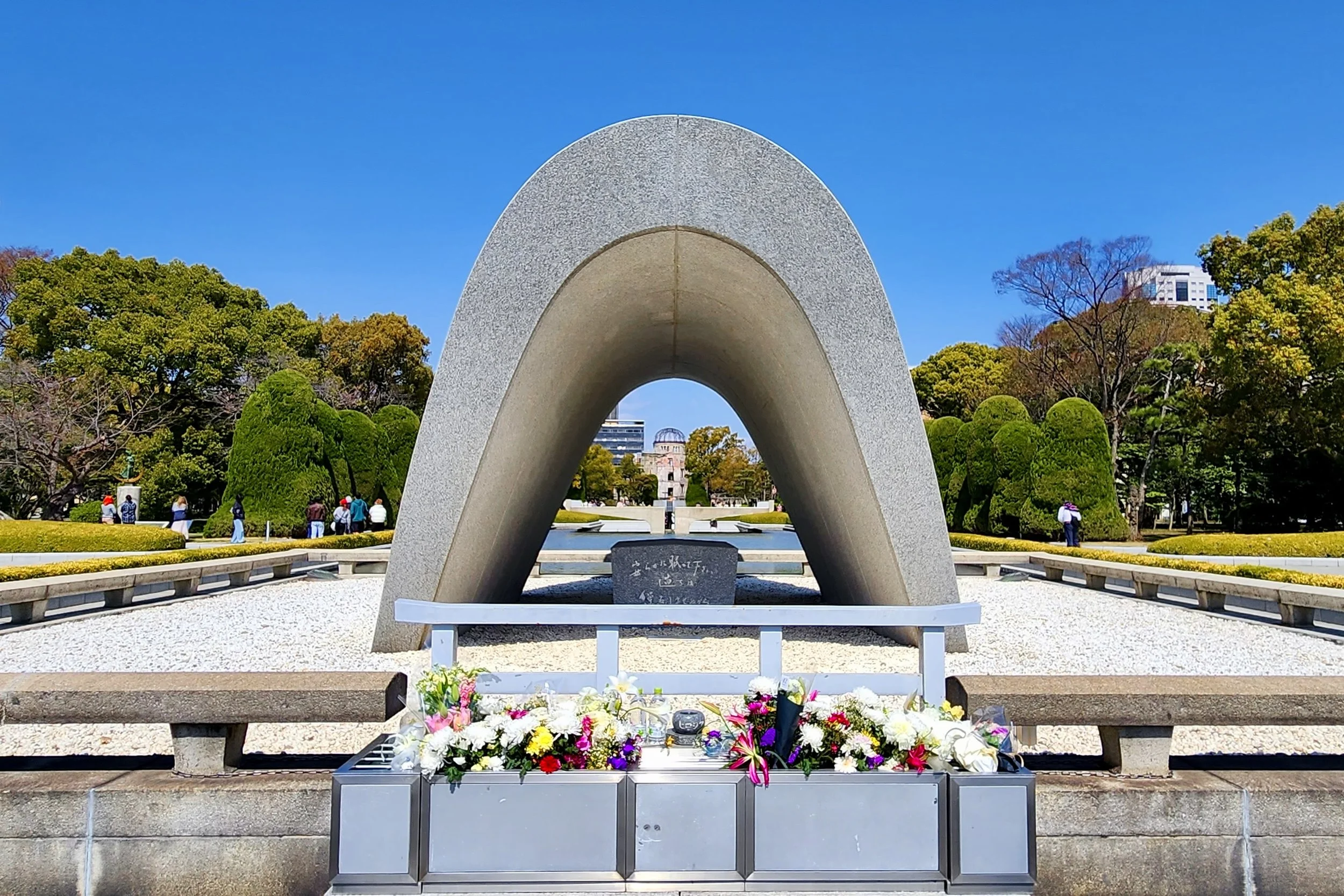
Hiroshima Peace Memorial Park
Hiroshima Peace Memorial Park is a vast green expanse that serves as a sanctuary for remembrance and reflection. At its centre lies the Hiroshima Victims Memorial Cenotaph, an arched tomb holding the names of all those who perished. Nearby, the Flame of Peace sits upon the Pond of Peace. It is intended to burn until the day all nuclear weapons are eliminated from the Earth. The park also features the Children's Peace Monument, inspired by Sadako Sasaki, which is perpetually surrounded by thousands of colourful origami cranes sent from across the globe.
Did You Know? The park is designed along a perfect North-South axis. If you stand at the museum and look north, the Cenotaph perfectly frames the Flame of Peace and the Atomic Bomb Dome in a single, symbolic line of sight.
-
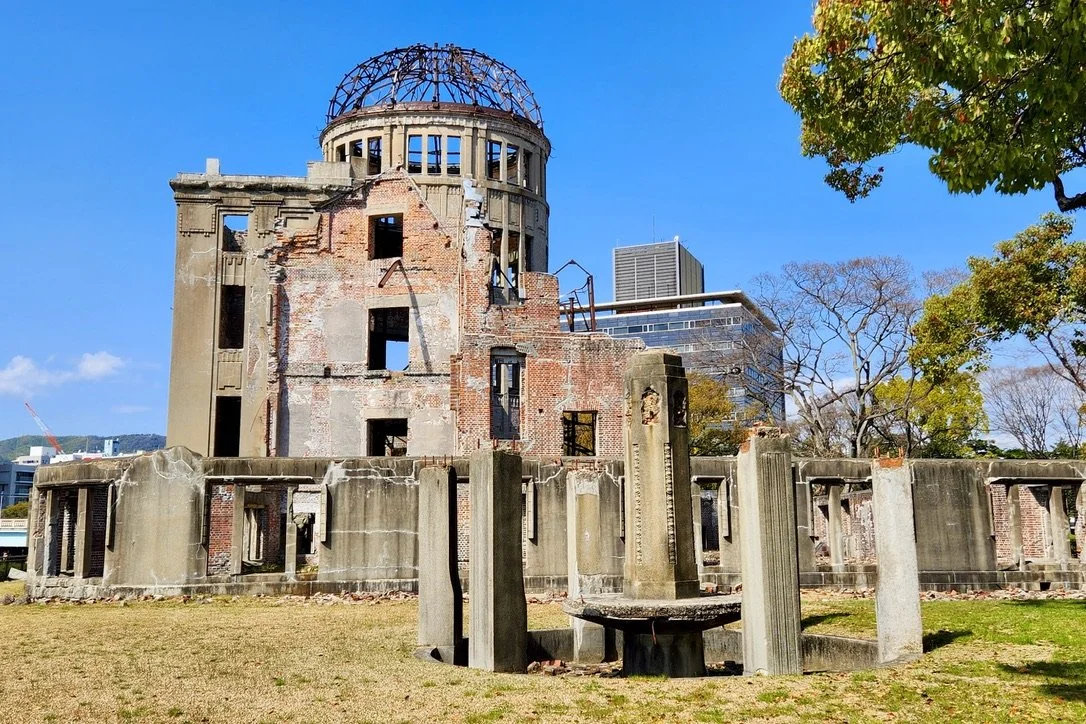
Atomic Bomb Dome
As a haunting landmark of the city’s past, the Atomic Bomb Dome is the skeletal remains of the former Hiroshima Prefectural Industrial Promotion Hall. Despite being located almost directly beneath the explosion’s hypocenter, the building’s vertical columns resisted the blast's downward force, allowing the central dome to remain standing. Now a UNESCO World Heritage site, it is preserved in exactly the same state as it was after the bombing. It serves as a stark, silent witness to the destructive power of nuclear weapons and a permanent symbol of hope for total disarmament.
Did You Know? The building was originally designed by Czech architect Jan Letzel and was famous for its bold European style. Today, it is one of the few structures in the world designated a World Heritage site despite being a modern ruin.
-
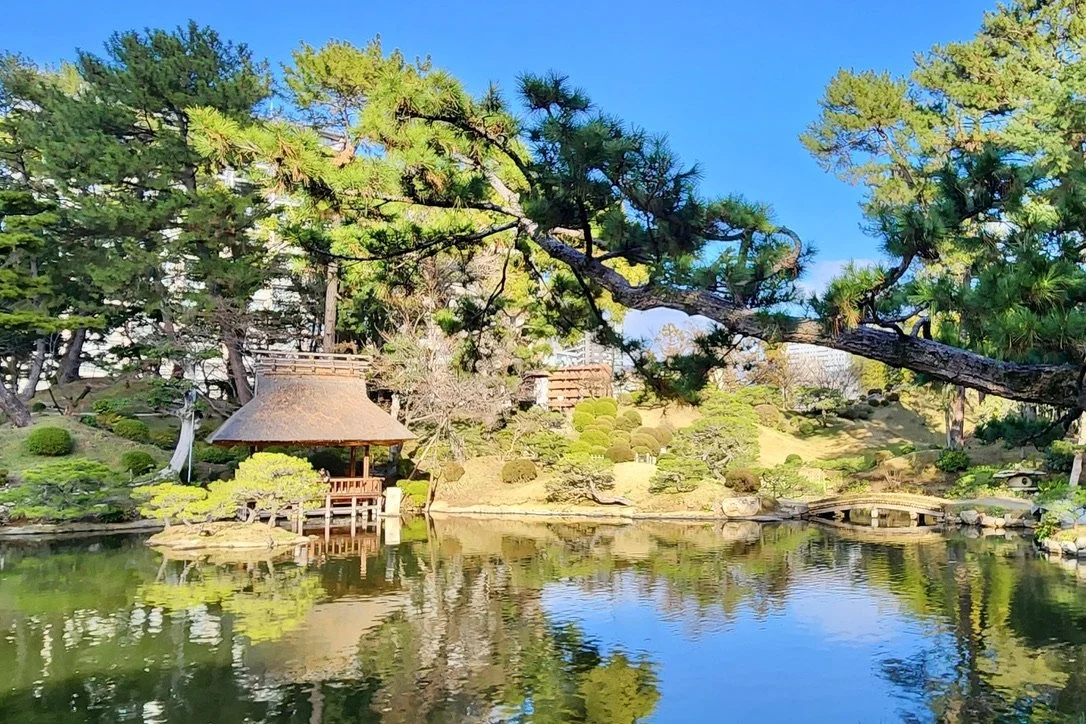
Shukkeien Garden
Dating back to 1620, Shukkeien is a traditional "strolling forest" garden that was originally built for the villa of the Asano family. Its name translates to "shrunken-scenery garden," as it was designed to mimic famous landscapes from Japan and China in miniature form. Visitors can walk the circular trail around the central Takueichi pond, crossing ornate bridges and passing through small teahouses. Although it was severely damaged in 1945, the garden was painstakingly restored over three decades and today offers a quiet, lush escape in the heart of the modern city.
Did You Know? The central pond contains a mixture of fresh and sea water, which allows it to support a unique variety of coastal fish. You can buy bags of food for 100 yen to feed the huge koi that gather near the bridges.
Recommended
Multi-Day Itineraries
Put this guide into practice with these hand-picked small group journeys,
featuring both iconic landmarks and immersive cultural experiences.
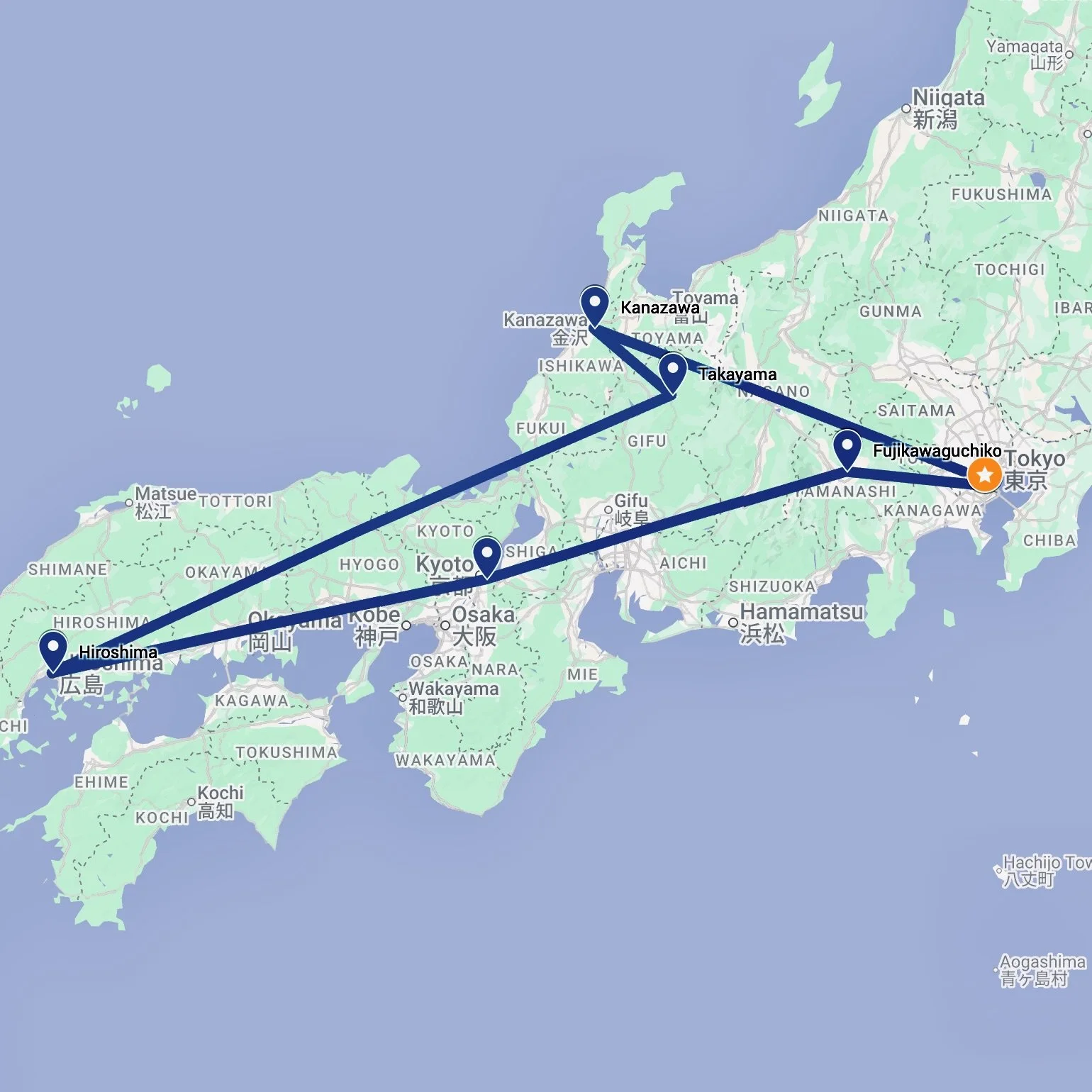
Uncover the serenity of Kyoto’s shrines, the soaring beauty of Mount Fuji, and the historic streets of Kanazawa, Takayama, and Hiroshima. Immerse yourself in the vibrant energy of Tokyo, stay in a traditional Japanese inn, and ride the iconic Shinkansen bullet train.
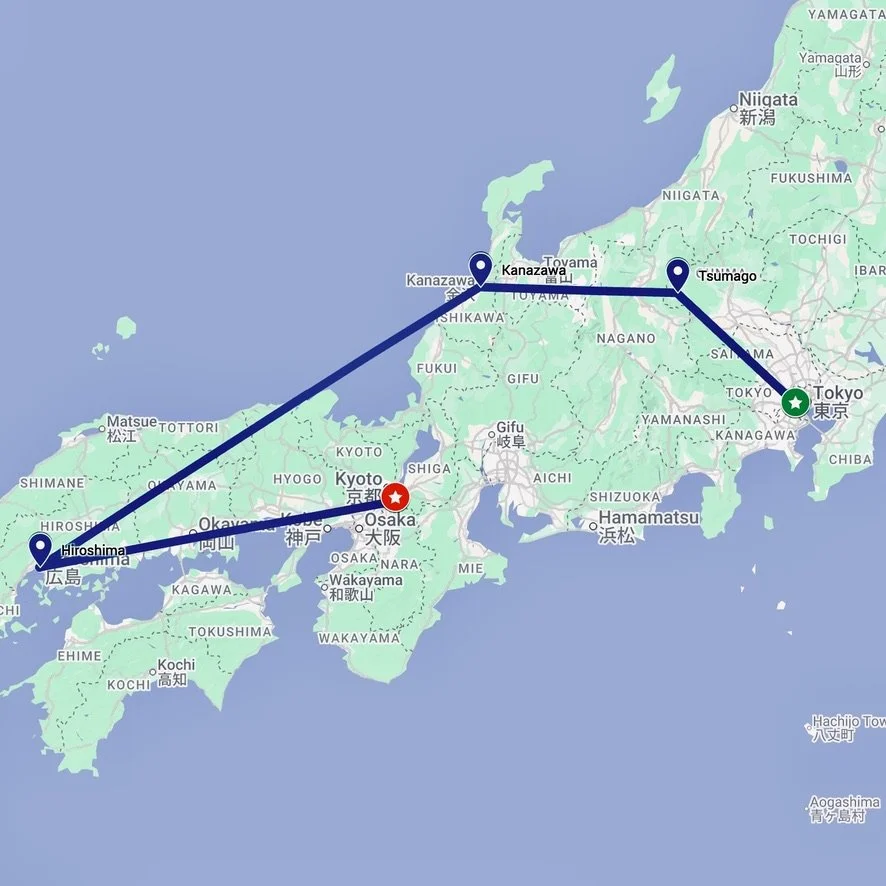
Immerse yourself in Japan’s living history, from Tokyo’s neon-lit streets to the quiet temples of Kyoto. Visit the samurai traditions of Hagi, the scenic beauty of Hakone and Mount Fuji, and the landmarks of Hiroshima and Osaka while enjoying regional Japanese cuisine.
-
Hiroshima is a city of stunning seasonal shifts, but the most comfortable months for exploring are generally April to May, and October to November. Spring brings the famous cherry blossoms, which peak around late March to early April. The riverside paths near the Peace Memorial Park become a sea of soft pink, making it a beautiful time for a stroll. Autumn is equally impressive, especially in November, when the maple leaves on Miyajima Island turn a fiery red.
It is worth noting a few dates that can be particularly busy. The Golden Week holidays (late April to early May) and the Obon festival in mid-August see a massive spike in domestic travel, making trains and hotels harder to book. On 6 August, the city holds the Peace Memorial Ceremony. While it is a deeply moving experience to witness the floating lanterns on the river, the city centre becomes exceptionally crowded.
-
While many people attempt to see Hiroshima as a whistle-stop day trip from Osaka or Kyoto, this city deserves more of your time. You can certainly see the Peace Memorial Museum and the Atomic Bomb Dome in a few hours, but rushing through these sites doesn't allow for the reflection they deserve. A stay of two to four days is far more rewarding and encourages a more responsible, curious way of travelling.
Three days allows you to spend one full day absorbing the history of the city centre, a second day properly exploring Miyajima Island beyond just the floating gate, and a third day discovering lesser-known neighbourhoods like the traditional gardens of Shukkeien or the seaside charm of Ujina. Longer stays also give you the chance to take a day trip to the sake-producing district of Saijo or the historic port town of Onomichi. By lingering, you contribute more to the local economy and get a genuine sense of the city’s resilient spirit.
-
Hiroshima is an incredibly safe destination for travellers, following Japan’s general reputation for low crime. However, it is always a sensible habit to check your government's local travel advisory for the latest updates. While violent crime is rare, you should still practice common sense, such as keeping an eye on your bags in crowded areas like the Hiroshima Station or the busy shopping arcades of Hondori.
Scams are not a major issue here, but some visitors have reported "dodgy" taxi drivers who might take a longer route or touts in the nightlife districts of Nagarekawa who promise cheap drinks but hit you with high service fees. Avoid drinking in excess and always stay aware of your surroundings at night.
Lastly, ensure you have a comprehensive travel insurance policy. Even in a safe city, having coverage for medical emergencies or travel delays is a fundamental part of any well-prepared trip.
For more practical tips and expert advice on staying safe during your trip, visit our dedicated page on Travel Safety.
-
Respect is central to life in Hiroshima, particularly at its many memorials and religious sites. When you are visiting the Peace Memorial Park or any shrines and temples, modest, smart-casual clothing is the most appropriate choice. Ensure shoulders and knees are covered and avoid very revealing items like crop tops or short shorts. This is a simple way to show respect for the local population and the solemn history of the city.
If you are invited into someone's home or a traditional guesthouse, you will be expected to remove your shoes at the door. You will usually see a raised floor or a dedicated mat (genkan) where you leave your footwear. Because of this, always make sure you are wearing clean, presentable socks!
Keeping your voice down on public transport and refraining from eating while walking through the streets are small gestures that show you are a considerate guest in the city.
-
Since you will likely be doing a lot of walking, comfortable shoes are a must. Choose a pair that is easy to slip on and off, as you will be leaving them at the entrance of certain temples and traditional restaurants. For clothing, layers are essential. Hiroshima can be quite humid in the summer (June to August), so light, breathable fabrics are best, while the winters (December to February) can be surprisingly chilly, requiring a warm coat and gloves.
Don't pack overly revealing attire like singlets or very short shorts if you plan on visiting religious or memorial sites, as these are not suitable. June and September are the wettest months, so a compact umbrella or a light waterproof jacket will be very useful. If you are heading to the coast for a swim, standard swimwear is fine, but remember that most Japanese people tend to dress quite conservatively even at the beach, so having a light cover-up is a good idea.
-
Hiroshima is a food lover’s dream, and you can’t leave without trying Hiroshima-style okonomiyaki. Unlike the Osaka version, this savoury pancake is built in layers and includes a generous serving of yakisoba noodles and cabbage. Head to "Okonomimura", a multi-storey building filled with dozens of small stalls, to see it cooked right in front of you. It is a huge source of pride for the local community and a delicious symbol of the city’s post-war recovery.
The region is also famous for its oysters, which account for a large portion of Japan's total production. You can find them grilled, fried, or raw in the city's many oyster bars. For a sweet treat, try Momiji Manju, a maple leaf-shaped cake filled with red bean paste or custard. Trying these dishes is not just about a meal, it is about supporting the local producers and experiencing the unique flavours that have defined Hiroshima for generations.
Essential Insights
-
Some international travellers arrive via Hiroshima Airport (HIJ), which is well-connected to major Asian hubs. From the airport, there are frequent "limousine buses" that take about 50 minutes to reach the city centre.
However, if you are already in Japan, the Shinkansen (bullet train) is the most efficient way to arrive. High-speed trains run directly from Tokyo and Kyoto into Hiroshima Station. Taking the train is often faster than flying when you consider the travel time to airports and security checks, and it provides a much lower carbon footprint for your journey. Hiroshima Station serves both high-speed Shinkansen and local JR lines, making it very easy to reach from almost anywhere in Japan.
For those coming from the islands of the Seto Inland Sea, there are also various ferry services, including a high-speed boat that links Hiroshima Port with Matsuyama on Shikoku island.
-
Hiroshima is famous for its extensive and charming streetcar network, known as "Hiroden". It is one of the most practical ways to reach major tourist attractions like the Peace Memorial Park and the ferry port for Miyajima. You can pay for your fare using a rechargeable IC card like Suica, Pasmo, or the local ICOCA card. Simply tap when you board and exit. If you plan on making several trips, a one-day streetcar pass can be a great way to save money.
The city centre is also very flat and pedestrian-friendly, with many people choosing to visit the main sights on foot. Areas like Hondori and the surrounding streets of the Peace Park are perfect for exploring by foot at your own pace. For a more local experience, consider renting a bicycle to explore the riverside paths.
While ride-sharing apps like Uber are available, they primarily act as a way to hail licensed local taxis, which are safe and reliable but can be pricey for longer distances.
-
Staying connected is essential for using maps and translation apps while you explore. While you can buy physical local SIM cards at the airport or major electronics stores, an eSIM is often the most convenient choice for modern travellers. It allows you to get online as soon as you land without having to fumble with tiny pieces of plastic or searching for a paperclip.
An eSIM like Ohayu is a reliable option for staying online during your trip. It is usually more cost-effective than using international roaming from your home provider and ensures you have high-speed data for checking tram schedules and looking up restaurant reviews. You can easily set it up on your phone before you arrive, so you are ready to go the moment you step off the train at Hiroshima Station.
-
While Japan is moving towards a more cashless society, cash is still very important in Hiroshima, especially for smaller shops, market stalls, and some temples. You will definitely need some yen for the streetcars and smaller eateries. However, major hotels, department stores, and larger restaurants will widely accept Visa, Mastercard, and Amex. You will also see many locals paying with QR codes or IC cards, which are becoming increasingly common.
ATMs are easy to find, particularly inside convenience stores like 7-Eleven, which typically accept international cards and have English menus. While you can exchange USD or EUR at banks, you will often find better rates and more convenience by simply withdrawing yen from an ATM. It is a good idea to keep a few 1,000 yen notes and some coins handy for smaller purchases and vending machines as you explore the city.
-
You will find that English language signs and menus are very common in the main tourist areas of Hiroshima, especially around the Peace Memorial Park and the major train stations. Staff at most hotels and larger attractions speak enough English to help with most enquiries. However, as you move into the smaller backstreets or visit local restaurants, the level of English can be a bit more limited.
Most restaurants in the city have menus with photos, which makes ordering much easier. It is always an excellent idea to download a language translator app onto your phone before you arrive. Using the camera function to translate a menu or a sign can be incredibly helpful and adds a layer of confidence to your exploring. Even with a language gap, the people of Hiroshima are famously polite and helpful, and a few basic Japanese phrases will always go a long way.
-
Yes, the tap water in Hiroshima is completely safe to drink and follows very high health and safety standards. You can refill your bottle from the tap in your hotel or at public fountains without any concern. In fact, many people find the water in this part of Japan to be quite fresh and pleasant. Refilling your own bottle is not only safe but also the most responsible choice for the environment.
To help minimise the quantity of one-time-use plastic, it is a great idea to bring a reusable water bottle with you. While you don't need a filter for safety, some travellers prefer them if they are sensitive to the slight taste of chlorine. You can also look for accommodation options that provide free water refill stations in their common areas. With the thousands of vending machines across Japan, using your own bottle is a small but impactful way to travel more sustainably.