
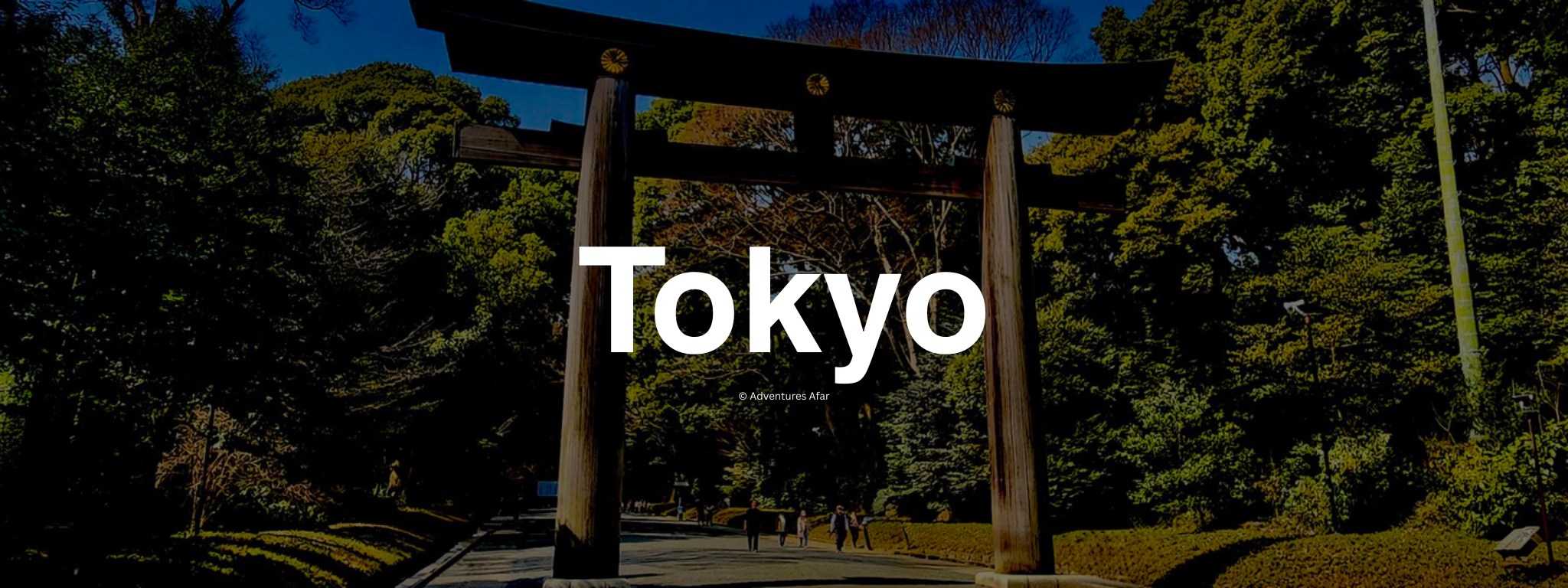
Flowering Gardens and Imperial Grandeur
Tokyo is a city of distinct contrasts where ancient traditions sit alongside modern innovation. Beyond the bright lights of Shibuya, you will find expansive green spaces and sacred sites that offer a quieter perspective on the capital. Exploring the city allows you to discover these pockets of calm, from the fortified moats of the former Edo Castle to the incense-filled courtyards of historic temples. Whether you visit during the cherry blossom season or for the vivid colours of autumn, Tokyo is a lesson in urban harmony and cultural preservation.
This Adventures Afar guide contains affiliate links. If you book through these, we may earn a commission at no extra cost to you.
Unmissable Highlights
-
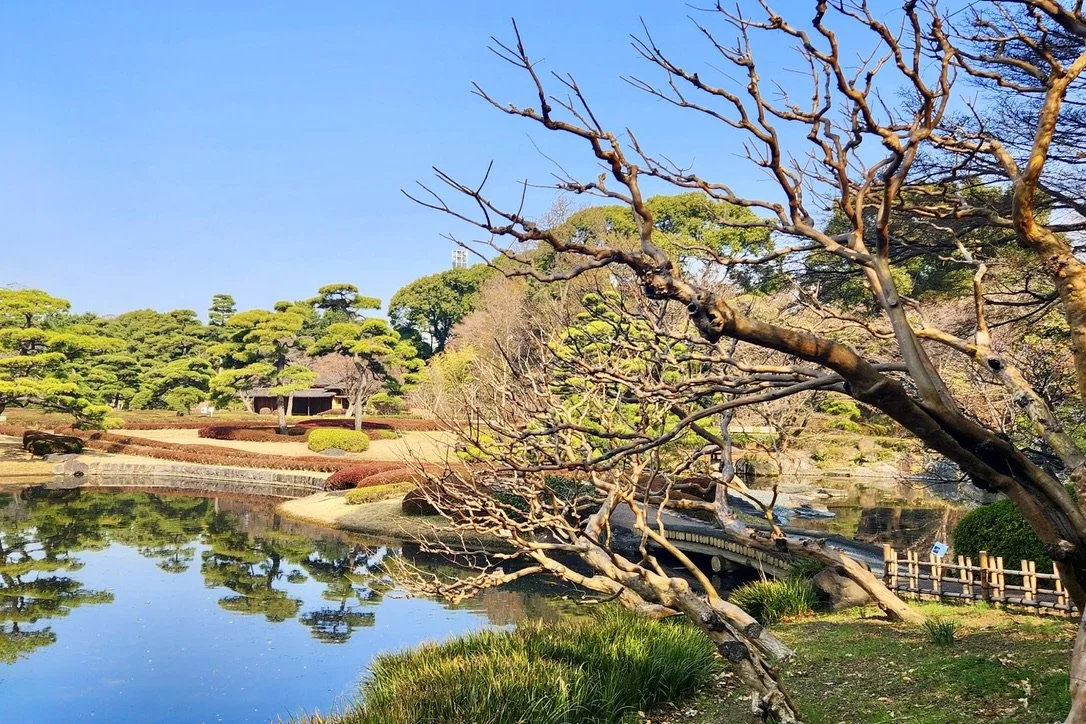
The Imperial Palace
The Imperial Palace serves as the spiritual and historical heart of the city, built upon the foundation of the original Edo Castle. Once the seat of the Tokugawa shogunate, this sprawling estate is now the primary residence of the Emperor of Japan. While the inner grounds are generally private, the East Gardens offer a public escape featuring massive stone walls and historic moats. Strolling through the manicured lawns provides a sense of the scale of old Tokyo, where the architectural heritage of the samurai era now meets the modern skyline of the Marunouchi district.
Did You Know? The palace grounds are located on some of the most expensive real estate on Earth. During the Japanese asset price bubble in the late 1980s, the palace land was famously valued at more than all the real estate in California.
-
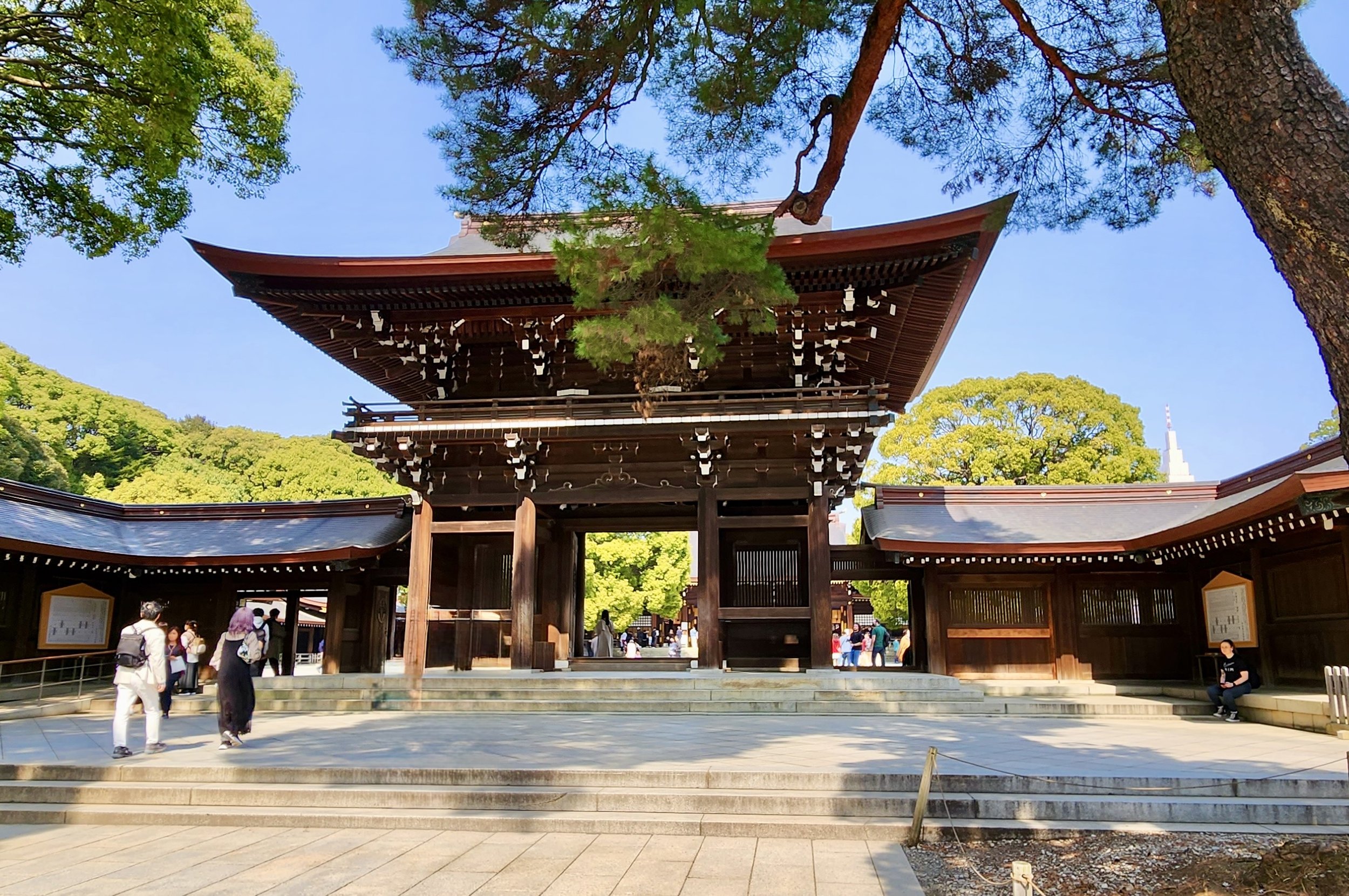
Yoyogi Park
Yoyogi Park is one of Tokyo’s most expansive recreational spaces, famous for its lively atmosphere and the serene Meiji Jingu shrine nestled within its forested borders. Dedicated to Emperor Meiji and Empress Shoken, the shrine is accessed by passing under a large Otorii gate, a towering structure crafted from centuries-old cypress. This entrance marks the transition from the energetic city to a sacred woodland containing over 100,000 trees. It is a vital sanctuary for locals seeking a quiet moment of reflection or a weekend walk beneath the dense canopy.
Did You Know? The massive Otorii gate at the entrance of Meiji Jingu is one of the largest in Japan. It was constructed using 1,500-year-old cypress wood sourced from Mount Ali in Taiwan to ensure its monumental scale and durability.
-
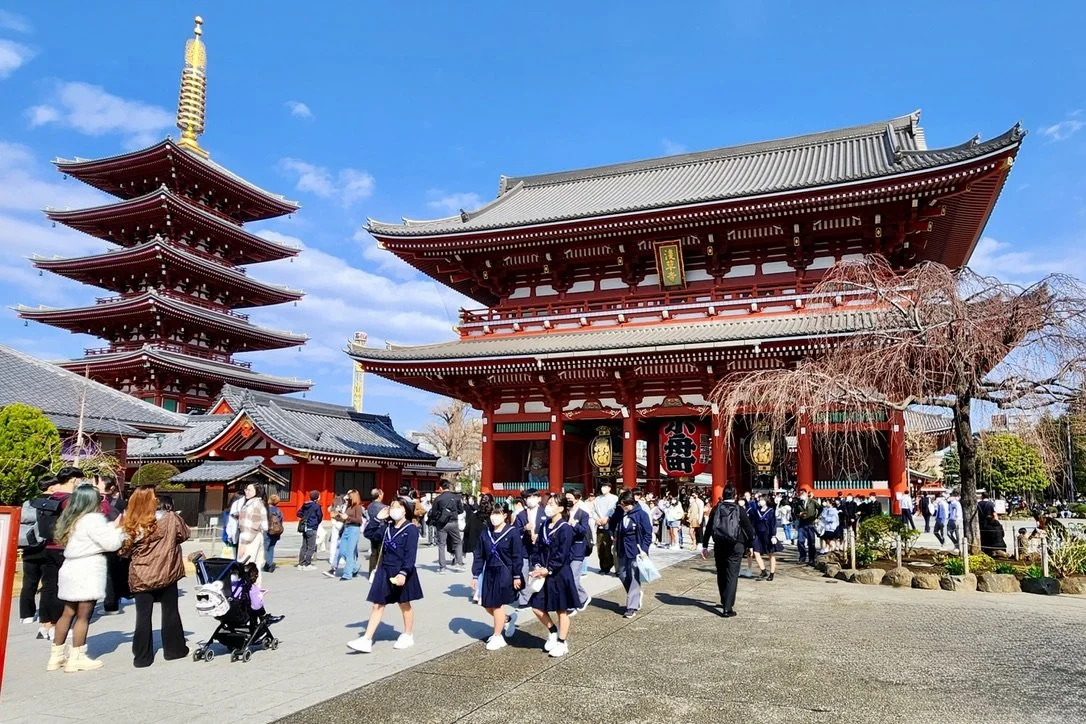
Senso-ji
Located in the historic Asakusa district, Senso-ji is the oldest Buddhist temple in Tokyo, with a history stretching back to the year 645. Visitors enter through the Kaminarimon, or Thunder Gate, which houses a massive red paper lantern. From here, the Nakamise-dori shopping street leads towards the main hall, offering traditional snacks and handmade crafts. The temple complex, featuring a striking five-storey pagoda, remains a vibrant centre for Japanese tradition. The air here is often thick with the scent of incense from the large bronze burner, where worshippers gather for good health.
Did You Know? Senso-ji has stood as a place of worship for nearly 1,400 years. Legend says it was founded after two brothers fished a golden statue of Kannon, the goddess of mercy, out of the nearby Sumida River.
-
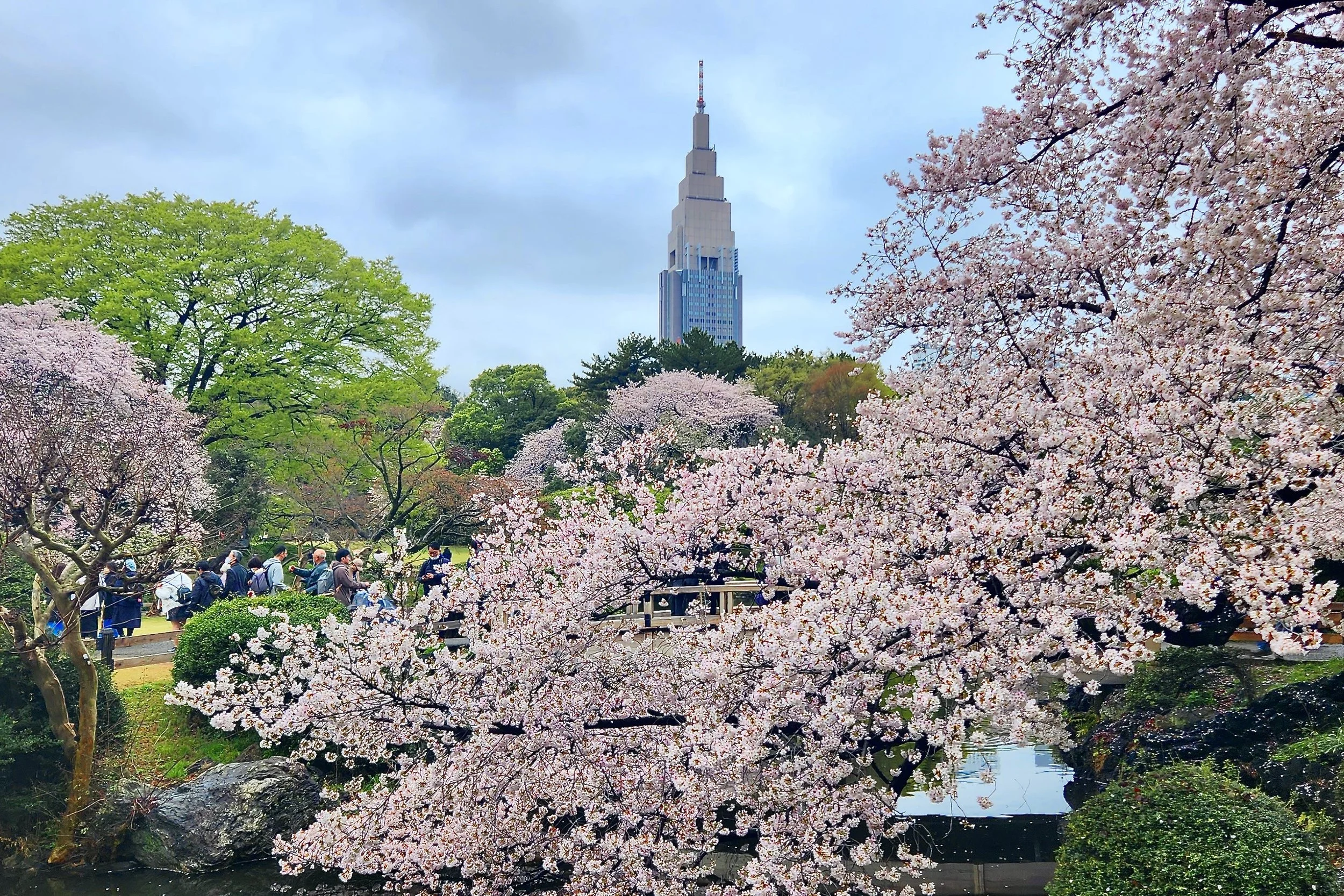
Shinjuku Gyoen
Shinjuku Gyoen National Garden is a masterpiece of landscape design, seamlessly blending Japanese Traditional, English Landscape, and French Formal styles. Spanning 144 acres, it provides a sophisticated retreat from the nearby skyscrapers of Shinjuku. The garden is widely considered the premier location for cherry blossom viewing in the city, home to over 1,000 cherry trees that bloom at slightly different times throughout the spring. Its expansive lawns, tranquil teahouses, and elegant reflection ponds make it an essential stop for nature lovers and photographers seeking the perfect hanami experience.
Did You Know? While many parks in Tokyo focus on a single cherry variety, Shinjuku Gyoen features over a dozen different types. This diversity extends the viewing season significantly, as the early-blooming and late-blooming trees create a longer window of pink petals.
Recommended
Multi-Day Itineraries
Put this guide into practice with these hand-picked small group journeys,
featuring both iconic landmarks and immersive cultural experiences.
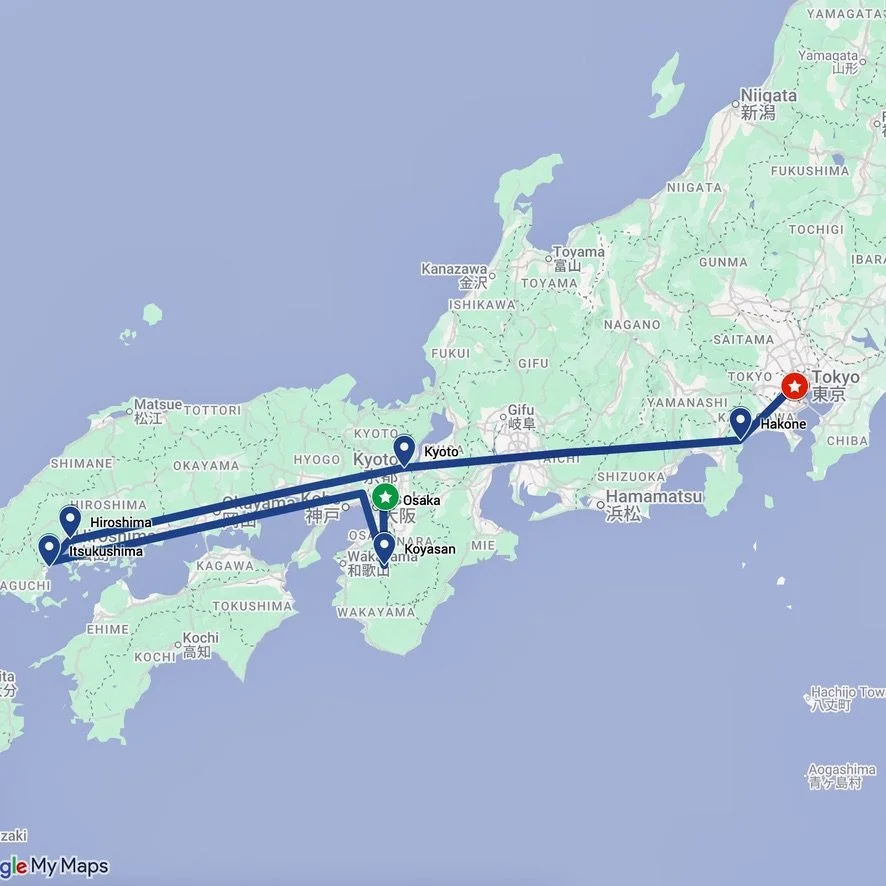
Discover the many faces of Japan, beginning in Osaka and ending in Tokyo. Visit the mountain temples of Koyasan, the historic streets of Kyoto, and the poignant sites of Hiroshima and Miyajima before witnessing Mount Fuji and the neon lights of Tokyo's vibrant districts.
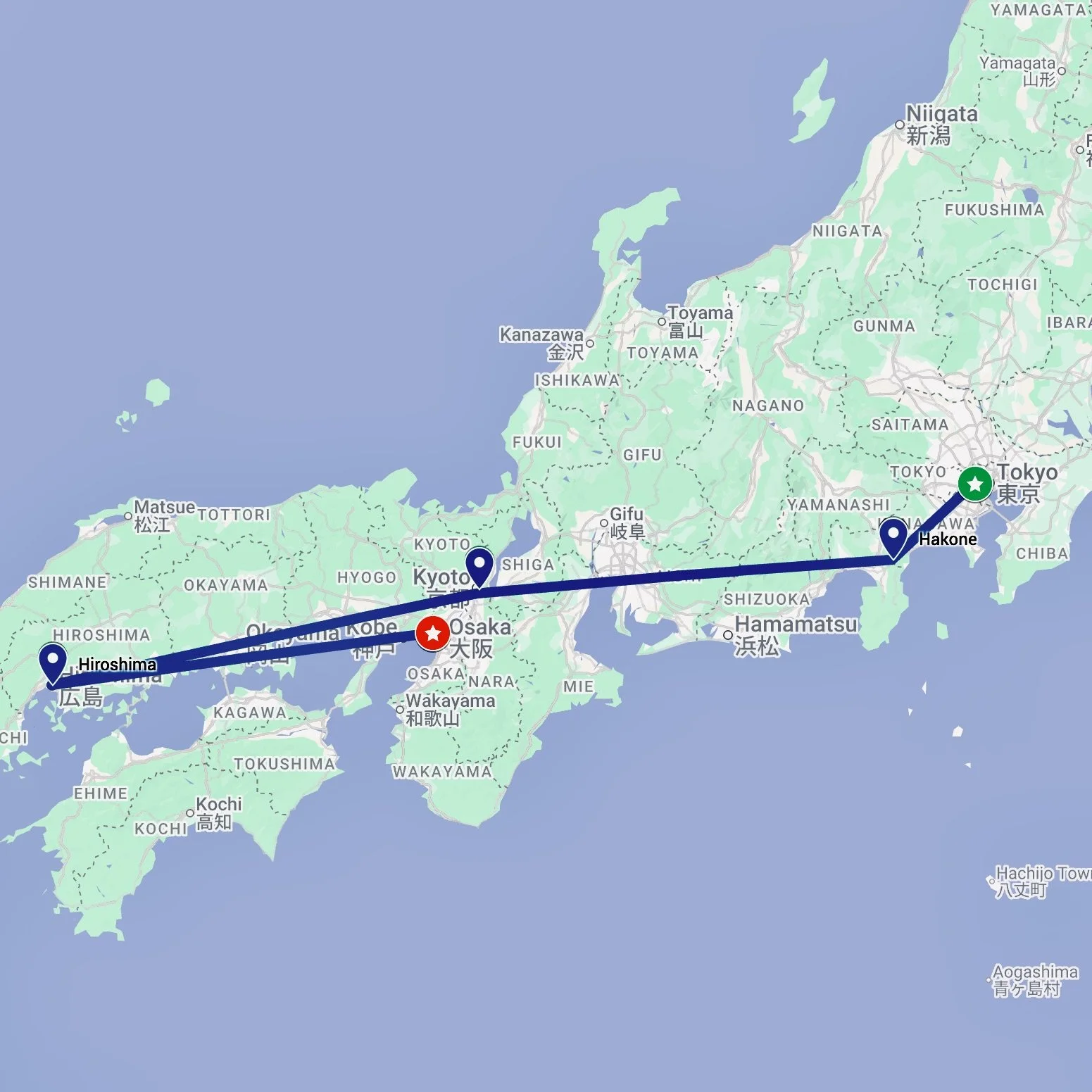
Immerse yourself in Japan’s living history, from Tokyo’s neon pulse to the quiet temples of Kyoto. Visit the samurai traditions of Hagi, the scenic beauty of Hakone and Mount Fuji, and the landmarks of Hiroshima and Osaka.
-
Tokyo is truly a year-round destination, but for the most comfortable weather and iconic scenery aim for spring or autumn. Late March to early April is the legendary cherry blossom season. It is a spectacular time to be in the city, with parks like Ueno and Shinjuku Gyoen turning into sea of pink, although you should be prepared for large crowds and higher hotel prices. If you prefer crisp air and vibrant red maples, late October through November is fantastic. The weather is stable and pleasant, making it ideal for long days of walking.
There are a few dates you might want to avoid to bypass the heaviest domestic crowds. Golden Week, which usually runs from 29 April to 5 May, is a string of public holidays where the whole country seems to travel at once. Trains and attractions become incredibly busy. Similarly, the New Year period from 29 December to 3 January sees many shops and restaurants close, and the Obon festival in mid-August can make long-distance travel quite a squeeze. Summer brings high humidity and rainfall, although the spectacular fireworks festivals in July and August are a brilliant cultural trade-off if you don’t mind the heat.
-
Most visitors spend two or three days in Tokyo, which is just enough to tick off the major landmarks like Senso-ji, the Shibuya Crossing, and the Imperial Palace. However, if you really want to satisfy your curiosity, staying four or more days is far more rewarding. Taking your time allows you to move away from the frantic pace of the main tourist hubs and see how the city actually functions.
A longer stay gives you the freedom to explore lesser-known neighbourhoods like Yanaka, with its old-world "Low City" charm, or Shimokitazawa, famous for vintage shops and a relaxed bohemian vibe. It also means you can take sustainable day trips to places like Mount Takao or Kamakura using the excellent rail network, rather than rushing through the city in a blur. By slowing down, you get a much better feel for the local life and the small, quiet details that make Tokyo so special.
-
Tokyo is consistently ranked as one of the safest cities in the world, but it is always wise to check your government's local travel advisory for the most recent updates before you fly. While violent crime is extremely rare, petty theft and minor scams can occur, particularly in nightlife districts like Roppongi and Kabukicho. A common trap involves "touts" who approach you on the street promising cheap drinks or "no cover charge" at bars, only for you to be hit with an enormous bill later.
Common sense goes a long way here. It is best to avoid drinking in excess and to always keep an eye on your belongings in crowded areas. Breaking local laws, including those related to drugs or public disturbance, carries very heavy penalties, so it is important to stay on the right side of the rules.
Lastly, ensure you have a comprehensive travel insurance policy. Even in a safe city, unexpected medical issues or travel disruptions can happen, and having that backup provides peace of mind while you explore.
For more practical tips and expert advice on staying safe during your trip, visit our dedicated page on Travel Safety.
-
Japanese culture places a high value on respect and social harmony, so being mindful of etiquette is appreciated. When visiting religious sites like Shinto shrines or Buddhist temples, everyone should dress modestly. This generally means keeping shoulders and knees covered. Avoiding very short skirts, sleeveless tops, or overly revealing clothing shows respect for the sacred nature of these spaces. It is also standard to remove your hat when entering temple buildings or paying respects.
If you are lucky enough to be invited into someone’s home, or even when visiting certain traditional restaurants and guesthouses (ryokan), you must remove your shoes at the entrance. There is usually a raised floor or a dedicated mat (genkan) where you leave your outdoor footwear. It is a good idea to always wear clean, hole-free socks for this reason!
To follow local social norms and blend in with the polite atmosphere, keep your voice down on public transport and avoid eating while walking. You will also find few rubbish bins in the city, as people are expected to take their waste home with them.
-
Comfortable walking shoes are the single most important item for Tokyo, as you will likely be clocking up thousands of steps every day. As you will be taking your shoes off frequently at temples and some restaurants, opt for pairs that are easy to slip on and off.
In terms of clothing, the Japanese style tends to be neat and conservative. While you don't need to be formal, packing smart-casual layers is a good move. In the hot and humid summer months, light, breathable fabrics are essential but remember to keep a light cardigan or jumper handy for the aggressive air conditioning indoors. If you are visiting in winter, particularly from December to February, it gets quite chilly, so bring a warm coat, gloves, and a scarf. June and September are the wettest months, so a sturdy umbrella or a waterproof jacket will be needed.
For those planning to visit traditional onsen (hot springs), keep in mind that swimwear is usually not allowed in the communal baths, which are traditionally enjoyed nude. However, if you are heading to a water park or beach, standard swimwear is perfectly fine.
-
Tokyo is a global food capital with everything from Michelin-starred sushi to humble street snacks. The Shinjuku district is a fantastic place to try a bowl of authentic ramen, as it is packed with tiny shops each boasting their own secret broth recipe. For the freshest seafood, head to the Tsukiji Outer Market. Even though the famous wholesale auction moved to Toyosu, the streets around the original site are still buzzing with stalls serving incredible nigiri and kaisendon (seafood bowls).
For a unique Tokyo experience, try monjayaki in the Tsukishima district. It is a savoury, slightly runny pancake cooked on a hot plate right in front of you and is a popular local comfort food. If you want to eat like a Tokyoite after work, find a yokocho (narrow alleyway) such as Omoide Yokocho in Shinjuku. These alleys are lined with small stalls serving yakitori (grilled chicken skewers). These spots are vital to the local community as social hubs where people unwind, and they offer a wonderfully atmospheric, unpretentious dining experience.
Essential Insights
-
Most international travellers arrive via Narita International Airport (NRT) or Haneda Airport (HND). Haneda is much closer to the city centre, making it a very convenient choice. Both airports are exceptionally well-connected to the city by rail. From Narita, the Narita Express (N'EX) is a fast and comfortable limited express train that links directly to major hubs like Tokyo Station, Shinjuku, and Shibuya. From Haneda, you can take the Tokyo Monorail or the Keikyu Line for a quick trip into the heart of the city.
If you are arriving from other Japanese cities, the Shinkansen (bullet train) is the most efficient way to travel. High-speed trains arrive at Tokyo Station or Shinagawa Station from destinations like Kyoto and Hiroshima. Taking the train is often faster than flying when you factor in travel time to airports and security checks, and it is a far more sustainable way to see the country. Major bus terminals, such as the Busta Shinjuku, also service long-distance "highway buses" which are a great budget-friendly alternative.
-
The best way to navigate Tokyo is its world-class public transport system. The network of subways and JR trains is incredibly efficient and covers almost every corner of the city. To pay for your fares, pick up a rechargeable IC card like Suica or Pasmo. You simply tap the card at the ticket gates, and the fare is automatically deducted. These cards also work on buses and can even be used to buy drinks from the ubiquitous vending machines. Many subway lines offer women-only carriages during the morning rush hour.
While Tokyo is vast, many areas are surprisingly pedestrian-friendly. Staying in central areas like Shinjuku, Shibuya, or Ginza allows you to explore many attractions on foot. For longer distances, ride-sharing apps like Uber operate in Tokyo, but they primarily hail licensed taxis rather than private cars. Taxis are safe and exceptionally clean, however, they can be expensive for long trips.
-
Having a reliable data connection is essential for using maps and translation apps in Tokyo. While you can buy physical local SIM cards at the airport, eSIMs have become the most convenient option for most modern travellers. They allow you to get connected almost as soon as you land without having to fuss around with tiny pieces of plastic or searching for a paperclip.
An eSIM option like Ohayu is a great choice for staying online while you explore. Using an eSIM means you can keep your home SIM in your phone to receive important texts while using the digital SIM for all your heavy data needs like Google Maps and social media. This is generally more cost-effective than using international roaming, which can lead to nasty surprises on your bill when you return home.
-
While Japan has a reputation for being a cash-based society, things are changing quickly in Tokyo. Credit cards like Visa, Mastercard, and Amex are now widely accepted in department stores, hotels, and most restaurants. However, you will still find many smaller independent shops, temples, and older eateries that only take cash. It is a good idea to always keep some yen in your wallet for these moments.
ATMs are very easy to find, especially inside convenience stores like 7-Eleven, Lawson, and FamilyMart, which usually accept international cards and have English menus. While mobile payments via QR codes are becoming more common for locals, visitors usually find that tapping an IC card or using a physical credit card is more reliable. Carrying some USD or EUR is a sensible backup, but you will get the best rates by simply withdrawing Japanese Yen from a local ATM rather than using exchange desks.
-
English proficiency in Tokyo is generally higher than in rural areas of Japan, but it can still vary quite a bit. In major tourist areas, hotels, and large department stores, you will usually find staff who speak decent English. Most signs in the subway and at major attractions are written in both Japanese and English, which makes navigating the city relatively straightforward for English speakers.
However, in smaller local restaurants or suburban shops, spoken English might be very limited. Most menus in tourist-friendly areas have photos, which helps immensely, but it is a great idea to download a language translator app onto your phone before you arrive. Using an app to translate text on packaging or to facilitate a basic conversation with a shopkeeper is incredibly helpful. Learning a few basic phrases like "Sumimasen" (Excuse me) and "Arigatou" (Thank you) will also go a long way in making your interactions more pleasant.
-
Yes, the tap water in Tokyo is completely safe to drink. The city has incredibly high water quality standards that often exceed international requirements, so you can refill your bottle from the tap in your hotel or at public fountains without any worries. This is not only safe but also the most responsible choice for the environment.
To help reduce the use of one-time-use plastics, it is a great idea to bring a reusable water bottle with you. While you don't need a filtered bottle for safety, some people prefer them if they are sensitive to the slight taste of chlorine. Choosing accommodation that offers free water refill stations in the lobby is another great way to stay hydrated sustainably. Given the thousands of vending machines selling plastic bottled drinks on every corner, using your own bottle is a small but impactful way to travel more consciously in this massive metropolis.