

Sunlit Waterways and Vibrant Hillsides
Known as the Land of Sunshine, Okayama offers a serene escape from Japan’s larger metropolises. This city of water is defined by scenic canals and the Asahi River, which mirrors the striking black facade of the 16th-century Crow Castle, also known as Okayama Castle. Beside the riverbank, Korakuen Garden provides a premier example of Edo-period landscaping with its sweeping lawns and winding streams. For panoramic urban vistas, the hillside trails of Handayama Botanical Garden reveal groves of camellia and cherry trees. Visitors to this understated hub discover authentic samurai architecture and seasonal flavours, including fresh white peaches and regional sushi.
This Adventures Afar guide contains affiliate links. If you book through these, we may earn a commission at no extra cost to you.
Unmissable Highlights
-
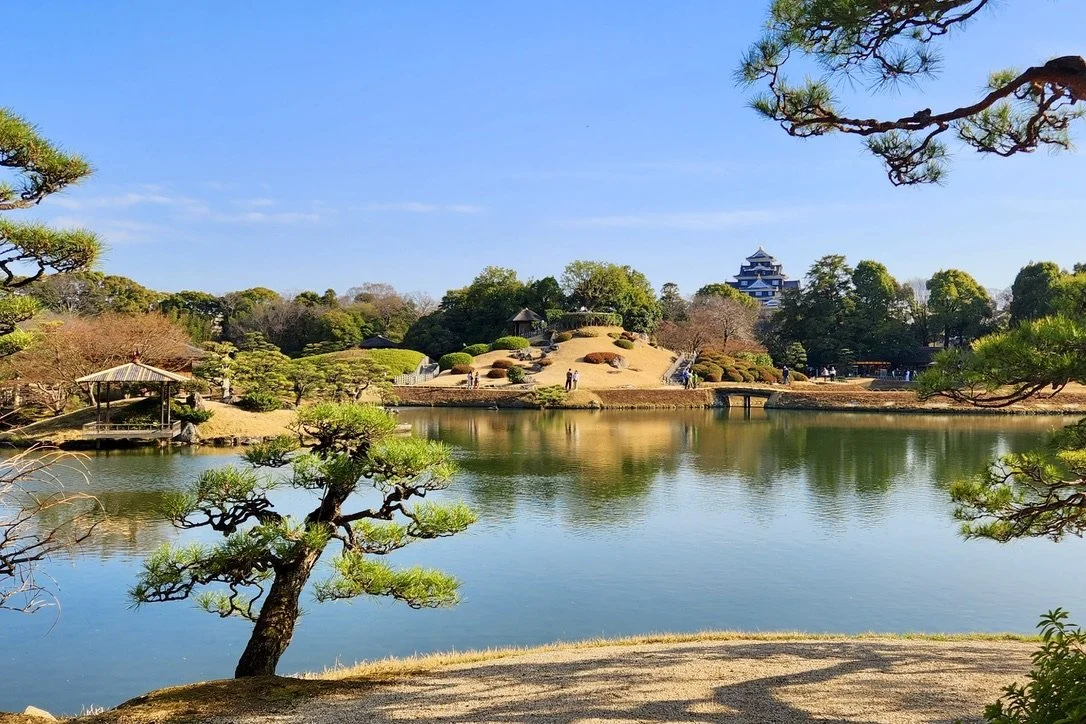
Okayama Korakuen
Okayama Korakuen is celebrated as one of Japan’s three premier landscape gardens, a status it has held for centuries. Completed in 1700 by Lord Ikeda Tsunamasa, the garden remains remarkably faithful to its original Edo-period design. Unlike many Japanese gardens that favour dense foliage, Korakuen is famous for its wide, sweeping lawns and the unique way it incorporates the surrounding scenery, including Okayama Castle, as a "borrowed" backdrop. Visitors can wander through tea plantations and plum groves, as well as along winding streams that are still fed by the city's ancient irrigation system.
Did You Know? To keep the garden’s expansive lawns looking pristine during the Edo period, the ruling lords used the space for rice paddies and even a crane aviary. A small population of protected red-crowned cranes is still kept and released here on special occasions.
-
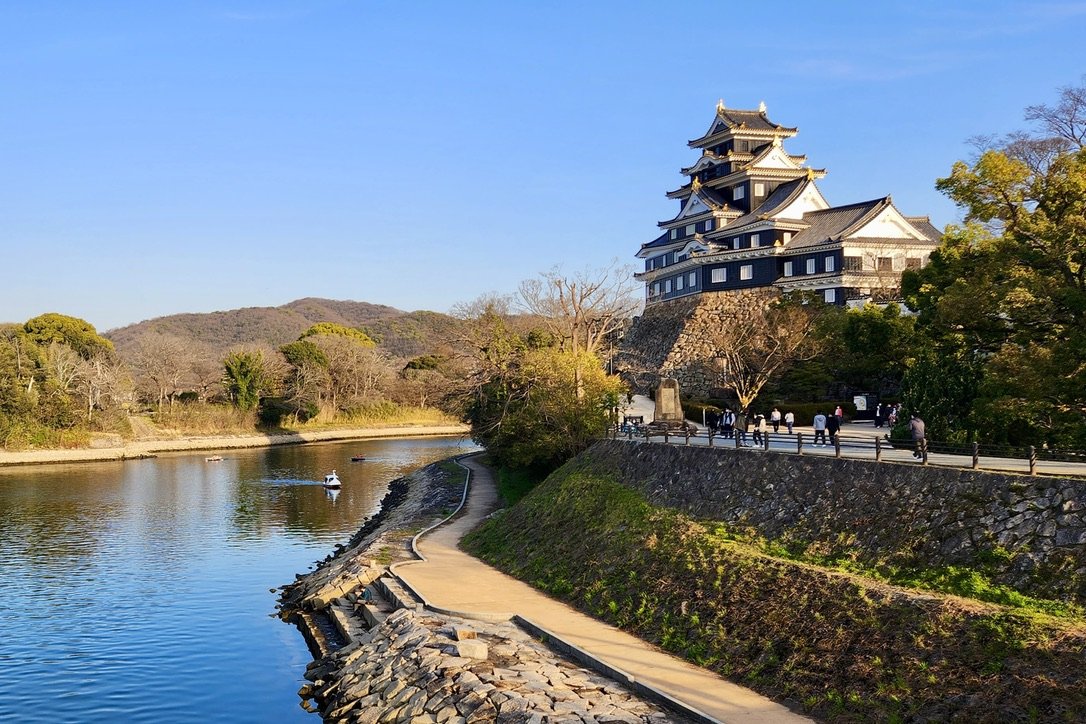
Okayama Castle
Known as "Crow Castle" due to its rare and striking black exterior, Okayama Castle stands as a powerful symbol of the city's samurai past. Originally built in 1597, its dark lacquer boards were a deliberate contrast to the white "Heron Castle" of nearby Himeji. While much of the structure was rebuilt after the war, the Tsukimi Yagura, or "moon viewing turret," is an original survivor from 1620. Inside, the keep houses a modern museum where you can try on traditional kimono or attempt the local craft of Bizen pottery, all while enjoying views over the Asahi River.
Did You Know? The main keep has an unusual pentagonal shape that is rarely seen in Japanese castle architecture. This design was not just for aesthetics but was a strategic choice intended to provide better defensive viewing angles and structural stability against the elements.
-
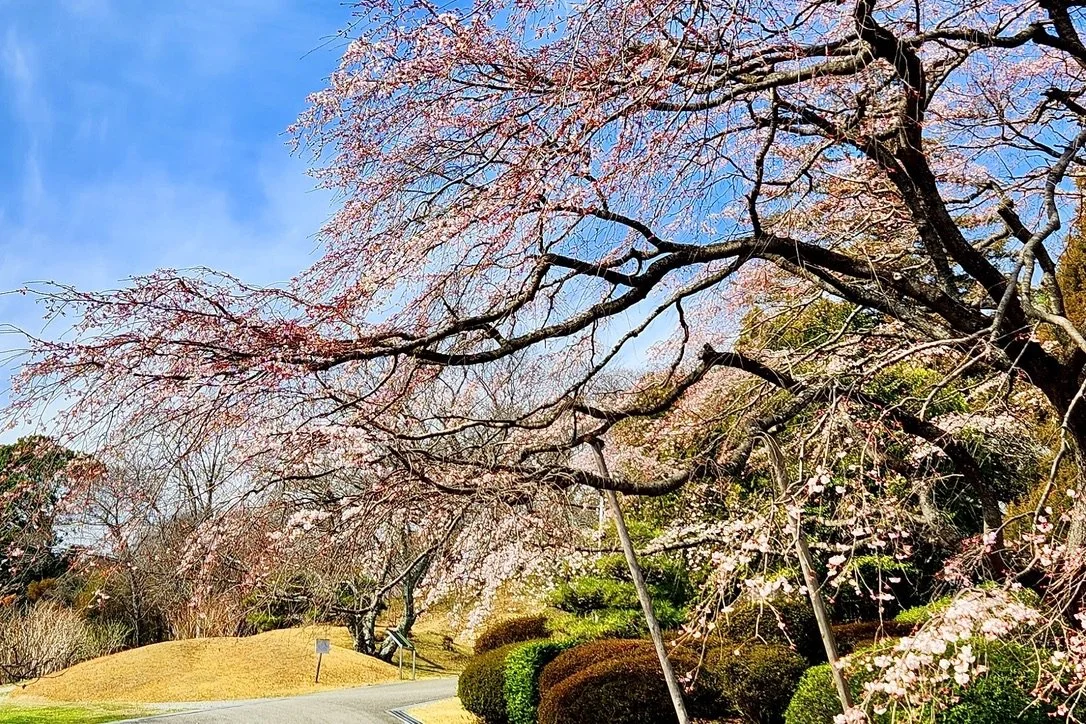
Handayama Botanical Garden
Perched on a hillside overlooking the city, the Handayama Botanical Garden offers some of the most spectacular panoramic views in the region. This sprawling hilltop sanctuary is home to over 3,000 plant species, providing a changing tapestry of colour throughout the seasons. It is particularly enchanting in late March when roughly 1,000 cherry trees transform the slopes into a sea of pink. Because it is slightly removed from the main tourist trail, it remains a tranquil spot where you can explore camellia groves and traditional rock gardens without the usual city crowds.
Did You Know? The garden sits on a steep slope ranging from 10 to 85 metres in altitude. Its unique topography means that different varieties of cherry blossoms bloom at slightly different times, significantly extending the viewing season compared to flatter parks in the city centre.
Recommended
Multi-Day Itineraries
Put this guide into practice with these hand-picked small group journeys,
featuring both iconic landmarks and immersive cultural experiences.
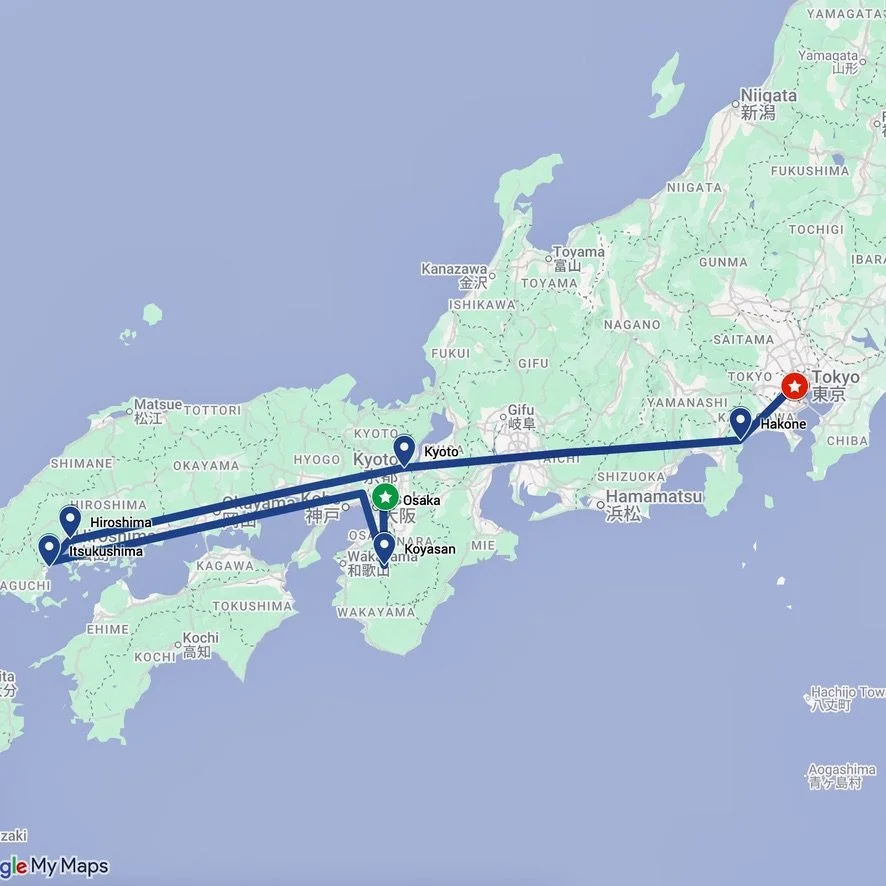
Discover the many faces of Japan, beginning in Osaka and ending in Tokyo. Visit the mountain temples of Koyasan, the historic streets of Kyoto, and the poignant sites of Hiroshima and Miyajima before witnessing Mount Fuji and the neon lights of Tokyo's vibrant districts.
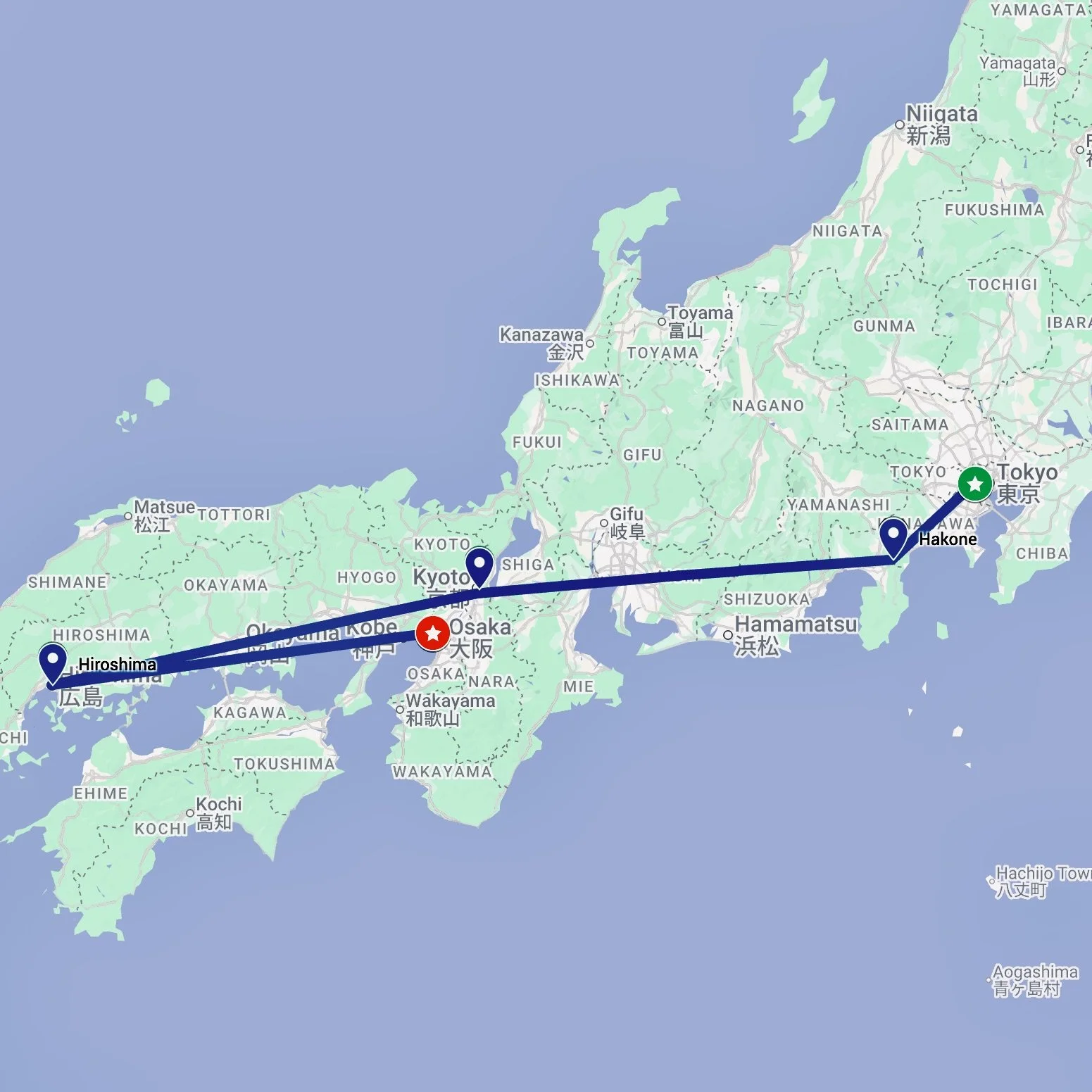
Immerse yourself in Japan’s living history, from Tokyo’s neon pulse to the quiet temples of Kyoto. Visit the samurai traditions of Hagi, the scenic beauty of Hakone and Mount Fuji, and the landmarks of Hiroshima and Osaka.
-
Okayama is famously known as the "Land of Sunshine", making it one of the more reliable destinations for good weather in Japan. To see the city at its most picturesque, aim for late March to mid-April. This is when the cherry blossoms peak, particularly along the Asahi River and at the Handayama Botanical Garden. If you prefer the fiery tones of autumn, November is spectacular. The weather is crisp and stable, perfect for wandering through Korakuen Garden when the maple leaves turn a brilliant red.
It is worth noting that certain times of year can be exceptionally busy. Golden Week, which falls between late April and early May, sees a massive surge in domestic travel. Trains and hotels are often booked out months in advance, and the popular sights become quite crowded. Mid-August is another time to consider avoiding due to the Obon festival, when many families travel to their hometowns. If you want to enjoy the sunshine without the humidity or the crowds, the periods of May after Golden Week and the month of October are often considered the sweet spots for a visit.
-
While many people treat Okayama as a quick stop between Hiroshima and Osaka or Kyoto, this city rewards those who stay longer. You can certainly see the main hits like Okayama Castle and Korakuen Garden in a single day, but rushing through ignores the city's real appeal. A stay of two to four days is more ideal. This length of time allows you to move beyond the main gates and discover the charming backstreets of the city or spend a slow afternoon exploring the nearby Kibiji district by bicycle.
Staying longer also makes it much easier to visit the historic canal area of Kurashiki or take a ferry out to the art islands of the Seto Inland Sea without feeling like you are on a clock. Taking several days to explore helps you connect with the local atmosphere and supports a more responsible way of travelling. By slowing down, you contribute more to the local economy and get a genuine sense of the quiet, sun-drenched life that defines this part of Japan.
-
Okayama is an incredibly safe destination, reflecting Japan’s overall low crime rates. However, it is always a sensible habit to check your government's travel advisory before you set off for the most up-to-date information. While you are unlikely to encounter any trouble, such as petty theft, it is still wise to keep an eye on your belongings in busy areas like Okayama Station.
In terms of local safety, be mindful when enjoying the nightlife. While Okayama is much quieter than Tokyo, it is always best to avoid drinking in excess and to stay aware of your surroundings. Most "scams" in Japan are concentrated in the massive entertainment districts of much larger cities but keeping a level head and not breaking local laws is the best way to ensure a smooth trip.
Always make sure you have a comprehensive travel insurance policy in place. Even in the safest cities, having coverage for medical emergencies or travel delays is a fundamental part of a stress-free journey.
For more practical tips and expert advice on staying safe during your trip, visit our dedicated page on Travel Safety.
-
Japanese social norms are built on mutual respect, and following a few simple guidelines will help you feel right at home. When you are sightseeing or walking through the city, smart-casual attire is usually the best choice. Japan tends to be quite modest, so when visiting religious monuments like shrines and temples, it is respectful for everyone to ensure their shoulders and knees are covered. This isn't strictly enforced, but it is a kind way to show you value the local traditions and the sacred nature of these sites.
If you are invited into a local home or even certain traditional restaurants, you will be expected to remove your shoes at the entrance. Because of this, always make sure you are wearing clean, presentable socks.
Keeping your voice low on public transport and avoiding eating while walking are small gestures that the local population will appreciate. It is all about maintaining the calm and orderly environment that makes Japanese cities so pleasant to visit.
-
Since you will be doing a fair amount of walking, especially around the massive grounds of Korakuen, comfortable shoes are a must. Choose a pair that is easy to slip on and off, as you will be leaving them at the door of temples, and traditional guesthouses. In terms of clothing, think in layers. Okayama is sunny, but the temperature can drop quickly once the sun goes down, especially in the spring and autumn.
If you are visiting in the winter, bring a proper coat and thermals, as the wind off the Seto Inland Sea can feel quite sharp. For those visiting during the rainy month of June or the typhoon season in September, a sturdy umbrella or high-quality wet weather gear is essential. If you plan to visit a public bath or onsen, remember that these are usually enjoyed without swimwear, though you should bring a small towel for modesty while moving around the facility.
-
Okayama is a paradise for food lovers, particularly if you enjoy fresh, seasonal produce. One dish you absolutely must try is barazushi. This is a colourful, scattered sushi bowl that originally grew out of Edo-period laws that restricted people to only one side dish. In a clever move, locals hid high-quality seafood and vegetables beneath a layer of rice to get around the rules. It’s a wonderful example of local history on a plate, featuring ingredients fresh from the Seto Inland Sea like eel and small shrimp.
The region is also famous for its fruit, specifically white peaches and Muscat grapes. In the summer, you will see peach-themed desserts everywhere, and they are a massive point of pride for the community. For something more savoury, look for Demi-Katsu Don, which is a crispy pork cutlet served over rice with a rich, dark demi-glace sauce. The streets around Okayama Station are packed with izakayas where you can try these local specialities, giving you a delicious insight into the flavours that the people of Okayama have cherished for generations.
Essential Insights
-
Getting to Okayama is incredibly straightforward thanks to its position as a major transport hub. Most people arrive via the Shinkansen (bullet train) at Okayama Station, which sits on the Sanyo Line. It is a key stop for the fastest Nozomi and Mizuho trains, meaning you can get here from Kyoto in about an hour, Hiroshima in thirty minutes, or from Tokyo in just over three hours. This high-speed rail link is much faster and more sustainable than flying when travelling from city centre to city centre.
However, for those flying in, Okayama Momotaro Airport (OKJ) services domestic flights and some international routes from nearby Asian hubs. From the airport, there are frequent buses that take about 30 minutes to reach the central station. If you are coming from the islands or Shikoku, you might arrive via ferry or the Great Seto Bridge.
-
Okayama is a very accessible city, and much of the centre is flat and pedestrian-friendly. The walk from the East Exit of Okayama Station down the main boulevard to the castle and garden is very pleasant and takes about 25 minutes. If you want to save your legs, the city has a charming tram system. There are two lines that depart from right in front of the station, which are inexpensive and easy to use. You can pay with an IC card like Suica, Pasmo, or the local ICOCA card. Simply tap when you get on and off.
Local buses are also plentiful and cover the areas the trams don't reach, such as the Handayama Botanical Garden. While ride-sharing apps like Uber are available, they mainly act as a way to hail standard local taxis, which are reliable but can be pricey.
For a truly local experience, renting a bicycle is a fantastic way to see the city at your own pace. There are several rental spots near the station, and the "Kibi Plain" cycle route is a world-class path that takes you through ancient burial mounds and rural temples just outside the city centre.
-
Staying connected is vital for navigating the city’s bus routes and looking up restaurant menus. While you can find physical SIM cards at major electronics stores, an eSIM is generally the most convenient and modern choice. It saves you the hassle of swapping out your physical card and allows you to keep your home number active for important messages.
A reliable eSIM choice for travellers in Japan is Ohayu. It offers high-speed data and different plan lengths to suit however long you decide to stay. Setting it up is usually a matter of scanning a QR code before you even leave home, meaning you’ll have a working map the moment you step off the train at Okayama Station. This is far more cost-effective than using your home provider's roaming service and ensures you can always find your way back to your hotel after a long day of exploring.
-
Japan is still more cash-heavy than many western countries, and Okayama is no exception. While major department stores, hotels, and the shops inside Okayama Station will happily accept Visa, Mastercard, and Amex, many smaller local shops and traditional restaurants still prefer cash. Always keep a few thousand yen on you for smaller purchases, bus fares, or temple entry fees.
ATMs are easy to find, particularly inside convenience stores like 7-Eleven, which are open 24/7 and have English menus. While mobile payment apps are very popular with locals, they can be difficult for tourists to set up. Relying on your credit card for larger bills and cash for everything else is the most reliable approach. While you can exchange USD or EUR at banks, it is often much simpler and offers better rates to just withdraw Yen directly from an ATM once you arrive.
-
In Okayama, English proficiency is generally lower than in Tokyo or Kyoto, but the city is still very easy to navigate. Most major signs at the train station and the main tourist attractions are written in both Japanese and English. In the big hotels and larger shops, you will usually find someone who can speak enough English to help you with the basics.
In smaller, more local spots, English menus are less common. However, the hospitality in Okayama is exceptionally warm, and people will often go out of their way to help you even if there is a language barrier. It is a wise idea to download a language translator onto your phone. Apps with a camera function are particularly useful for translating menus or signs on the fly. Learning a few polite words like "sumimasen" (Excuse me) will always be met with a smile and can make your interactions much more rewarding.
-
Yes, the tap water in Okayama is completely safe and meets very high quality standards. You can drink directly from the tap in your hotel or refill your bottle at public fountains throughout the city. The water is generally soft and has a neutral taste, though you might notice a very faint hint of chlorine as you would in many large cities.
Using the tap water is a fantastic way to be a more responsible traveller. By carrying a reusable water bottle, you help reduce the massive amount of plastic waste generated by the millions of bottled drinks sold in vending machines across Japan. If your accommodation doesn't have a dedicated refill station, don't hesitate to use the tap in your room. It is a safe, free, and eco-friendly way to stay hydrated while you are out enjoying the Okayama sunshine.