
Floating Shrines and Coastal Summits
The scarlet gate of Itsukushima Shrine defines the Miyajima island landscape, appearing to float upon the tide as a landmark of Japanese spirituality. Beyond the coastal architecture, a cable car ascends the slopes of Mount Misen, providing access to forested walking paths and epic views across the Seto Inland Sea. Visitors encounter wild deer roaming the waterfront while exploring the intricate woodwork of historic Buddhist temples nestled in the woods. Sampling local delicacies like grilled oysters and maple-shaped cakes provides a sensory connection to the local heritage.
This Adventures Afar guide contains affiliate links. If you book through these, we may earn a commission at no extra cost to you.
Unmissable Highlights
-
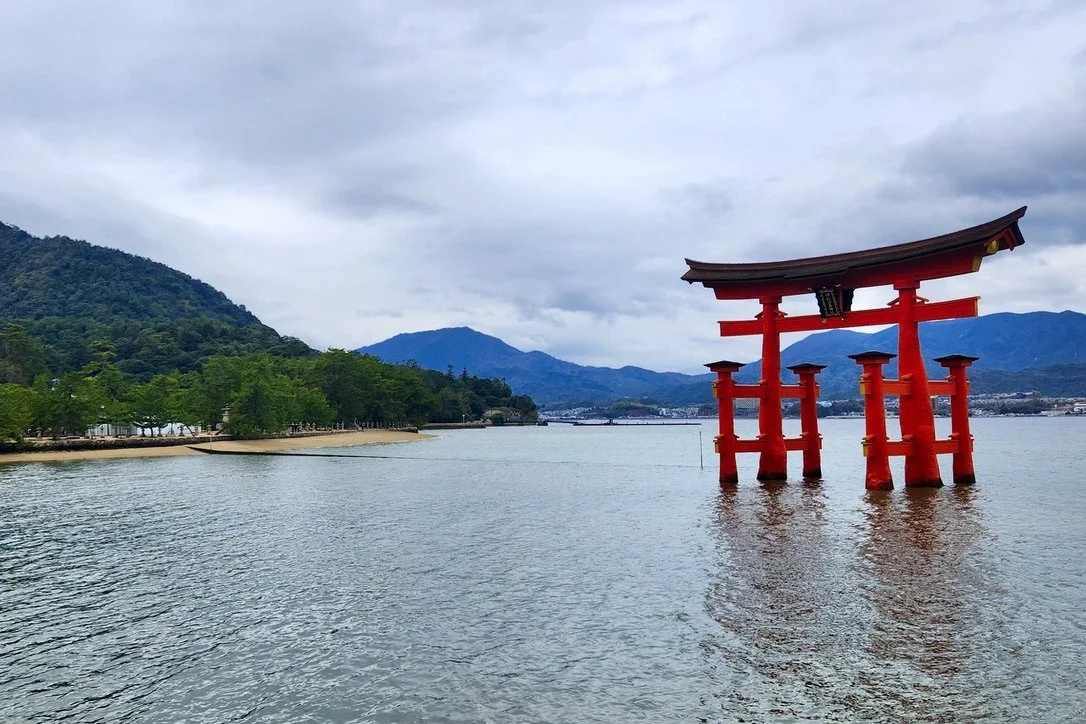
Miyajima Otorii Gate
Standing 16 metres tall in the waters of the Seto Inland Sea, the Otorii gate of Miyajima is one of Japan's most iconic views. This "floating" vermilion gate marks the entrance to the sacred island of Itsukushima. Crafted from decay-resistant camphor wood, the current structure dates back to 1875. At high tide, the gate appears to be floating on the waves, creating a mystical atmosphere that has drawn pilgrims for centuries. When the tide goes out, visitors can walk across the seabed to stand directly beneath the massive pillars and appreciate the gate's monumental scale.
Did You Know? The gate is not buried in the seabed, but actually stands on the sand by its own incredible weight. The hollow tops of the pillars are filled with seven tonnes of stones to provide stability against the tides and wind.
-
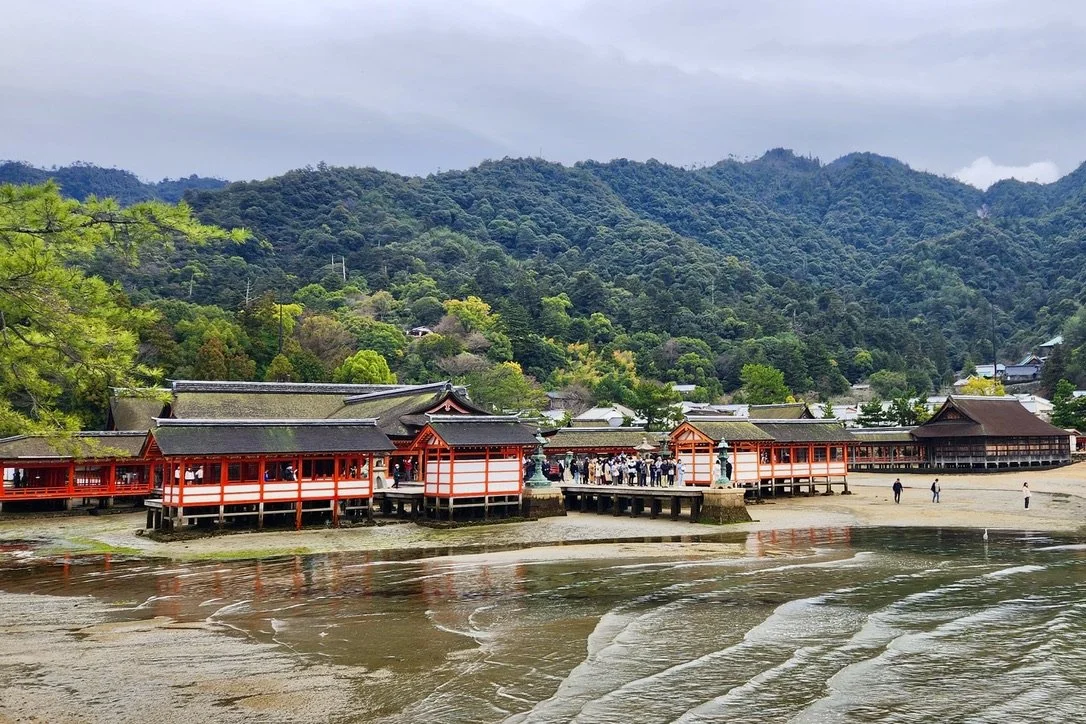
Itsukushima Shrine
Itsukushima Shrine is a masterpiece of Shinden-zukuri architecture and a celebrated UNESCO World Heritage site. Built on stilts over the sea to avoid treading on the sacred soil of the island, the shrine’s vermilion corridors and halls are connected by a network of wooden boardwalks. The complex includes a main hall, a prayer hall, and a unique "high stage" where traditional Gagaku court music and dances are still performed. This ingenious design ensures that at high tide, the entire shrine appears to be floating elegantly on the water, harmonising perfectly with the surrounding forest and sea.
Did You Know? Because the island was historically considered so sacred that no one could be born or die upon it, the shrine was built over the water so that pilgrims could visit without "polluting" the ground with their presence.
-
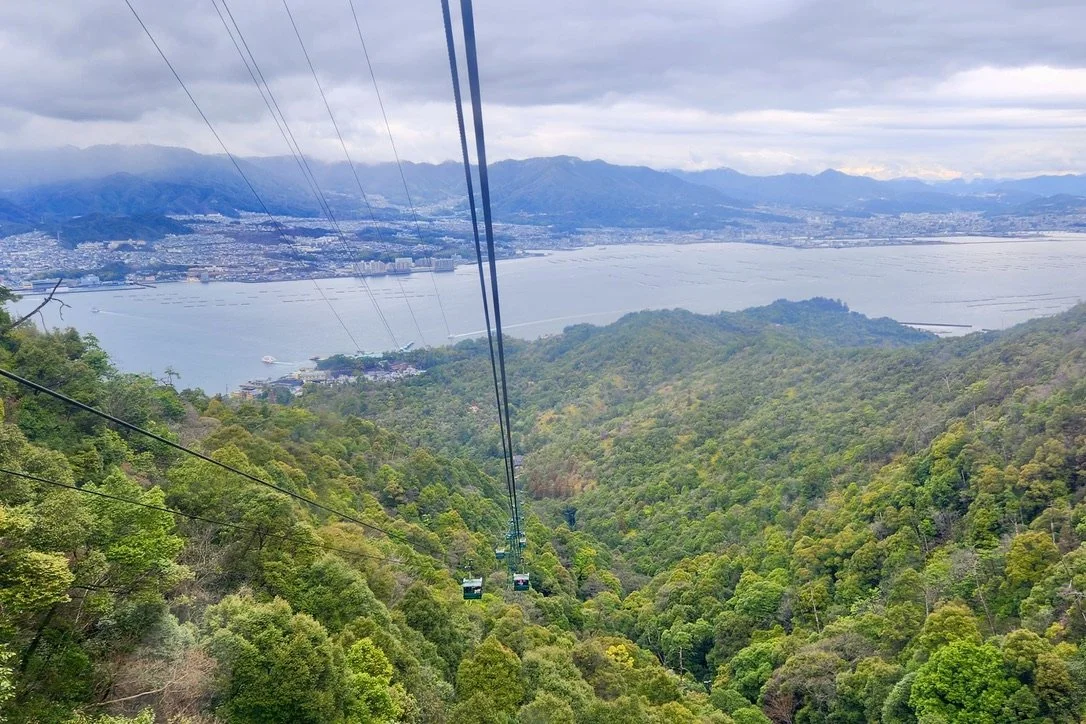
Miyajima Ropeway
The Miyajima Ropeway provides a scenic ascent up the slopes of Mount Misen, the highest peak on the island. The journey consists of two different cable car systems: a continuous loop that travels over the dense, ancient forest, followed by a larger shuttle gondola to the Shishiiwa Station. From the cabins, passengers can enjoy bird's-eye views of the Seto Inland Sea and its many small islands. It is the most comfortable way to reach the upper reaches of the mountain, where observatories and ancient Buddhist temples are hidden among the trees.
Did You Know? The ropeway uses two unique systems in series, the "circulating" type and the "funicular" type. This combination is quite rare in Japan and was specifically chosen to handle the steep and varied terrain of the sacred mountain.
-
Hiking Mount Misen
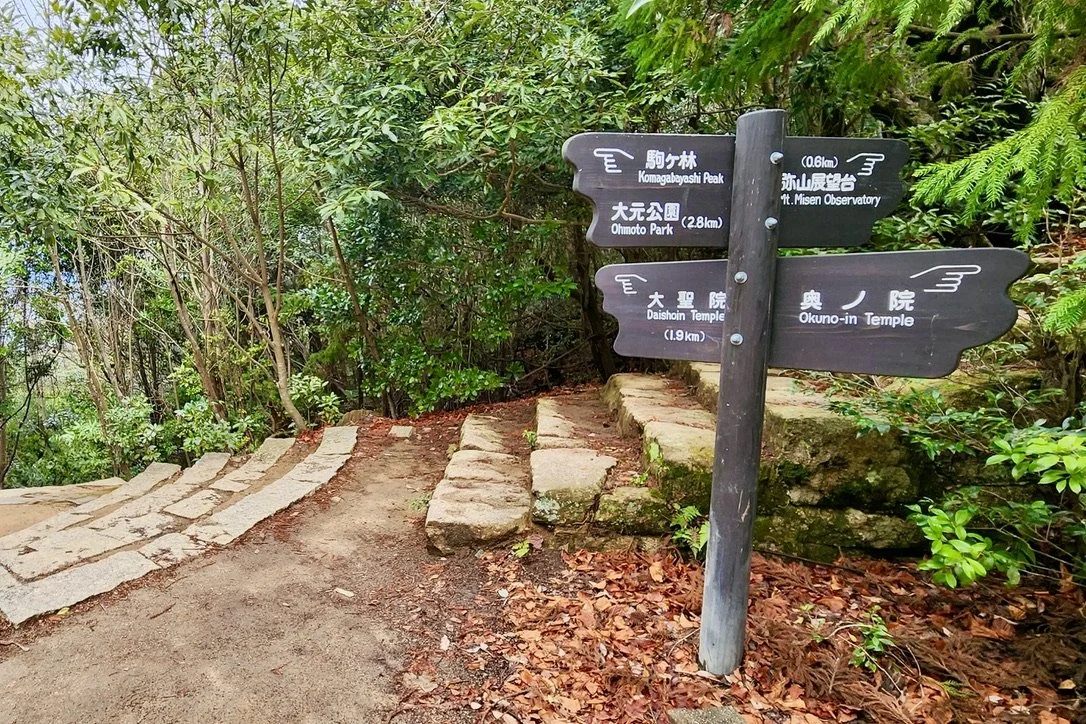
For those seeking to connect with nature, hiking Mount Misen is a rewarding endeavour. The peak sits at 535 metres and offers some of the finest panoramic views in western Japan. One popular option involves taking the ropeway and then hiking the final 30 minutes to the summit. Alternatively, the Daishoin route offers a challenging pathway through primeval forests. Spanning about 2.3km, this path is exceptionally steep and comprised almost entirely of stone stairs. It takes about two hours to summit, passing by unique rock formations and the Reikado Hall, where a "flame of eternity" is said to have burned for over 1,200 years.
Did You Know? The "Eternal Flame" on Mount Misen was used to light the Flame of Peace in Hiroshima’s Peace Memorial Park. It is said that the fire was originally lit by the monk Kobo Daishi when he founded the mountain's temple.
Recommended
Multi-Day Itineraries
Put this guide into practice with these hand-picked small group journeys,
featuring both iconic landmarks and immersive cultural experiences.
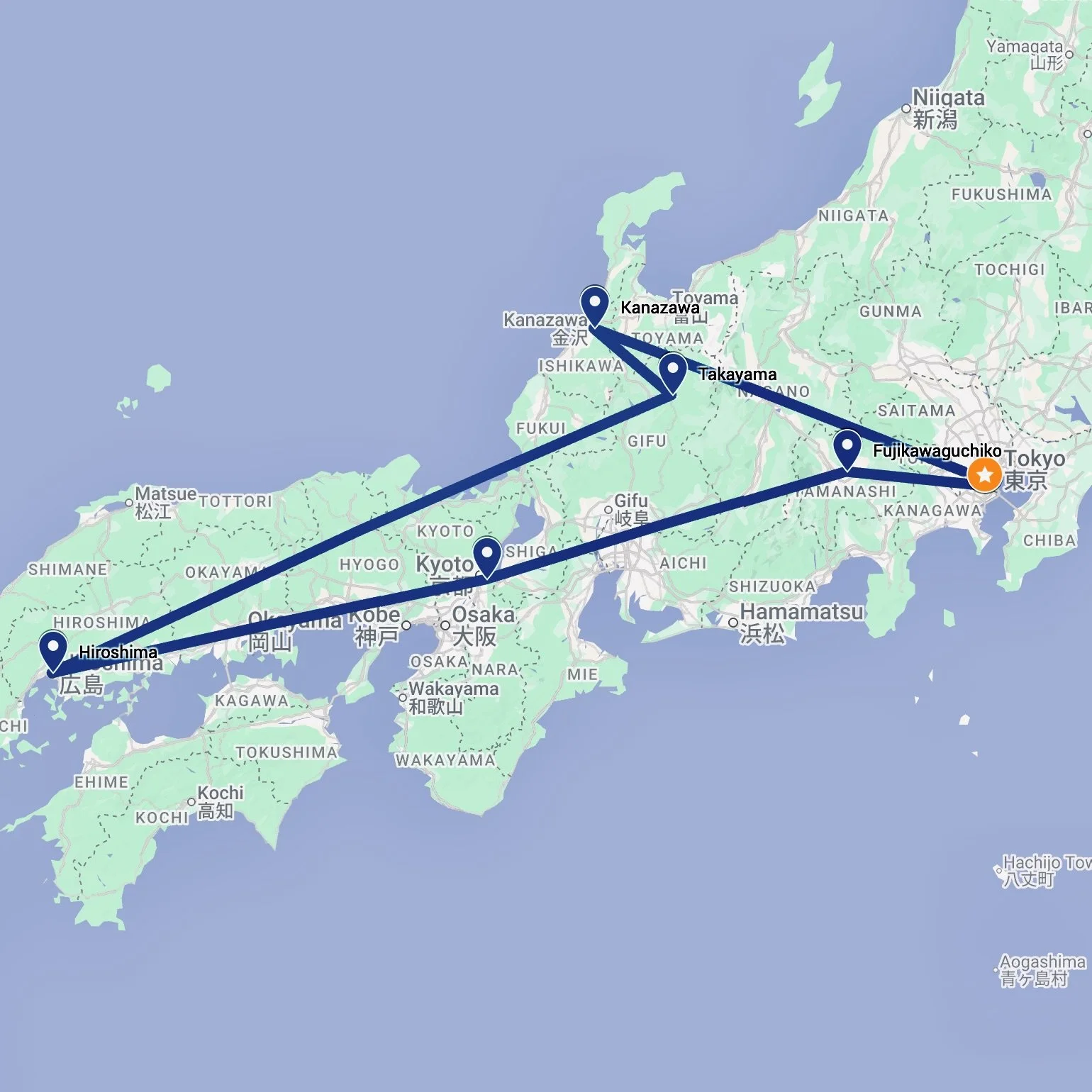
Uncover the serenity of Kyoto’s shrines, the soaring beauty of Mount Fuji, and the historic streets of Kanazawa, Takayama, and Hiroshima. Immerse yourself in the vibrant energy of Tokyo, stay in a traditional Japanese inn, and ride the iconic Shinkansen bullet train.
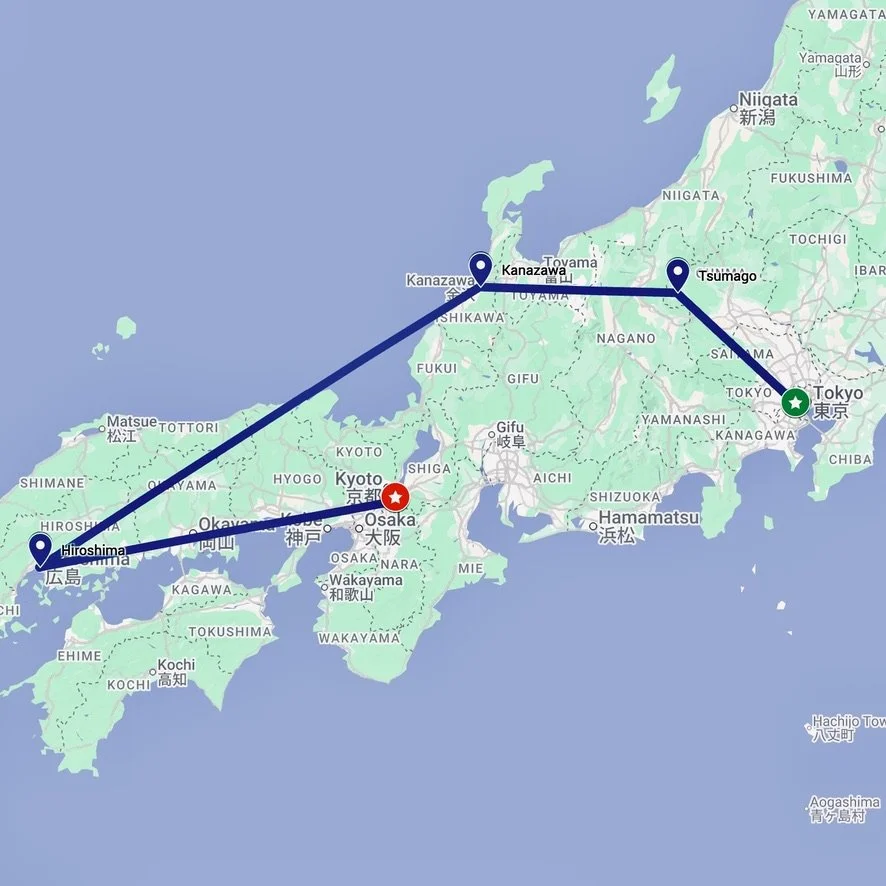
Immerse yourself in Japan’s living history, from Tokyo’s neon-lit streets to the quiet temples of Kyoto. Visit the samurai traditions of Hagi, the scenic beauty of Hakone and Mount Fuji, and the landmarks of Hiroshima and Osaka while enjoying regional Japanese cuisine.
-
Miyajima is spectacular throughout the year, but the most picturesque months are April and November. In early April, the island is blanketed in cherry blossoms, which frame the vermilion Itsukushima Shrine in soft pink hues. If you prefer vivid scenery, the maple trees in Momijidani Park turn a fiery red in November, making for some of the best photography in Japan. The weather during these shoulder seasons is mild and perfect for the long walks required to explore the island properly.
It is wise to avoid certain dates if you prefer to bypass heavy crowds. Golden Week, which falls from late April to early May, and the Obon festival in mid-August, see a massive surge in domestic travellers that can make the ferry and shopping streets incredibly busy. The mid-summer months of July and August bring intense humidity and the rainy season, so unless you are specifically visiting for the spectacular Kangensai Festival in July, the cooler months provide a much more comfortable experience for hiking and sightseeing.
-
While many people visit Miyajima as a quick day trip from Hiroshima, staying for at least one or two nights is far more rewarding. Most visitors spend about four to six hours on the island, rushing through the main shrine before catching the afternoon ferry. However, taking your time allows you to move away from the frantic pace of the ferry terminal and discover the island's quieter, more spiritual side.
Staying overnight gives you the rare opportunity to see the famous Otorii gate at sunset and sunrise when the day-trippers have departed. It also provides the time needed to hike Mount Misen via the steep Daishoin route and explore the lesser-known neighbourhoods tucked away in the forested hills. By slowing down and spending a few days on the island, you contribute more meaningfully to the local economy and gain a deeper appreciation for the ancient rituals and natural beauty that have made this island sacred for centuries.
-
Miyajima is an exceptionally safe destination, but it is always good practice to check your government's local travel advisory for the latest updates before you arrive. Violent crime is almost non-existent here, though you should still stay mindful of your belongings in crowded areas near the ferry pier. The most "dangerous" inhabitants on the island are actually the wild deer. While they are accustomed to humans, they can be quite persistent if they smell food or see paper in your hands, so it is best to keep your snacks tucked away.
Common sense goes a long way to ensure a smooth trip. Always have a comprehensive travel insurance policy to cover any unexpected medical issues or travel disruptions. It is also important to stay within local laws and avoid drinking in excess, particularly as the island is a deeply religious site. By following these basic practices, you can enjoy the tranquil atmosphere of the island with total peace of mind.
For more practical tips and expert advice on staying safe during your trip, visit our dedicated page on Travel Safety.
-
Japanese social harmony is built on respect, and this is especially true on a sacred island like Miyajima. When you are visiting religious monuments like Itsukushima Shrine or Daisho-in Temple, dressing modestly by covering your shoulders and knees is a great way to show respect. Additionally, avoiding very revealing clothes like crop tops or short shorts is a simple way to follow local norms. Smart-casual attire is the standard for most visitors and is perfect for blending in.
If you are lucky enough to be invited into a traditional guesthouse or home, you must remove your shoes at the entrance. You will usually see a dedicated space where you leave your outdoor footwear. Because of this, it is essential to always wear clean, hole-free socks!
Keeping your voice low on public transport and avoiding eating while walking through the streets are small gestures of consideration that the local population will appreciate. It is all about maintaining the peaceful environment that makes the island so special.
-
As Miyajima is a destination popular for walking and hiking, your most important item is a pair of sturdy shoes. You will likely be taking them off frequently at temple entrances, so opt for footwear that is easy to slip on and off. For clothing, pack neat, modest layers keeping in mind sleeveless tops and very short shorts are not suitable for visiting the island's sacred sites. While the beaches are beautiful, most visitors don't go for a swim, but if you do, standard swimwear is fine as long as you use a cover-up when moving away from the water.
If you are visiting in the winter, particularly from December to February, it gets quite cold and can even snow, so bring a warm coat, gloves, and a scarf. July is the wettest month, so a compact umbrella or a light waterproof jacket is essential if you are visiting during the summer. For those planning to hike Mount Misen, remember that the weather at the peak can be cooler than at sea level, so an extra layer in your day bag is a clever move.
-
Miyajima is a food lover’s paradise, and you must try the grilled oysters that the island is famous for. You can find stalls all along the main shopping street between the ferry pier and the shrine where they are cooked fresh over charcoal. These oysters are a vital part of the local economy and have been farmed in the surrounding bay for over three centuries. Trying them is a great way to experience the local culture and support the generations of families who maintain the oyster beds.
Another local speciality you can't miss is momiji manju, a maple leaf-shaped sponge cake typically filled with sweet red bean paste or custard. Many shops allow you to watch the cakes being made through their windows, and you can even try deep-fried versions for a modern twist. For a sit-down meal, look for anago-meshi, which is grilled saltwater eel served over rice. These dishes are deeply important to the island's identity and provide a delicious link to the traditions of the Hiroshima region.
Essential Insights
-
Reaching Miyajima is very straightforward using Japan's excellent public transport. Most international travellers fly into Hiroshima Airport (HIJ) or take the Shinkansen (bullet train) to Hiroshima Station. From there, the fastest way to travel is by taking the JR Sanyo Line to Miyajimaguchi Station, which takes about 30 minutes. Once you arrive, it is a short five-minute walk to the ferry pier where regular boats depart for the island.
There are two main ferry companies, JR and Matsudai, both taking about 10 minutes to reach the island. If you have a Japan Rail Pass, the JR ferry is included in your ticket. For a more scenic but more expensive route, you can take a direct boat from the Peace Park in downtown Hiroshima, which offers great views of the bay.
-
Miyajima is a small, largely pedestrian-friendly island, therefore, the best way to get around is on foot. The main town area around the ferry pier and Itsukushima Shrine can be walked through in about fifteen minutes. If you want to explore the coastline, walking along the well-marked paths is the most rewarding way to see the island at your own pace.
For those heading to the lower ropeway station for Mount Misen, there is a free shuttle bus that runs every 20 minutes from near the shrine entrance, which saves you a steep uphill walk. You can pay for most public transport in the area using a rechargeable IC card like Suica or Pasmo, though some of the smaller minibuses that run to the island's beaches only take cash.
-
Having a solid data connection is incredibly helpful for checking ferry times and using translation apps while you explore. While you can buy physical SIM cards at major electronics stores in Hiroshima, an eSIM is generally the most convenient option for modern travellers. It allows you to get online as soon as you arrive on the island without having to fumble with tiny pieces of plastic or find a local shop.
An eSIM like Ohayu is a reliable choice for staying online during your trip. It is typically more cost-effective than using international roaming from your home provider and ensures you have high-speed data for checking the tide levels, which is essential if you want to see the Otorii gate "floating" on the water. You can easily set it up on your phone before you even arrive.
-
While Japan is slowly moving towards being more cashless, Miyajima is still an area where cash is very important. You will definitely need yen for small purchases at street food stalls, market vendors, and temple entry fees. However, major hotels and larger restaurants on the island will accept Visa, Mastercard, and Amex. You will also see many locals paying with IC cards or QR codes, which are becoming more common in the larger shops.
ATMs are available at the local post office and near the ferry terminal, and they typically accept international cards and have English menus. While you can exchange USD or EUR at banks in Hiroshima, you will often find better rates and more convenience by simply withdrawing yen from an ATM once you arrive. It is a good idea to keep a few 1,000 yen notes and some coins handy for the ferry and vending machines as you explore the island.
-
You will find that English language signs and menus are very common in the main tourist areas of Miyajima, especially at the ferry terminal and the major attractions. Staff at the shrine and the larger hotels usually speak enough English to help with most enquiries. However, as you move into the smaller backstreets or visit the more traditional tea houses, the level of English can be a bit more limited.
Most restaurants on the island offer menus with photos, which makes ordering much easier even if you don't speak the language. It is always a brilliant idea to download a language translator app onto your phone before you arrive. Using the camera function to translate a menu or a sign can be incredibly helpful and adds a layer of confidence when you’re exploring. Even with a language gap, the people of Miyajima are famously polite and helpful, and a few basic Japanese phrases will always be appreciated.
-
Yes, the tap water on Miyajima is completely safe to drink and follows very high health and safety standards. You can refill your bottle from the tap in your guesthouse or at public fountains without any concern. Refilling your own bottle is not only safe but also the most responsible choice for the environment, especially on an island where managing waste can be a challenge.
To help minimise the quantity of one-time-use plastic, it is a great idea to bring a reusable water bottle with you. While you don't need a filter for safety, some travellers prefer them if they are sensitive to the slight taste of chlorine. You can also look for accommodation options that provide free water refill stations in their common areas. With thousands of vending machines across the island, using your own bottle is a small but impactful way to travel more sustainably.