
Ancient Timber and the Prince’s Legacy
An easy excursion from Nara, Kyoto or Osaka, Horyuji is a site of unparalleled architectural importance, holding the title of Japan’s first UNESCO World Heritage listing. Founded in 607 by Prince Shōtoku, the temple serves as the birthplace of Japanese Buddhism. The complex is divided into Western and Eastern precincts, containing some of the oldest surviving wooden buildings on the planet. Walking through these gates is like stepping back fourteen centuries, offering a rare look at the craftsmanship that has allowed these delicate structures to survive fire, war, and natural disasters.
This Adventures Afar guide contains affiliate links. If you book through these, we may earn a commission at no extra cost to you.
Unmissable Highlights
-
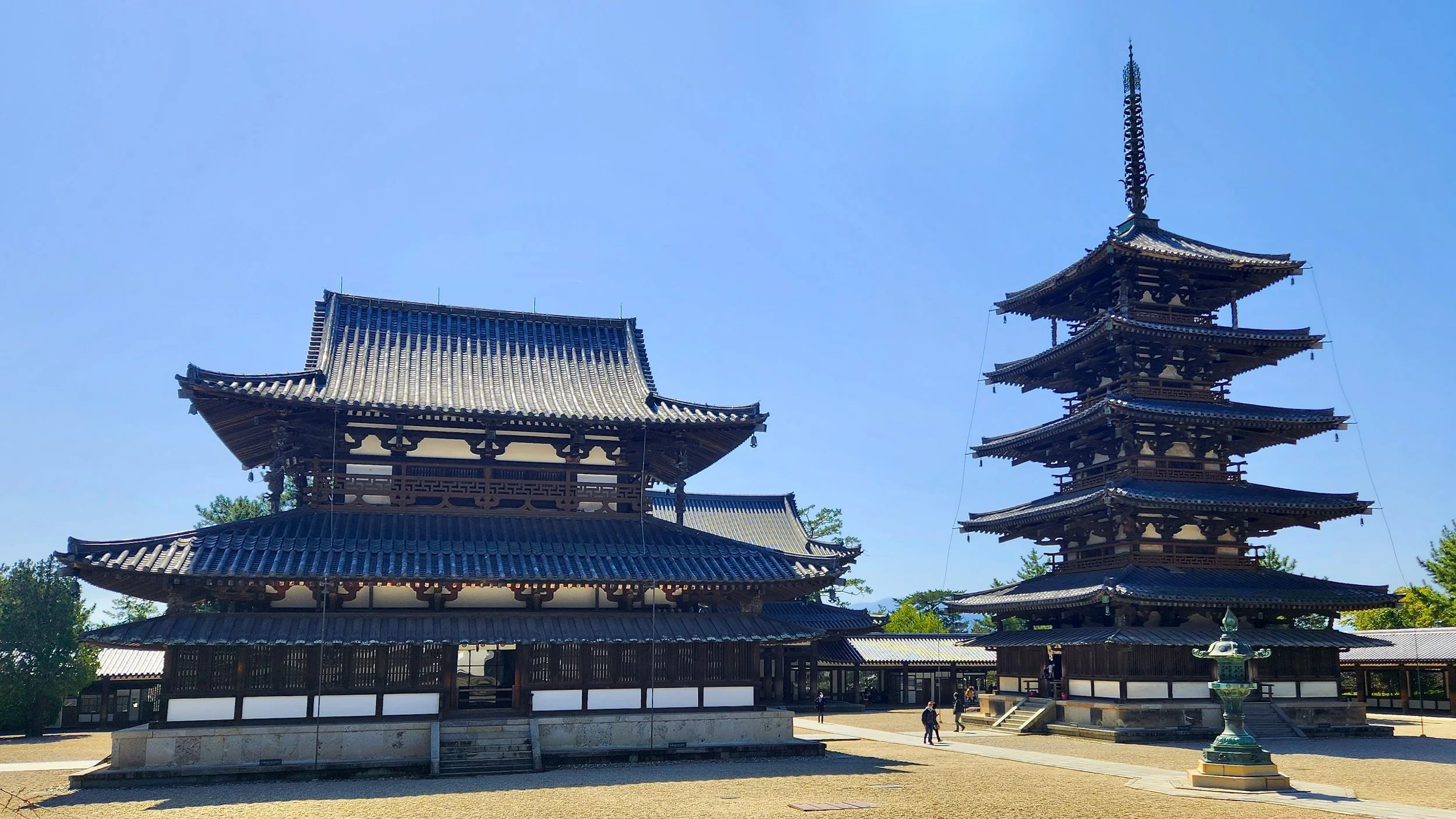
Horyuji Temple and 5-storey Pagoda
The Western Precinct of Horyuji contains the Kondo (Main Hall) and a magnificent five-storey pagoda, both of which are over 1,300 years old. These structures represent the pinnacle of Asuka-period architecture, characterised by heavy tiled roofs and intricate cloud-shaped brackets. The pagoda stands as a central focal point, its height tapering elegantly toward the sky. As part of the UNESCO World Heritage site, these buildings are not just religious monuments but are essential historical records of the very first Buddhist missions to reach the Japanese islands from the Asian mainland.
Did You Know? Scientific carbon dating of the pagoda’s central heart pillar reveals that the cypress tree used to build it was cut down in the year 594. This makes it the oldest surviving wooden pagoda in the world, having stood for over 1,400 years.
-
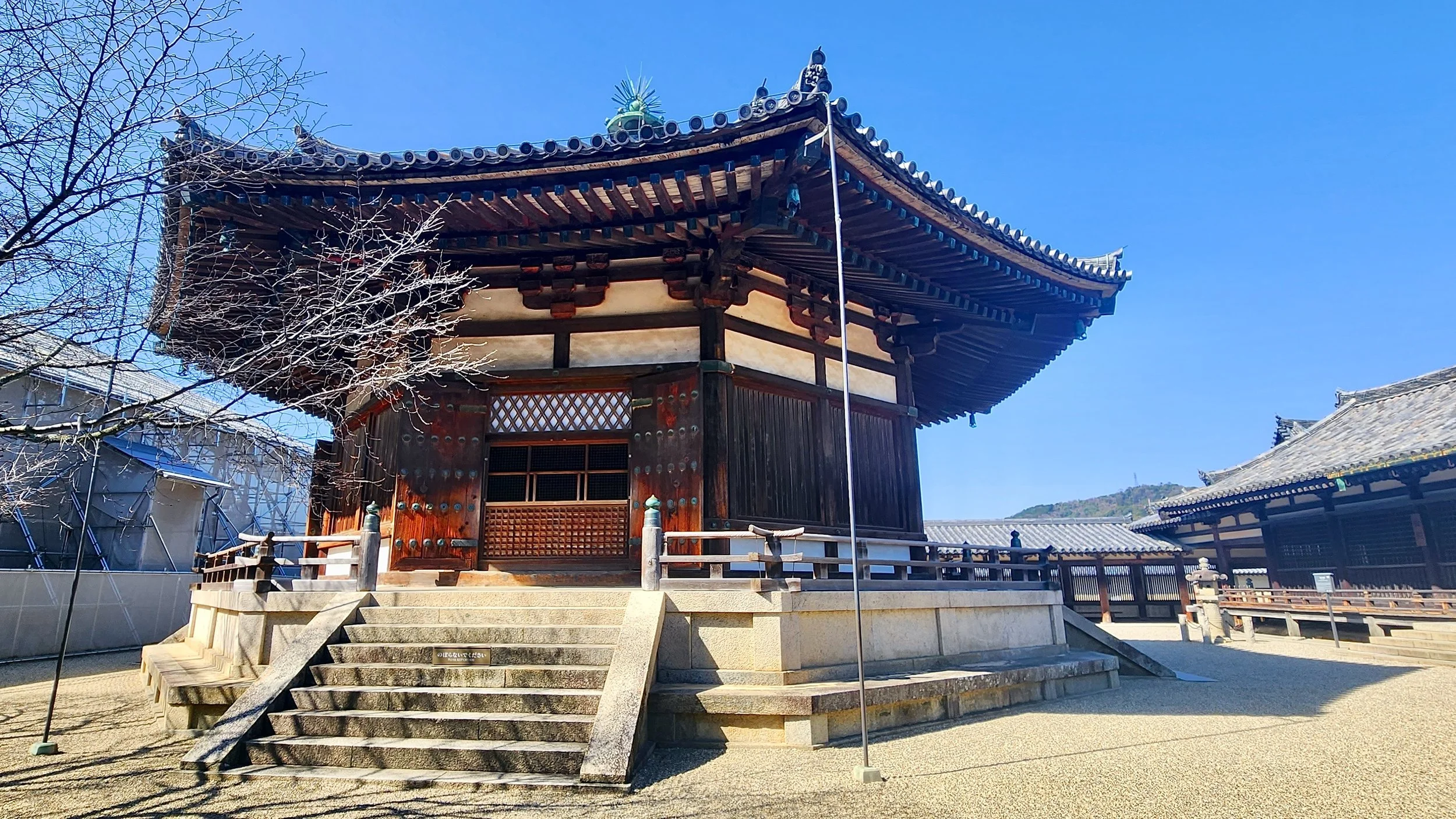
Hall of Dreams and Chuguji
The Eastern Precinct is home to the Yumedono, or Hall of Dreams, a beautiful octagonal building constructed on the site of Prince Shotoku’s former palace. The hall was built as a memorial to the prince and houses the mysterious Kuse Kannon, a wooden statue that was kept hidden from public view for centuries. Directly adjacent is Chuguji, a tranquil nunnery that serves as a quiet contrast to the grand halls nearby. This smaller temple is famous for its "pensive" statue of Buddha, renowned for its gentle, enigmatic smile and sophisticated artistic style.
Did You Know? The sacred Kuse Kannon statue inside the Hall of Dreams was wrapped in 500 metres of white cloth and kept in total darkness for centuries. It was only "rediscovered" in 1884 when a scholar opened it against the warnings of fearful priests.
Recommended
Multi-Day Itineraries
Put this guide into practice with these hand-picked small group journeys,
featuring both iconic landmarks and immersive cultural experiences.
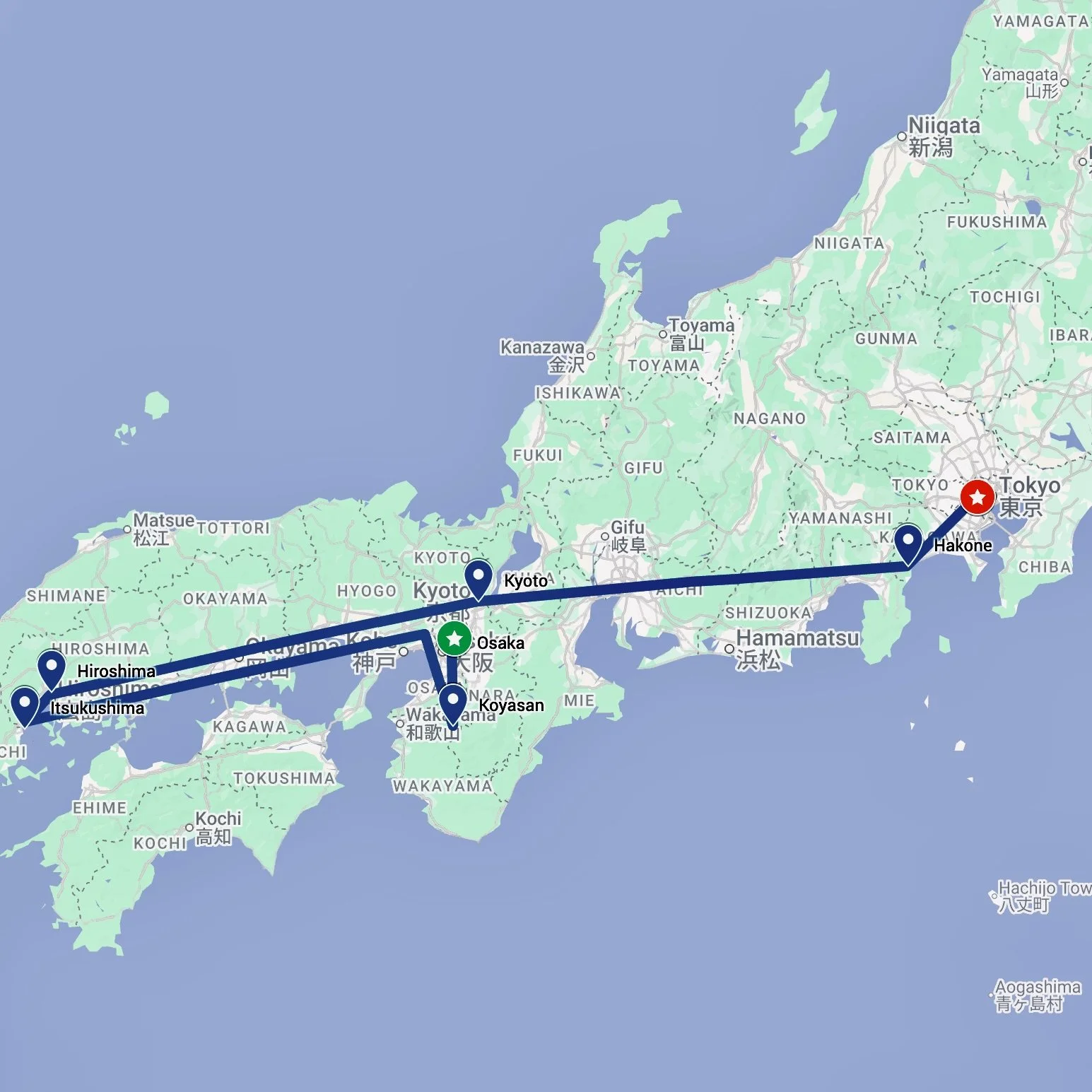
Discover the many faces of Japan, beginning in Osaka and ending in Tokyo. Visit the mountain temples of Koyasan, the historic streets of Kyoto, and the poignant sites of Hiroshima and Miyajima before witnessing Mount Fuji and the neon lights of Tokyo's vibrant districts.
Iconic Japan
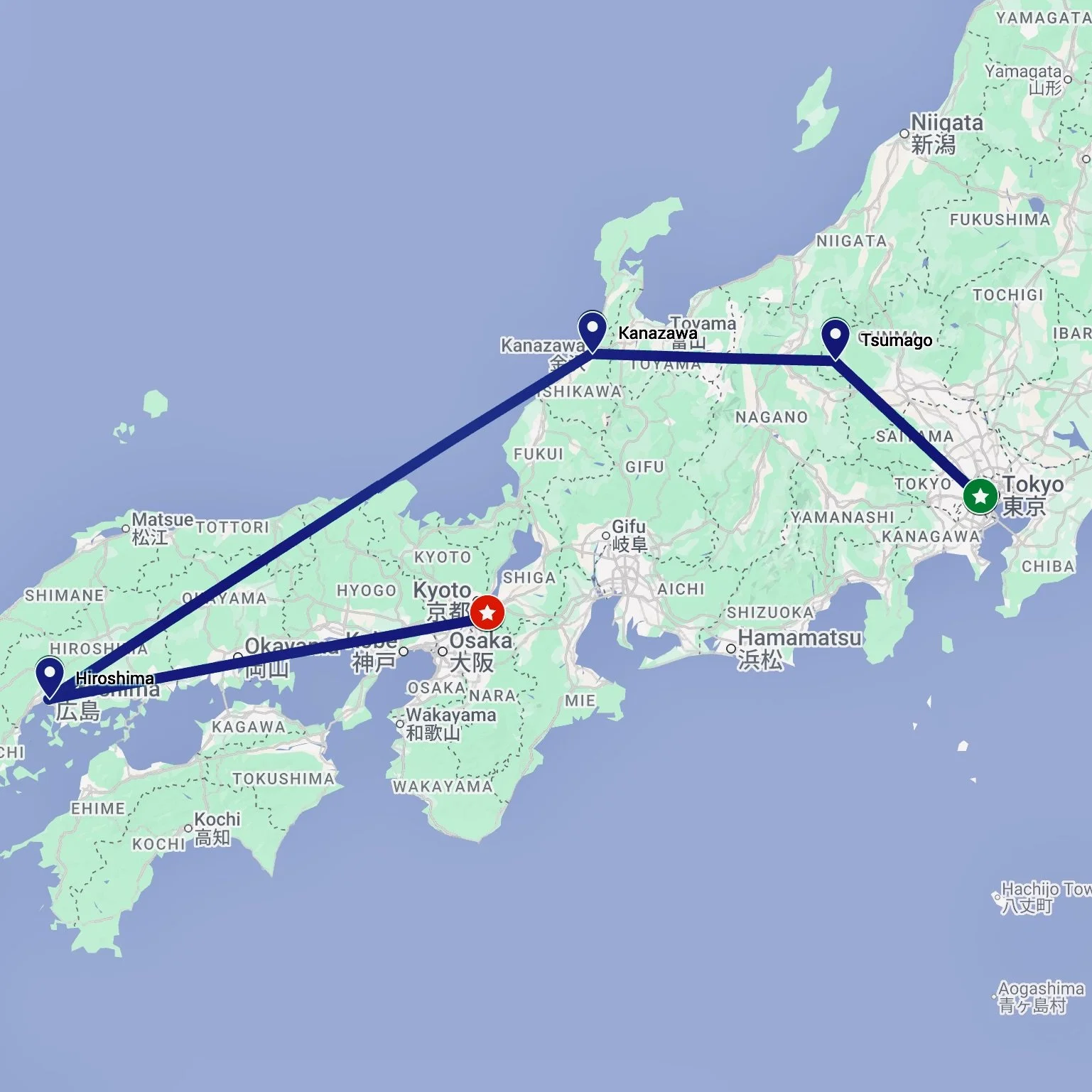
Immerse yourself in Japan’s living history, from Tokyo’s neon-lit streets to the quiet temples of Kyoto. Visit the samurai traditions of Hagi, the scenic beauty of Hakone and Mount Fuji, and the landmarks of Hiroshima and Osaka while enjoying regional Japanese cuisine.
-
Visiting Horyuji during the right season adds to its historic atmosphere. Spring (March to May) and autumn (October to November) are the standout times. In the spring, the cherry blossoms provide a soft, traditional backdrop to the ancient timber buildings, while the autumn months bring clear skies and stunning fiery maple leaves. The weather during these periods is mild and perfect for the twenty-minute walk from the station.
If you want to see the famous Kuse Kannon statue, which is normally hidden away, plan your visit for its special public openings from 11 April to 18 May or 22 October to 22 November.
It is worth keeping an eye on the calendar to avoid the biggest crowds. Golden Week, which usually falls at the end of April and the start of May, brings a huge wave of domestic travellers, and the temple grounds can become quite busy. Similarly, the humid heat of mid-summer (July and August) can make exploring the expansive Eastern and Western precincts a bit of an endurance test.
-
While many people squeeze Horyuji into a half-day trip from Nara or Osaka, a slower approach is far more rewarding. To truly appreciate the world's oldest wooden structures and the thousands of cultural treasures housed here, you need at least three to four hours for the temple complex alone. However, staying for a full day allows you to wander beyond the main gates into the surrounding Ikaruga town.
The area is dotted with smaller, equally historic temples like Hokki-ji and Horin-ji, which sit amidst peaceful farming fields and local neighbourhoods. By taking a whole day, you can explore these lesser-known spots on foot or by bicycle, contributing to a more responsible style of travel that supports the wider local community. This extra time allows the historical significance of the area to really sink in, moving your visit from a simple checklist exercise to a meaningful journey through Japan’s earliest Buddhist history.
-
Horyuji and the surrounding Ikaruga area are exceptionally safe, even by Japan’s high standards. You can walk the local streets with total confidence, but it is always a good idea to check your government's travel advisory for the latest general safety updates before you depart. Japan is famously low on crime, and you are very unlikely to encounter any scams or dangers here.
The most important things to remember are common sense practices. Keep an eye on your belongings in crowded areas and stay within the local laws, and public intoxication is frowned upon, so avoid drinking in excess.
While the area is safe, it is still essential to have a comprehensive travel insurance policy. Whether it is a missed connection or a minor medical issue, having that backup ensures your focus stays on the incredible history around you rather than on unexpected logistics.
For more practical tips and expert advice on staying safe during your trip, visit our dedicated page on Travel Safety.
-
When visiting such a significant religious and historical monument, dressing with a bit of care shows respect for the local heritage. While there is no rigid dress code, it is widely appreciated if everyone keeps their shoulders and knees covered. Opting for smart-casual attire over gym gear or revealing clothing like crop tops or short shorts is a kind way to acknowledge the sacred nature of the site.
Inside the temple buildings, you will almost certainly be asked to remove your shoes. This is a standard practice across Japan, so always wear clean, presentable socks. You will often find shelves at the entrance to leave your footwear, or sometimes you'll be given a plastic bag to carry them with you. Be sure to speak quietly, avoid using your phone inside the halls, and always check for signs before taking photographs, as many of the ancient statues are off-limits for cameras to protect their delicate pigments.
-
Since Horyuji involves a fair bit of walking between the different precincts, comfortable shoes are important. Because you will be stepping in and out of ancient halls, choose a pair that you can easily slip on and off. For clothing, lightweight layers are the way to go. Japan’s weather can be changeable, so having a cardigan or a light jacket is handy even in the warmer months.
If you are visiting in the winter, pack properly warm gear like a thermal base layer and a good coat, as the large wooden temple halls can feel quite chilly inside. For the rainy season in June and July, or the typhoon season in September, a compact travel umbrella or a light waterproof jacket is a must. If you are invited into a traditional space, remember that being barefoot is often seen as impolite, so having a spare pair of clean socks in your day bag is a clever move for those wearing sandals.
-
The area around Horyuji is famous for its traditional flavours, particularly dishes that reflect the region’s agricultural roots. One of the local specialities you must try is kakinoha-zushi, which is sushi wrapped in persimmon leaves. The leaves are naturally antibacterial and were historically used to keep the fish fresh, giving the rice a delicate, woody aroma. It is a brilliant, portable snack that has been a staple of the greater Nara region for centuries.
You will also find many small restaurants serving somen noodles, which are exceptionally thin and delicate. In Ikaruga, these are often served in a simple, elegant broth that lets the quality of the wheat shine through. Many of the eateries along the pine-lined approach to the temple serve these traditional sets. Trying these local dishes is a fantastic way to support the local community and experience the same flavours that have sustained pilgrims and monks in this area for generations.
Essential Insights
-
Reaching Horyuji is very straightforward using Japan’s excellent rail network. If you are coming from JR Nara Station, take the Yamatoji Line. It is a quick twelve-minute journey to JR Horyuji Station. From JR Osaka Station, the same line will get you there in about forty minutes. For those coming from Kyoto, the most efficient route is to take the JR Nara Line to Nara and then change for the short hop to Horyuji Station. These trains are frequent and reliable, making the temple an easy addition to any Kansai itinerary.
-
The Horyuji area is very pedestrian-friendly, and walking is truly the best way to soak in the atmosphere of this historic town. The path from the station to the temple is clearly marked and takes you through local residential streets and past small shops. For a bit more freedom, consider renting a bicycle from one of the shops near the station. It is a fantastic way to visit the more distant temples like Hokki-ji and see the surrounding countryside at your own pace.
For those who want to save their energy, the number 72 bus runs every twenty minutes between the station and the Horyuji-sando stop right near the temple gates. You can pay for the bus using a rechargeable IC card like Suica or Pasm. Simply tap as you board and exit. While you won't find many rideshare options here, taxis are usually waiting at the station and are a quick way to reach the entrance for a few hundred yen.
-
Having a steady data connection makes navigating the local bus schedules and finding hidden lunch spots much easier. While physical SIM cards are available at the airport, an eSIM is often the most convenient choice for most travellers. It allows you to stay connected without having to swap out your physical card, meaning you can keep your home number active for important texts while using local data for maps.
An eSIM like Ohayu is a reliable option for your time in Japan. It is typically more cost-effective than using international roaming and ensures you have high-speed data the moment you arrive at the station. This is particularly helpful in smaller towns like Ikaruga where free public Wi-Fi can be a bit hit-and-miss. Just remember to check that your phone is unlocked and eSIM compatible before you set off.
-
In the town of Ikaruga, cash is still very much the primary way to pay. While the Horyuji ticket office and some larger souvenir shops may accept credit cards like Visa or Mastercard, many of the smaller local restaurants and cafes will only take yen. It is a good idea to ensure you have enough cash on you before you leave the larger cities, as currency exchange options in the village are very limited.
If you do run short, there is an ATM at the 7-Eleven convenience store right in front of the station, which usually accepts international cards. Japan Post Bank ATMs are also a reliable backup on weekdays. While some shops might use QR code payments, they are often linked to local Japanese apps that can be tricky for visitors to use. Sticking to a mix of cash for small bits and cards for larger purchases is the most reliable way to handle your money here.
-
Because Horyuji is a major international heritage site, you will find English signs and basic pamphlets throughout the temple complex. The staff at the ticket office and the museum generally have a basic level of English and are very helpful. However, in the smaller shops and local eateries around the town, English proficiency is often quite limited.
Menus usually have photos, which takes the guesswork out of ordering, but downloading a language translator app onto your phone is a good idea. Using the camera function to translate descriptions or labels can really enhance your understanding of the treasures on display. Even with a language gap, the locals are incredibly polite. A few simple words like "Arigatou" (thank you) and a respectful bow will go a long way in your daily interactions.
-
Yes, the tap water in the Horyuji area is perfectly safe to drink. Japan has some of the most stringent water quality regulations in the world, and the water in the Nara region is treated to a very high standard. You can confidently refill your bottle from the tap in your guesthouse or at public fountains without any need to boil it first.
To help reduce plastic waste, it is a great idea to carry a reusable water bottle. While the water is safe, you might notice a very slight taste of chlorine, so if you have a sensitive palate, a bottle with a built-in filter can be a nice addition. Choosing to use tap water over buying single-use plastic bottles from vending machines is a small but powerful way to travel more sustainably and keep the beautiful temple surroundings free of litter.