
Riverside Temples and Green Tea Heritage
Uji is a riverside town south of Kyoto city that has been celebrated for centuries as the premier centre of Japanese green tea production. This peaceful district is home to some of the country's most exquisite UNESCO World Heritage sites, including the elegant Phoenix Hall of Byodo-in and the ancient sanctuary of Ujikami-jinja. With its broad river, historic bridges, and willow-lined paths, Uji offers a slower pace of life where travellers can explore the origins of the tea ceremony and the refined culture of the Heian period. It is a destination where the scent of brewing tea leaves fills the air and history is as deep as the river itself.
This Adventures Afar guide contains affiliate links. If you book through these, we may earn a commission at no extra cost to you.
Unmissable Highlights
-
Byodo-in
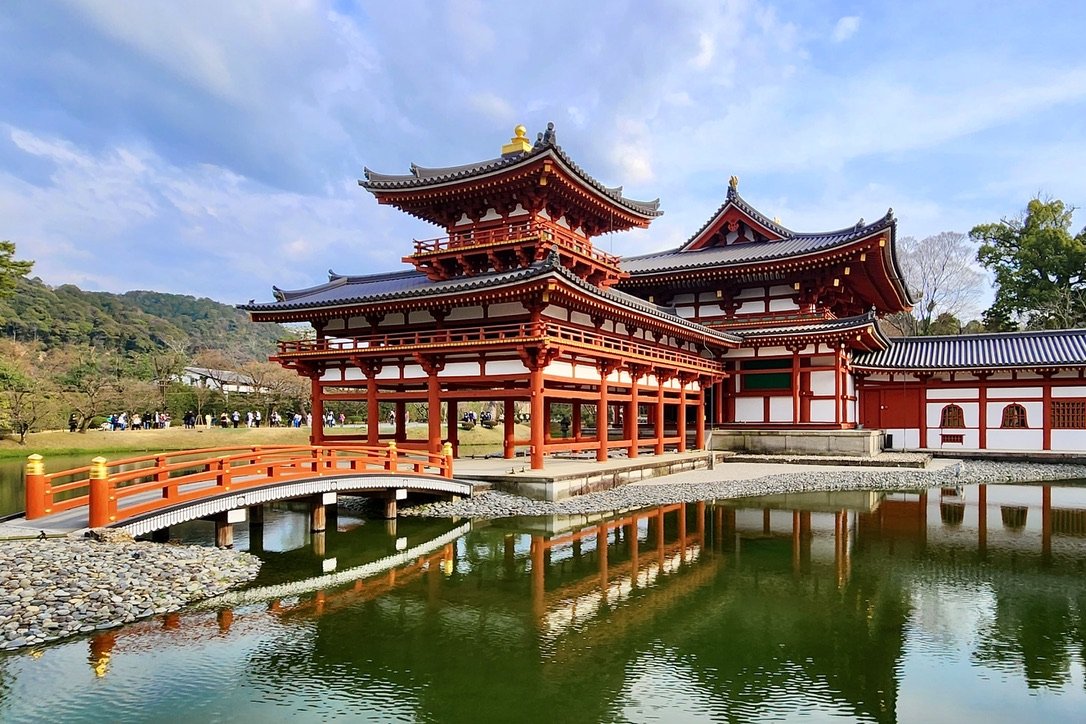
Originally built as a countryside villa for the powerful Fujiwara clan, Byodo-in was later converted into a Buddhist temple. This UNESCO World Heritage site is famous for its Phoenix Hall, an elegant structure that appears to be floating on a large central pond. The hall is named after the two bronze phoenixes that sit on its roof and its unique architectural shape, which resembles a bird with outspread wings. Inside, it houses a magnificent statue of the Amida Buddha, carved from Japanese cypress and covered in gold leaf, representing the height of Heian-period artistic achievement.
Did You Know? The Phoenix Hall is so iconic that it is featured on the back of the Japanese 10 yen coin. If you have one in your pocket, you can hold it up to the building to see the incredible accuracy of the engraving.
-
Ujigami Shrine
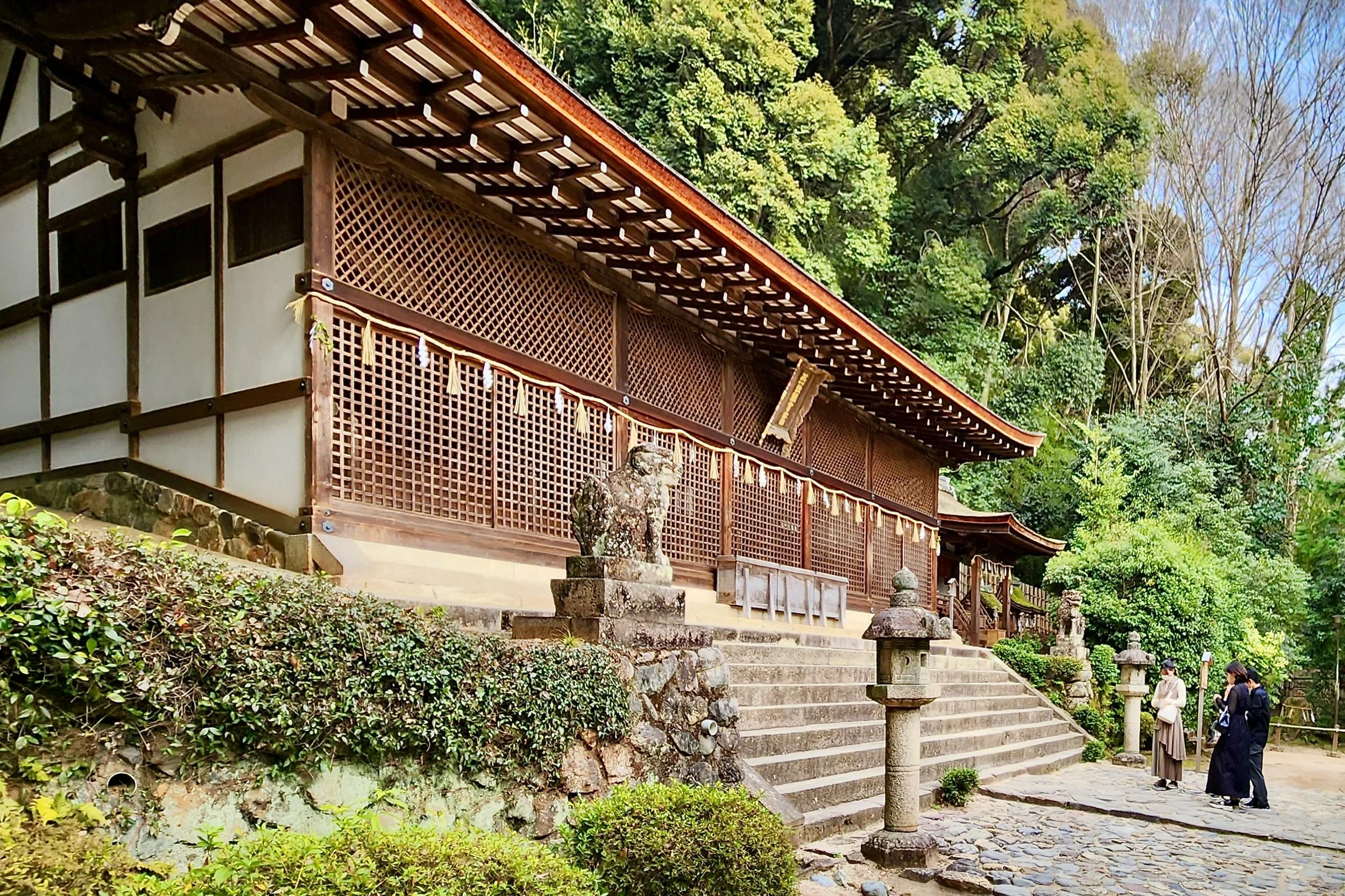
Nestled at the foot of Uji mountain, Ujigami Shrine is a quiet, atmospheric religious landmark. It is a UNESCO World Heritage site and is officially recognised as containing the oldest original Shinto shrine building in Japan, dating back to approximately 1060. The shrine’s architectural style provides a rare, authentic look at the simplicity and elegance of ancient Japanese religious design. Nearby, the "Kirihara-sui" is one of the seven famous springs of Uji and is still used for purification rituals today, standing as the only one of the seven still flowing.
Did You Know? The shrine was originally built as a guardian shrine for the nearby Byodo-in Temple. Its survival for nearly a millennium is a testament to the high-quality cypress wood and the traditional construction methods used by ancient Japanese builders.
-

Uji Park
Located on a long island in the middle of the Uji River, Uji Park is connected to the riverbanks by several picturesque bridges. It is a fantastic spot for a riverside stroll, especially during the cherry blossom and autumn foliage seasons. The park is home to a 13-storey stone pagoda, which is the tallest of its kind in Japan. One of the highlights is crossing the Asagiri Bridge, a bright vermilion structure that offers beautiful views of the rushing river, the lush mountains, and the traditional teahouses that line the waterfront.
Did You Know? In the summer months, Uji Park is a prime location for watching Ukai, or traditional cormorant fishing. Master fishermen use trained birds to catch sweetfish in the river at night, a practice that has been part of Uji's culture for over a thousand years.
Recommended
Multi-Day Itineraries
Put this guide into practice with these hand-picked small group journeys,
featuring both iconic landmarks and immersive cultural experiences.
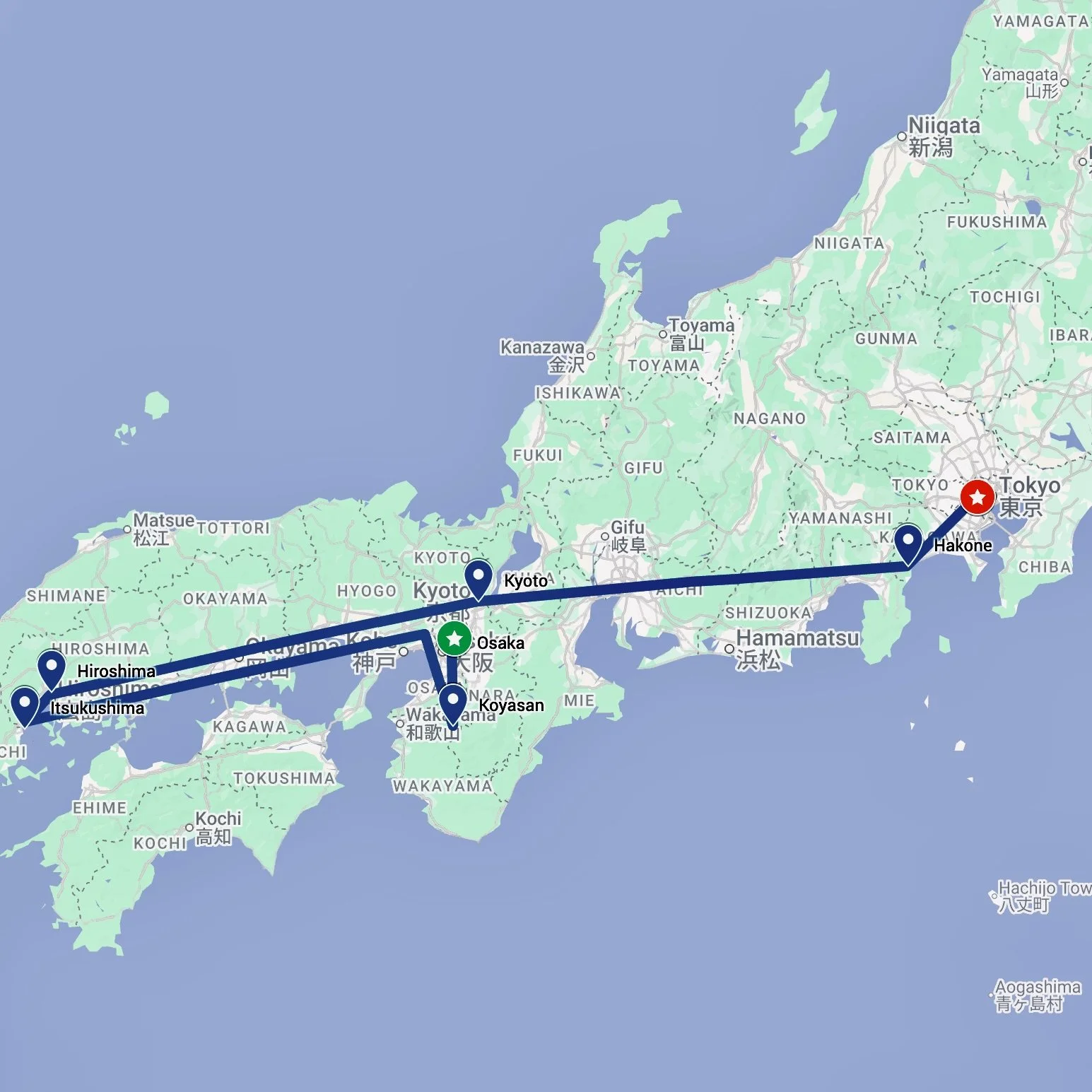
Discover the many faces of Japan, beginning in Osaka and ending in Tokyo. Visit the mountain temples of Koyasan, the historic streets of Kyoto, and the poignant sites of Hiroshima and Miyajima before witnessing Mount Fuji and the neon lights of Tokyo's vibrant districts.
Iconic Japan
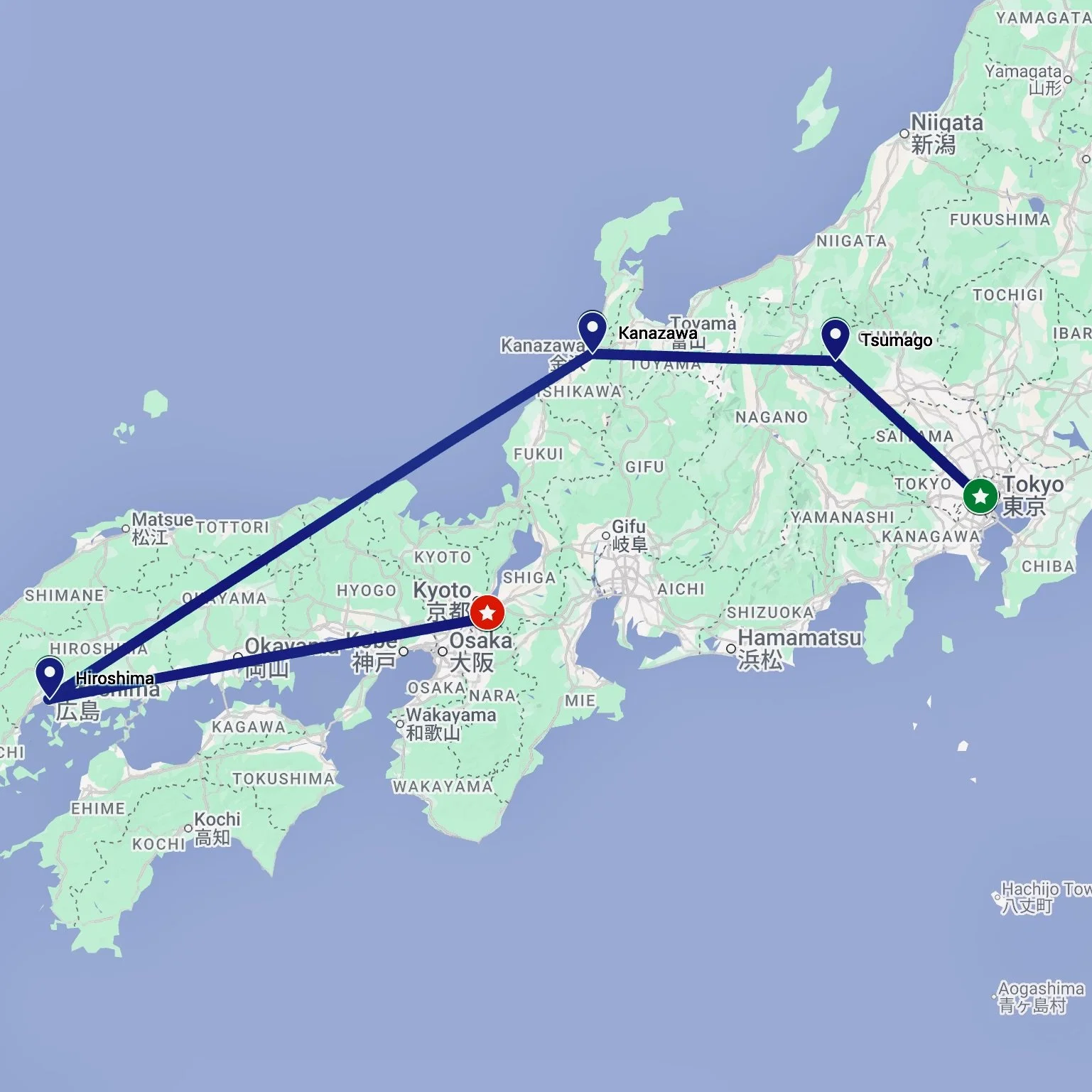
Immerse yourself in Japan’s living history, from Tokyo’s neon-lit streets to the quiet temples of Kyoto. Visit the samurai traditions of Hagi, the scenic beauty of Hakone and Mount Fuji, and the landmarks of Hiroshima and Osaka while enjoying regional Japanese cuisine.
-
Reaching Uji is incredibly easy using the local rail network from nearby Kyoto or Nara. The JR Nara Line connects Kyoto Station to JR Uji Station in about 20 minutes on the rapid service. Alternatively, the Keihan Uji Line runs from central Kyoto to Keihan Uji Station, which is located just across the river from the main attractions. Taking the train is the most efficient way to travel, as it is much faster than driving through city traffic.
If you are arriving from further afield, most travellers take the Shinkansen (bullet train) to Kyoto Station first. The train journey provides beautiful views of the surrounding countryside and drops you right in the centre of town, within walking distance of the most famous historical sites.
-
Uji is a very pedestrian-friendly town, and most of the major attractions are located within a small area that is easily explored on foot. Walking between the JR station, the river, and the main temples takes less than fifteen minutes. For a more scenic option, renting a bicycle is a popular way to explore the riverside paths and the surrounding tea fields at your own pace.
For reaching sights further out, the local bus network is efficient and easy to use. You can pay for your fare using a rechargeable IC card like Suica or Pasmo. Simply tap when you board and exit. While ride-sharing apps like Uber are available, they mainly act as a way to hail licensed local taxis, which are clean and reliable but can be expensive for very short distances.
-
Having a reliable data connection is very helpful for checking train times and using translation apps while you explore. While physical SIM cards can be bought at major electronics stores in nearby Kyoto, an eSIM is generally the most convenient and modern option. It allows you to get connected as soon as you arrive in the town without having to mess about with tiny pieces of plastic or searching for a paperclip to open your phone.
An eSIM option like Ohayu is a great choice for staying online during your trip. It is typically more cost-effective than using international roaming from your home provider and gives you the freedom to look up restaurant reviews or check the history of the shrines on the fly. You can easily set it up on your phone before you even arrive in Japan, so you are ready to go the moment you arrive.
-
Cash is still used very frequently in Uji, especially for smaller teahouses, market stalls, and entry fees for temples. You will definitely need some yen for the smaller eateries and local souvenirs. However, major hotels and the larger tea shops will widely accept Visa, Mastercard, and Amex. You will also see many locals paying with QR codes or IC cards, which are becoming more common in the larger retail spaces.
ATMs are easy to find, particularly inside convenience stores like 7-Eleven, which typically accept international cards and have English menus. While you can exchange USD or EUR at banks in nearby Kyoto, you will often find better rates and more convenience by simply withdrawing yen from an ATM. It is a good idea to keep a few 1,000 yen notes and some coins handy for smaller purchases and vending machines as you explore the town’s historic streets.
-
You will find that English language signs and menus are very common in the main tourist areas of Uji, especially around Byodo-in Temple and the major train stations. Staff at the larger tea shops and the main ticket offices usually speak enough English to help with most enquiries. However, as you move into the smaller backstreets or visit the more traditional local workshops, the level of English can be a bit more limited.
Most restaurants in the town have menus with photos, which makes ordering much easier even if you don't speak the language. It is always a wise idea to download a language translator app onto your phone before you arrive. Using the camera function to translate a menu or a sign can be incredibly helpful and adds a layer of confidence when exploring. Even with a language gap, the people of Uji are famously polite, and a few basic Japanese phrases will always be appreciated.
-
Yes, the tap water in Uji is completely safe to drink and follows very high health and safety standards. You can refill your bottle from the tap in your hotel or at public fountains without any concern. In fact, many people find the water in this part of Japan to be quite fresh and pleasant. Refilling your own bottle is not only safe but also the most responsible choice for the environment.
To help minimise the quantity of one-time-use plastic, it is a great idea to bring a reusable water bottle with you. While you don't need a filter for safety, some travellers prefer them if they are sensitive to the slight taste of chlorine. You can also look for accommodation options that provide free water refill stations in their common areas. With the thousands of vending machines across Japan, using your own bottle is a small but impactful way to travel more sustainably.
-
Uji is a delight throughout the year, but visiting in April or November provides the most striking scenery. In the spring, the cherry blossoms along the Uji River create a soft pink canopy that is perfect for a riverside stroll. Autumn brings a different kind of magic, as the maples surrounding the Phoenix Hall at Byodo-in turn a brilliant, fiery red. If you are interested in the town's famous tea heritage, May is the peak harvest season when the surrounding hills are at their most vibrant green.
It is sensible to avoid Golden Week, which usually runs from late April to early May, as domestic travel surges and the narrow streets can become quite congested. The humid heat of August can also be a challenge for those planning to walk between the hillside shrines. For a unique cultural experience, June and July offer the chance to see traditional cormorant fishing on the river at night, but be mindful that the rainy season typically peaks in June.
-
While many people treat Uji as a quick half-day stop between Kyoto and Nara, this riverside town rewards those who linger. Most visitors spend about three or four hours ticking off the main temple and a tea shop, but this barely scratches the surface of the region’s deep history. Staying for at least one full day or even an overnight stay allows for a much more responsible and rewarding pace.
A longer visit provides the time to explore the ancient trails of the Uji-kamigawa area or to participate in a proper tea ceremony without checking your watch. It also allows you to wander into the quieter residential neighbourhoods where you can see the local artisans at work. Taking two days means you can enjoy the sunset over the Asagiri Bridge and experience the town once the day-trippers have departed, which is when the real character of Uji truly reveals itself.
-
Uji is an exceptionally safe destination with very low crime rates, even by Japan’s high standards. However, it is always a good idea to check your government's local travel advisory for the latest updates before you arrive. While violent crime is almost unheard of, practicing common sense is the best way to ensure a smooth trip. Keep an eye on your bags in busy tea shops and be mindful of your surroundings near the river after dark.
Scams are not a known issue in this area, but it is always wise to avoid drinking in excess and to remain respectful of local laws. Breaking any regulations, especially regarding public conduct or drugs, carries very heavy penalties.
Having a comprehensive travel insurance policy is essential for any trip to provide vital protection against unexpected medical issues or travel disruptions, allowing you to focus on the history and culture of the region with total peace of mind.
For more practical tips and expert advice on staying safe during your trip, visit our dedicated page on Travel Safety.
-
Respect for tradition is a core part of life in Uji, particularly as it is home to some of the oldest religious sites in Japan. When you are sightseeing or walking through the town, conservative smart-casual dress is the most appropriate choice, ensuring that shoulders and knees are covered when visiting shrines and temples. Avoiding very revealing items like crop tops or short shorts is an easy way to show respect for the local population and the sacred nature of the monuments.
If you are invited into a traditional teahouse or a local home, you will be required to remove your shoes at the entrance. This is a standard practice, so always make sure you are wearing clean socks without any holes!
Keeping your voice low on public transport and refraining from eating while walking are small gestures of consideration that go a long way. Following these simple social norms helps maintain the calm and polite atmosphere that makes the town so pleasant to visit.
-
Since Uji is best explored on foot, your most important item is a pair of comfortable walking shoes. You will be taking them off frequently at temple entrances and teahouses, so footwear that is easy to slip on and off is highly recommended. For clothing, pack options that are suitable for both sacred sites and dining out. Avoid packing singlets or very short shorts if you plan on visiting the main temples, as these are not considered suitable.
If you are visiting in the winter months of December through February, it can get quite chilly, so bring warm layers and a good coat. June is typically the wettest month, so a compact umbrella or a light waterproof jacket is a must. For the humid summer, light and breathable fabrics are essential.
-
Uji is the historic heart of Japanese green tea production, and the local cuisine reflects this perfectly. You must try matcha soba, which are buckwheat noodles infused with high-quality green tea. This dish is a point of pride for the local community and can be enjoyed hot or cold. The main street leading to Byodo-in is lined with shops selling matcha-flavoured everything, from savoury snacks to delicate sweets like matcha dango.
Participating in a traditional tea ceremony is an essential experience here. It provides an informative look at why tea is so important to the local identity and the precision required to prepare it. You should also look for Cha-shu, which is a tea-infused porridge that has been a staple in the region for centuries. Trying these local specialities is a brilliant way to support the local tea farmers and experience the refined flavours that have made Uji famous across the world.