
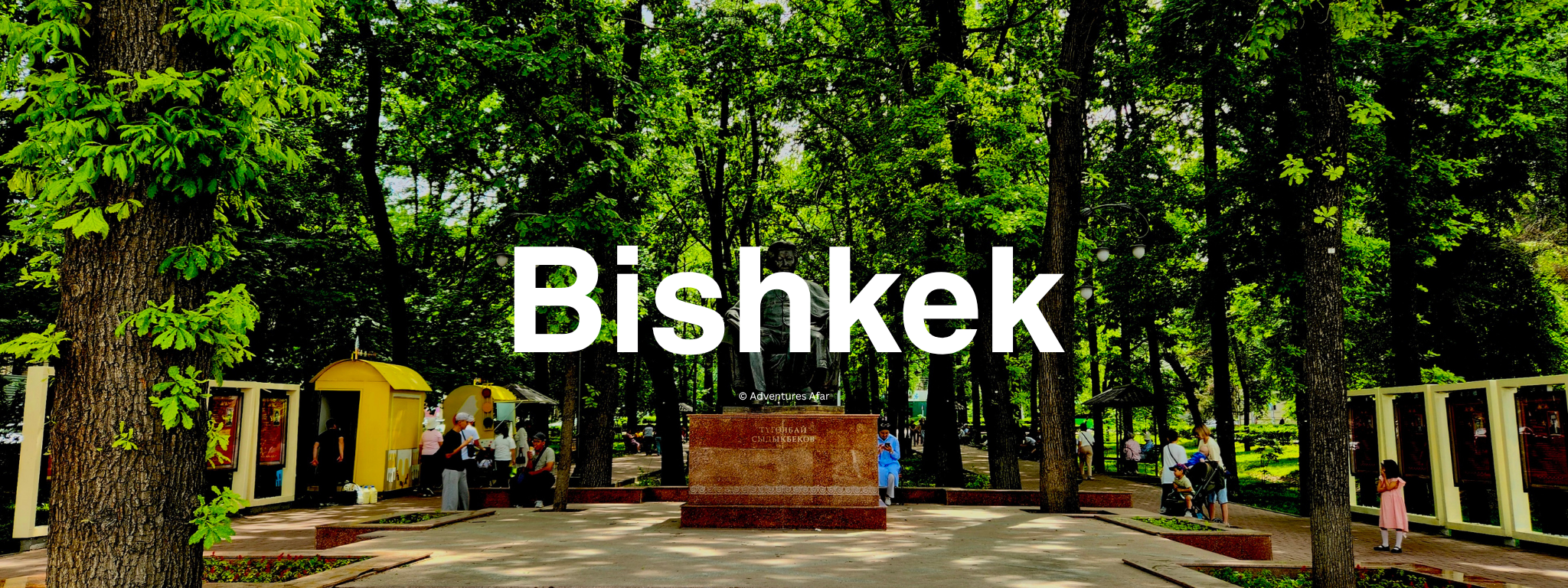
Leafy Capital and Rugged Vistas
Nestled against the dramatic backdrop of the snow-capped Tian Shan mountains, the Kyrgyz capital offers an exceptional blend of Soviet history, brutalist architecture and Central Asian hospitality. Lush avenues connect sprawling public squares with bustling markets, creating a fascinating gateway for intrepid adventurers. Visitors can spend their time browsing traditional felt carpets at busy bazaars and or trekking through pristine alpine valleys just a short drive from the city centre. With a burgeoning specialty coffee scene alongside a rich nomadic heritage, the city offers a fascinating glimpse into modern Central Asian urban life. It delivers an authentic, affordable and rewarding experience for travellers seeking an alternative to crowded global hotspots.
This Adventures Afar guide contains affiliate links. If you book through these, we may earn a commission at no extra cost to you.
Unmissable Highlights
-
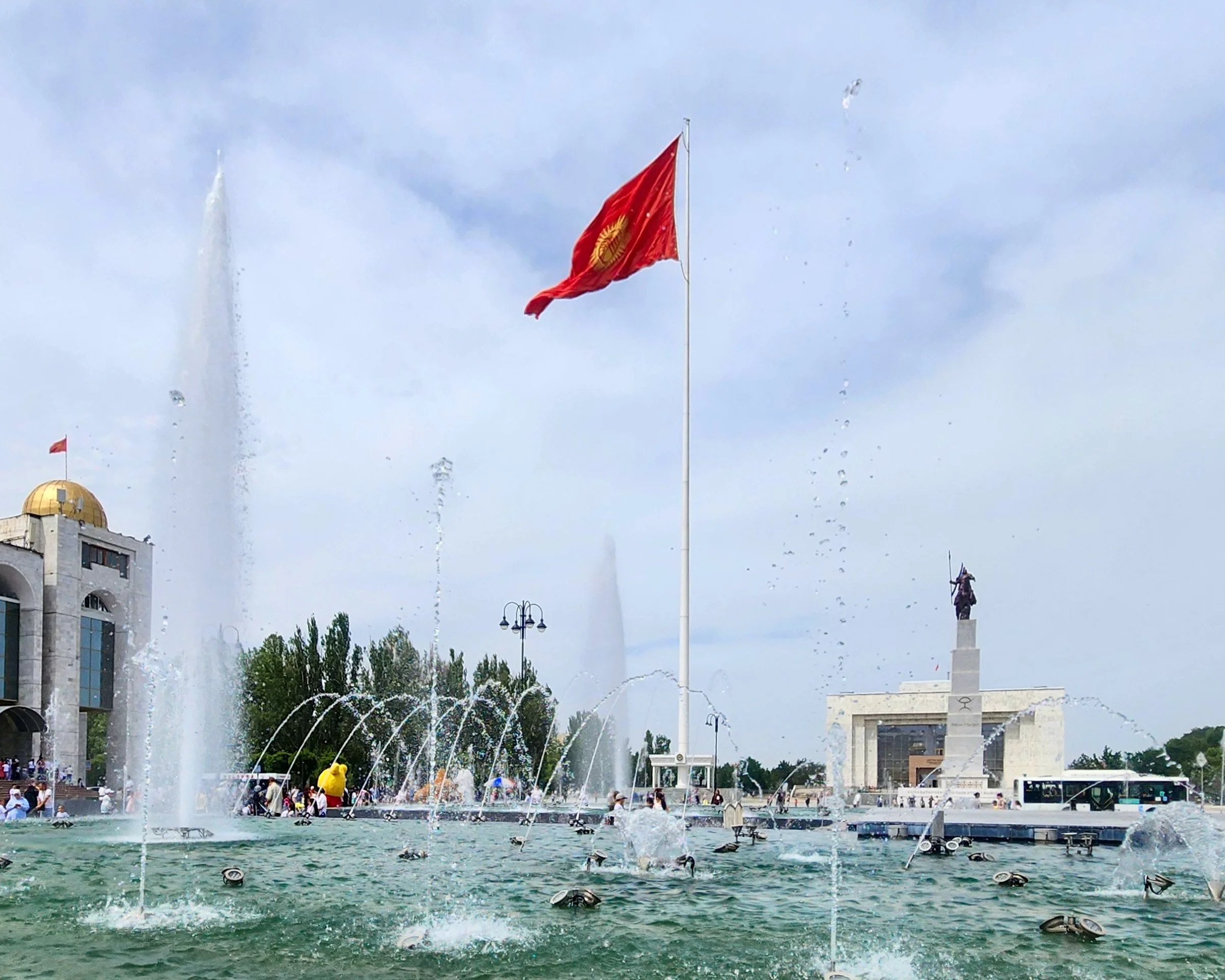
Ala Too Square
Surrounded by imposing Soviet-era architecture, Ala Too Square serves as the vast, concrete heart of Bishkek and the central focal point for national gatherings. Originally built in 1984 to mark a Soviet anniversary, the plaza has transformed into a powerful symbol of Kyrgyz identity. Monumental bronze statues dominate the space, including a towering figure of the legendary folk hero Manas the Magnanimous, which replaced a statue of Lenin. Visitors gather daily near the massive state flagpole to witness the highly ceremonial changing of the guard, a display executed with clockwork military precision.
Did You Know? The original statue of Lenin was not destroyed when the square was modernised. Instead, it was carefully moved to a smaller plaza behind the Historical Museum, showcasing a characteristically pragmatic approach to preserving complex historical eras.
-
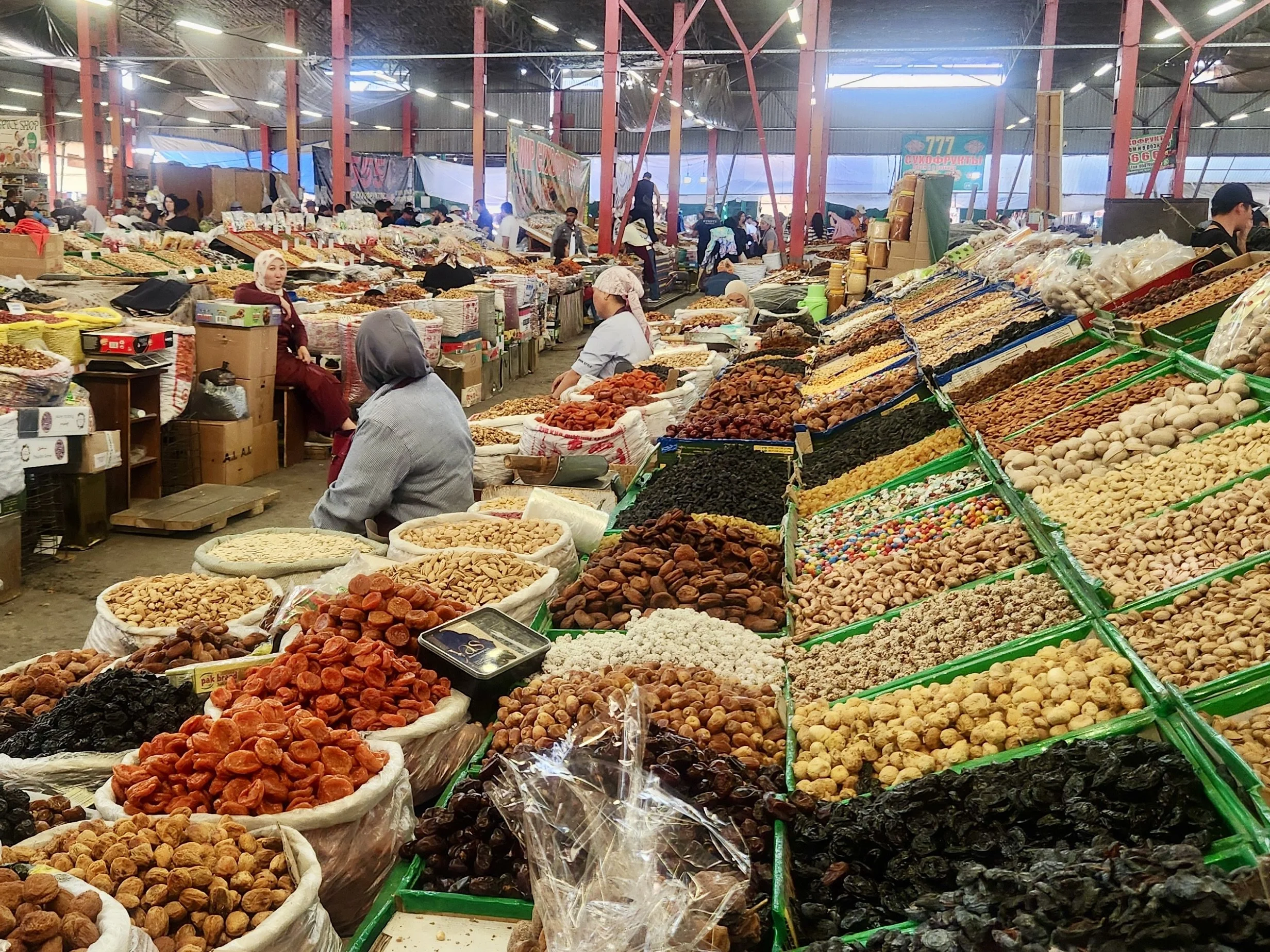
Osh Bazaar
Filled with chaotic energy, Osh Bazaar offers one of the most immersive cultural shopping experiences in the Kyrgyz capital. The bustling market complex provides an intense sensory journey packed with rows of aromatic spices, freshly baked round lepeshka flatbreads and mountains of vibrant dried fruits. Beyond the extensive food stalls, the market features a specialised national crafts section known as Kyyal. Here, local artisans display beautifully hand-carved wooden trunks, traditional felt shyrdak carpets and intricate regional clothing, making the labyrinth of stalls an essential stop for authentic local items.
Did You Know? Visitors can purchase traditional musical instruments like the komuz, a three-stringed lute, or buy a classic Ak-kalpak, the white felt hat worn by local men that holds protected cultural status.
-
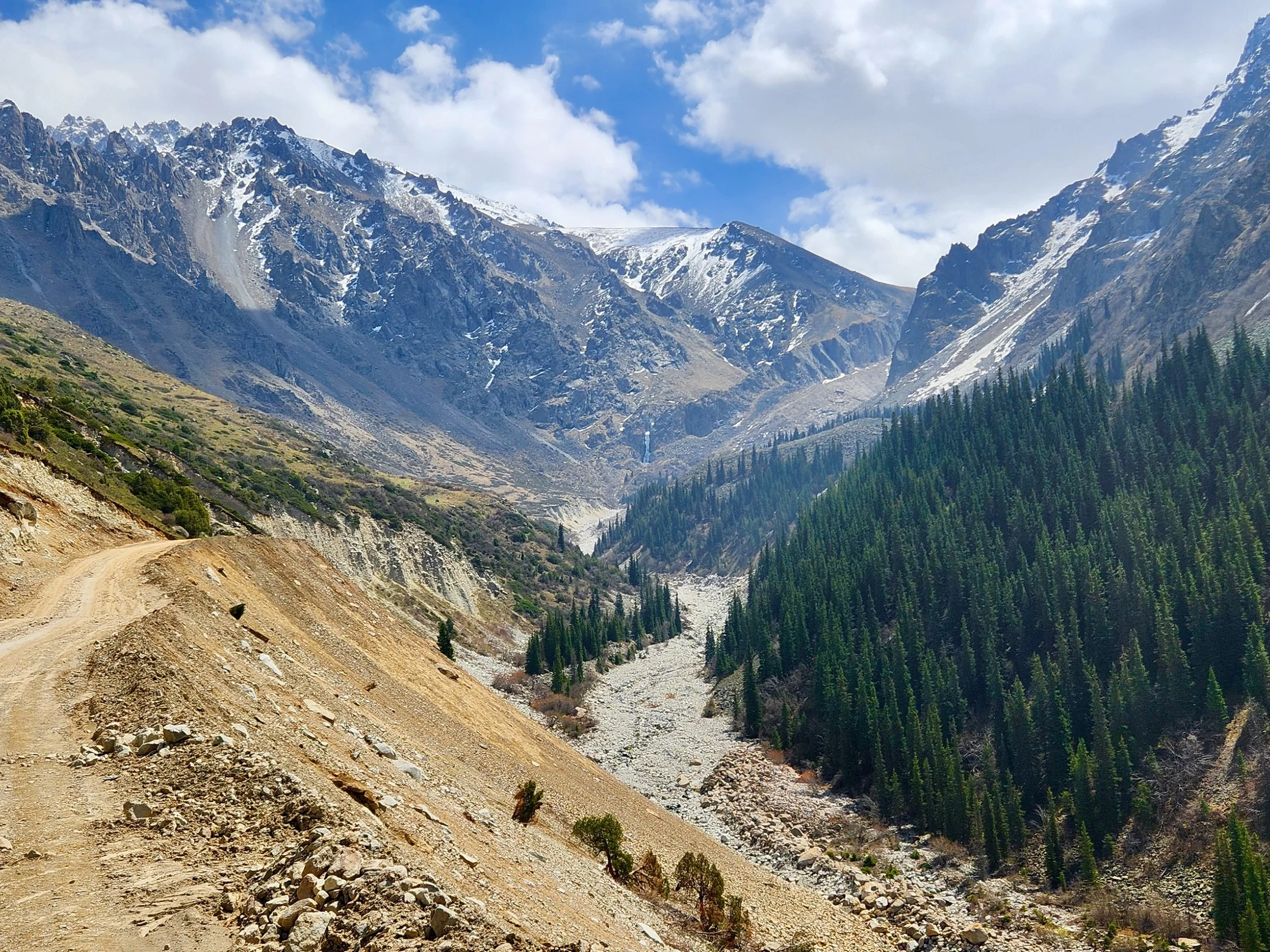
Ala Archa National Park
Framed by the dramatic, jagged peaks of the Tian Shan mountain range, Ala Archa National Park delivers spectacular wilderness vistas just forty kilometres south of the capital. The expansive nature reserve encompasses alpine valleys, rushing glacial rivers and dense forests of variegated juniper trees, from which the park derives its name. Trails cater to all fitness levels, ranging from gentle riverside walks to strenuous mountain treks heading towards the immense Ak-Sai Glacier. Mountaineers often utilise the high-altitude base camps to ascend technical peaks that soar well over four thousand metres.
Did You Know? The pristine sanctuary provides a protected habitat for incredibly rare and endangered wildlife, including the elusive snow leopard and a legendary mountain species known locally as the blue bird of happiness.
-
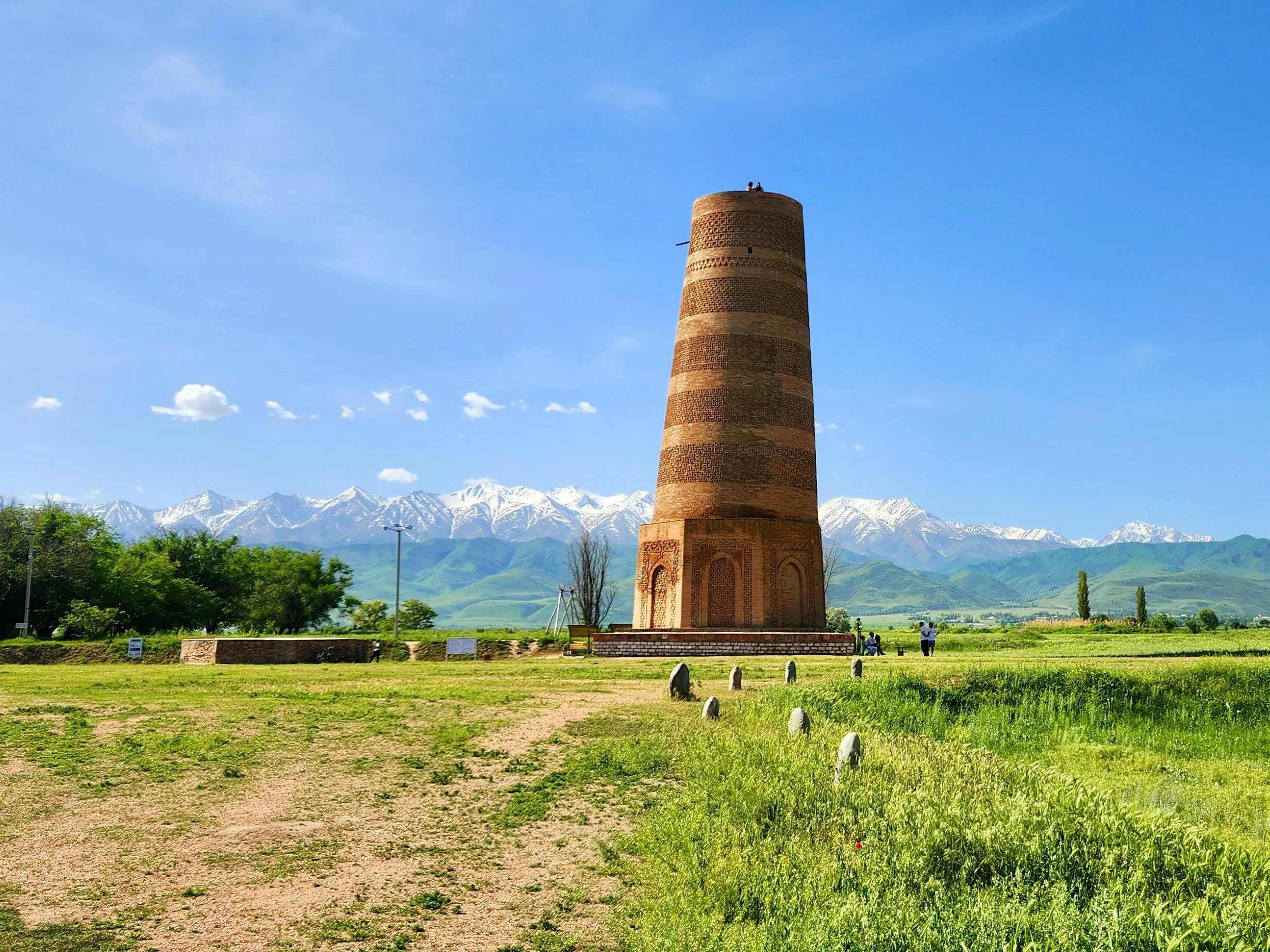
Burana Tower
Rising prominently above the flat plains of the Chuy Valley, the ancient Burana Tower stands as a remarkable architectural monument and a designated UNESCO World Heritage site. Constructed during the eleventh century by the Karakhanid Empire, the distinctive brick minaret was originally part of Balasagun, a thriving Silk Road metropolis. Although a major earthquake damaged the structures centuries ago, reducing the tower from its original forty-five-metre height, a narrow, winding internal staircase still allows visitors to climb to the top for panoramic valley views.
Did You Know? The surrounding open-air museum grounds feature an exceptional collection of balbals, which are anthropomorphic stone grave markers carved by early nomadic Turkic tribes to honour fallen soldiers.
Recommended
Multi-Day Itineraries
Put this guide into practice with these hand-picked small group journeys,
featuring both iconic landmarks and immersive cultural experiences.
Northern Stans: Kyrgyzstan & Kazakhstan
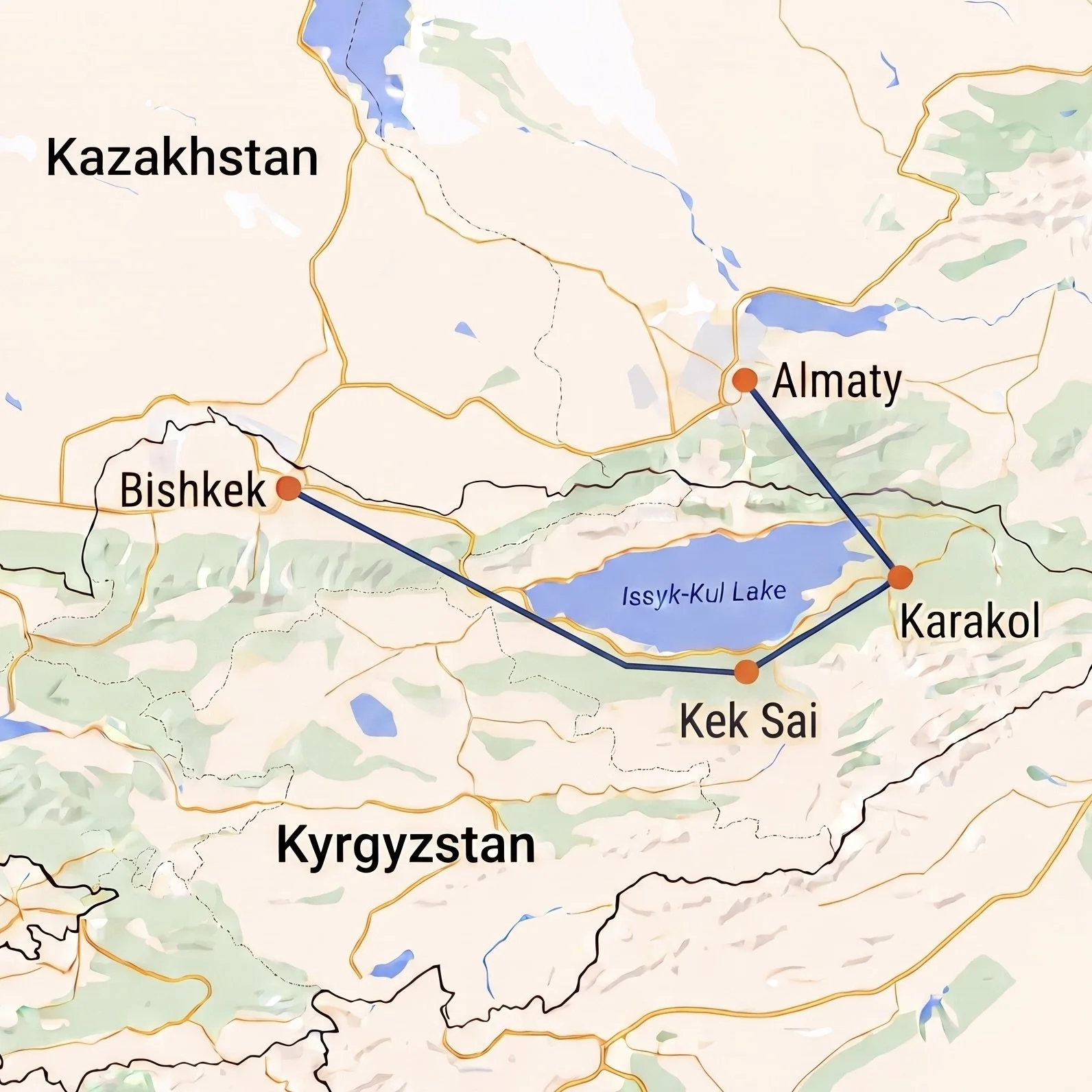
Travel from Bishkek through Kyrgyzstan’s dramatic mountain scenery, exploring Fairytale Canyon and yurt traditions near Karakol and Issyk-Kul Lake. Journey past ancient minarets and deep gorges before a brief finale in leafy Almaty.
Highlights of Kyrgyzstan and Kazakhstan
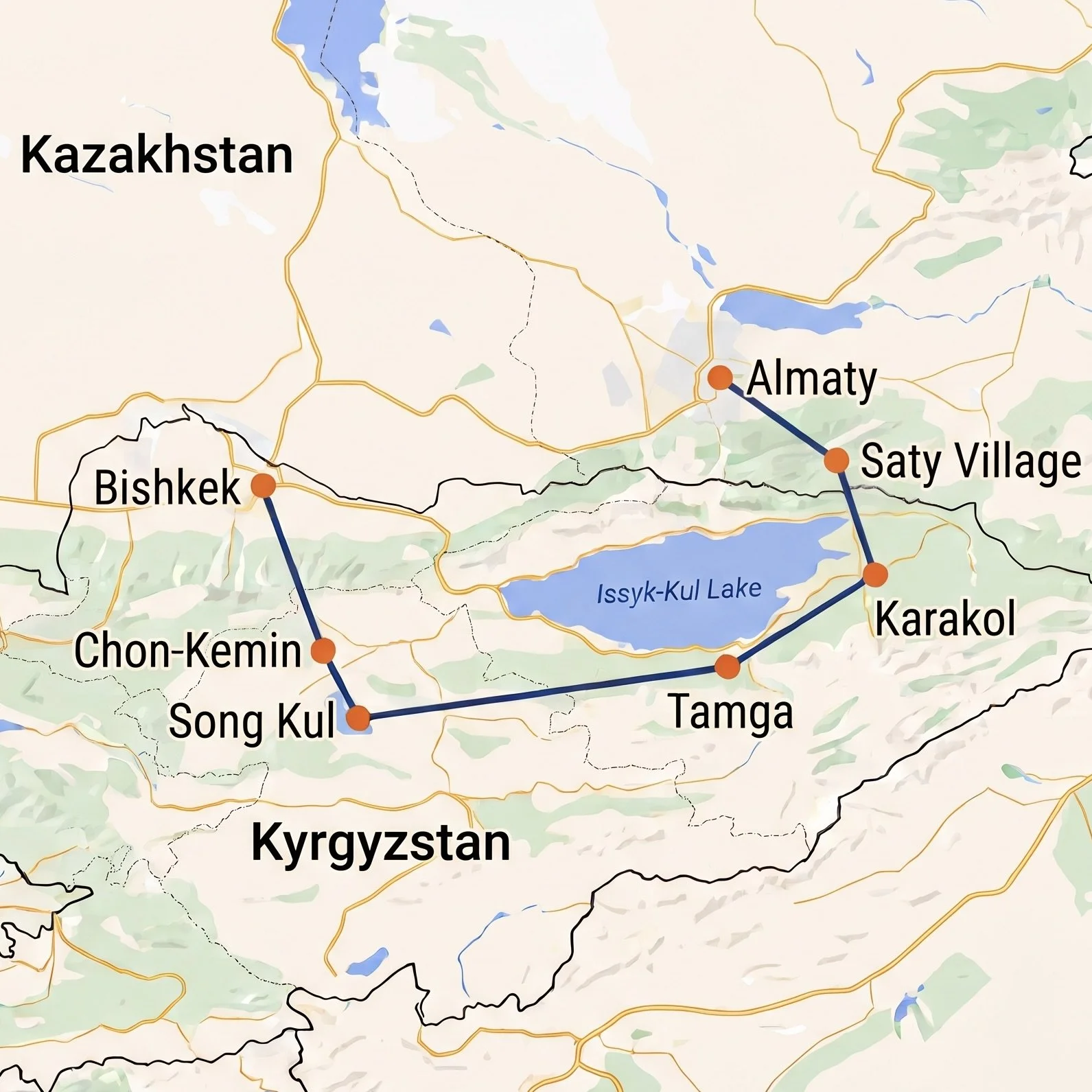
Travel from Bishkek through Central Asia’s raw landscapes. Stay in traditional yurts and guesthouses beside alpine lakes, discover Karakol’s wooden architecture, then cross into Kazakhstan to experience Charyn Canyon and leafy Almaty.
-
Aim for spring or autumn if you want to explore the capital comfortably. May brings fresh weather and green avenues, whilst September and October see the city cool down after the blistering summer. Both times of year show off the city parks at their best, making it a great time for strolling down the city's boulevards or checking out the open-air monuments.
On the flip side, the summer months of June, July, and August get incredibly hot. All the concrete around the central squares holds the heat, which makes walking around at midday exhausting. December through to February brings freezing Siberian winds and heavy snow that make the pavements treacherous. If you time your trip around Nooruz on 21 March, you can catch the street festivals and traditional games in the public squares. Just keep in mind that smaller shops and local museums often close over the New Year and Independence Day on 31 August so families can celebrate together.
-
Many travellers view the capital merely as a quick pit stop before rushing off to the mountains, typically spending just one or two days ticking off the main central sights. While this is technically enough to see the changing of the guard at Ala Too Square, browse the stalls at Osh Bazaar, and squeeze in a half-day trip to the nearby Ala Archa National Park, a rushed itinerary misses the true charm of the city.
Slowing down and dedicating three to five days allows you to explore with genuine curiosity. This extra time gives you space to wander through the lesser-known, tree-lined residential neighbourhoods of the Soviet-era microdistricts, where everyday life unfolds away from the tourist track. You can spend unhurried afternoons diving into the burgeoning specialty coffee scene, hunting for hidden street art, and visiting independent galleries. A longer stay also promotes a more responsible style of travel, distributing economic benefits directly to local businesses, family-run guesthouses, and neighbouring eateries while giving you a much more authentic understanding of modern Kyrgyz urban identity.
-
Before finalising any travel plans, it is highly recommended to read your government's official local travel advisory for the most current security information. Generally speaking, the capital is a welcoming and relatively safe destination for international visitors, although exercising standard common sense is essential.
Petty crime like pickpocketing is the most frequent issue, particularly in crowded, high-traffic zones like the labyrinthine alleyways of Osh Bazaar or around major transit hubs. Keep your valuables secure and out of sight. Avoid drinking alcohol to excess, especially in nightlife districts or parks after dark, as minor altercations can escalate quickly. To protect yourself against unexpected medical issues or travel disruptions, always ensure you have a comprehensive travel insurance policy active for the duration of your trip.
-
While the capital is the most secular and progressive city in Kyrgyzstan, local culture remains socially conservative, and dressing respectfully goes a long way. When walking around the city centre, smart-casual attire is ideal. To show respect for local norms, everyone should aim to keep their shoulders, midriffs, and knees covered. Revealing items like singlet tops, crop tops and shorts are best left at home, as they can cause offence and draw unwanted attention.
Special care must be taken at religious monuments, such as the Grand Central Mosque and Orthodox churches. Everyone should wear loose-fitting clothing that covers both arms and legs completely, and women will need to bring a lightweight scarf to cover their hair before entry.
If you are fortunate enough to be invited into a local family home, always remove your shoes at the front door without being asked. Hosts will often provide a pair of indoor slippers for you to wear. It is also customary to bring a small token of appreciation, such as a box of high-quality sweets or fresh fruit, which should be handed over using your right hand as a sign of respect.
-
Packing for Bishkek requires balancing practical outdoor readiness with culturally respectful city wear. Loose-fitting trousers, long skirts, and breathable shirts are perfect for sightseeing, keeping you cool while ensuring shoulders and knees are appropriately covered. Lightweight jackets or jumpers are essential even in summer, as evening temperatures drop sharply once the mountain breezes roll in. If your itinerary includes a trip to any alpine lakes or hot springs, pack modest swimwear, as skimpy bikinis or revealing trunks can make conservative locals feel uncomfortable.
Sturdy walking shoes are essential for navigating uneven pavements and cobblestone squares. You will also want footwear that is easy to slip on and off when visiting mosques or local homes. If you are braving the winter months, pack serious cold-weather gear, including a heavy thermal down coat, merino wool base layers, a beanie, and insulated gloves. For those visiting during the months of April or October, spring showers and autumn rain are common, so packing a compact umbrella and a high-quality windproof, waterproof jacket will keep you comfortable on damp days.
-
The local culinary landscape is a hearty reflection of nomadic heritage, heavily revolving around meat, dough, and dairy. The absolute must-try dish is beshbarmak, which literally translates to "five fingers" because it was traditionally eaten by hand. It consists of finely minced boiled horse meat or mutton served on top of hand-cut noodles and drenched in a rich, onion-infused broth. Trying this dish is a fantastic window into Kyrgyz culture, as it is traditionally prepared to honour esteemed guests and celebrate major family milestones.
For a lively dining experience, head to the bustling food zones around Osh Bazaar or the specialist cafes lining Chuy Avenue. Here you can feast on freshly baked samsa, which are flaky pastry pockets stuffed with spiced meat and onions cooked inside a traditional clay tandoor oven. Another crowd-pleaser is lagman, a comforting dish of hand-pulled noodles stir-fried with meat and seasonal vegetables that highlights the historical Silk Road connections with Western China. Wash it all down with a bowl of kymyz, a slightly sparkling, fermented mare's milk that is deeply rooted in the country's nomadic identity.
Essential Insights
-
Most international travellers arrive via Manas International Airport (BSZ), located roughly twenty-five kilometres northwest of the city centre. The airport connects the capital with major regional transit hubs such as Istanbul and Dubai, as well as cities across Central Asia.
For overland journeys, the city is connected to the wider region via two main railway stations: Bishkek-1 and Bishkek-2. These stations primarily service a mixture of slow, atmospheric regional trains and long-distance international routes linking Kyrgyzstan with Kazakhstan and Russia. Although overland journeys take longer than flying, travelling between city centres by rail eliminates airport transit stress, offers unmatched views of the changing steppe landscapes, and allows you to travel in a way that is far kinder to the environment.
Buses are the fastest overland option when travelling between Bishkek and Almaty. When it comes to domestic intercity travel, marshrutkas (shared minibuses) travel to most towns across the country, and major destinations have frequent departures. It is best to travel during daylight hours due to potentially hazardous road conditions.
-
Navigating the capital is simple and highly affordable once you understand the local transport network. There are numerous buses criss-crossing the city, including the number 1 bus which goes all the way from Oak Park to Ala Archa National Park. You can pay drivers directly in cash with small change, although many vehicles now accept digital transport cards or mobile payments via local QR systems.
For a more seamless door-to-door journey, using officially registered rideshare apps like Yandex Go is the most secure and reliable method. These apps display a fixed fare before you step inside, completely removing the risk of being overcharged, and you can choose to link your credit card to the app or pay the driver the exact amount in cash at the end of the trip. If you prefer to explore entirely under your own steam, the city centre is exceptionally flat, green, and pedestrian-friendly, making it easy to visit the top museums, theatres, and historical landmarks comfortably on foot.
-
Staying connected while exploring the city is straightforward, and obtaining a data connection should be one of your first priorities upon arrival. Local SIM cards are widely available, highly reliable, and very inexpensive. The major telecommunications networks have dedicated kiosks right inside the arrivals hall at Manas International Airport, as well as numerous branches dotted throughout the city centre. Registration is quick, although you will need to present your physical passport so the operator can register the number to your name.
If you prefer the convenience of having your data sorted the moment your plane touches down, an eSIM is an excellent alternative. Purchasing a digital data pack beforehand allows you to bypass the airport SIM card queues entirely and keep your physical home SIM active for important banking notifications. For a seamless digital setup, Ohayu offers reliable eSIM plans tailored for Central Asia, giving you instant access to maps, translation tools, and rideshare apps the second you arrive in the country.
-
The local currency is the Kyrgyz Som, and cash is still king for day-to-day transactions. ATMs are widely distributed throughout the city centre, inside large shopping malls, and at major bank branches. While larger hotels, upscale restaurants, and major supermarkets happily accept Visa and Mastercard, smaller guesthouses, bazaar stalls, and public transport operators deal exclusively in cash. American Express is rarely accepted anywhere outside of top-tier luxury establishments.
Local residents frequently use QR code payment apps linked to domestic bank accounts, but these systems are generally inaccessible to international tourists without a local bank card. Carrying a backup stash of hard currency is highly recommended. Crisp, uncreased, and unmarked US Dollar or Euro bills are excellent to have on hand. They can be easily converted into local currency at the numerous 24-hour exchange booths lining Moskovskaya Street, offering a reliable financial safety net if an ATM ever fails you.
-
Russian functions as the main language of daily business and administration in the capital, alongside Kyrgyz, the state language. In the city centre, English proficiency is growing rapidly among the younger generation, and you will find that staff at specialty cafes, trendy boutique hotels, and popular tourist restaurants speak English quite well. Major museums and upmarket dining spots generally provide English signage and menus, making independent exploration relatively straightforward.
However, once you step outside the central tourist bubble, visit traditional markets like Osh Bazaar, or interact with bus drivers and older residents, English is rarely spoken. To bridge the gap, downloading a translation app with an offline Russian and Kyrgyz language pack onto your smartphone before you arrive is incredibly helpful. Learning a few basic phrases like salamatsyzby (hello) and rakhmat (thank you) goes a long way with the locals, who are famously hospitable and always appreciate it when visitors make an effort to connect in their own language.
-
No, the tap water in the capital is not considered safe for international travellers. While the city's water infrastructure supplies municipal water that is often treated, the ageing pipe systems and localised distribution networks mean that harmful bacteria, viruses, and parasites can easily contaminate the supply before it reaches your room. To avoid stomach upsets or more serious water-borne illnesses, you should avoid drinking untreated tap water, using it to brush your teeth, or consuming ice cubes made from tap water.
To keep your journey sustainable and minimise the amount of single-use plastic waste heading to local landfills, avoid buying endless small plastic bottles. Instead, pack a reusable water bottle equipped with an inbuilt purification filter designed to strain out microbiological contaminants. When booking your trip, look out for accommodation options that provide free filtered water refill stations. If you must buy bottled water, purchasing maximum-sized water containers to top up your personal flask is a much more responsible way to reduce your environmental footprint.