
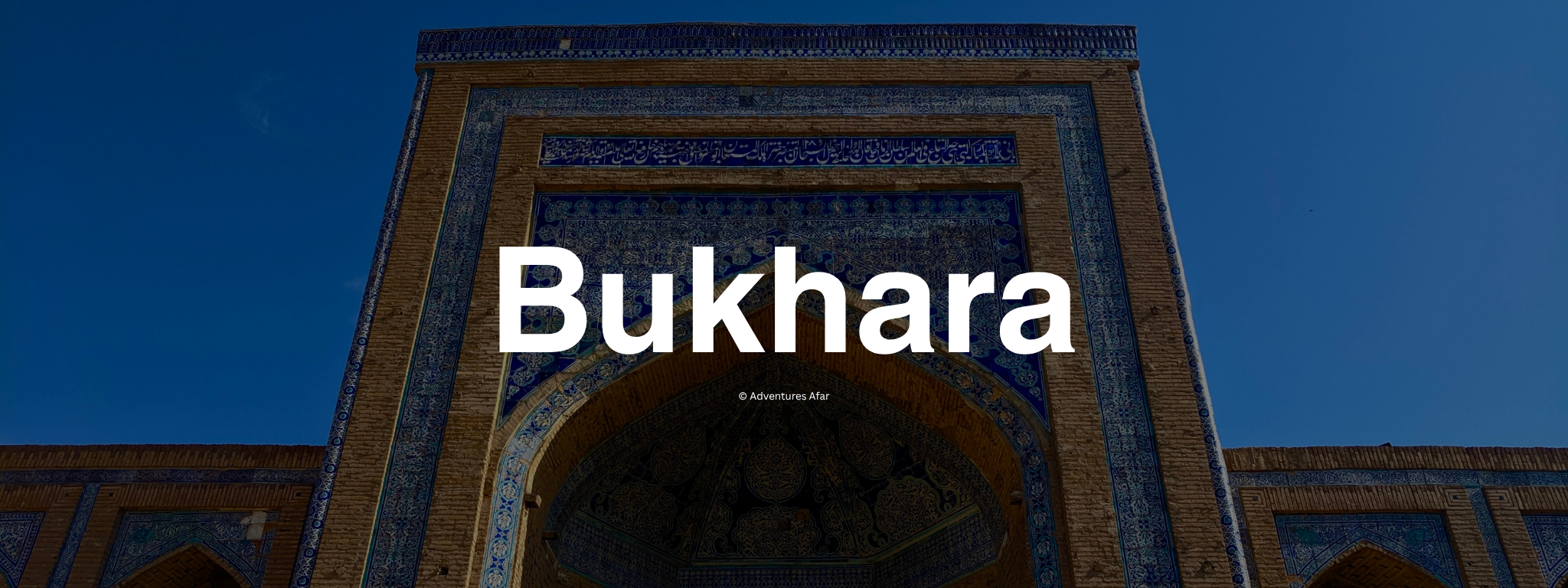
Sacred Citadels and Royal Pavilions
The ancient trading metropolis of Bukhara offers travellers an extraordinarily atmospheric journey into the spiritual heart of the Silk Road. Encompassing a wonderfully intact medieval urban fabric, this UNESCO World Heritage listed old town is packed with sand-coloured domes, historic caravanserais, and grand madrasas that reflect centuries of Islamic scholarship. Visitors can bargain for handwoven carpets inside centuries-old covered markets, explore colossal earthen fortresses, or venture just outside the centre to discover opulent royal summer palaces. Presenting a raw, authentic charm where traditional alleyways meet beautifully preserved monuments, Bukhara is a compelling destination for anyone seeking true historical depth and a living connection to the great merchant trails of Central Asia.
This Adventures Afar guide contains affiliate links. If you book through these, we may earn a commission at no extra cost to you.
Unmissable Highlights
-
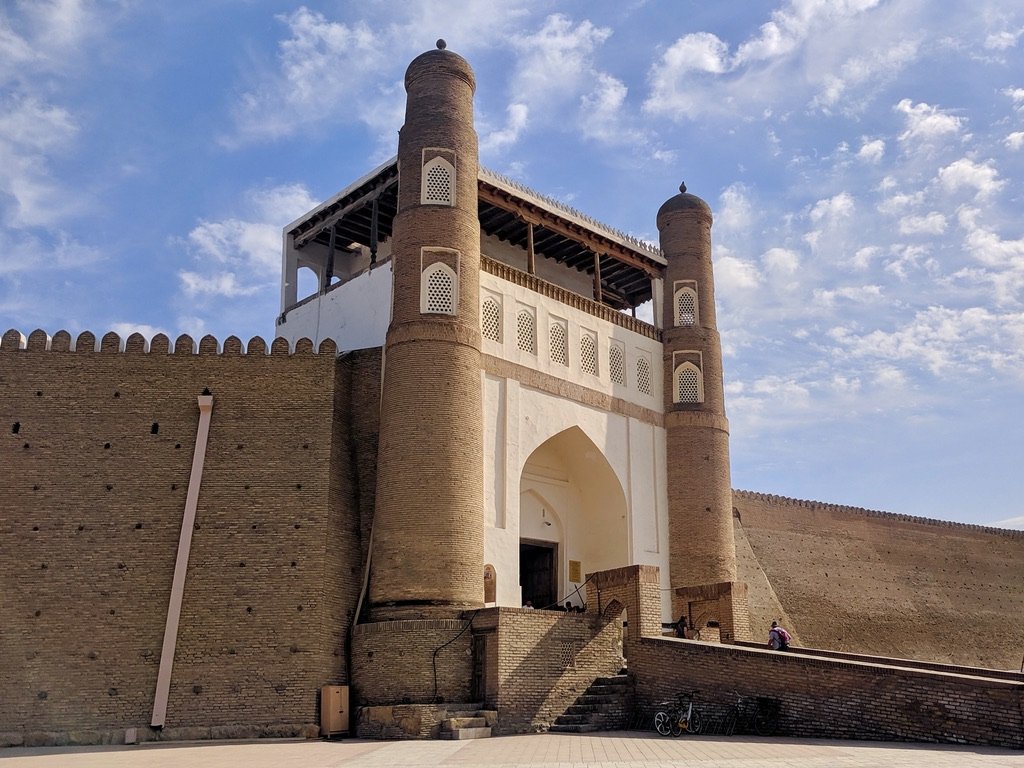
Ark of Bukhara
Rising high above the sprawling expanse of Registan Square, the colossal earthen walls of the Ark of Bukhara showcase the oldest defensive fortification in the city. Initially established around the fifth century, this massive mud-brick stronghold functioned essentially as a secure, self-contained royal town that housed over three thousand residents, including the ruling emirs, military generals, and regional treasuries. Visitors scaling the grand entrance ramp can explore a maze of historic stone reception courtyards, stables, and old coronation halls that now serve as a captivating museum. The weathered ramparts provide a raw and evocative window into centuries of Silk Road military history.
Did You Know? Ancient builders intentionally modelled the layout of the fortress after the seven-star Ursa Major constellation. Sages advised this celestial design because previous structural foundations repeatedly collapsed into the dust immediately after being built.
-
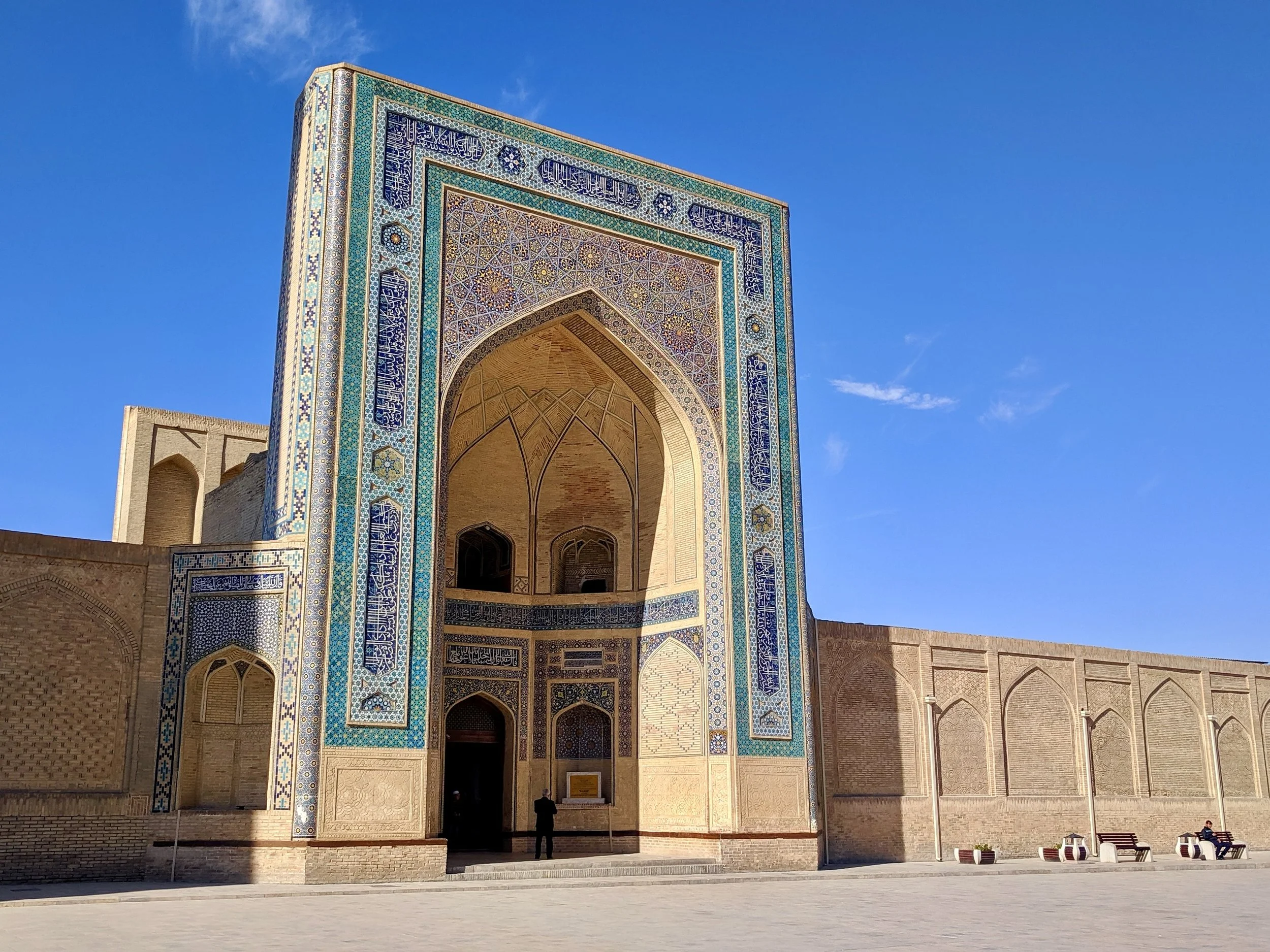
Kalan Mosque
Forming a spectacular cornerstone of the historic Po-i-Kalyan complex, the magnificent Kalan Mosque stands as one of the most sublime religious structures in Central Asia. Completed in 1514 under the Shaybanid dynasty, the monument is part of Bukhara’s ancient old town, an officially designated UNESCO World Heritage site. The massive rectangular courtyard is completely enclosed by a vaulted gallery featuring an array of 288 brick domes supported by 208 monumental pillars. Visitors can wander through the grand tiled iwans (three-sided vaulted halls) and appreciate the intricate, glazed ceramic bands and elaborate mosaic patterns that reflect a golden age of Islamic theology and master craftsmanship.
Did You Know? When Genghis Khan plundered the city in 1220, he was so awestruck by the height of the adjacent 47-metre minaret that still stands tall today that he ordered his army to spare it, even as the rest of the original mosque complex was razed to the ground.
-
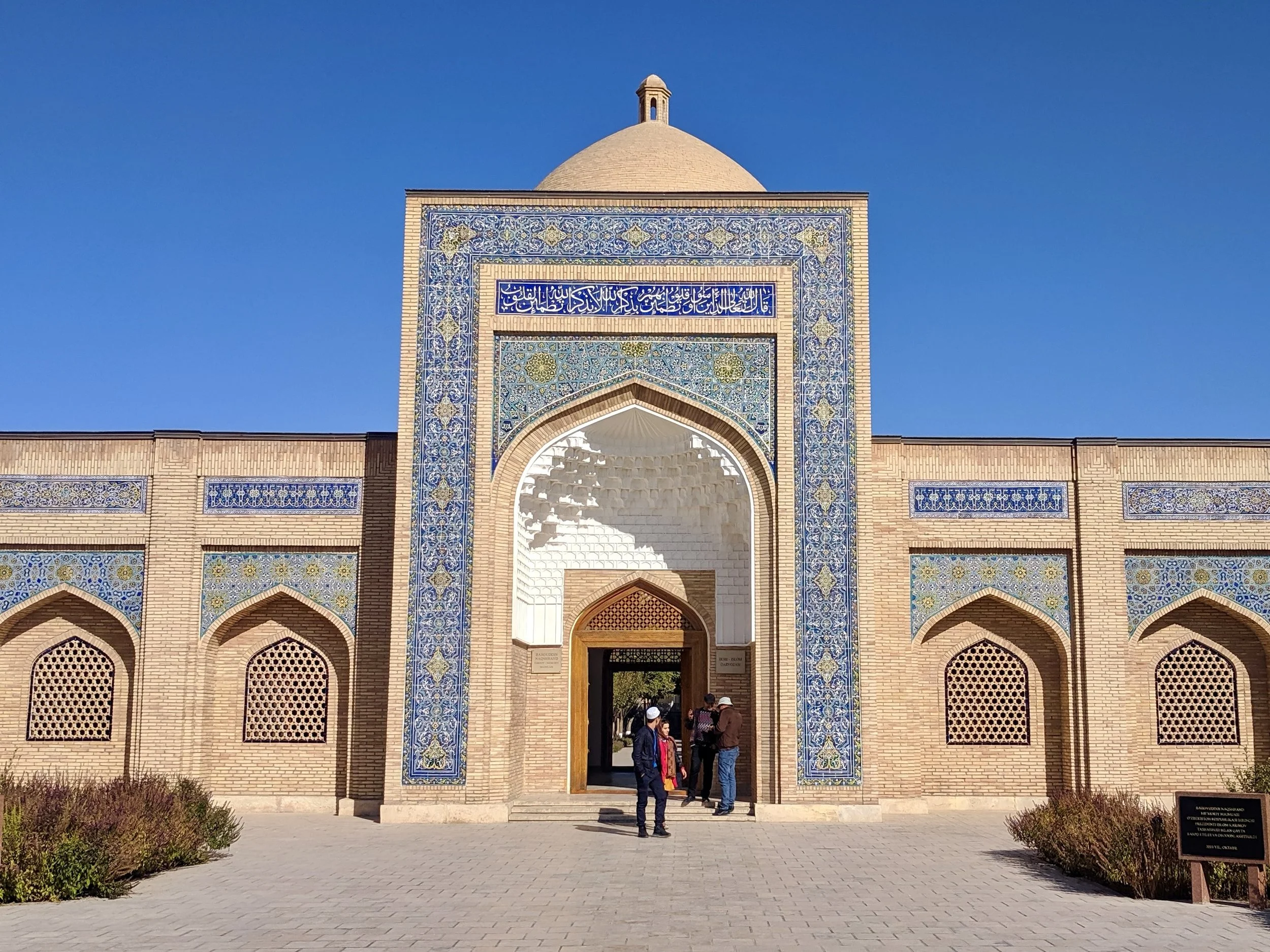
Bahauddin Naqshbandi Complex
Located just outside the ancient city of Bukhara, the tranquil Bahauddin Naqshbandi Complex is one of the most significant and sacred Sufi pilgrimage sites in Central Asia. This sprawling spiritual sanctuary honours the fourteenth-century founder of the Naqshbandi Sufi order, a highly influential mystical branch of Islam. The architectural ensemble features an elegant courtyard, a grand assembly hall, multi-columned mosques, and a quiet burial vault decorated with intricate local woodcarvings. The historic destination is officially inscribed on the UNESCO World Heritage List under the Silk Roads Zarafshan-Karakum Corridor network, drawing travellers and devout pilgrims who come to absorb the serene atmosphere.
Did You Know? Local tradition dictates that making three separate pilgrimages on foot from Bukhara to this mausoleum carries the same spiritual weight for Central Asian Muslims as completing the sacred hajj pilgrimage to Mecca.
-
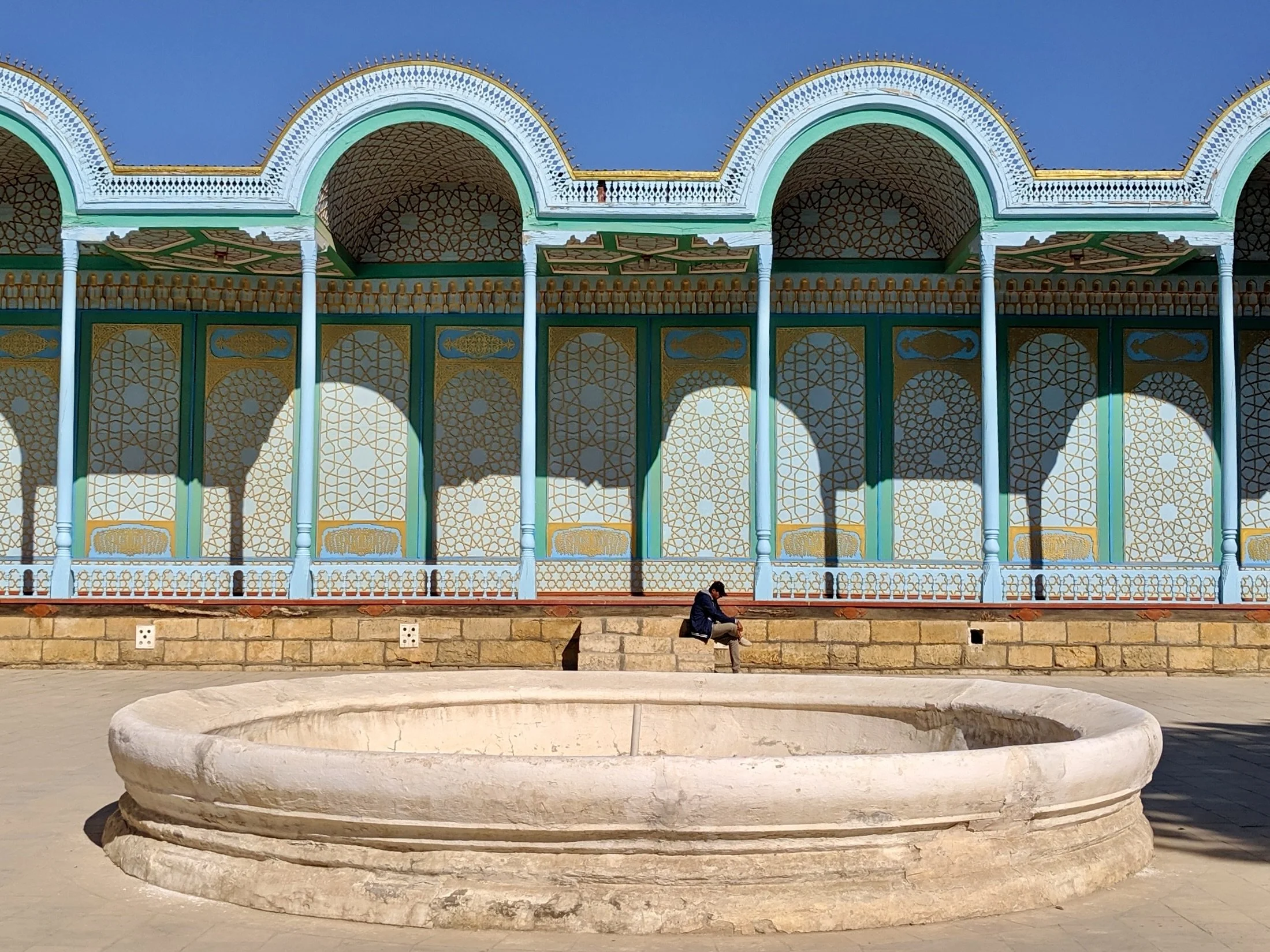
Sitora-i-Moh-i Khosa Palace
Situated a short drive north of the medieval core, the opulent Sitora-i-Moh-i Khosa Palace offers a fascinating look into the final decades of royal rule in the emirate. Constructed between the late 19th and early 20th centuries as a country retreat for the last Emirs of Bukhara, the grand estate boldly blends imperial Russian design with traditional Central Asian architecture. Visitors can explore a series of lavishly decorated pavilions featuring grand European windows, hand-carved ganch plasterwork, and crystal chandeliers. The sprawling green gardens are filled with roaming peacocks, creating a stark and refreshing contrast to the arid desert landscape outside the palace walls.
Did You Know? The poetic name of the royal estate translates directly from Persian to mean the Palace Like the Stars and the Moon, built partly to celebrate the favourite queen of the ruler, who loved stargazing in the gardens.
Recommended
Multi-Day Itineraries
Put this guide into practice with these hand-picked small group journeys,
featuring both iconic landmarks and immersive cultural experiences.
Samarkand, Bukhara & the Ancient Silk Road
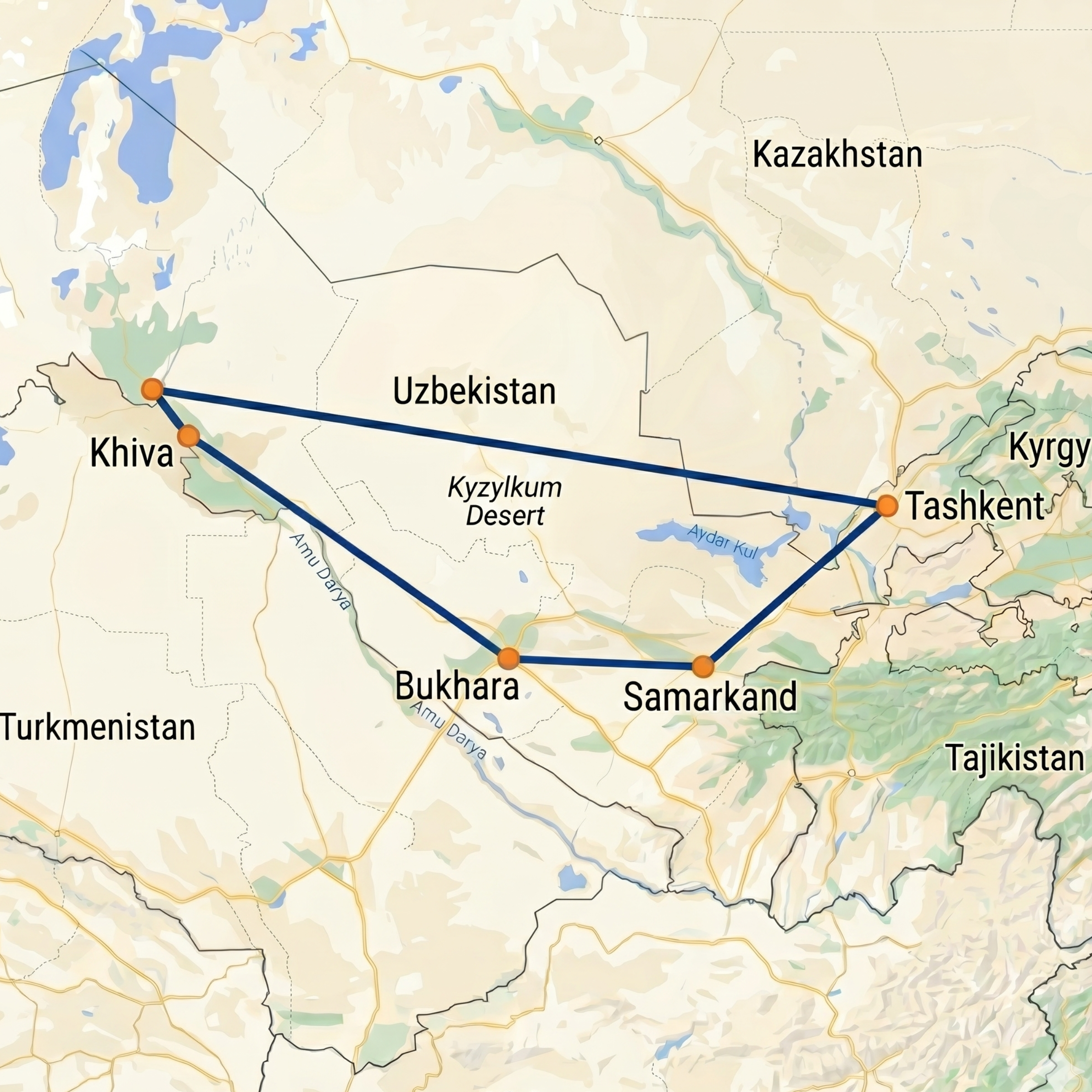
This premium itinerary focuses on the core architectural marvels of the Silk Road. Travel from Tashkent to experience the immense scale of Samarkand's Registan Square before walking the covered bazaars and historic alleyways of Bukhara and Khiva.
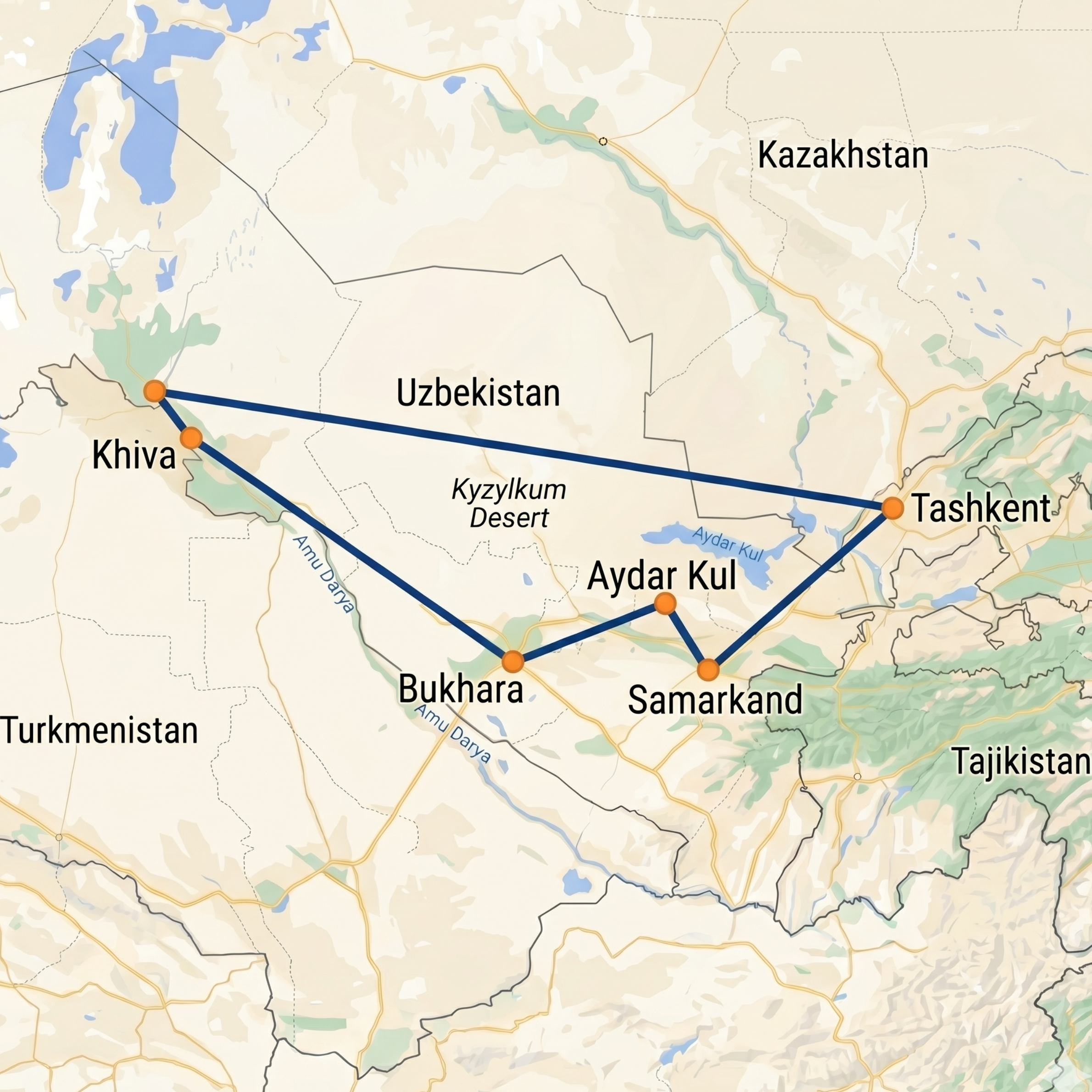
Explore Uzbekistan’s historic Silk Road. Journey from Tashkent to the magnificent mosques of Samarkand and Bukhara before exploring the mud-walled desert citadel of Khiva. A highlight is venturing into the Kyzylkum Desert to Aydar Kul for an overnight stay in a traditional yurt.
-
The prime months to visit Bukhara are April to May and September to October. During these spring and autumn windows, the fierce desert sun relents, providing beautifully mild and clear days that are ideal for wandering through the open-air old town. Visiting in May or September also provides a chance to catch regional cultural events, including traditional silk and spice exhibitions that showcase ancient craft techniques.
Summers from June to August are punishingly hot, with temperatures regularly soaring past 40°C. Conversely, winter months from December to February bring freezing continental winds that sweep through the unpaved alleyways.
When coordinating travel timelines, it is highly beneficial to avoid the national public holidays, particularly Navruz around 21 March and Independence Day on 1 September. During these significant cultural celebrations, domestic high-speed trains sell out weeks in advance as local families travel, and many independent bazaar stalls temporarily close.
-
Whilst the typical amount of time spent by most visitors is a rushed single night or two, a rapid stay barely scratches the surface of this historic oasis. A minimum of two full days is required to tick off the central monumental highlights like the Ark and the Kalan Mosque without exhaustion. However, the ideal amount of time to properly discover the destination is three to four days. Slowing down the pace allows curious travellers to explore the lesser-known residential clay mahallas, visit the tranquil summer palaces outside the centre, and engage more deeply with independent weavers and coppersmiths. Extending a stay directly supports the local economy and reduces the environmental impact associated with rushed, multi-city transit.
-
Reading your government's local travel advisory prior to departure is essential to obtain up-to-date regional safety guidelines. Bukhara is a highly secure, peaceful city with an exceptionally low rate of violent crime, making it a very comfortable environment for international tourists.
Well-known scams involve aggressive pricing tactics at the craft markets, where merchants may quote heavily inflated initial prices for items like hand-woven carpets, making patience and good-natured bargaining necessary. Practising basic common sense, avoiding drinking alcohol in excess, and strictly respecting local laws ensures an entirely trouble-free trip. It is also imperative to always have a comprehensive travel insurance policy in place to safeguard against unexpected transit delays or medical situations.
For more practical tips and expert advice on staying safe during your trip, visit our dedicated page on Travel Safety.
-
Showing respect for the traditional culture and Islamic heritage of the city is key to a rewarding visit. While sightseeing or generally walking around the old town, casual clothing is perfectly acceptable, but attire should always remain respectful and modest by ensuring shoulders, chests, and knees are completely covered, whether exploring the streets or visiting historical sites. Tight activewear, low-cut tops, and shorts are inappropriate for any gender.
Stricter expectations apply when entering religious monuments such as mosques or the holy Bahauddin Naqshband complex. Everyone must cover their legs and remove their shoes at the entrance, and women should cover their arms and hair with a lightweight scarf. If invited into a local home, it is customary to remove shoes at the front door, and bringing a small gift of fresh market fruit or traditional sweets is a wonderful way to express gratitude for the local hospitality.
-
Pack loose, lightweight garments made from breathable natural fabrics like cotton or linen to manage the sunny daytime weather while remaining fully and appropriately covered. Recommended items include long breathable trousers, loose long-sleeved shirts, and modest maxi dresses. Don’t pack singlet tops, crop tops, or shorts, as these will cause genuine discomfort and offence in this socially conservative region.
Because shoes must be taken off repeatedly when entering shrines, mosques, and family guesthouses, packing comfortable, easily removable slip-on walking shoes is incredibly useful. There are no public swimming options in the historic core, but if your accommodation features a private pool, very modest swimwear is expected to respect local norms. For spring or autumn travel, a light windbreaker handles sudden evening desert temperature drops, and if visiting during the winter months, heavy thermal base layers, a thick winter coat, and warm gloves are mandatory.
-
Exploring the culinary landscape is an essential part of the cultural experience. The absolute must-try dish is Bukhara plov, a distinct regional variation of the national rice dish where the meat, yellow carrots, raisins, and rice are layered and steamed in separate stages rather than mixed together, resulting in a lighter flavour.
Another regional classic is barak, delicate square dumplings stuffed with minced meat or seasoned greens, often served with fresh yoghurt. Head directly to the ancient caravanserais and the small eateries tucked behind the Lyabi-Hauz pond to try these fresh specialties alongside hot, tandoor-baked flatbreads. Sampling these dishes supports multi-generational agricultural heritages and offers a delicious taste of the oasis community’s traditional hospitality.
Essential Insights
-
Travelling to the city via rail is an excellent, sustainable option that aligns perfectly with the responsible travel ethos by lowering the carbon footprint of your journey. Modern, comfortable Afrosiyob high-speed trains run daily from Tashkent Central Railway Station and Samarkand directly into Bukhara Railway Station, located in the adjacent suburb of Kagan. This scenic rail route connects city centre to city centre much faster and with significantly less hassle than navigating domestic airport security.
For those flying, Bukhara International Airport (BHK) handles domestic arrivals from Tashkent alongside select regional routes. Taking the high-speed train between the primary tourist hubs is far faster, more relaxing, and more environmentally friendly than checking into domestic flights.
-
The entirety of the primary tourist attraction zone inside the historic old town is completely pedestrianised, exceptionally compact, and best explored entirely on foot by choosing a hotel near Lyabi-Hauz or the Trading Domes. Local public buses and fixed-route minivans cover the main avenues for a small cash fee paid upon boarding.
For longer journeys outside the mud-brick core, such as trips to the train station or the Sitora-i-Moh-i Khosa palace, using the rideshare app Yandex Go is highly efficient and provides clear upfront pricing. These trips are usually paid for using cash directly to the driver at the end of the ride, as international card linking isn’t reliable.
-
Acquiring reliable data connectivity is simple, and travellers can easily purchase a local physical SIM card by presenting a passport at official mobile network store branches near the city centre. However, purchasing a digital eSIM prior to arrival completely removes the hassle of finding a physical retail kiosk.
For excellent data speeds and strong network coverage across the entire region, Ohayu stands out as a reliable eSIM choice. This ensures translation apps and navigation maps remain fully functional the moment you arrive.
-
Cash is commonly used for daily transactions in the city, especially when purchasing hand-made souvenirs from independent artisans, dining at traditional cafes, or paying transport fares. While standard ATMs are available near major commercial bank branches inside the old town, they can occasionally experience network outages or run out of notes entirely, so relying on them as a primary source of funds is highly risky.
Visa and Mastercard are accepted at larger hotels, but smaller guesthouses and local market vendors operate entirely on cash. Carrying a clean supply of unblemished US Dollar or Euro bills is highly recommended, as these can be quickly converted into local currency at official bank counters. While local businesses use a national QR code mobile system via domestic apps, this infrastructure is built around domestic banking, making cash the primary tool for international visitors.
-
English proficiency varies significantly across the city, as Uzbek, Tajik, and Russian are the primary modes of communication spoken by the vast majority of the population. While major historical monuments within the tourist core feature English descriptive plaques and museum staff often possess basic conversational English skills, English menus and signs are rare at traditional neighbourhood eateries and local markets.
Despite the language barrier, local residents are incredibly warm and always eager to assist visitors navigating their town. Safely downloading a reliable translation app with offline capabilities onto a smartphone prior to arrival is highly recommended, as it makes bargaining for handicrafts, ordering local dishes, and interacting with locals a smooth and enjoyable experience.
-
No, the public tap water is not safe for international visitors to drink due to outdated regional distribution pipes and the unique mineral composition of the desert water table. To prevent any stomach issues or transit illnesses, rely completely on bottled, filtered, or purified water for drinking and brushing teeth.
To practice responsible travel and minimise single-use plastic waste, use a reusable water bottle equipped with an advanced internal microbiological filtration system. When booking accommodation, prioritise properties that explicitly offer complimentary filtered water refill stations, allowing for easy bottle top-ups before heading out to explore the ancient fortresses.