

Giant Pandas and Tea House Opera
As the capital of Sichuan and a UNESCO City of Gastronomy, Chengdu is a vibrant hub where ancient heritage meets China’s legendary southwest charm. While famous for its giant panda conservation, the city offers immersive cultural experiences, from exploring historic Taoist temples and lively teahouses to witnessing the drama of Sichuan Opera. Whether you are discovering the hidden corners of the Southern Silk Road or indulging in world-renowned spicy cuisine, Chengdu’s unique blend of tradition and modernity makes it an essential destination for every curious traveler.
This Adventures Afar guide contains affiliate links. If you book through these, we may earn a commission at no extra cost to you.
Unmissable Highlights
-

Panda Research Base
A visit to the Research Base of Giant Panda Breeding is often the first stop for travellers to Chengdu. The centre is designed to mimic the panda’s natural environment with wide open enclosures shaded by bamboo groves and simple trenches rather than cages. Feeding time reveals the animals at their most engaging. Adults sprawl lazily with stalks of bamboo in hand, while playful cubs climb, tumble and chase their keepers in scenes that are both heartwarming and highly entertaining. Red pandas also make an appearance, darting nimbly around their enclosures. The experience offers not only a chance to see these majestic animals up close but also reassurance that the centre is dedicated to conservation.
Did you know? The panda has been a symbol of peace in China for over 2,000 years, as it was believed since the Han Dynasty that the animal's gentle nature could end a battle if a flag with its image was raised between opposing armies.
-
Cultural Landmarks
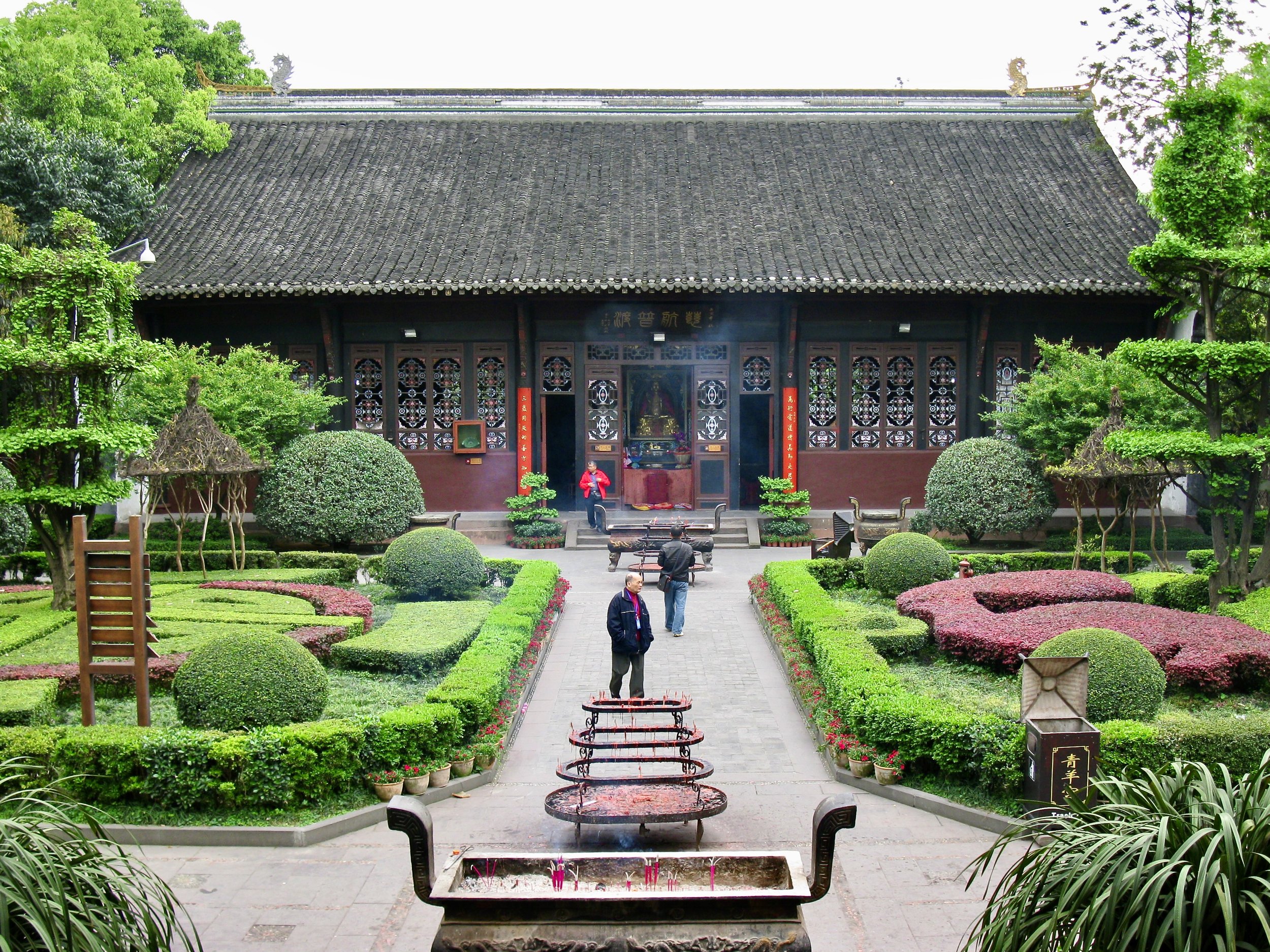
Beyond its pandas, Chengdu offers a rich collection of cultural landmarks. Among the most unusual is the Wangjiang Mausoleum, the only above ground mausoleum in China. Built as a mound-like structure, it houses an extensive stone tomb carved with scenes of musicians, offering insight into ancient funerary practices. Wenshu Monastery, a large and active Buddhist temple complex, is known for its impressive statues and ornate halls, reflecting centuries of spiritual tradition. Lastly, don’t miss Wuhou Shrine set within tranquil gardens of red walls and leafy green surrounds. This is the only site in China where an Emperor and his Minister are worshipped together.
Did you know? The public admired the strategist Zhuge Liang so much, they renamed the entire Wuhou Shrine complex after his official title, Wuhou (meaning Martial Marquis), rather than after the King.
-

Opera & Tea Houses
No trip to Chengdu is complete without an evening at a Sichuan opera. Performances are typically hosted in traditional tea houses, where pots are filled in theatrical fashion with long-spouted kettles that pour boiling water from a metre away. The show itself is a colourful blend of art forms: brief passages of operatic singing give way to shadow puppetry, dramatic sketches, and the famous “face-changing” sequences where performers switch up to 10 masks in under 20 seconds. With music played on traditional instruments, the atmosphere is lively and unforgettable.
Did you know? Sichuan opera’s face-changing technique was once classified as a second-level state secret. Traditionally passed down only to male family members to prevent the technique from "marrying out" of the household, the secret involves a complex system of silk threads and hidden mechanisms.
-
Ancient Towns
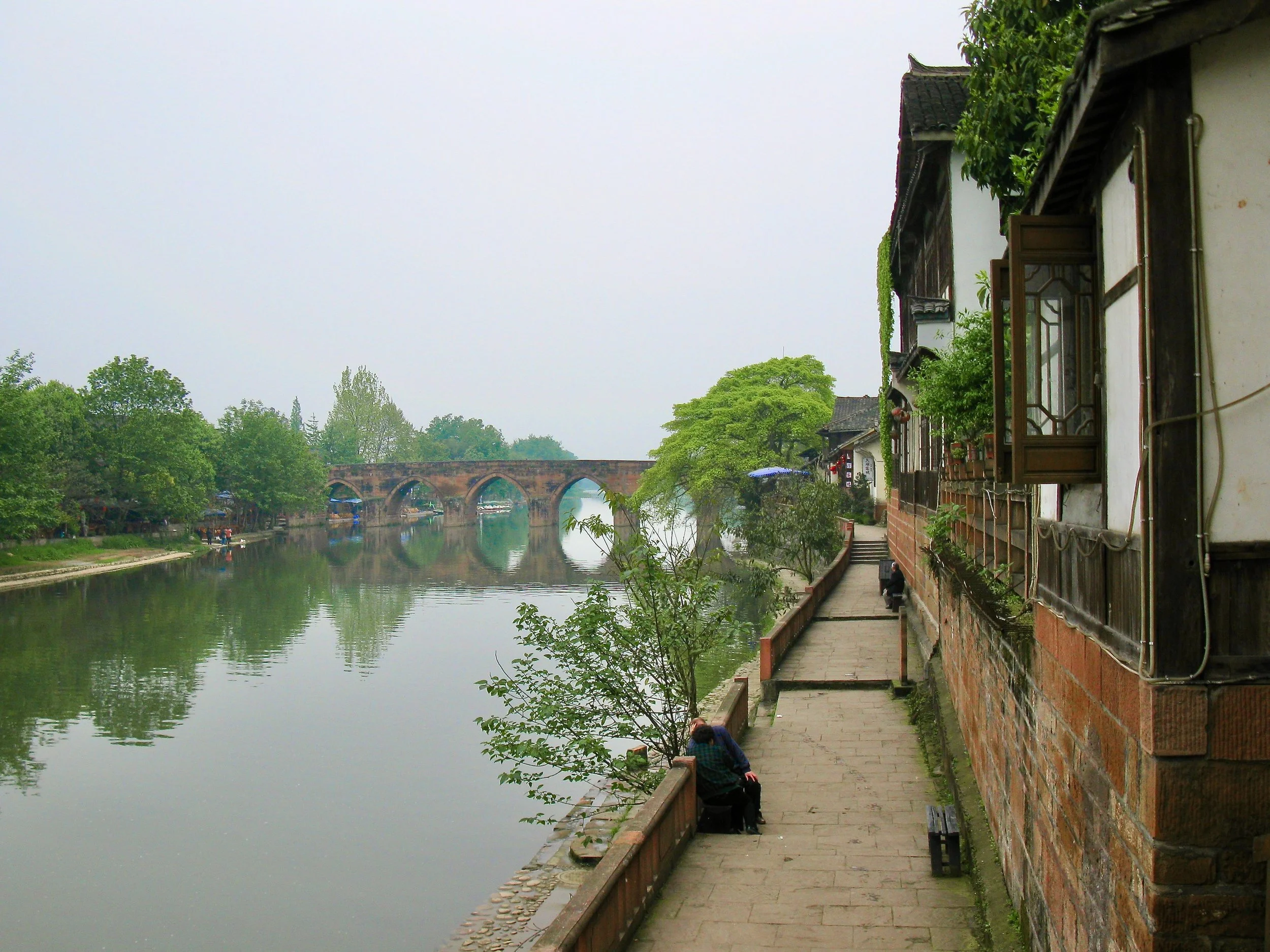
Within easy reach of Chengdu are several well-preserved ancient towns that offer a quieter contrast to the city. Pingle, around two hours away, is known for its wooden houses, narrow lanes and long-standing local community. Closer to the city, Huanglongxi sits beside the river with stone streets, old temples and traditional teahouses. Luodai, one of the largest Hakka settlements in China, features historic courtyards and a lively old town centre. Together, these towns provide insight into Sichuan’s regional history and everyday life beyond the modern capital.
Did you know? As a vital pit stop on the Southern Silk Road, Pingle served as the first major trading post where merchants used 1,500 year old banyan trees as living signposts to navigate the tea and iron trade routes.
Recommended
Multi-Day Itineraries
Put this guide into practice with these hand-picked small group journeys,
featuring both iconic landmarks and immersive cultural experiences.
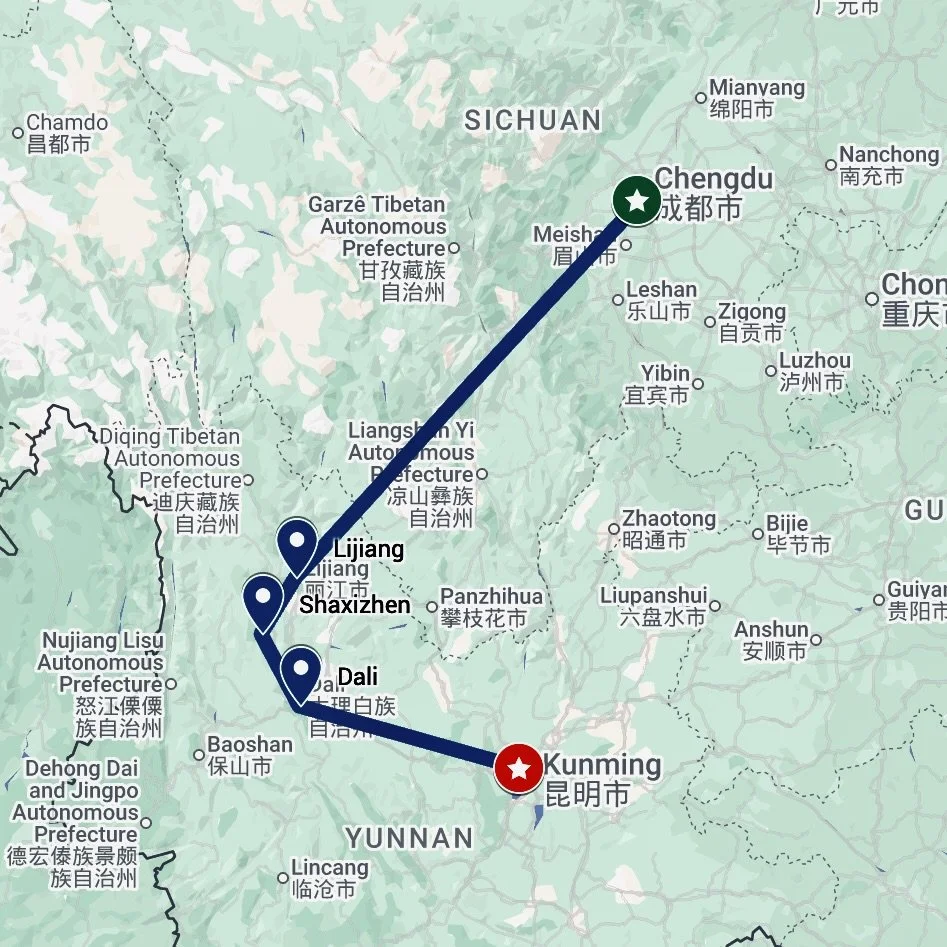
Explore China’s ancient wonders and hidden treasures. Discover the cultural landmarks of Chengdu including Tian'fu Square. Visit the historic streets of Shaxi and Dali before exploring Lijiang’s Black Dragon Pool. Your immersive journey through these lesser known gems concludes in Kunming.
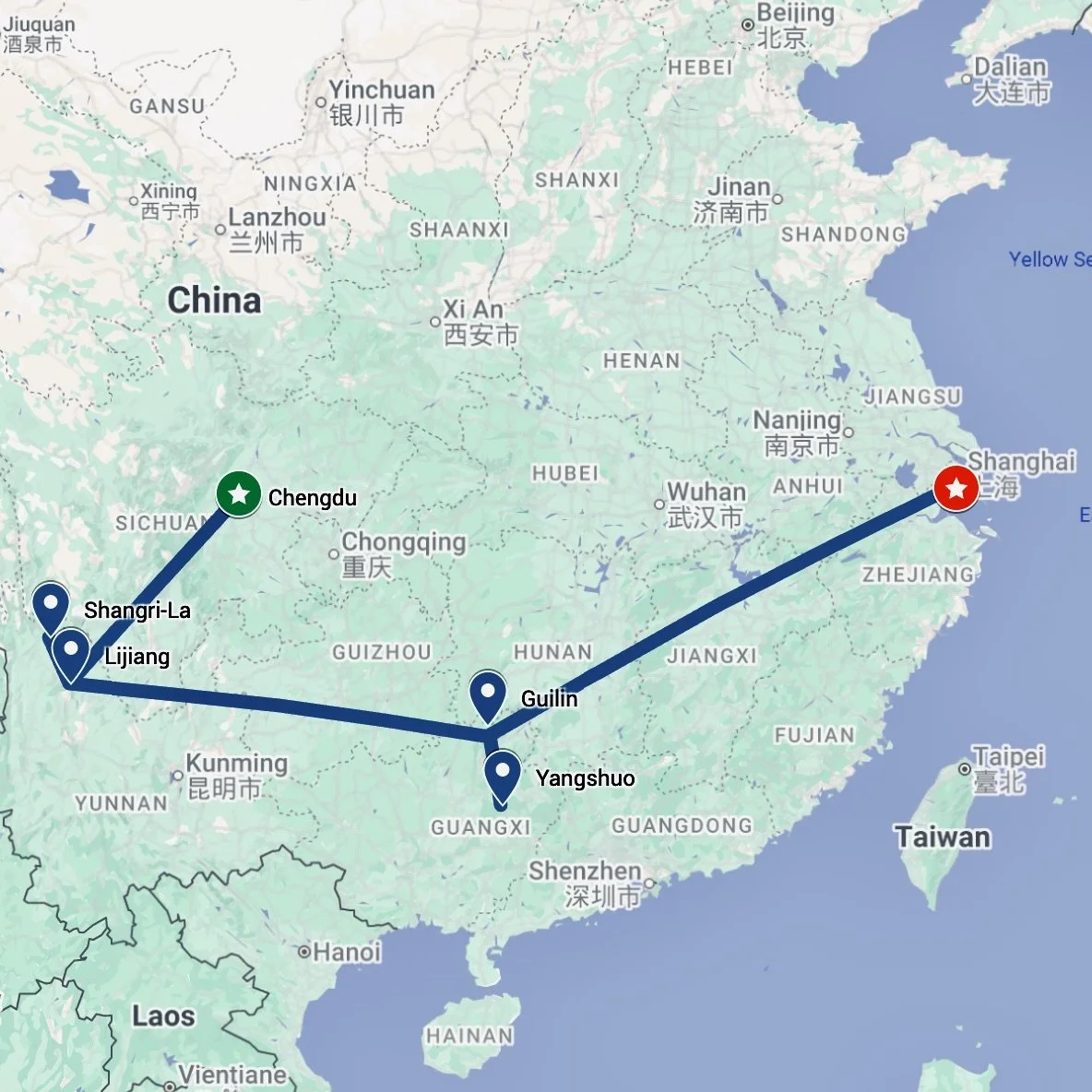
Visit China’s diverse landscapes on this National Geographic tour. Explore Chengdu’s giant panda sanctuaries and the Himalayan foothills of Yunnan. Discover Lijiang and Shangri La before heading to the limestone peaks of Guilin and Yangshuo. Conclude your journey in futuristic Shanghai.
-
To see Chengdu at its best, aim for the spring months from March through to June or the crisp autumn days from September to November. These windows offer the most comfortable temperatures for exploring the outdoor panda enclosures or the leafy grounds of Wuhou Shrine. Spring is especially magical as the blossoms are out, and the panda cubs are often at their most playful in the milder air.
It is wise to avoid the major public holidays if you can. The first week of October (Golden Week) and the Chinese New Year period see the city become incredibly busy, with transport and popular sites reaching capacity. Summer can be quite humid and sweltering, which makes a long day of sightseeing a bit of a challenge. Winter is often grey and misty, though it is the perfect excuse to duck into a warm tea house or enjoy a steaming hotpot.
-
While many visitors try to squeeze the highlights into a weekend, staying for four to six days is recommended to uncover the city’s real depth. Chengdu has a famously relaxed pace of life, and you really need a few extra days to appreciate it properly. A longer stay allows you to visit the Panda Breeding Centre early in the morning when the animals are most active, without feeling rushed to get to your next stop. If you only stay for a couple of days, you’ll likely spend them in queues at the major sites rather than actually experiencing the city’s soul.
Giving yourself closer to a week means you can venture beyond the city centre to discover ancient towns like Pingle or Huanglongxi, where life moves at a much slower speed and the cultural heritage feels more intact. It also gives you the freedom to spend a few hours simply sitting in a park-side tea house with a book or observing the locals, which is where the true heart of Chengdu culture lies. By staying longer, you move from being a spectator to a participant, discovering the quieter neighbourhoods that most visitors overlook in their rush.
-
Chengdu is generally a very safe and welcoming city for travellers. Violent crime is extremely rare, though as with any major capital, it pays to keep an eye on your belongings in crowded markets or busy metro stations. It’s always wise to check your own government's travel advisory for the most up-to-date information before you depart.
Visitors might occasionally encounter minor scams, like being overcharged for a "traditional" souvenir or being approached by unofficial "guides" in tourist areas. A polite "no thank you" is usually all that is needed. Stick to common sense practices like keeping an eye on your drink and respecting local laws.
For peace of mind, always make sure you have a comprehensive travel insurance policy to cover any unexpected medical needs or travel changes.
For more practical tips and expert advice on staying safe during your trip, visit our dedicated page on Travel Safety.
-
Chengdu has a very relaxed vibe, but showing respect for local traditions is always appreciated. When you are visiting temples like Wenshu Monastery, it is respectful to keep your shoulders and knees covered. This applies to everyone, so avoid wearing very short shorts or sleeveless tops when you are on the temple trail.
If you happen to be invited into a local home, the most important thing to remember is to remove your shoes at the door. Your host will usually have a pair of slippers waiting for you. When you are out and about, you'll find that people are generally very friendly, but keeping a calm and polite manner will always serve you best. In the tea houses, it is perfectly normal to spend hours over a single cup of tea, so don't feel the need to rush!
-
Most visitors do a lot of walking in the temples and ancient towns, so a pair of comfortable walking shoes is an important item to pack. Pack modest attire that covers your shoulders and knees for sightseeing, as this ensures you stay respectful of local customs. It is best to leave the very revealing clothing at home, as it can feel a bit out of place in more traditional neighbourhoods.
If you are visiting in the winter, make sure to pack plenty of warm layers, as the damp cold can be quite uncomfortable. For summer visits, lightweight and breathable fabrics will help you manage the humidity. While swimming isn't a major part of a Chengdu trip, if your hotel has a pool, modest swimwear is the standard and will help you feel more comfortable among the locals.
-
You can't visit the "City of Gastronomy" without trying Sichuan Hotpot. It is a deeply social meal where you cook your own meat and vegetables in a simmering pot of spicy, numbing broth. For something a little lighter but just as iconic, look for Mapo Tofu or Zhong Dumplings in a local eatery. These dishes are central to the local community's identity and offer a perfect introduction to the bold flavours of the region.
For a true taste of the city, head to the street food stalls around Jinli Ancient Street or the area near Wenshu Monastery. These spots are famous for traditional snacks like sweet sticky rice or spicy "rabbit head" for the more adventurous. Sampling these local delicacies is a fantastic way to support small vendors and experience the culinary heritage that has made Chengdu world famous.
Essential Insights
-
Chengdu is exceptionally well connected as the gateway to China's southwest. You’ll likely land at either the long-established Shuangliu International Airport (CTU), which is just 16 kilometres from the city centre, or the gleaming new Tianfu International Airport (TFU). While Tianfu is the primary international hub, it is significantly further out at about 50 kilometres. Thankfully, a high speed metro line connects both to the city, making the journey into town surprisingly smooth.
If you are arriving by train, you have several options. Chengdu East (Chengdudong) is the main hub for the sleek high speed rail network, connecting you to cities like Xi’an or Chongqing in just a few hours. Chengdu South (Chengdunan) also handles many high speed services, while the older Chengdu Railway Station (the North station) still manages a mixture of local and long distance trains. Taking the high speed train between city centres is often far more efficient than flying, as it saves you the long treks to the outlying airports and the usual terminal wait times.
-
The Chengdu Metro is easily the best way to navigate the city. It is clean, fast, and remarkably easy to use thanks to clear English signage. Most visitors find using the transport QR code within Alipay or WeChat Pay the most convenient way to pay, as it works across the entire network and saves you fiddling with paper tickets. If you prefer a physical card, the Tianfu Tong can be bought at stations and used on both subways and buses.
For trips where the metro doesn't quite reach, Didi is the local answer to Uber. You can use it directly through the Alipay app with an international credit card, which means the fare is pre-paid and there is no need to carry cash for the driver.
For those who love exploring on foot, the areas around Wenshu Monastery or the historic lanes of Kuanzhai Alley are wonderfully pedestrian-friendly and perfect for a slow afternoon stroll.
-
To stay connected, you can pick up a local SIM card at the airport by showing your passport, but many travellers now find eSIMs, like Ohayu, are the easiest option to arrange before they arrive.
Keep in mind that many familiar sites like Google, Gmail, and Instagram are blocked in China. To access many international websites, you will need a VPN installed on your phone and laptop before you leave home. Some roaming eSIMs can bypass these blocks, but having a VPN as a backup is always a smart move.
Having a good translation app and a local map app downloaded for offline use will also make navigating the city much more manageable.
-
Chengdu is almost entirely cashless these days. Almost every transaction, from a bowl of noodles to a taxi ride, is done via a QR code on a smartphone. The good news is that you can now link your international Visa or Mastercard to Alipay or WeChat Pay, which makes paying for things a breeze.
While you will find ATMs that accept international cards in the city centre, they can be a bit hit-and-miss in more remote areas. Most major hotels accept cards, but for day-to-day spending, you will need your phone.
It is always a good idea to carry a little bit of cash as a backup, but don't rely on it as your primary way to pay. Exchanging foreign currency at a bank can be a slow process, so it is best kept as a last resort.
-
In the main tourist areas and on the metro, you will find plenty of English signs. However, the level of English spoken by locals can be quite low. Most people will speak Mandarin or the local Sichuan dialect, but they are generally very patient and helpful with travellers.
The best tip is to download a language translator app that allows you to translate speech or text from photos. It is also incredibly helpful to have your hotel address and the names of any sites you want to visit written down in Chinese characters. Being able to show a driver or a passer-by exactly where you want to go in their own language will make your travels around Chengdu much easier and more enjoyable.
-
No, you should not drink the water straight from the tap in Chengdu. While it is perfectly fine for showering, the local water isn't treated to a standard that is safe for drinking.
To help reduce plastic waste while you travel, we recommend using a reusable water bottle with an inbuilt filter. Many modern hotels and hostels now provide filtered water refill stations, so it is worth checking for this when you book your accommodation. If you do need to buy water, opting for the larger five-litre containers to refill your own bottle is a simple way to minimise the amount of single-use plastic you leave behind.