
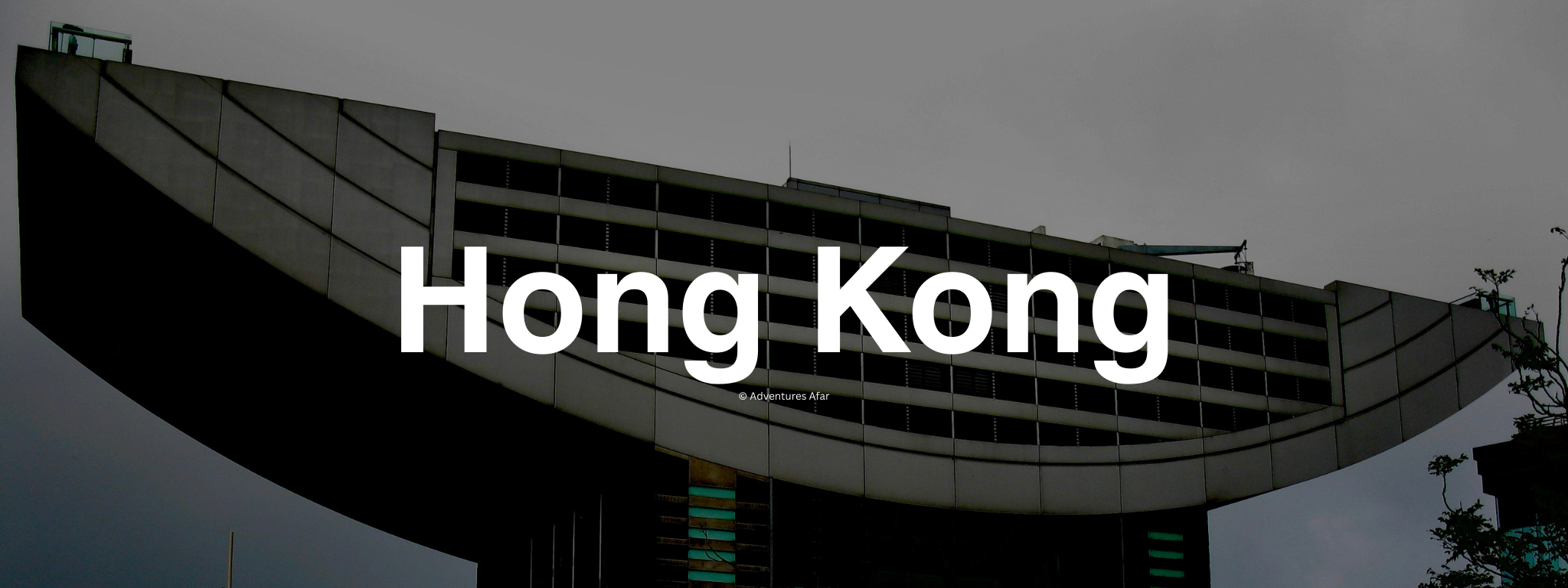
Lively Waterways and Lofty Skyscrapers
Hong Kong is a city of striking contrasts, where a glittering skyline rises dramatically along Victoria Harbour, yet quiet beaches, historic temples, and bustling street markets lie just a short distance away. The harbour itself acts as the city’s beating heart, linking Kowloon and Hong Kong Island with the iconic Star Ferry. From vibrant food streets to serene hilltop vistas, Hong Kong offers a blend of modern energy and cultural heritage. Compact, efficient, and endlessly diverse, it’s a destination that rewards both first-time visitors and seasoned travellers alike.
This Adventures Afar guide contains affiliate links. If you book through these, we may earn a commission at no extra cost to you.
Unmissable Highlights
-
Victoria Peak
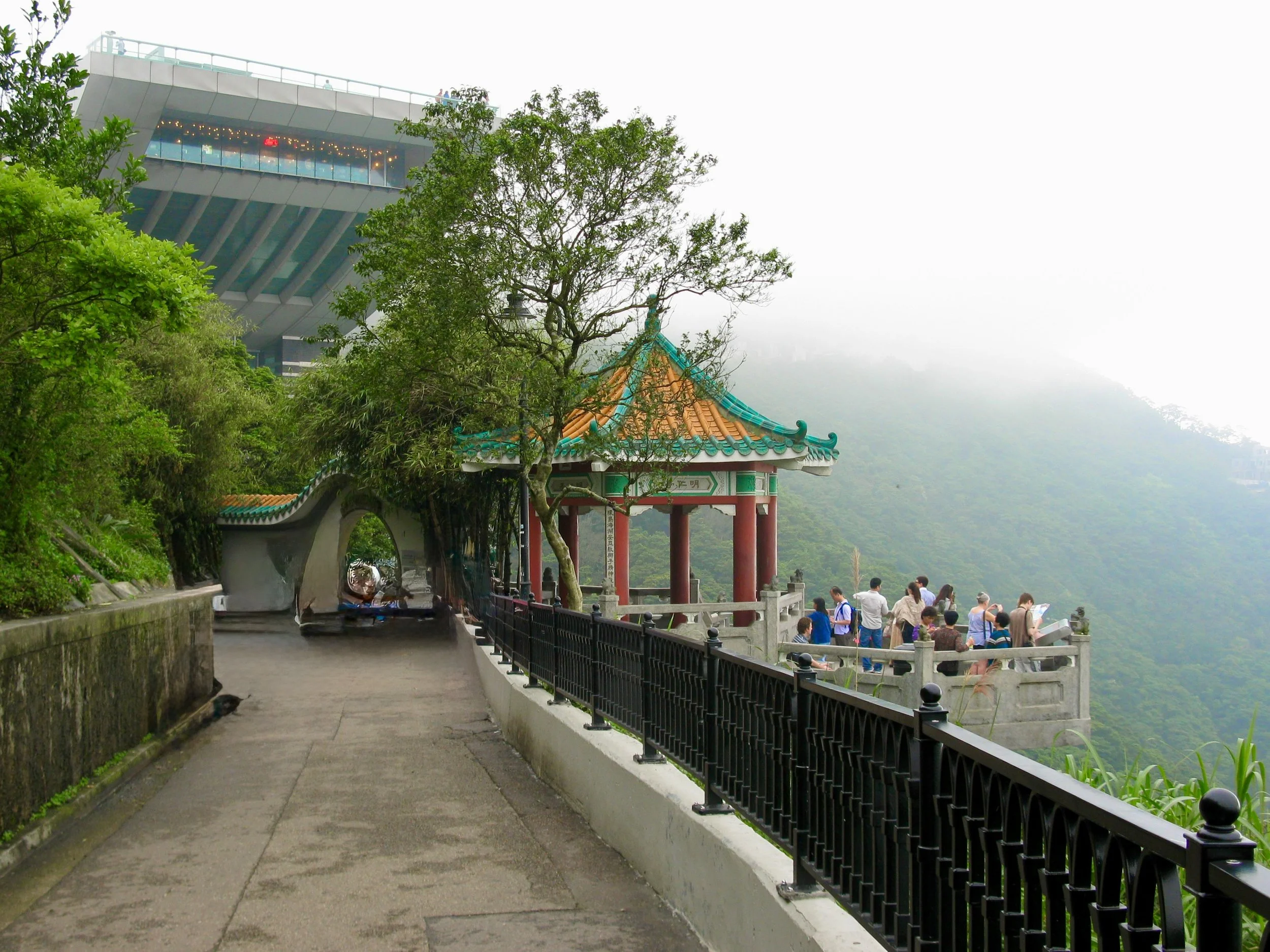
No visit to Hong Kong is complete without riding the historic Peak Tram. This funicular railway climbs steeply from Central to Victoria Peak, offering dramatic views of the city, harbour, and surrounding islands along the way. Once at the summit, sweeping panoramas of towering skyscrapers and the glimmering waterfront stretch as far as the eye can see. The peak is home to walking trails, gardens, and lookout points, making it perfect for photographers and nature lovers. Sunrise or sunset visits are especially memorable, as the city lights blend with the natural landscape.
Did you know? The Peak Tram and Star Ferry both launched in 1888 to connect a growing colonial population. These transit icons were essential for moving residents between the harbour and the cooler, high-altitude estates during Hong Kong’s early urban expansion.
-
Gardens and Markets
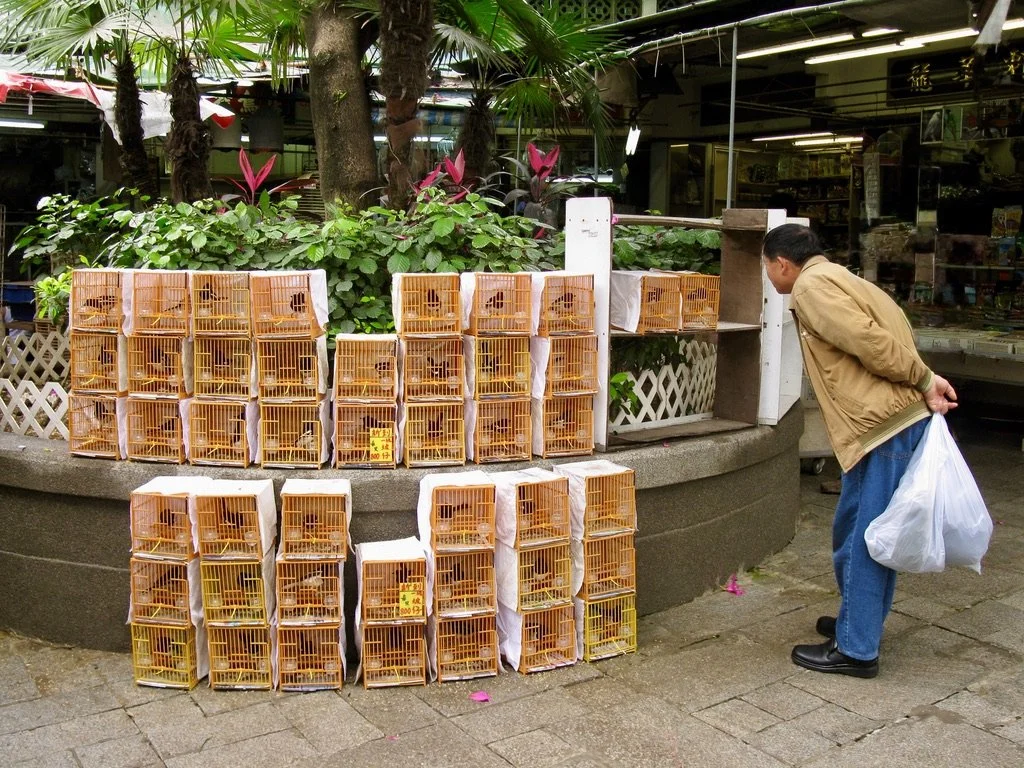
Hong Kong’s markets are alive with colour, scent, and energy. The Bird Garden is filled with songbirds and authentic ornaments, offering a glimpse into a local pastime cherished for generations. Just steps away, the Flower Market bursts with fragrant blooms, ornamental plants, and lucky charms, perfect for photography and quiet strolling. Both markets connect visitors to the city’s culture and daily rhythms through local traditions. Early mornings or late afternoons are ideal to watch locals tending their birds and picking the freshest flowers.
Did you know? Yuen Po Street Bird Garden was designed to preserve a traditional Chinese hobby. Many locals still bring their songbirds here in bamboo cages to socialise, continuing a centuries-old custom just steps away from the bustling Mong Kok markets.
-
Kowloon Park
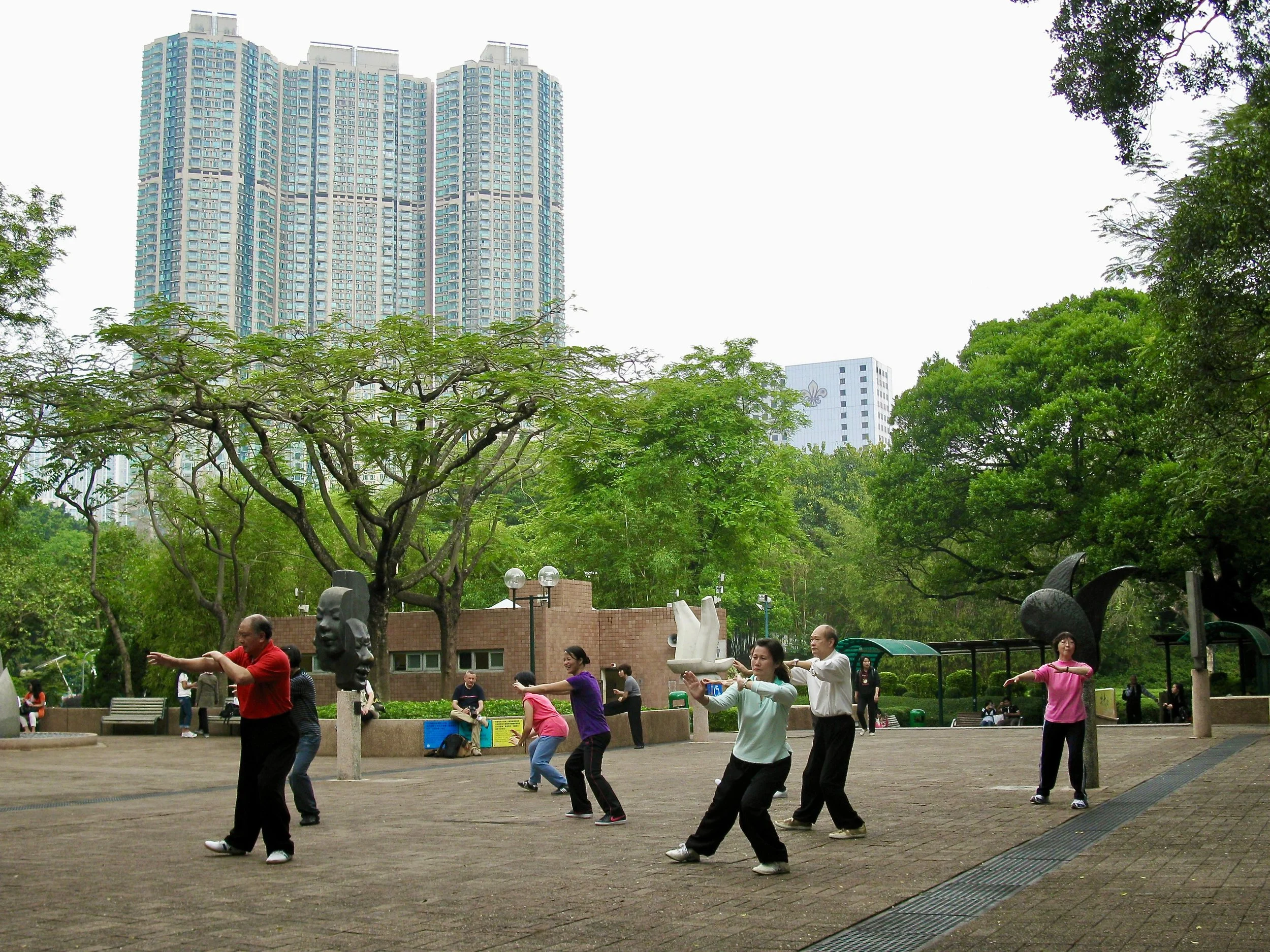
Kowloon Park offers a calm escape in the heart of one of Hong Kong’s busiest districts. Set among modern towers, its ponds, banyan trees and shaded paths attract locals seeking a slower pace. Early mornings reveal one of the park’s most distinctive sights, the Kung Fu Court, where practitioners rehearse tai chi and traditional martial arts with quiet focus. Watching these routines provides a glimpse into everyday life and living tradition, where physical discipline, balance and mindfulness are practiced long before the city fully wakes up.
Did you know? Kowloon Park serves as a green oasis atop a former British military barracks. Remnants of Whitfield Barracks are still visible today, and the park now features a dedicated flamingo pond where dozens of bright pink birds live in the city centre.
-
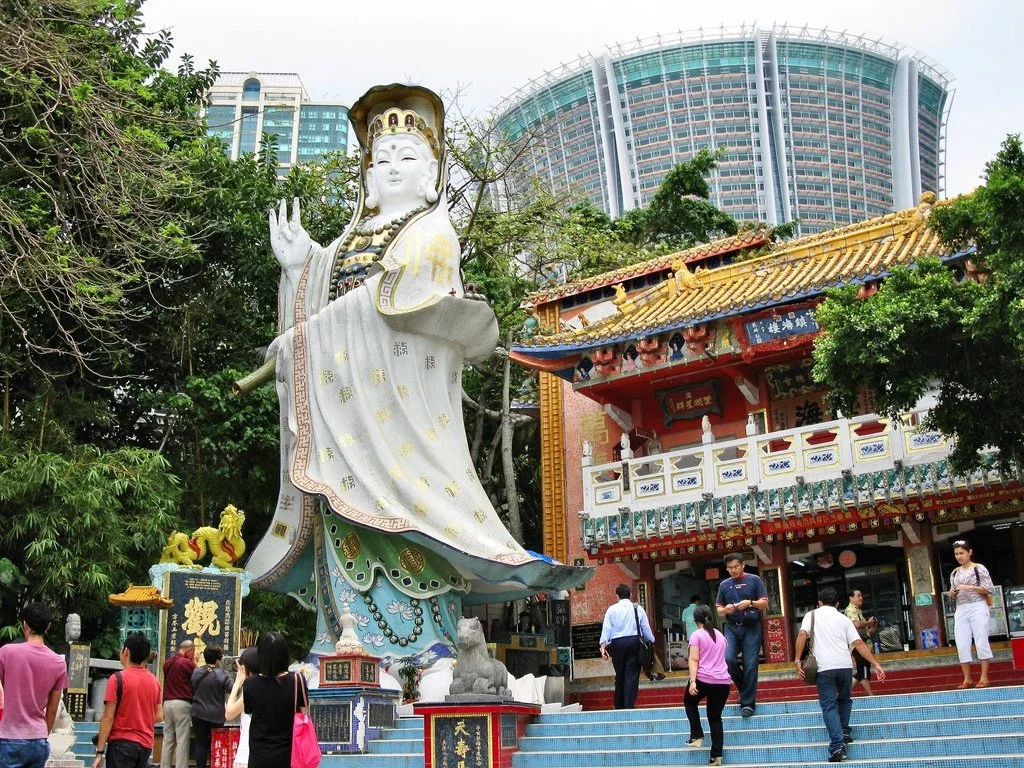
Hong Kong Island’s South Coast
Away from the main city, Hong Kong Island’s southern coastline offers a mix of relaxation, shopping, and maritime heritage. Repulse Bay delights with its sandy beach, striking seaside temple, and statues steeped in local folklore. Nearby Stanley Market is ideal for picking up souvenirs, from silk clothing to handcrafted trinkets, while its waterfront restaurants provide a leisurely lunch spot. At Aberdeen Harbour, traditional fishing boats and floating seafood restaurants showcase a more authentic side of island life. Together, these destinations offer a chance to explore Hong Kong beyond its skyscrapers.
Did you know? Repulse Bay’s Tin Hau Temple honours the goddess of the sea. Local fishermen have worshipped here for centuries, and the shrine remains a vibrant site for maritime heritage amidst the bay’s modern high-rises.
Recommended
Multi-Day Itineraries
Put this guide into practice with these hand-picked small group journeys,
featuring both iconic landmarks and immersive cultural experiences.
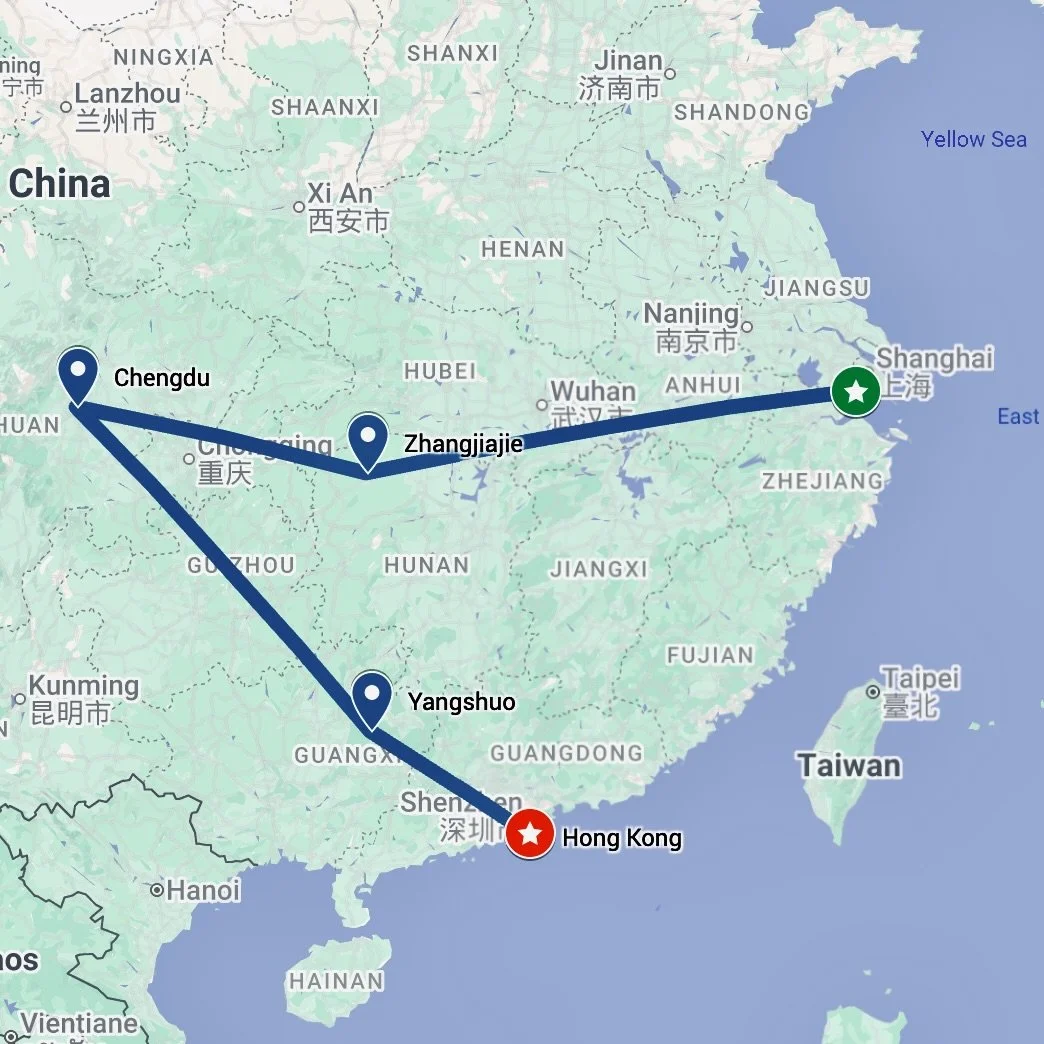
Visit China’s iconic landscapes on this National Geographic tour. Discover Shanghai’s futuristic skyline and the misty peaks of Zhangjiajie National Park. Immerse yourself in Chengdu’s panda centres before exploring the Li River and concluding your journey in vibrant Hong Kong.
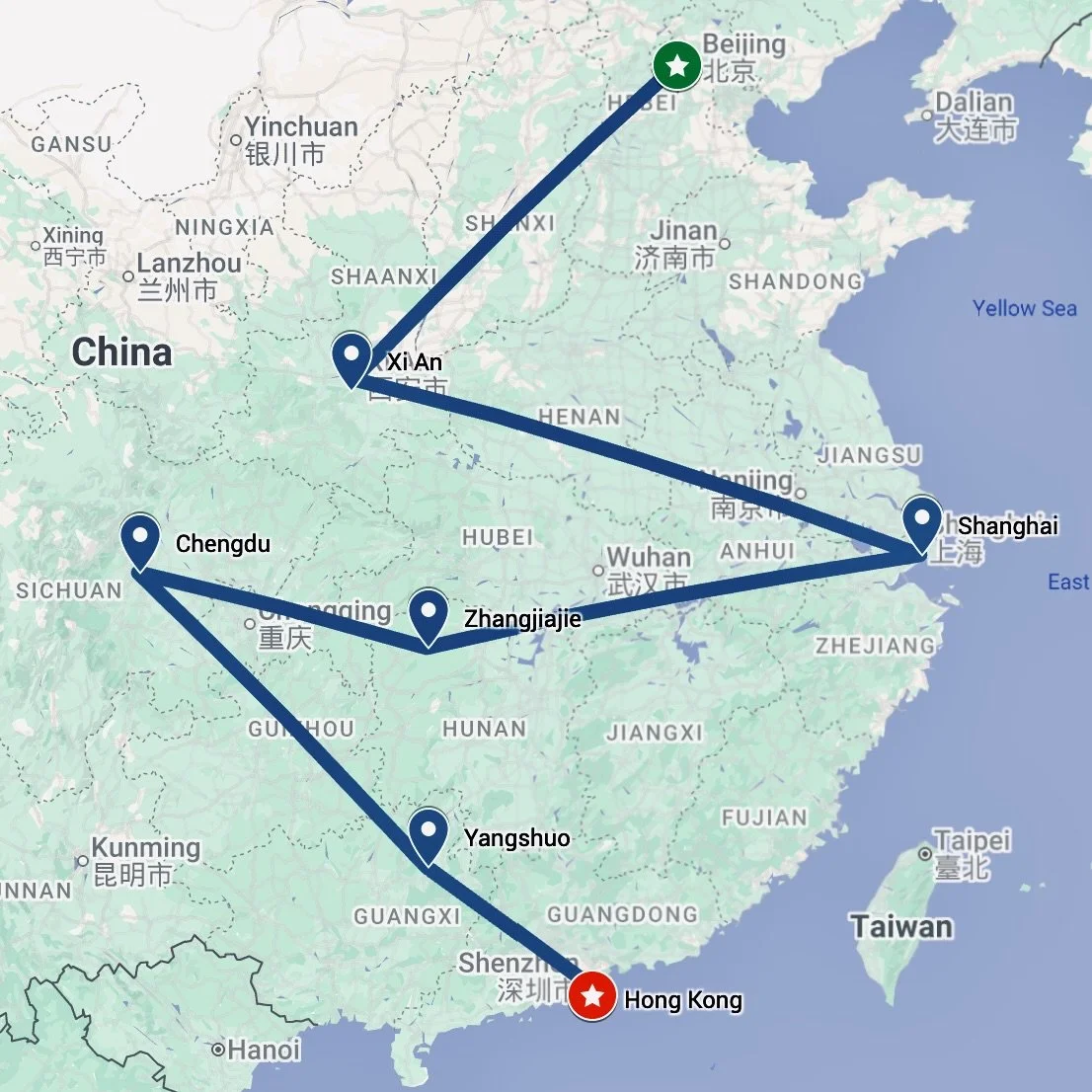
Explore the Great Wall of China from Beijing and the Terracotta Warriors in Xi'an before visiting Shanghai’s futuristic skyline, Zhangjiajie’s misty peaks, and pandas in Chengdu. This National Geographic Journey also visits Yangshuo’s karst landscapes and ends in vibrant Hong Kong.
-
The sweet spot for visiting Hong Kong is between October and early December. During these months, the city sheds its summer humidity, offering clear blue skies and mild temperatures that are perfect for hiking and outdoor sightseeing.
If you want to witness the city at its most vibrant, aim for January or February to catch the Lunar New Year. You will see the streets filled with flower markets and lion dances, though be prepared for large crowds and higher hotel prices. The Dragon Boat Festival in June is another highlight, featuring energetic races and traditional rituals.
It is generally a good idea to avoid the first week of October (Golden Week) and the Lunar New Year dates if you aren't there specifically for the festivities, as mainland tourism peaks and many local shops may close. Additionally, the summer months from June to August bring intense heat, heavy rain, and the occasional typhoon, which can disrupt travel plans.
-
While many visitors treat Hong Kong as a quick two-day stopover, staying for four to seven days allows you to discover the city’s true character. A whistle-stop tour of the main attractions like Victoria Peak and the Big Buddha can be done in a couple of days, but rushing through these sights misses the chance for deeper exploration.
The ideal timeframe allows you to spend your first few days in the bustling hubs of Central and Tsim Sha Tsui, before heading further afield. With a full week, you can explore the quieter side of the city, such as the traditional fishing village of Tai O or the rugged hiking trails of the New Territories. Slowing down gives you the chance to support smaller, local businesses and understand the daily rhythms of the various neighbourhoods beyond the neon lights.
-
Hong Kong remains one of the safest cities in the world for travellers, but you should always check your government’s local travel advisory for the most up to date information. Standard common sense applies such as avoid drinking in excess and ensure you are familiar with local laws to avoid any misunderstandings.
While violent crime is rare, remain vigilant in crowded areas like Mong Kok or the Night Markets, where pickpockets occasionally operate. Be wary of common scams, such as "over-friendly" strangers inviting you for tea or drinks only to leave you with an astronomical bill. Always pay careful attention when your credit card is being handled and use ATMs located inside bank branches where possible.
Most importantly, always have a comprehensive travel insurance policy to cover any unexpected medical issues or travel disruptions.
For more practical tips and expert advice on staying safe during your trip, visit our dedicated page on Travel Safety.
-
Hong Kong is a sophisticated city where people generally dress in a smart-casual manner. When walking around the city or shopping, standard Western-style clothing is perfectly acceptable. However, showing respect to the local population is important when visiting religious monuments like the Wong Tai Sin Temple. In these sacred spaces, it is polite for both men and women to ensure their shoulders and knees are covered. Avoid wearing singlets, crop tops, or very short shorts.
If you are lucky enough to be invited into someone’s home, remember to remove your shoes at the door, as this is a standard sign of respect across the city. When interacting with locals, a polite and quiet demeanour goes a long way. If you see people performing rituals or prostrating in temples, avoid walking directly in front of them or using flash photography, as these are deeply personal moments of devotion.
-
Pack light, breathable fabrics for most of the year, but bring a jumper even in summer, as the air conditioning in malls and on the MTR is famously cold. If you visit during the winter months of December to February, you will need warmer layers including a proper coat as temperatures can drop below 10°C. Don't forget wet weather gear if you are visiting between May and September as sudden downpours are common.
For footwear, a pair of sturdy walking shoes is essential for the city’s many hills and stairs. If you plan on visiting temples, slip-on shoes are a practical choice for areas where you may need to remove them.
If you’re heading to the beaches at Shek O or Repulse Bay, modest swimwear is the norm. While bikinis are fine on the sand, it is respectful to cover up when walking to nearby shops or restaurants.
-
Food is the heart of Hong Kong culture, and you can’t leave without experiencing a traditional Dim Sum lunch. These small, shared plates, include dishes like har gow (shrimp dumplings) and cha siu bao (barbecued pork buns), and are central to the local "yum cha" tradition. For a more casual meal, head to a Dai Pai Dong (open-air food stall) or a Cha Chaan Teng (local tea restaurant) for a Hong Kong-style milk tea and pineapple bun.
Visit the Kowloon City area for Thai and Chiu Chow cuisines or explore the street food stalls in Sham Shui Po. Supporting these local markets and smaller eateries is vital for preserving the city’s culinary heritage and ensures your money goes directly back into the community. Trying these dishes is more than just a meal; it’s a way to connect with the city's unique history as a global crossroads.
Essential Insights
-
Most international visitors arrive via Hong Kong International Airport (HKG), one of the most efficient hubs in the world. From here, the Airport Express train is the fastest and most responsible way to reach the city centre, taking just 24 minutes to reach Hong Kong Station.
For those travelling from mainland China, West Kowloon Station services high-speed trains that connect to major cities like Shenzhen and Guangzhou in record time. Using the high-speed rail is often faster and more eco-friendly than flying when moving between city centres.
Additionally, ferry services run frequently from the Hong Kong-Macau Ferry Terminal in Sheung Wan and the China Ferry Terminal in Tsim Sha Tsui, connecting the city to Macau and various ports in the Pearl River Delta.
-
The public transport system in Hong Kong is world-class. The MTR (subway) covers almost every major tourist attraction and is incredibly easy to navigate. The most important thing to get is an Octopus Card, a stored-value card that you can tap for the MTR, buses, trams, and even at convenience stores.
For a slower, more nostalgic route, take the Star Ferry across Victoria Harbour or the historic Ding Ding trams on Hong Kong Island.
Uber is the primary rideshare option and is pre-paid through the app. Traditional taxis are also plentiful and generally accept cash, though some now take Octopus.
Suburbs like Central, Sheung Wan, and Tsim Sha Tsui are highly pedestrian-friendly, allowing you to see many major sights on foot.
-
Staying connected is easy in Hong Kong, and local SIM cards are available at the airport or at any 7-Eleven. However, for most modern travellers, an eSIM is the most convenient choice to avoid the hassle of physical cards. Ohayu offers reliable eSIM packages that you can set up before you even land.
One of the major benefits of Hong Kong's current internet landscape is that, unlike in mainland China, you do not need a VPN to access international websites like Gmail, Google, or Instagram. The internet is open, making it simple to use your favourite maps and translation tools as you explore.
-
Cash is still surprisingly common for smaller local shops and markets, but card payments are the standard for most businesses. Visa and Mastercard are accepted almost everywhere, while Amex is more common in high-end hotels and restaurants.
Mobile payments like Apple Pay, Google Pay, and AlipayHK are incredibly popular and often use QR codes for quick transactions.
ATMs are found on almost every street corner and inside MTR stations. While carrying some USD or EUR is a decent backup for emergencies, it is not necessary for daily use. Your best bet is to rely on your card or local currency (HKD) withdrawn from a local machine.
-
English is one of the official languages of Hong Kong, and you will find that English signs and menus are commonplace in almost all tourist areas and public transport hubs. Most people working in the service industry speak English with a high level of proficiency.
However, as you venture into more local neighbourhoods or smaller "hole-in-the-wall" eateries, English may be more limited. It is a great idea to download a language translator onto your phone to help with more complex conversations or to translate specific food items. Even learning a few basic Cantonese phrases like "M-goi" (thank you/excuse me) is always appreciated by the locals.
-
Yes, the tap water in Hong Kong is technically safe to drink as it is treated to international standards at the source. However, the quality of the water can be affected by the plumbing and storage tanks in older buildings, so many locals choose to boil their water first or use a filter.
To minimise the use of one-time-use plastic, it is highly recommended to use a reusable water bottle with an inbuilt filter. Many modern hotels and public spaces now offer free water refill stations, so choosing an accommodation option with these facilities is a simple way to travel more responsibly and stay hydrated during your trip.