

Karst Caves and Historic Sites
Set amid some of China’s most recognisable scenery, Guilin is defined by its limestone peaks, winding rivers and long history. The Li River flows gently through the city, shaping daily life and providing access to one of the country’s most celebrated landscapes. Beyond the water, historic sites such as Jingjiang Princes Palace and the Ancient South Gate reveal Guilin’s imperial past. Caves hidden beneath the hills add another dimension to the experience. Together, natural beauty and cultural heritage make Guilin a rewarding base for exploration.
This Adventures Afar guide contains affiliate links. If you book through these, we may earn a commission at no extra cost to you.
Unmissable Highlights
-
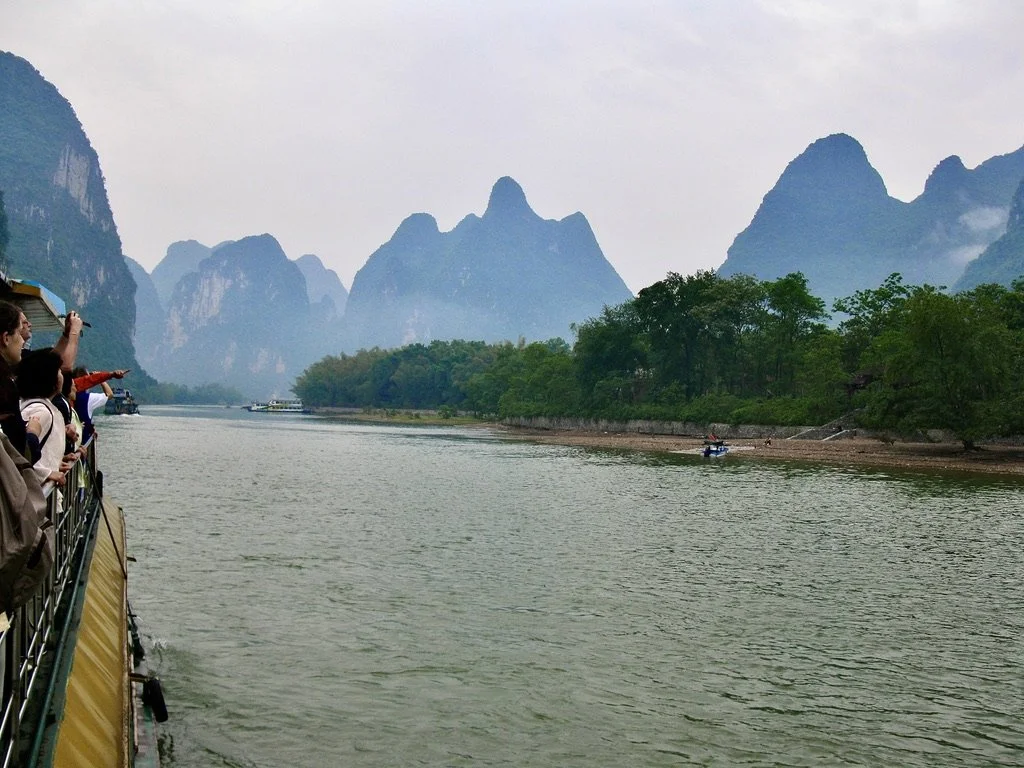
River Day Cruise
A boat journey from Guilin to Yangshao is one of the region’s most memorable experiences. Gliding along the Li River, the scenery unfolds slowly, with limestone peaks rising sharply from the water and rural life continuing along the banks. Between bends in the river, fishermen cast their nets, bamboo rafts drift past and quiet villages appear. The relaxed pace allows time to appreciate the scale and variety of the landscape. Travelling this way feels immersive rather than hurried, offering a scenic transition from Guilin’s city streets to Yangshao’s countryside rhythm.
Did you know? The scenery at the Yellow Cloth Shoal is so iconic that it is featured on the back of China’s 20-yuan banknote. Most cruises pass this exact spot near Xingping, where the karst peaks reflect perfectly in the calm water on clear days.
-

Reed Flute Cave
Guilin’s limestone caves reveal a different side of the region’s karst landscape. Inside, vast chambers display stalactites and stalagmites formed over thousands of years. Within Reed Flute Cave, coloured lighting accentuates shapes and textures, creating a theatrical atmosphere that emphasises the scale of the caverns. While the lighting is dramatic, the cave system remains an impressive natural formation. Well maintained pathways makes it accessible to visitors of all ages, and the experience offers a striking contrast to Guilin’s above ground scenery.
Did you know? Reed Flute Cave has been a tourist attraction for over 1,200 years. Inside, you can still see more than 70 ink inscriptions dating back to the Tang Dynasty in AD 792, left by ancient travellers who were just as captivated by the formations as visitors are today.
-
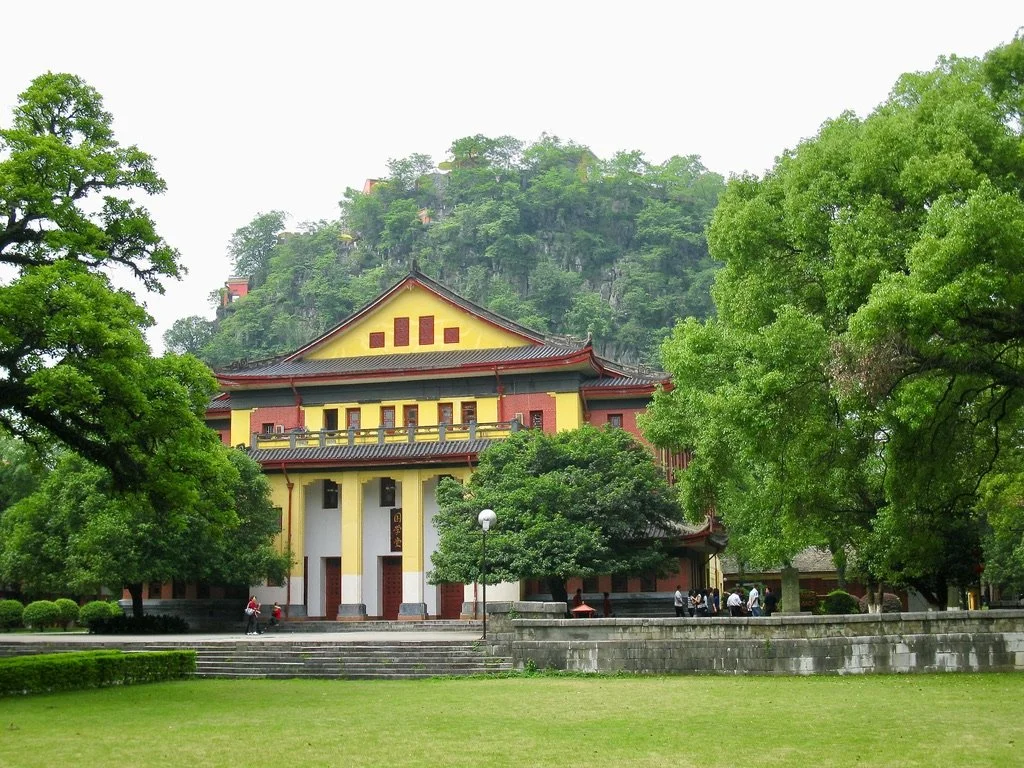
Jingjiang Princes Palace
Located within Guilin’s city centre, the Jingjiang Princes Palace complex offers a deep insight into the region’s imperial past. Built during the Ming dynasty, it once served as the residence of local princes and is surrounded by sturdy city walls. Inside the grounds, visitors can explore historic halls, courtyards and landscaped gardens, with Solitary Beauty Peak rising prominently behind them. Climbing the peak rewards visitors with sweeping views across Guilin. The complex provides a quieter, more reflective experience, blending architecture, history and natural scenery within a single, well-preserved site.
Did you know? This complex was built in the late 1300s and is therefore older than the Forbidden City in Beijing. It served as the official residence for 14 different Ming Dynasty princes and remains the best-preserved example of a princely palace in China.
-
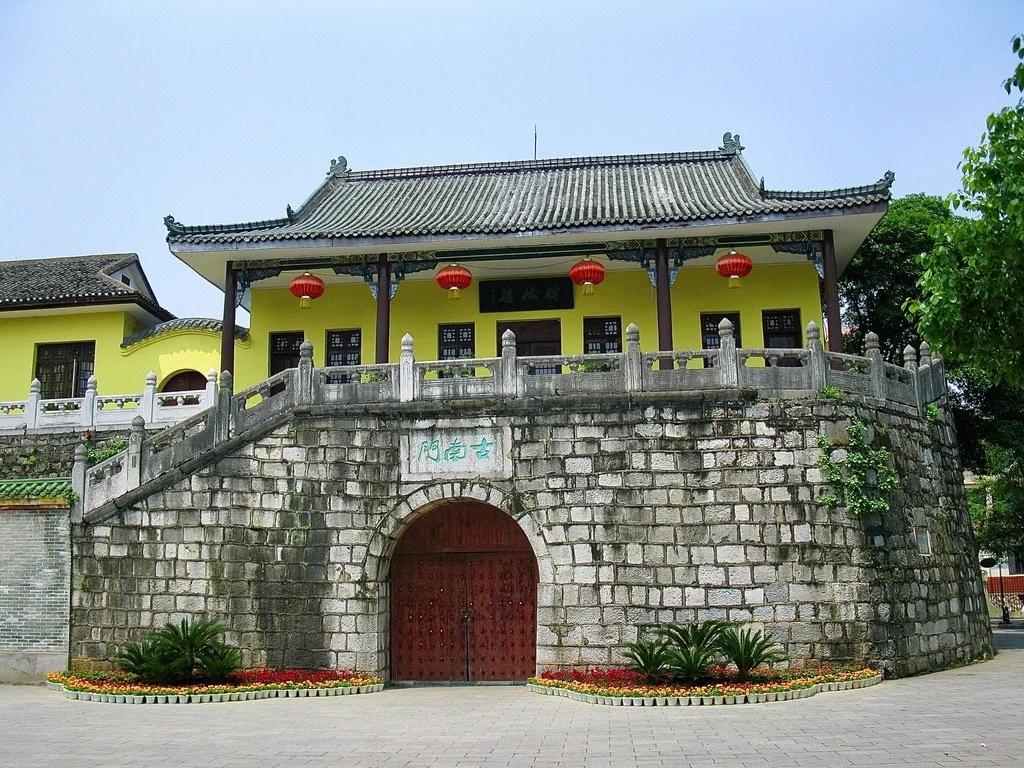
Ancient South Gate
Gunanmen, also known as the Ancient South Gate, is one of Guilin’s most enduring historical landmarks. Once part of the city’s defensive walls, it now stands as a reminder of Guilin’s strategic importance through the centuries. The surrounding area has been thoughtfully restored with walkways, waterways and open spaces that invite exploration. Visiting the gate offers a sense of the city’s past, where old stone structures sit alongside modern life. It is particularly atmospheric in the early evening when the area becomes quieter, and the gate is softly lit.
Did you know? The original gate was built over 1,300 years ago during the Tang Dynasty as a primary defensive entrance to the city. Standing beside it is an ancient banyan tree of the same age, which has grown alongside the stone structure since the 7th century.
Recommended
Multi-Day Itineraries
Put this guide into practice with these hand-picked small group journeys,
featuring both iconic landmarks and immersive cultural experiences.
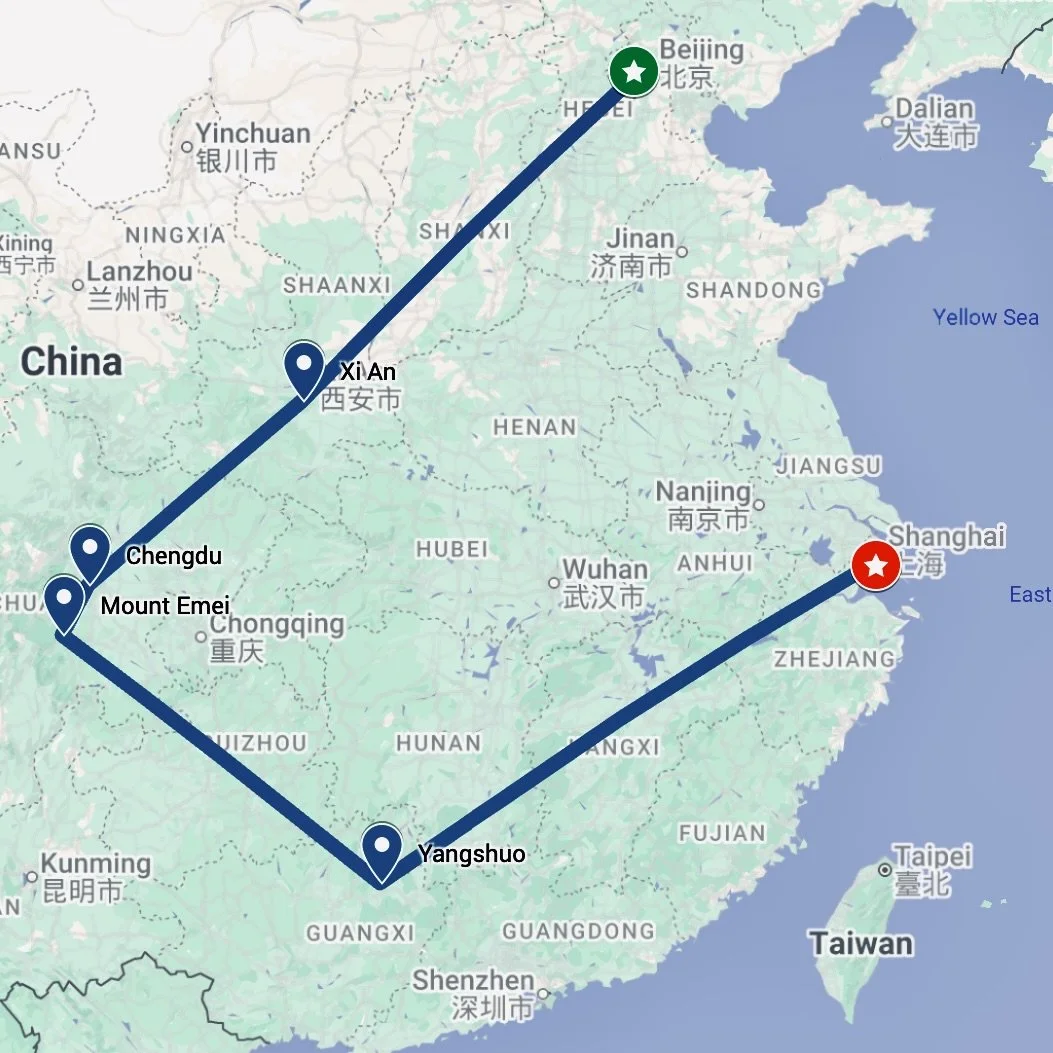
Discover China’s iconic landmarks and natural wonders. Hike the Great Wall in Beijing and witness the Terracotta Warriors in Xi'an. Visit the Leshan Giant Buddha, explore Emei Shan monasteries, and experience Yangshuo’s rural scenery before concluding your adventure in vibrant Shanghai.
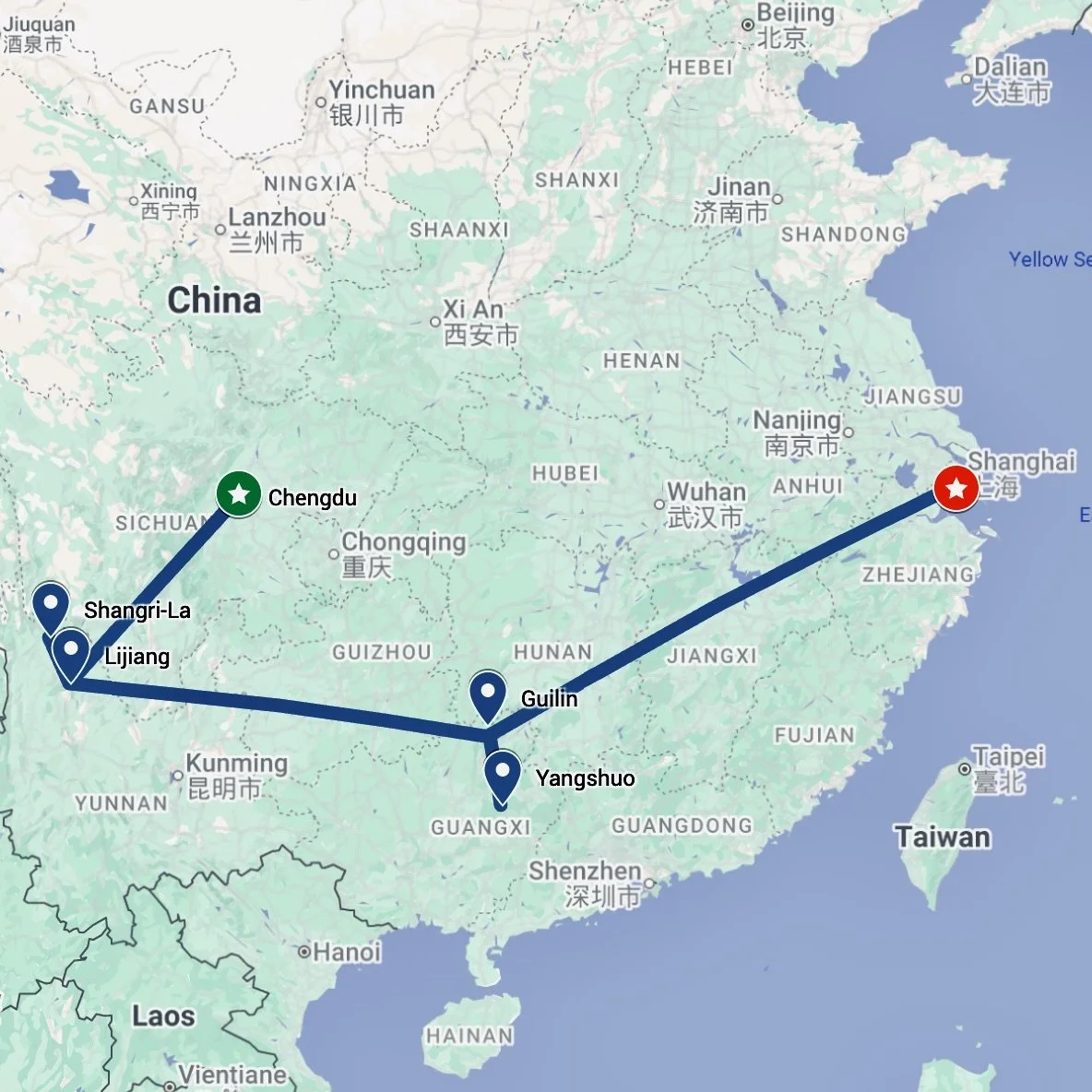
Visit China’s diverse landscapes on this National Geographic tour. Explore Chengdu’s giant panda sanctuaries and the Himalayan foothills of Yunnan. Discover Lijiang and Shangri La before heading to the limestone peaks of Guilin and Yangshuo. Conclude your journey in futuristic Shanghai.
-
Many travellers fly into Guilin Liangjiang International Airport (KWL). However, the most eco-friendly and often faster way to travel from other Chinese cities is by high-speed train. Guilin Railway Station and Guilin North service many high-speed routes from hubs like Hong Kong, Chengdu, and Kunming.
Taking the high-speed train is typically significantly faster than flying when you factor in travel to and from city centres. For example, the train from Hong Kong takes only about three hours.
The Li River Cruise is the most iconic way to travel from Guilin down to Yangshuo, though this is a scenic tour rather than a high-speed transit option as the journey lasts 5 hours. By comparison, the return bus takes 90 minutes.
-
Public buses in Guilin are frequent and very cheap, costing only a few yuan per trip. The most convenient way to pay for transport and small purchases is via a transport card or mobile apps.
Taxis are plentiful; however, Didi is the primary rideshare option. Didi is often easier for visitors because the fare is calculated in the app, and you can link your card for pre-payment.
The areas around the Two Rivers and Four Lakes and the Ancient South Gate are very pedestrian-friendly, making it easy to see many city sights on foot.
To reach attractions further afield like the terraces, book a private driver or use the dedicated tourist bus options for efficiency.
-
Local SIM cards can be purchased at the airport or at major telecom shops in the city centre. For many travellers, an eSIM is a simpler option that avoids the need to swap physical cards. Ohayu offers various eSIM data packages for China that are easy to install.
It is important to remember that many international websites like Gmail, Google, and Instagram are blocked in mainland China. You will need a reliable VPN installed on your phone and laptop before you arrive if you want to access these sites. Most local apps and hotel Wi-Fi will work without a VPN, but international services will not.
-
Mobile payment is king in Guilin. Most locals and businesses use Alipay or WeChat Pay. It is now possible for international visitors to link their Visa or Mastercard to the international version of the Alipay app, which is the most convenient way to pay for everything from street food to hotel bills.
While ATMs are available and accept major international cards, many smaller shops do not take physical cards. Cash is still accepted, but you may find that some vendors struggle to provide change for large notes. Carrying a small amount of cash as a backup is wise, but relying on mobile pay is much easier. Exchanging USD or EUR can be a slow process at banks, so it is better to withdraw local currency from an ATM.
-
In major hotels and larger tourist restaurants, you will find staff who speak English. However, English is not widely spoken by the general population in Guilin or the surrounding rural areas. Most signs in the airport and train stations have English translations, but menus in local eateries may only be in Chinese.
Downloading a translation app that allows for voice and image translation is highly recommended. You can take a photo of a menu or a street sign to get an instant translation. Learning a few simple phrases like "Ni hao" (hello) and "Xie xie" (thank you) will be very well received by the people you meet.
-
No, the tap water in Guilin is not safe to drink without being boiled first. To stay hydrated responsibly, use a reusable water bottle with an inbuilt filter or purchase large multi-litre bottles to reduce the amount of small, single-use plastic waste.
Many hotels and guesthouses provide free filtered water or large water dispensers in common areas for guests to refill their bottles. Choosing accommodation that offers these refill stations is a great way to support sustainable travel practices while staying healthy during your trip.
-
The most pleasant window to visit Guilin is from September to November. During these autumn months, the weather is generally dry and cool, making it much more comfortable for river cruises and hiking through the rice terraces. April and May are also popular as the rain creates a dramatic, misty atmosphere over the mountains, though you should expect frequent showers.
It is best to avoid the first week of October (Golden Week) and the Lunar New Year period in January or February. During these public holidays, local transport and major sites like the Reed Flute Cave become incredibly crowded, and prices for accommodation often spike. The summer months of June and July can be particularly wet and humid, with heavy rain sometimes leading to the suspension of Li River cruises for safety.
-
While many visitors spend just two days seeing the city and the river, staying for four to six days allows for a much more rewarding experience. A three-day itinerary is usually the minimum required to visit the city highlights, the Li River, and a quick trip to Yangshuo. However, a longer stay encourages a slower pace that lets you explore beyond the main tourist hubs.
With five or six days, there is enough time to head north to the Longji Rice Terraces to see the traditional wooden villages and learn about the local Zhuang and Yao cultures. Staying longer in the area gives you the chance to cycle through the smaller villages around Yangshuo or find a quiet spot along the Yulong River, far away from the large tour groups. This extra time can support local establishments and helps you discover the quieter side of the region.
-
Guilin is generally very safe for international travellers, but you should always check your government’s local travel advisory for the latest updates. Violent crime is rare, but it is important to use common sense and keep an eye on your belongings in busy areas like the Central Square or the Night Market.
Be aware of the tea ceremony scam where friendly "locals" (often posing as students) invite you to a traditional tea house only to leave you with an astronomical bill. Also watch out for people offering "cheap" private tours that end up being expensive shopping trips. Always use registered taxis or pre-booked transport. To help remain safe, avoid drinking in excess and ensure you follow all local laws.
It is also essential to have a comprehensive travel insurance policy to cover any medical emergencies or travel delays.
For more practical tips and expert advice on staying safe during your trip, visit our dedicated page on Travel Safety.
-
Guilin is a fairly relaxed city, but dressing modestly is a sign of respect for the local culture. When sightseeing in the city or walking through rural villages, smart-casual clothing that isn't too revealing is the best choice. For religious sites and temples, both men and women should ensure their shoulders and knees are covered. Avoid wearing crop tops, singlets, or very short shorts in these areas.
If you are invited into a local home, especially in the rural villages of Longji, it is polite to remove your shoes at the entrance. Being mindful of your volume and showing patience during interactions goes a long way. Always ask for permission before taking close-up photos of locals, particularly the elderly or people working in their fields, to show you value their privacy.
-
Pack light, breathable layers and wet weather gear or a sturdy umbrella for the rainy season between April and August when there is also intense humidity. Don't forget that Guilin gets surprisingly cold from December to February, when you will need a warm coat and thermal layers. If you’re visiting the rice terraces, remember that temperatures are often several degrees cooler than in the city, so bring an extra layer even in summer.
Since Guilin is a destination built for walking and exploring, a pair of sturdy walking shoes is an important item to have with you. You may need to slip your shoes off at certain temple entrances, so easy-to-remove footwear is practical.
If you plan to swim in hotel pools or at the designated spots in Yangshuo, modest swimwear is recommended to avoid offending more conservative locals.
-
The most famous dish to try is Guilin rice noodles (mifen). This is a staple of the local community and has been eaten for over two thousand years. The noodles are traditionally served with gravy, fried peanuts, and thinly sliced meat. Trying this in a local "hole-in-the-wall" shop is a great way to support small businesses.
For those visiting the rice terraces, bamboo rice is a must-try. The meal includes rice and pork that are stuffed into bamboo tubes and roasted over an open fire. This dish is deeply connected to the local geography and agriculture and trying them helps preserve the region's unique culinary traditions.