

Timeless Heritage and Modern Majesty
Shanghai stands as a captivating metropolis where historic charm meets futuristic ambition. As the premier gateway to China, this city offers an immersive experience that blends the colonial elegance of the Bund with the soaring, neon-lit skyscrapers of Pudong. Travellers can wander through the narrow, artistic alleys of the former French Concession or find serenity within the traditional Ming Dynasty architecture of the Old City. Beyond the iconic skyline, the city is filled with lush public parks and hidden wellness retreats, providing a sophisticated balance of urban exploration and relaxation. Whether you are navigating the high-speed Maglev or discovering local life in a shaded garden, Shanghai delivers an unparalleled look into the evolution of modern China while maintaining a deep connection to its storied past.
This Adventures Afar guide contains affiliate links. If you book through these, we may earn a commission at no extra cost to you.
Unmissable Highlights
-
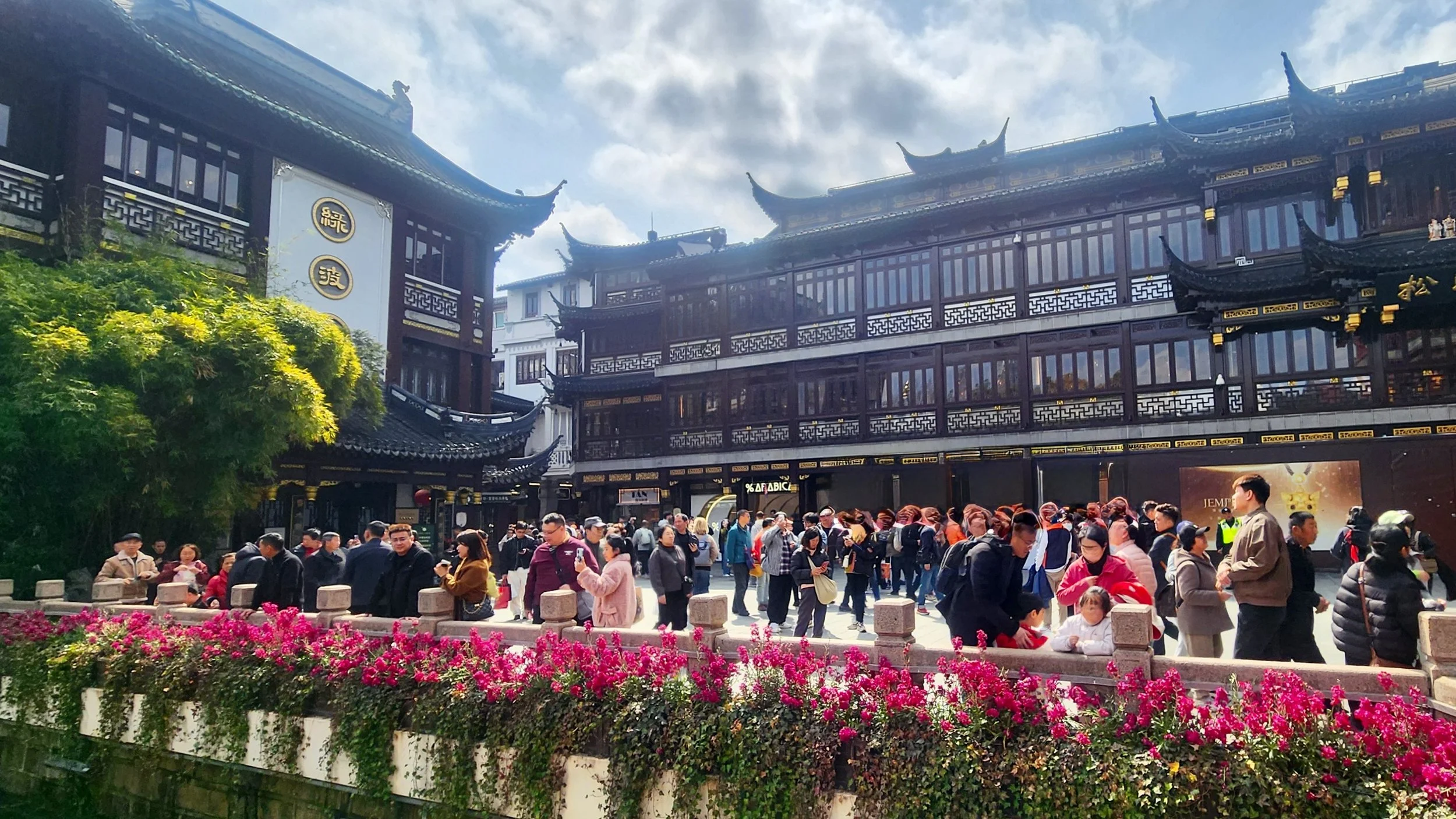
Shanghai Riverfront
The Shanghai Riverfront area showcases the dramatic evolution of the city along the banks of the Huangpu River. This expanse provides a striking visual narrative where the neoclassical stone facades of the Bund face the soaring glass towers of Pudong. Visitors can explore the traditional roots of the Old City or cross beneath the water via the Sightseeing Tunnel. This landscape is defined by grand scales and panoramic views, perfectly capturing the transition from the golden age of trade to a global financial future.
-
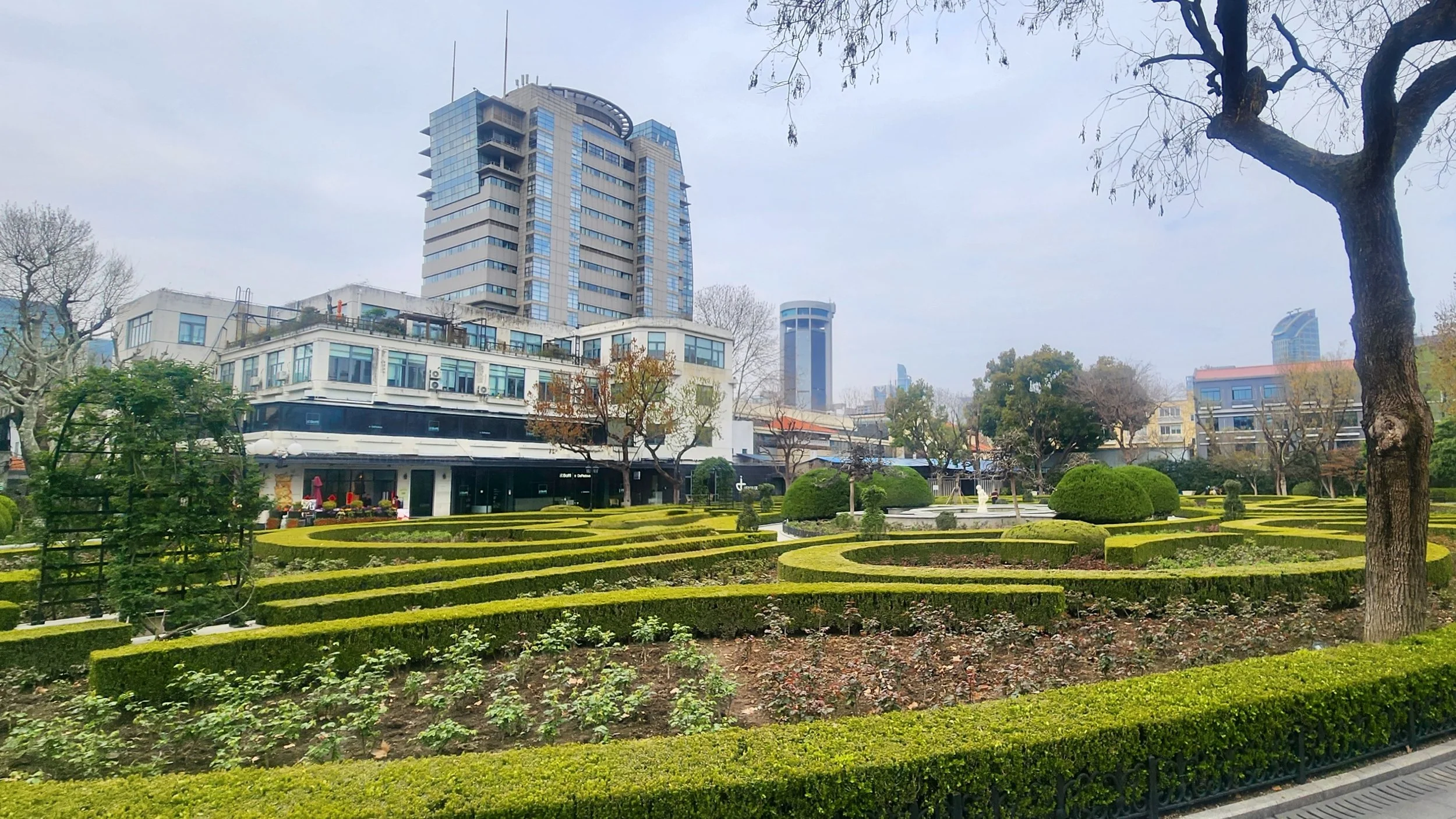
Shanghai West
Contrasting Shanghai's high-energy riverfront, the western districts offer a focus on the city’s tranquil green heart and historic residential areas. Centred around the expansive People’s Square, these neighbourhoods are home to quiet parks and the charming, tree-lined lanes of the former French Concession. Travellers can discover hidden boutiques in the narrow corridors of Tianzifang or find local life thriving in the shade at Fuxing Park. This side of the city rewards those who prefer a slower pace and culture-rich walks.
Recommended
Multi-Day Itineraries
Put this guide into practice with these hand-picked small group journeys,
featuring both iconic landmarks and immersive cultural experiences.
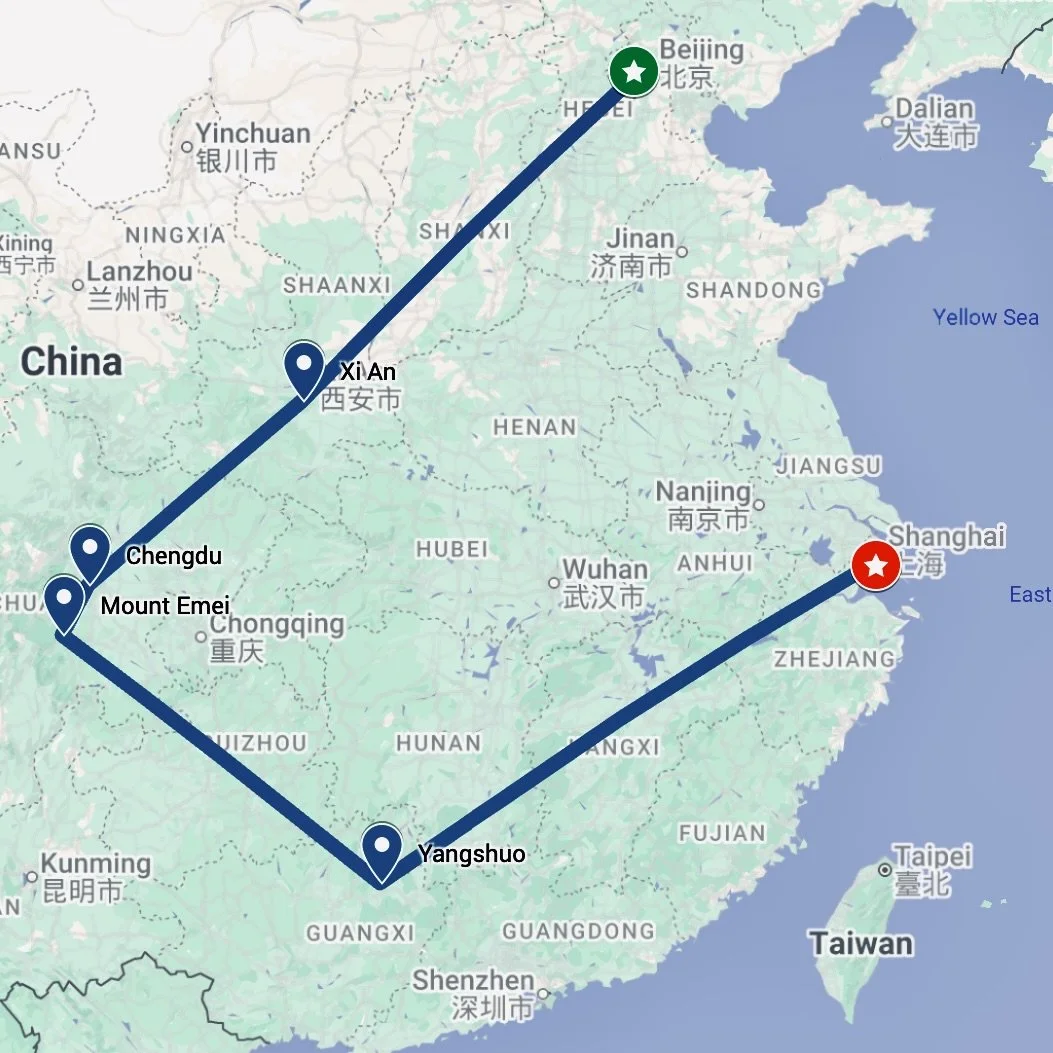
Discover China’s iconic landmarks and natural wonders. Hike the Great Wall in Beijing and witness the Terracotta Warriors in Xi'an. Visit the Leshan Giant Buddha, explore Emei Shan monasteries, and experience Yangshuo’s rural scenery before concluding your adventure in vibrant Shanghai.
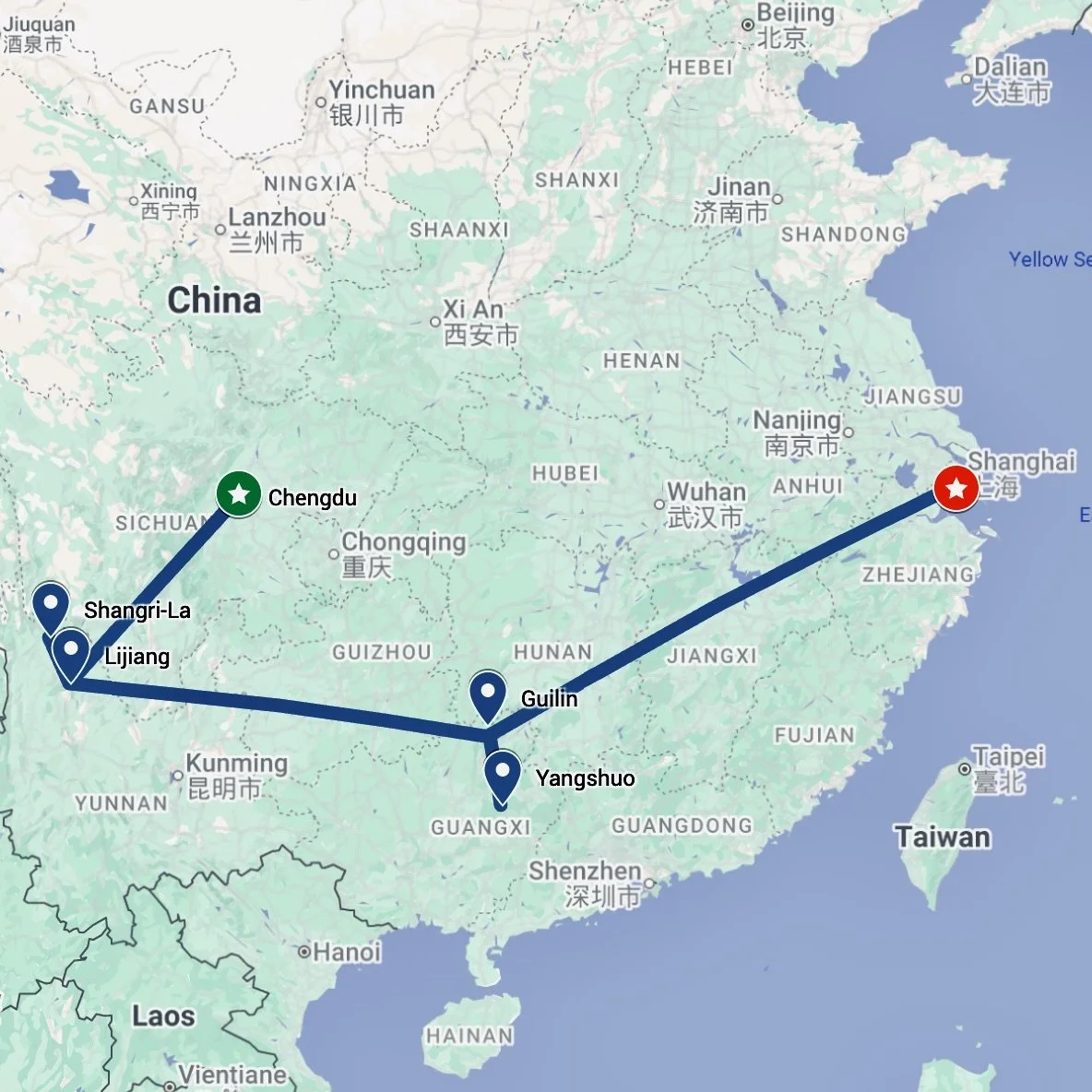
Visit China’s diverse landscapes on this National Geographic tour. Explore Chengdu’s giant panda sanctuaries and the Himalayan foothills of Yunnan. Discover Lijiang and Shangri La before heading to the limestone peaks of Guilin and Yangshuo. Conclude your journey in futuristic Shanghai.
-
The sweet spots for visiting Shanghai are during the spring and autumn. From late March to May, the city’s weather is fairly mild, and you can see cherry blossoms in places like Century Park. October and November are arguably even better, as the humidity of summer has faded and the "plum rain" season is over, leaving you with crisp air and clear blue skies.
It is vital to avoid the major public holidays if you want to dodge overwhelming crowds. The Chinese New Year (usually in January or February) and the National Day "Golden Week" (the first week of October) see hundreds of millions of people travelling. During these dates, popular spots like the Bund or Nanjing Road can become incredibly congested. Similarly, July and August are often sweltering and coincide with school holidays, leading to long queues at major attractions and higher hotel prices.
-
While many visitors rush through the city in two or three days to see the iconic skyline, staying longer is the only way to truly appreciate the layers of Shanghai. A minimum of four days is necessary to cover the essentials like the French Concession, Yu Garden, and the Lujiazui skyscrapers. However, a stay of five to seven days is much better for those who want to discover the city in depth.
Having a full week allows you to move beyond the tourist hubs and explore quieter, lesser-known neighbourhoods like the leafy lanes of Jing'an or the creative hubs in Putuo. You will also have the flexibility to take a high-speed train to a nearby water town like Zhujiajiao without feeling like you are constantly on the move. Taking the time to wander through local wet markets or sit in several parks helps you connect with the city's authentic character rather than just ticking off famous landmarks.
-
Shanghai is one of the safest major cities in the world for travellers, with a very low rate of violent crime. That said, it is always important to check your government's local travel advisory for the most up to date information. The most common issues are petty crimes like pickpocketing in busy shopping districts or at major transport hubs.
You should be aware of a few well-known scams, such as the "tea house" or "art student" scam. This involves friendly strangers inviting you to a traditional ceremony or a gallery, only for you to be hit with a massive bill at the end. Use common sense by sticking to licensed taxis or rideshare apps and avoiding drinking in excess. Always ensure you have a comprehensive travel insurance policy to cover any unexpected medical needs or lost items.
-
Shanghai is a cosmopolitan city where people generally dress in a modern, stylish way. When you are out sightseeing, smart-casual clothing is the norm. If you are visiting religious monuments like the Jade Buddha Temple, it is polite to cover your shoulders and knees. This simple show of respect for local traditions is always appreciated.
If you are invited into someone's home, remember to remove your shoes at the door. Your host will usually provide a pair of indoor slippers. When it comes to general behaviour, avoid pointing with your fingers and instead use an open hand. Showing respect through these small actions makes for a much smoother and more enjoyable interaction with the local community.
-
Packing for Shanghai depends heavily on the season. If you are visiting in the winter, the damp cold can feel much harsher than the temperature suggests, so bring a heavy coat, thermals, and a scarf. During the rainy months of June and July, lightweight waterproof gear and a sturdy umbrella are essential. For the hot summer, stick to breathable fabrics but avoid very revealing items like singlet or crop tops to minimise unwanted attention.
Comfortable walking shoes are the most important item in your bag, as you will likely be on your feet for hours. If you plan on visiting a pool, standard swimwear is fine, although many spas are segregated and bathing is done nude. It is also a good idea to pack some hand sanitiser and packets of tissues, as these are not always provided in public facilities.
-
You can’t visit Shanghai without trying Xiao Long Bao, the famous soup dumplings that are a point of pride for the local community. These delicate parcels are traditionally filled with pork and a rich broth, while eating them is an art form in itself. Another staple is Sheng Jian Bao, which are pan-fried pork buns with a crispy base, often found at breakfast stalls.
For a true taste of the city, head to the areas around Huanghe Road or the food markets in the Old Town. These spots are famous for "red-braised" dishes like Hong Shao Rou (pork belly), which reflects the Shanghainese love for sweet and savoury flavours. Trying these dishes at local eateries rather than just in hotels supports small businesses and gives you a much more authentic insight into the regional culture.
Essential Insights
-
Shanghai is a major global hub served by two main airports: Pudong International (PVG) and Hongqiao (SHA). Most long-haul international flights land at PVG, while SHA handles domestic and shorter regional routes. For a truly unique arrival, you can take the Maglev train from Pudong Airport, which reaches incredible speeds and gets you to the city's outskirts in about eight minutes.
The city also has several major railway stations, including Shanghai Railway Station and Shanghai Hongqiao, which are central nodes for China’s high-speed rail network. Taking a high-speed train is often faster and more environmentally friendly than flying when travelling from other cities like Beijing or Hangzhou, as the stations are located right in the city centres. There are also ferry services connecting Shanghai to various coastal and river destinations, although these are less common for general tourist travel.
-
The Shanghai Metro is one of the most efficient and extensive systems in the world, making it very easy to reach major attractions. You can pay using a Public Transportation Card, which you can top up at stations, or by using a QR code on mobile payment apps. For areas not covered by the metro, the bus network is a cheap alternative, although it can be a bit more challenging to navigate if you don't speak the language.
Rideshare options are dominated by DiDi, which can be accessed through other major payment apps. These are generally pre-paid via the app, so you don't need to worry about cash. For those who enjoy walking, the French Concession and the Bund are very pedestrian-friendly areas where you can see a lot of the city's history on foot.
-
Having a reliable data connection is essential for navigating Shanghai and using translation apps. While you can buy a local physical SIM card at the airport, it usually requires a passport registration process that can be a bit time-consuming. An eSIM is often a much more convenient and faster way to get connected as soon as you arrive.
Ohayu is a reliable eSIM option that works well across China and helps you stay connected to the apps you need. Using an eSIM also means you can keep your original SIM card in your phone for receiving important texts from home. Just make sure your phone is compatible with eSIM technology before you buy.
-
Shanghai is almost entirely cashless, with mobile payment apps like Alipay and WeChat Pay being the primary way to pay for everything from street food to luxury goods. You can link your international Visa or Mastercard to these apps, and they use QR codes for most transactions. ATMs are widely available if you need to withdraw local currency, and while physical cards like Amex or Mastercard are accepted in large hotels, they aren't always in smaller shops.
Carrying some cash is a good backup, and having a small amount of USD or EUR can be helpful for emergencies, but you will find that the mobile apps are far more practical. Most travellers find that once their mobile pay is set up, they rarely need to reach for their wallet.
-
In major tourist areas, luxury hotels, and high-end restaurants, you will find a decent level of English. Most signs in the metro and on major streets are bilingual, which makes navigating the city fairly straightforward. However, away from these hubs, English proficiency can be quite low, especially with taxi drivers or vendors in local markets.
Downloading a language translator app onto your phone before you arrive is highly recommended. This can be a lifesaver for translating menus or communicating specific needs. Many people in the service industry are used to using translation apps themselves, so don't be afraid to use technology to bridge the gap.
-
No, you should not drink the tap water in Shanghai directly. While the water is treated, the aging pipe infrastructure in many parts of the city means it is not suitable for consumption without being boiled first. Most hotels provide a kettle in the room, and boiling the water is a safe and common practice for locals and visitors alike.
To be more environmentally friendly, use a reusable water bottle with an inbuilt filter or buy large containers of water to refill your bottle rather than constantly buying small plastic ones. Many modern hotels also offer free water refill stations in their lobbies or gym areas, which is a great way to minimise your use of one-time use plastic.