
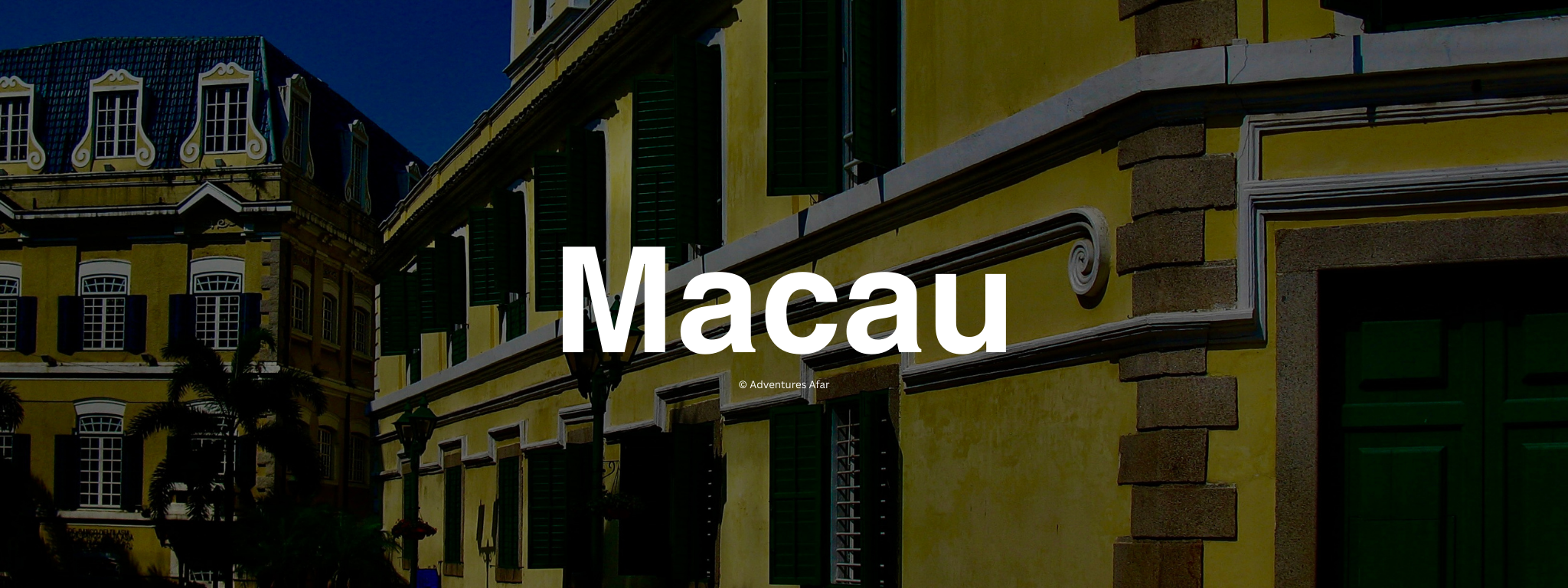
Colonial Charm and Captivating Casinos
As a former Portuguese colony turned Special Administrative Region of China, Macau offers a heady mix of colonial charm, bustling neighbourhoods, and glittering casinos. Known as the "Las Vegas of the East", it is far more than a gaming hub, blending centuries of history with contemporary theatrics in a way that feels utterly unique. This UNESCO World Heritage destination features a stunning contrast between Baroque churches and the neon-lit Cotai Strip, where European architecture meets Chinese tradition. Whether you are exploring ancient fortresses or world-class resorts, Macau promises a captivating journey through the first European settlement in East Asia.
This Adventures Afar guide contains affiliate links. If you book through these, we may earn a commission at no extra cost to you.
Unmissable Highlights
-
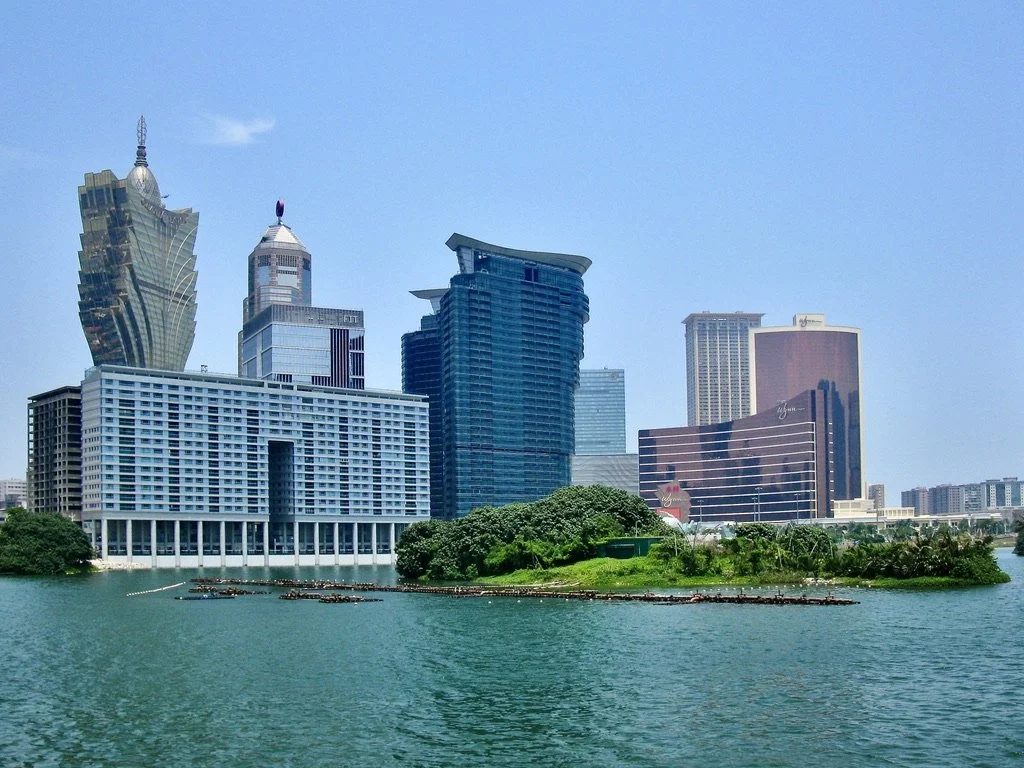
Cotai Strip Casinos
Known globally as the “Las Vegas of the East," Macau is the only place in China where casino gambling is legal, making it an incredibly popular destination for mainland Chinese visitors. The city's gaming revenue consistently dwarfs that of its American counterpart, driven by a high-energy atmosphere and world-class entertainment. Beyond the baccarat tables, these massive resorts offer surreal experiences, from indoor canals with singing gondoliers to luxury shopping malls and international stage shows that transform the Cotai Strip into a glittering neon playground.
Did you know? Macau’s gaming industry is roughly seven times larger than that of Las Vegas. It caters specifically to Asian tastes, with traditional games like Baccarat and Sic Bo (Big-Small) being far more popular than Western-style slot machines.
-
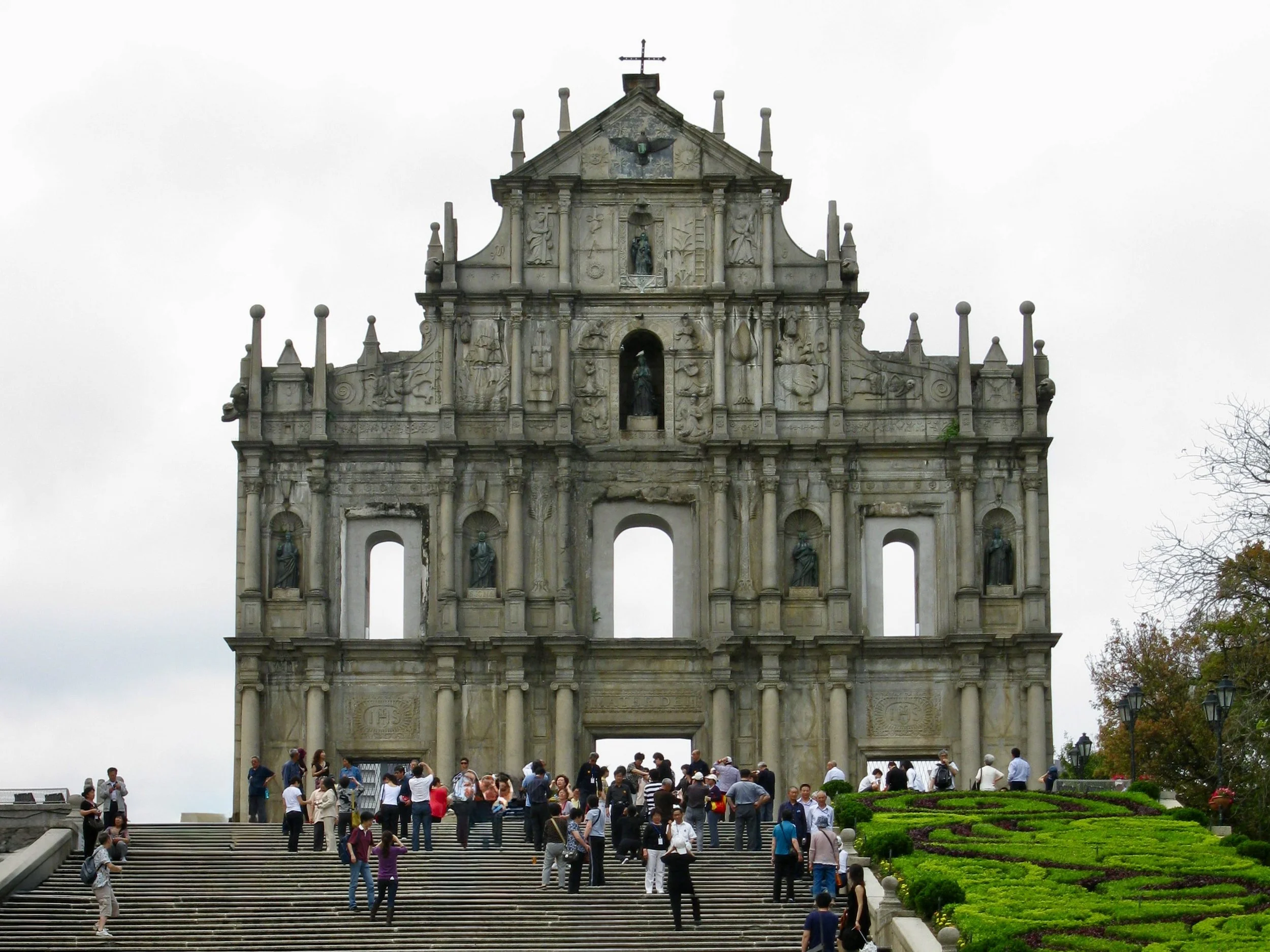
Ruins of Saint Paul's
The Ruins of Saint Paul's are arguably Macau’s most iconic landmark and a centrepiece of the UNESCO World Heritage "Historic Centre of Macao." What remains today is the intricately carved stone façade of the 17th-century Church of Mater Dei and the adjacent foundations of St. Paul's College. Standing atop a grand stone staircase, the ruins serve as a powerful monument to the city's early role as a gateway for Christianity in East Asia. It is a must-visit for anyone wishing to witness the unique fusion of European and Asian architectural influences.
Did you know? The church was once considered the "Vatican of the East" before it was almost entirely destroyed by a fire during a typhoon in 1835. The stone façade survived and is held up today by a discreet steel cradle.
-
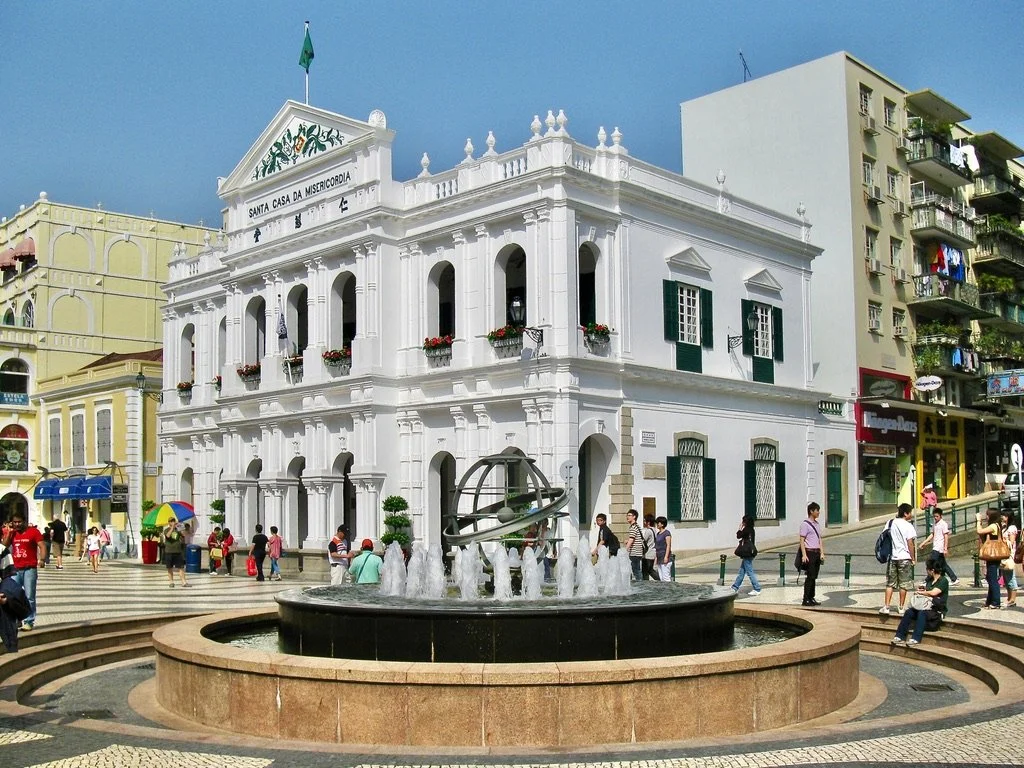
Senado Square
Senado Square is the vibrant, wave-patterned heart of the city, where the Mediterranean atmosphere of Macau is most visible. Bordering this UNESCO-listed square is the Holy House of Mercy, a stunning neoclassical building founded in 1569 by the first Bishop of Macau. Originally established as a charitable institution to support widows and orphans of sailors, it now houses a museum of sacred art. The square remains the city’s primary pedestrian hub, where locals and visitors gather amongst pastel-coloured colonial buildings to shop, eat, and celebrate festivals.
Did you know? The Holy House of Mercy established the first Western-style medical clinic in China. Inside its museum, you can still see the original 1662 manuscript of the institution’s commitment, which is the oldest archive of its kind in Macau.
-
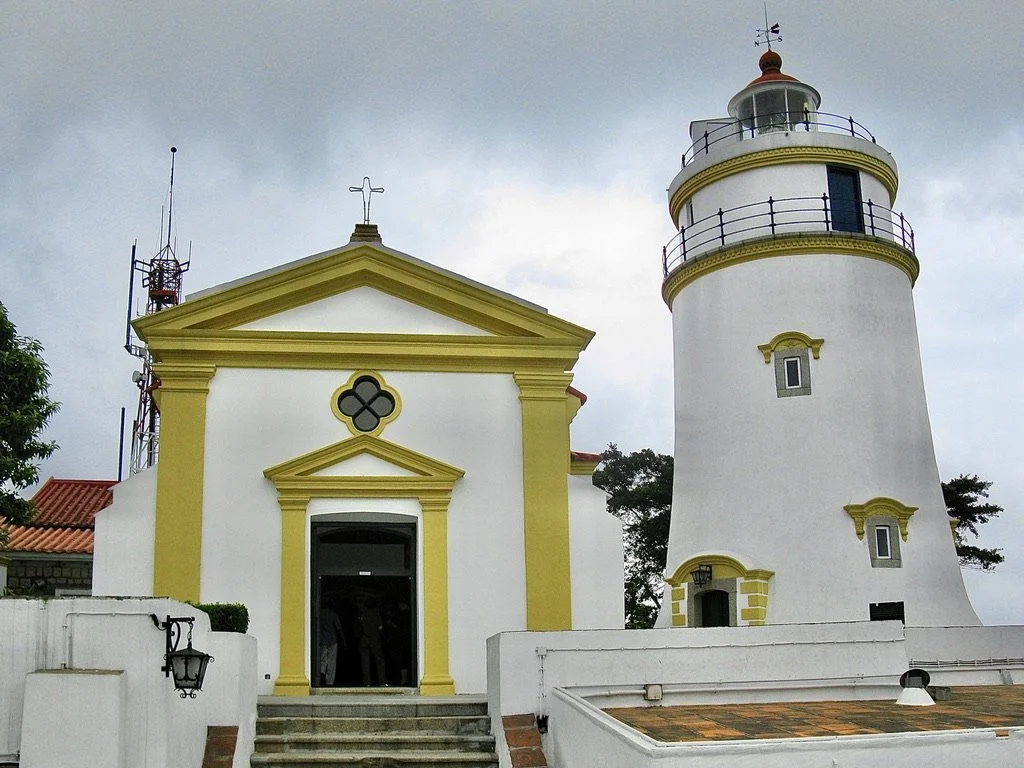
Guia Fortress
Perched on the highest point of the peninsula, Guia Fortress is a 17th-century military complex that includes a chapel and an iconic lighthouse. This UNESCO World Heritage site was built to defend Macau against maritime invasions and offers the best panoramic views of the city’s contrasting skyline. The interior of the small chapel contains rare frescoes that blend Western and Chinese motifs, while the fortress grounds house a network of military tunnels that were used as recently as the mid-20th century for defensive observation.
Did you know? The Guia Lighthouse, built in 1864, was the first modern lighthouse on the entire Chinese coast. It is still used today to hoist cyclone signals and ring bells to warn the city’s citizens of impending typhoons.
Essential Insights
-
The most pleasant window to visit Macau are during the months of October to December. During this period, the humidity drops, and you can expect clear skies and mild temperatures that are perfect for walking between the colonial ruins and modern resorts. March to April, is also a lovely time, though it can be quite foggy and damp at times.
It is best to avoid Golden Week in the first week of October and the Lunar New Year in late January or February. These dates see an enormous influx of tourists from mainland China, which sends hotel prices soaring and makes popular spots like the Ruins of St Paul's incredibly crowded. The summer months from June to August are intensely hot and humid, coinciding with the typhoon season, which can occasionally disrupt ferry and flight schedules.
-
While many people treat Macau as a simple day trip from Hong Kong, staying for three or four days is the ideal way to discover the destination properly. Most visitors rush through the main Senado Square area and hit one or two casinos, but this barely scratches the surface of the city's layered identity.
A longer stay encourages the kind of curiosity travel that uncovers the quieter side of the islands. With four days, you can spend a full afternoon in Coloane Village eating egg tarts by the water, explore the hiking trails on Taipa, and still have plenty of time for the spectacular evening shows on the Cotai Strip. Slowing down allows you to move beyond the gaming floors and appreciate the unique Macanese culture that has evolved over four centuries.
-
Macau is widely considered one of the safest cities in the world for travellers, but you should always check your government’s local travel advisory for the most up to date information. Petty crimes like pickpocketing do occur, particularly in crowded tourist hubs or on busy public buses, so it is sensible to keep a close eye on your belongings.
Some well-known scams involve unlicensed money changers or individuals approaching tourists with stories of lost wallets, especially around the major casino entrances. Use common sense by avoiding drinking in excess and ensuring you don’t break local laws, which are strictly enforced.
It is essential to always have a comprehensive travel insurance policy in place, as medical costs for visitors can be high.
For more practical tips and expert advice on staying safe during your trip, visit our dedicated page on Travel Safety.
-
Macau is a city of contrasts where high fashion meets traditional modesty. For general sightseeing and walking around, smart casual attire is perfectly appropriate. However, when visiting religious monuments like the A-Ma Temple or the various Catholic churches, everyone should ensure their shoulders and knees are covered to show respect. Choosing modest clothing is an easy way to respect the local population and the spiritual significance of these sites.
If you are invited into someone's home, it is polite to remove your shoes at the door. Inside the casinos, the dress code is generally relaxed for the gaming floors, though many of the high-end restaurants and clubs within the resorts require a more formal standard of dress. Being mindful of your surroundings and opting for respectful attire ensures you can transition smoothly from a sacred temple to a world class dining room without any issues.
-
Pack lightweight, breathable cotton or linen for the humid summer months, but always include a light cardigan or pashmina for the intense air conditioning found in casinos and shopping malls. During the wet months of May to September, a compact umbrella or a light raincoat is essential for those sudden tropical downpours. If you are visiting in winter, particularly January and February, it can get surprisingly chilly, so pack a proper jacket and some warm layers.
For footwear, comfortable walking shoes are non-negotiable as the historic centre is filled with traditional Portuguese stone cobbles that can be slippery when wet.
Avoid packing overly revealing items like singlet tops or very short shorts if you plan on visiting temples. If you are heading to the resort pools, standard swimwear is fine, but you should cover up when walking through the hotel lobbies.
-
Macau’s food scene is a fantastic fusion of Portuguese and Cantonese influences, and you simply cannot leave without trying a Portuguese egg tart from Lord Stow’s Bakery in Coloane. Another local favourite is the pork chop bun, which is essentially a seasoned, deep fried pork chop inside a crisp, toasted roll. These dishes are important to the local community as they represent the city’s unique "Macanese" heritage, a culinary blend you won't find anywhere else in the world.
For an authentic experience, head to the narrow streets of Taipa Village or the evening stalls near the Red Market. Sampling the street food, such as curried fish balls or almond cookies, allows you to support small family businesses that have been operating for generations. These areas offer a delicious look at the city's history that is far removed from the glitzy buffet halls of the larger resorts.
-
Most travellers arrive via Macau International Airport (MFM) or by ferry from Hong Kong. The ferry service is a classic way to arrive, with TurboJET and Cotai Water Jet operating frequent routes from the Hong Kong-Macau Ferry Terminal in Sheung Wan. The journey takes about an hour and is a very efficient way to travel between the two city centres.
The Hong Kong-Zhuhai-Macau Bridge is a feat of engineering that connects the cities via a series of tunnels and bridges and is often faster than the ferry. You can take the "Gold Bus" shuttle across the bridge, which is a great public transport option.
If you are coming from mainland China, Zhuhai Railway Station is the main high speed rail hub located right next to the Gongbei border crossing, making it very easy to walk into Macau from the mainland.
-
Public buses are the most affordable way to get around, with a flat fare of 6 MOP per ride. To make things easier, pick up a Macau Pass from any 7-Eleven. This contactless card works on all bus routes and even in many convenience stores, saving you from fumbling for exact change.
For the most pedestrian friendly experience, stay in the Peninsula area near Senado Square, where most of the major UNESCO sites are within easy walking distance of each other.
While ride sharing apps like Uber do not operate here, the local Macau Taxi app is a good alternative. Taxis are generally affordable and run on a meter, but be aware that many drivers speak limited English, so having your destination written in Chinese characters is a huge help. Most of the large resorts in Cotai also provide free shuttle buses that run between the ferry terminals, the airport, and the different hotel clusters, which is a great way to save on transport costs.
-
For the most convenient connection, an eSIM is usually the best way to go. Ohayu provides reliable data packages for Macau that allow you to get online the moment you step off the ferry or plane without needing to find a physical kiosk. This is particularly useful for navigating the winding streets of the old town or checking bus schedules on the go.
Unlike mainland China, Macau does not have the same internet restrictions, so you generally don’t require a VPN to visit websites like Gmail, Google, or Instagram. However, if you are planning to cross the border into Zhuhai or travel elsewhere in the mainland, you will need to have a VPN set up on your device beforehand.
-
Macau uses the Macanese Pataca (MOP), but the Hong Kong Dollar (HKD) is widely accepted almost everywhere at a 1:1 ratio. Be aware that while you can pay in HKD, you will almost always receive your change in MOP, which can be difficult to spend once you leave the territory.
ATMs are plentiful and generally accept international cards like Visa and Mastercard, though it is a good idea to notify your bank before you travel. Exchanging USD or EUR is easy at the airport or banks, but for daily spending, local currency is much more practical.
Mobile payments via Alipay and WeChat Pay are now common in most shops and restaurants. Most major retailers, hotels, and casinos will accept credit cards, but smaller family run eateries and traditional markets still prefer cash. Carrying a mix of a linked mobile wallet and a bit of cash is the best strategy for a smooth trip.
-
In major hotels, casinos, and tourist areas, English is widely understood and most signs and menus are written in Chinese, Portuguese, and English. However, once you step away from the main tourist trail and into the local neighbourhoods, English proficiency can be quite low. Cantonese is the primary language spoken by much of the population.
It is highly recommended to download a language translator onto your phone that can handle Cantonese. Being able to show a driver a destination in Chinese characters or translate a local menu will make your interactions much easier. Most locals are incredibly patient and helpful, and a simple "M-goi" (thank you) in Cantonese will always be appreciated.
-
No, it is generally recommended not to drink the tap water in Macau directly. While the water is treated to a high standard, the older plumbing in many buildings can affect the quality by the time it reaches the tap. To stay hydrated responsibly, use a reusable water bottle with an inbuilt filter or buy larger multi-litre bottles to minimise the amount of one-time use plastic you consume.
Most hotels and guesthouses provide a kettle for boiling water, and an increasing number of eco-conscious accommodation options now offer free water refill stations in their lobbies. Choosing these options is a simple way to practice responsible travel and help reduce the environmental footprint of your visit to the city.