
Serene Waters and Secret Gardens
Widely regarded as the cultural soul of Eastern China, Hangzhou stands as a premier travel destination where ancient traditions meet tranquil natural landscapes. This sophisticated city is defined by the UNESCO World Heritage West Lake, where sprawling willow-lined causeways and mist-covered pagodas can be found. Beyond the iconic shoreline, you can discover hidden floral sanctuaries and European-style parterres that offer a peaceful retreat from the modern world. Hangzhou provides a seamless blend of traditional silk craftsmanship and modern refinement, offering curated historical experiences. Although it is a thriving metropolitan hub, the city maintains an air of timeless elegance through its verdant tea plantations and quiet canal districts.
This Adventures Afar guide contains affiliate links. If you book through these, we may earn a commission at no extra cost to you.
Unmissable Highlights
-
West Lake
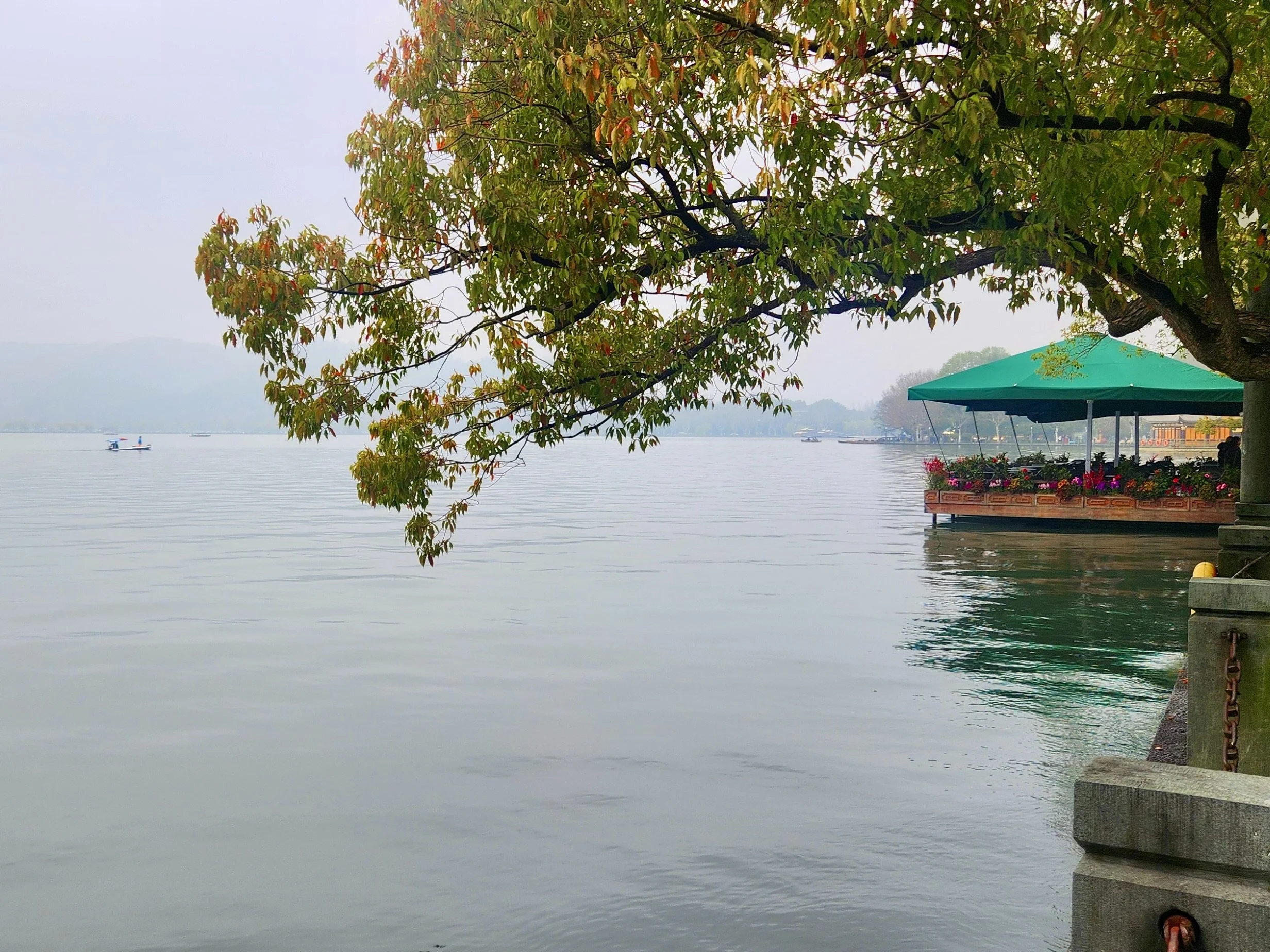
The legendary West Lake is a masterpiece of landscape design that has influenced garden aesthetics across East Asia for centuries. This UNESCO World Heritage site is surrounded by emerald hills and divided by the scenic Su and Bai causeways, offering a serene environment of pagodas, arched stone bridges, and lush islands. Visitors often explore the shoreline by bicycle or take traditional wooden boats to see the Three Pools Mirroring the Moon. The area is particularly famous for the "Ten Scenes," which highlight the changing beauty of the water throughout the different seasons.
Did You Know? The iconic scene of the Three Pools Mirroring the Moon is so culturally significant that it is featured on the back of the Chinese one-yuan banknote. On the night of the Mid-Autumn Festival, candles are lit inside the stone pagodas to create the illusion of multiple moons on the water.
-
Bai Causeway
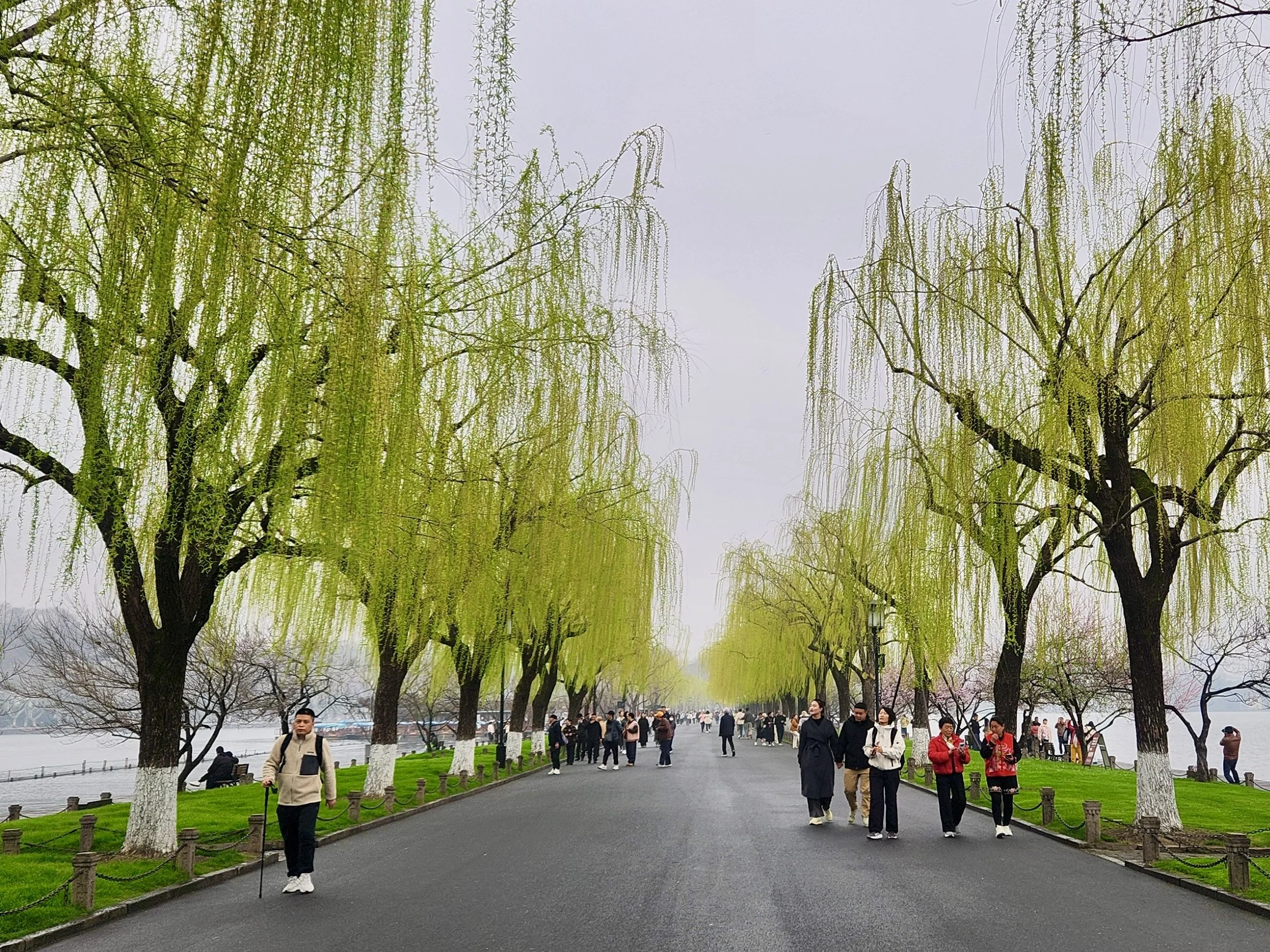
Stretching elegantly across the northern section of the water, the Bai Causeway is the oldest and most atmospheric embankment on West Lake. This UNESCO World Heritage site was originally constructed from silt dredged to improve irrigation and now acts as a scenic pedestrian link between the bustling city and Gushan Island. Lined with an iconic alternating pattern of weeping willows and pink peach trees, the path provides sweeping views of the surrounding hills and historic pagodas. It is most famous for the Broken Bridge, where the melting snow in winter creates a poetic landscape that has inspired artists for centuries.
Did You Know? The causeway is named after Bai Juyi, a legendary Tang Dynasty poet and governor of Hangzhou. He was so dedicated to the city that he used his own salary to help fund the original hydraulic works to protect local farmers from drought.
-
Quyuan Garden
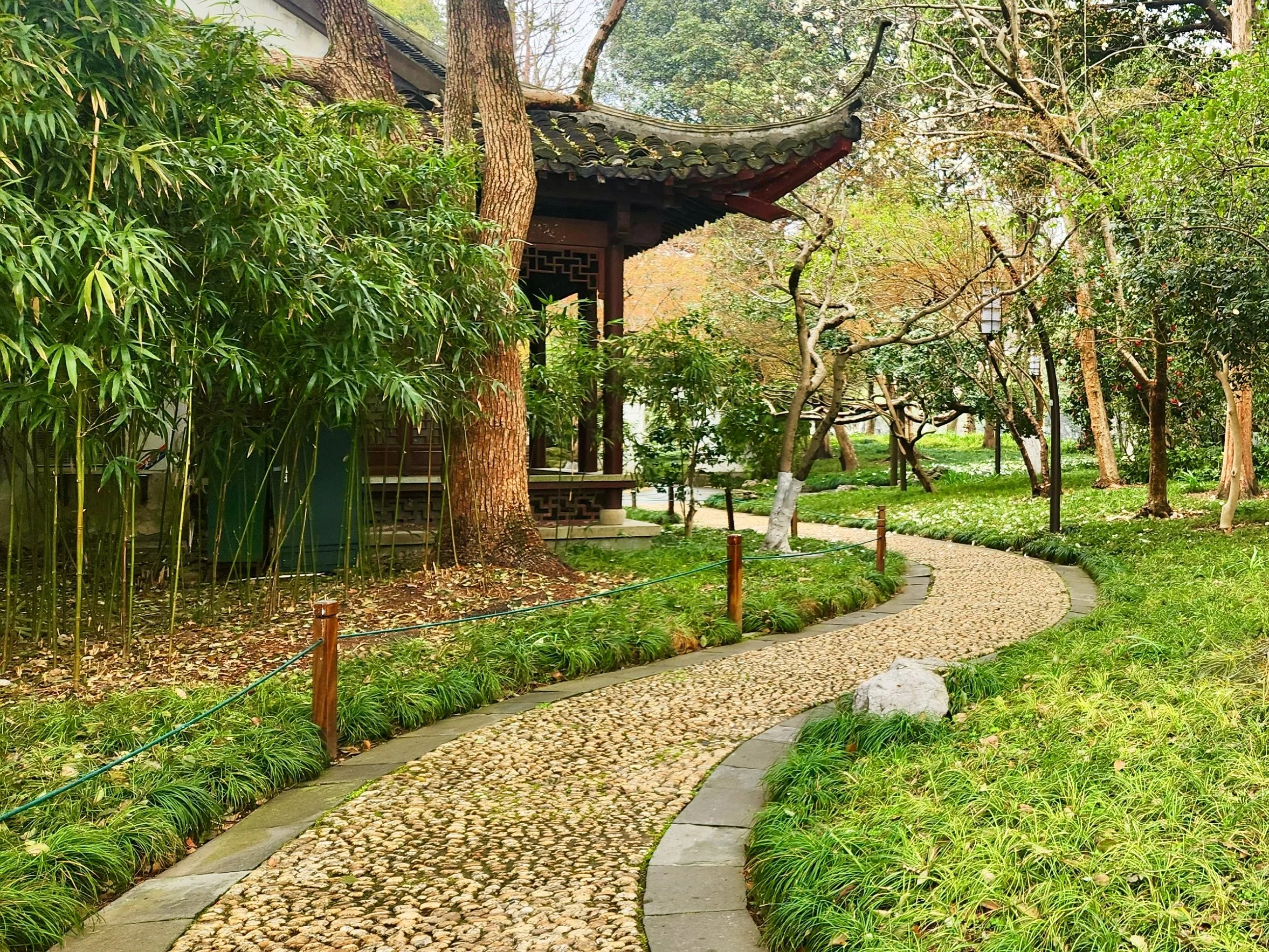
Famous for its sprawling aquatic landscapes, Quyuan Garden is the premier destination for viewing summer blooms along the western shore of West Lake. This expansive park is part of the UNESCO World Heritage area and features dozens of lotus varieties that fill the interconnected ponds with pink and white flowers. Winding wooden boardwalks and elegant zig-zag bridges allow visitors to walk directly over the water among the giant lily pads. The garden also has a historic connection to the Southern Song Dynasty when it functioned as a royal winery.
Did You Know? The garden’s full name, "Breeze-ruffled Lotus at Quyuan," refers to the pleasant scent of lotus blossoms mixing with the aroma of wine from a nearby brewery. It is said that the fragrance was so intoxicating it could make visitors feel slightly tipsy.
-
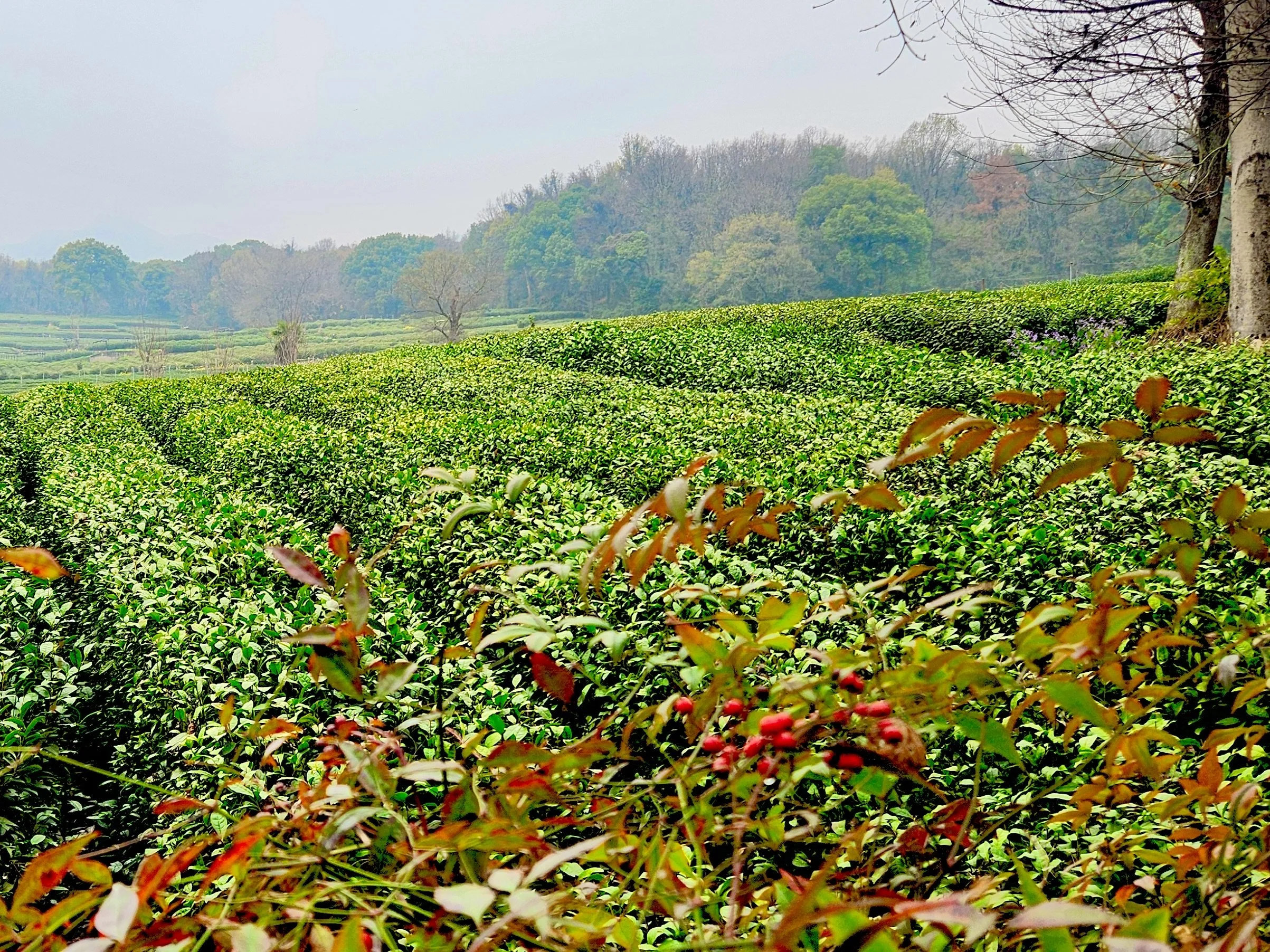
Meijiawu Tea Plantations
Nestled in the rolling hills southwest of the city, the Meijiawu Tea Plantations serve as one of the primary production centres for authentic West Lake Dragon Well tea. The verdant valley is home to generations of tea farmers who maintain the meticulous traditions of hand-picking and pan-firing the flat, fragrant leaves. Visitors can wander through the tiered terraces before participating in a traditional tasting session in a local village tea house. The lush scenery, intimate pathways, and fresh mountain air provide a perfect contrast to Hangzhou’s urban bustle.
Did You Know? Dragon Well tea is often called the "Imperial Tea" because the Qianlong Emperor of the Qing Dynasty granted imperial status to eighteen specific tea bushes at the nearby Huabao Hill, which you can still visit today.
Recommended
Multi-Day Itineraries
Put this guide into practice with these hand-picked small group journeys,
featuring both iconic landmarks and immersive cultural experiences.
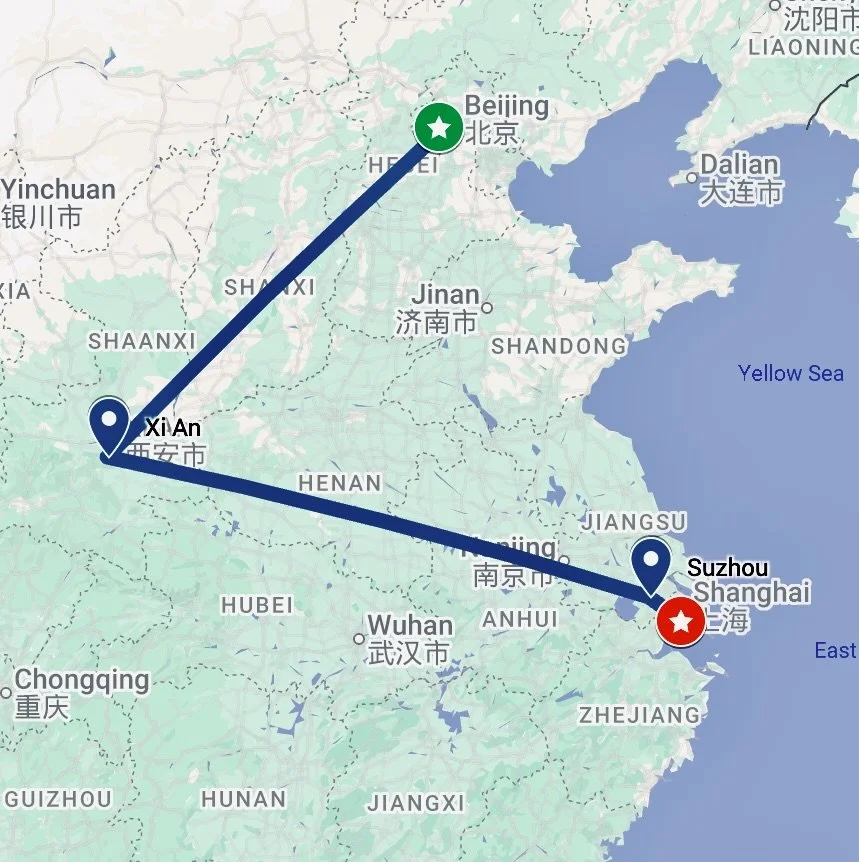
Visit the Great Wall of China from Beijing and the Terracotta Warriors in Xi'an before exploring the gardens of Suzhou and spectacular skyscrapers in Shanghai. This itinerary features essential Chinese landmarks and cultural destinations for travellers who value exploration.
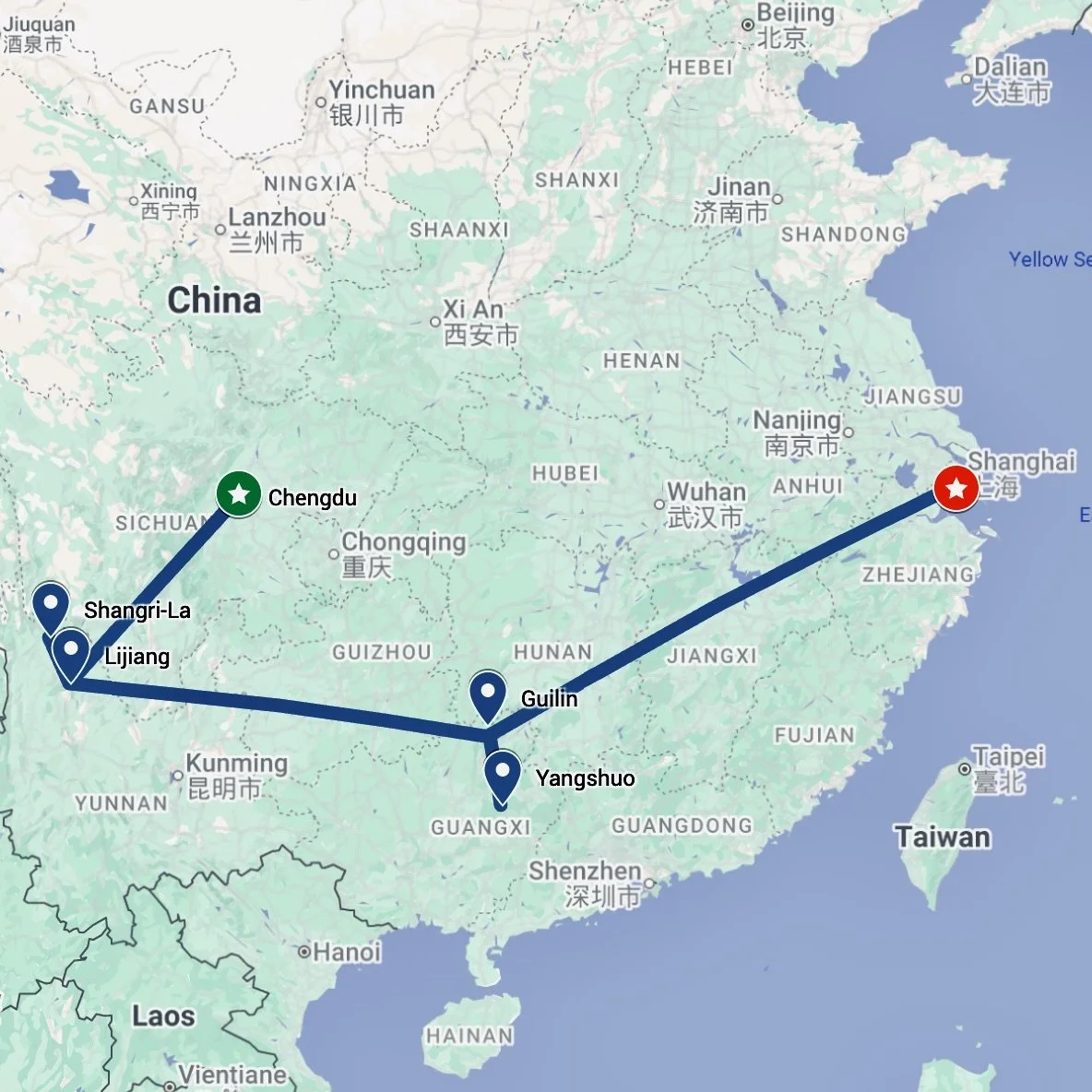
Visit China’s diverse landscapes on this National Geographic tour. Explore Chengdu’s giant panda sanctuaries and the Himalayan foothills of Yunnan. Discover Lijiang and Shangri La before heading to the limestone peaks of Guilin and Yangshuo. Conclude your journey in futuristic Shanghai.
-
The most pleasant times to wander around Hangzhou are during the spring months of March to May and the autumn months of September to November. Spring brings the famous peach blossoms and the first harvest of Longjing tea, while autumn offers crisp air and the sweet scent of osmanthus flowers. The city looks particularly poetic during these transitional seasons.
It is vital to avoid the "Golden Week" public holidays, specifically the first week of October and the Lunar New Year period in January or February. During these times, West Lake becomes incredibly crowded, and transport prices skyrocket. July and August can be oppressively hot and humid, often reaching over 35°C, which makes outdoor sightseeing quite draining.
-
While many visitors treat Hangzhou as a quick day trip from Shanghai, staying longer allows for a much deeper connection with its "slow life" philosophy. A minimum of two days is needed just to see the main UNESCO sites and the lake. However, three to five days is the ideal amount of time to truly explore.
A longer stay gives you the freedom to move beyond the tourist hubs. You can spend a full day hiking through the tea terraces of Meijiawu or exploring the quieter canals of the Xiaohe Historical District. With more flexibility you can support local tea houses and smaller artisans in the lesser-known neighbourhoods that most rushed tourists miss.
-
Hangzhou is generally a very safe city for international travellers, with low rates of violent crime. However, it is always important to check your government's local travel advisory, such as Smartraveller or the FCDO, for the latest updates before you depart. As with any major tourist destination, keep an eye out for common "tea house scams" where friendly locals may invite you for a drink only to leave you with an astronomical bill.
Practising common sense is the best way to stay out of trouble. This includes avoiding drinking to excess and ensuring you always follow local laws and regulations. To protect yourself against unforeseen medical issues or travel disruptions, always ensure you have a comprehensive travel insurance policy in place before you arrive.
-
Hangzhou is a blend of modern cosmopolitan life and traditional values. When walking around the city or visiting the lake, casual but modest clothing is appropriate. When entering religious sites like Lingyin Temple, everyone should ensure their shoulders and knees are covered. It is a sign of respect to avoid wearing overly revealing clothing such as crop tops or very short shorts in these sacred spaces.
If you are lucky enough to be invited into a local home, it is customary to remove your shoes at the entrance. Bringing a small gift, like high-quality fruit or sweets, is a lovely gesture of appreciation. Generally, maintaining a calm and polite demeanour will go a long way, as "saving face" and public harmony are important aspects of local social interactions.
-
Comfortable walking shoes are the most important item in your suitcase, as you will likely cover many kilometres around West Lake and the various mountain trails. If you are visiting in the winter, pack plenty of warm layers and a heavy coat, as the damp cold can feel quite piercing. For the rainy season in June and July, high-quality wet weather gear or a sturdy umbrella is essential.
Since modest dress is preferred at many cultural sites, avoid packing only singlets or very short clothing. Instead, opt for lightweight, breathable fabrics that cover the shoulders and chest. If your accommodation has a pool, standard swimwear is perfectly fine, but keep it conservative when moving through public areas of the hotel. A reusable bag is also handy for local markets to help reduce plastic waste.
-
The local cuisine, known as Zhejiand food, is famous for its fresh, light, and slightly sweet flavours. You must try West Lake Vinegar Fish and Longjing Shrimp, which is stir-fried with the city's famous green tea leaves. These dishes are deeply tied to the local geography and history, reflecting the bounty of the lake and the surrounding plantations.
For a more casual experience, head to Shengli River Food Street or the areas around Hefang Street. Here, you can find local snacks and street food that have been part of the community for generations. Trying these dishes is a great way to support local food traditions and understand why Hangzhou has been considered a gastronomic hub in China for centuries.
Essential Insights
-
Hangzhou is exceptionally well-connected. Hangzhou Xiaoshan International Airport (HGH) handles both domestic and international flights. For those already in China, the high-speed rail network is the most responsible and efficient way to travel. Hangzhou East Railway Station is one of the largest in the country, servicing ultra-fast trains from Shanghai and Beijing.
Taking the high-speed train is significantly faster than flying when you factor in travel to the airport and security wait times, plus it also has a much lower carbon footprint. There are also local trains available for a slower, more budget-friendly journey, and long-distance buses that arrive at the Hangzhou North or South bus stations, though trains are generally preferred for comfort and speed.
-
The metro system in Hangzhou is clean, efficient, and covers most major tourist attractions, including several stops near West Lake. You can pay using mobile apps or by purchasing a transport card at the stations. For those who prefer ridesharing, Didi is the main provider. It is usually linked to a digital wallet, so you don't need to worry about carrying cash for the driver.
For a more scenic experience, Hangzhou is a very pedestrian-friendly city, especially in the Hubin and Xihu districts. Many visitors choose to stay in these areas to explore the lake and surrounding parks on foot. There are also public bicycles available for hire, which is a fantastic way to see the causeways.
-
Staying connected is vital in China for navigation and payments. While you can pick up a physical local SIM card from providers like China Unicom or China Mobile at the airport, an eSIM is often the most convenient option for modern travellers. It allows you to set up your data plan before you even land, so you are ready to go the moment you arrive.
For a reliable data connection, Ohayu is a great eSIM option to consider. It provides straightforward data packages that help you avoid high roaming charges from your home provider. Having a working data connection is especially helpful for using translation apps and digital maps while you are out exploring the tea hills or the Grand Canal.
-
China is almost entirely a cashless society now, with QR code payments via Alipay or WeChat Pay being the standard everywhere from luxury malls to tiny street stalls. It is highly recommended to set up one of these apps with your international card before you arrive. While Visa, Mastercard, and Amex are accepted in high-end hotels, they are rarely used in local shops or restaurants.
ATMs are widely available for withdrawing local currency, which is good to have as a backup. Carrying some USD or EUR in cash is a sensible safety measure for emergencies, but you shouldn't rely on them for daily transactions. Most locals will expect a QR code scan, so being digitally prepared will make your trip much smoother and more enjoyable.
-
In major hotels and popular tourist spots around West Lake, you will find English signage and some English-speaking staff. However, in smaller shops, local markets, and when dealing with taxi drivers, English proficiency is generally quite low. Most people will have a basic understanding of key terms, but complex conversations can be a challenge.
It is highly recommended to download a reliable language translator onto your phone that works offline. Having your hotel address and major landmarks written in Chinese characters can also be a lifesaver. Despite the language barrier, locals are usually very patient and helpful, and you will find that a smile and a bit of gesturing go a long way in making a connection.
-
No, the tap water in Hangzhou is not considered safe for drinking. To stay hydrated responsibly, you should use a reusable water bottle with an inbuilt filter that can remove bacteria and contaminants. This is a much better alternative to buying multiple small plastic bottles, which contributes significantly to environmental waste.
If you don't have a filtered bottle, look for accommodation options that provide free water refill stations or purchase the largest possible water containers to minimise the amount of single-use plastic. Most hotels will also provide a kettle in the room, and boiling the water thoroughly before drinking is a common local practice if you find yourself without filtered options.