
Timeless Canals and Elegant Gardens
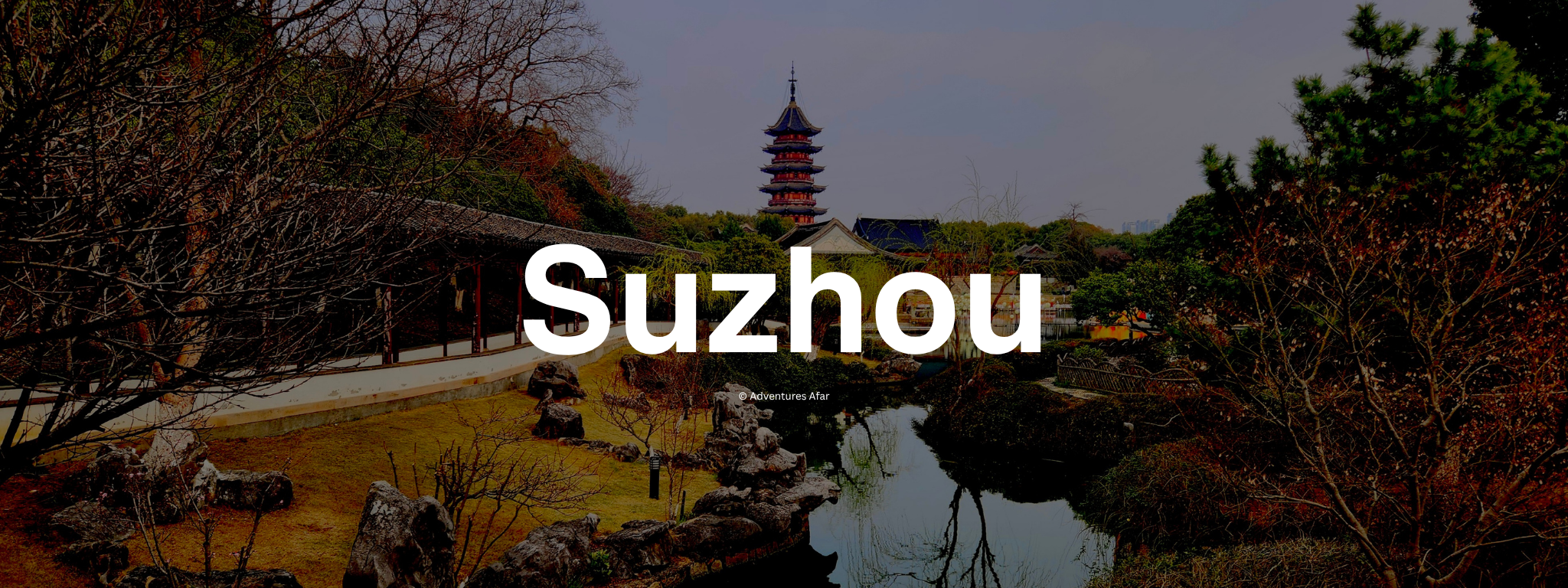
Often referred to as the Venice of the East, Suzhou stands as a cornerstone of Chinese culture. This historic city in Jiangsu Province offers a sophisticated blend of ancient UNESCO World Heritage classical gardens and winding waterways that have inspired poets for centuries. Visitors will find a destination where high-speed rail connectivity meets the slow-paced charm of traditional silk embroidery workshops and stone bridges. Whether you are navigating the narrow canals of a nearby water town or admiring the architectural precision of the Humble Administrator’s Garden, Suzhou provides an authentic immersion into China’s imperial past. Although modern skyscrapers now frame the horizon, the heart of the city remains a tranquil sanctuary of willow-lined banks and tea houses.
This Adventures Afar guide contains affiliate links. If you book through these, we may earn a commission at no extra cost to you.
Unmissable Highlights
-
Humble Administrator’s Garden
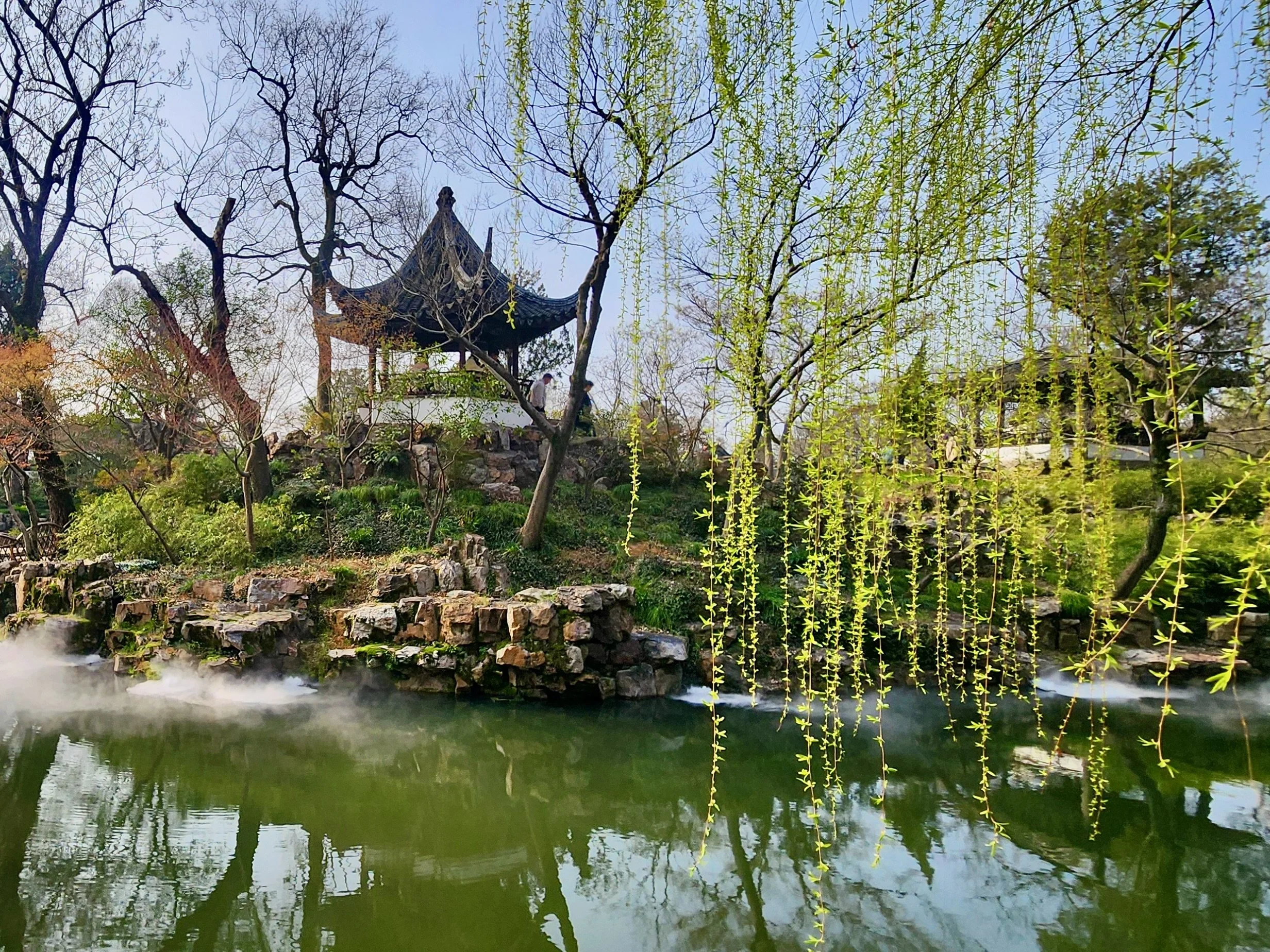
The sprawling Humble Administrator’s Garden in Suzhou is the largest and perhaps most renowned of the city's classical landscapes. As a prestigious UNESCO World Heritage site, it displays a delicate balance of water, pavilions, and islands that occupy nearly a fifth of its total area. Originally built in the 16th century by a retired official, the layout is split into eastern, central, and western sections. Each part offers a different atmosphere, from the rustic feel of the east to the sophisticated, water-focused architecture found in the central garden.
Did You Know? Many of the structures here are named after lotus flowers, such as the Hall of Distant Fragrance. The garden hosts a massive annual Lotus Festival where hundreds of different varieties bloom across the interconnected ponds and waterways.
-
Lingering Garden
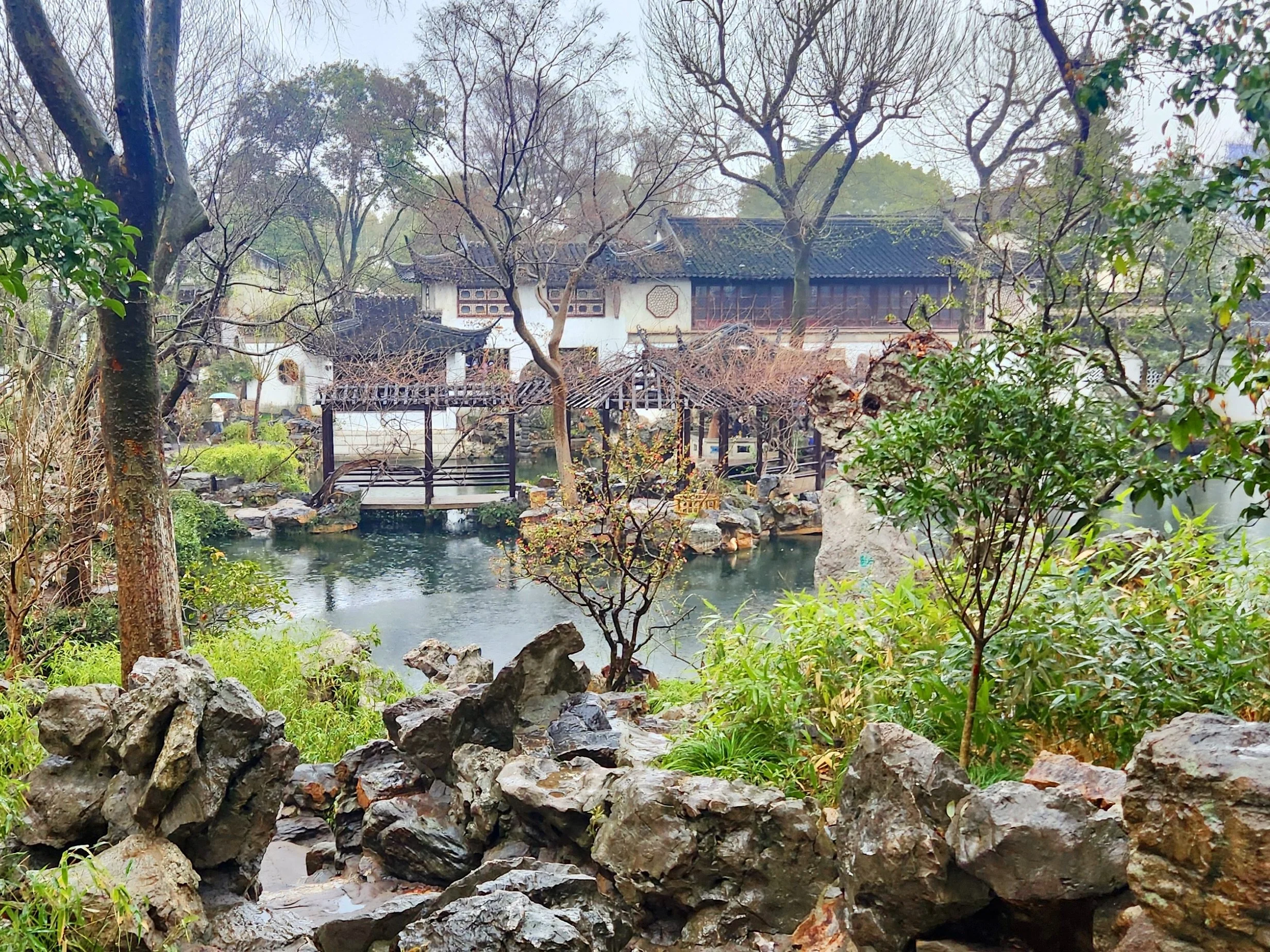
Found just outside the Changmen Gate, the Lingering Garden in Suzhou is a masterpiece of Qing Dynasty design and one of the four most famous classical gardens in China. This UNESCO World Heritage site is celebrated for its incredible use of space, where winding corridors connect four distinct themed sections including lush bamboo groves and intricate rockeries. The central area serves as the historic heart, featuring a large pond and impressive rocks that stands as a testament to ancient Chinese artistry.
Did You Know? The garden contains the Cloud-Capped Peak, which is the highest limestone rockery in any Suzhou garden. Standing over six metres tall and weighing five tonnes, this ancient stone was originally intended for a royal palace during the Northern Song Dynasty.
-
Panmen Scenic Area
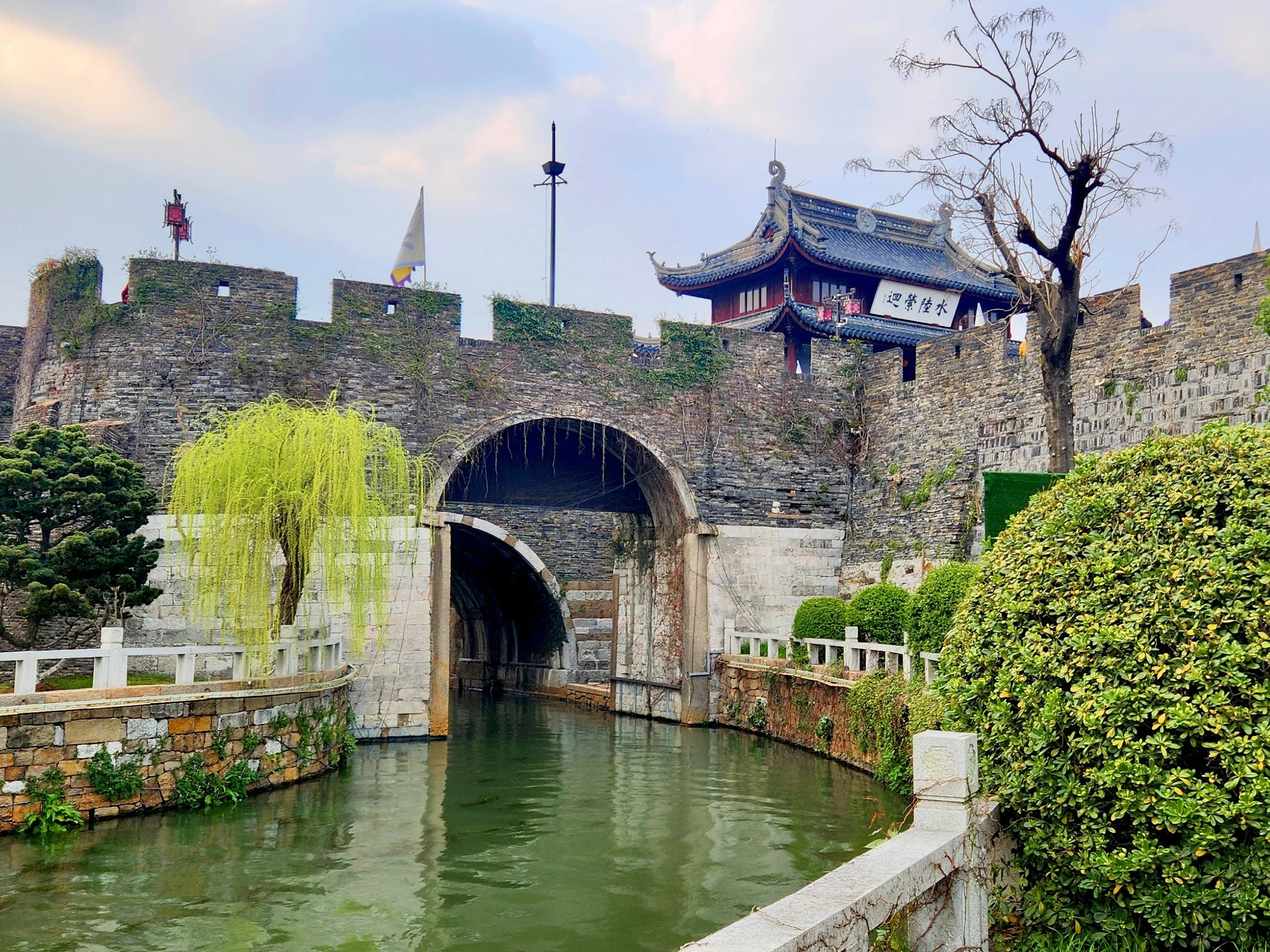
Located in the southwest corner of the historic district, the Panmen Scenic Area in Suzhou is home to the only surviving ancient gate that provides access by both land and water. This unique defensive structure was part of the original city wall built over 2,500 years ago, although the current gate dates to the 14th century. Visitors can climb the stone walls to view the historic Wu Gate Bridge and the Ruiguang Pagoda. The surrounding parkland offers a quiet escape with traditional bridges and canals that connect the city to the Grand Canal.
Did You Know? The Panmen Water Gate was designed with a clever double-door system. This allowed guards to trap enemy boats between two sets of gates, effectively creating a "bottleneck" that made the city nearly impossible to invade from the water.
-
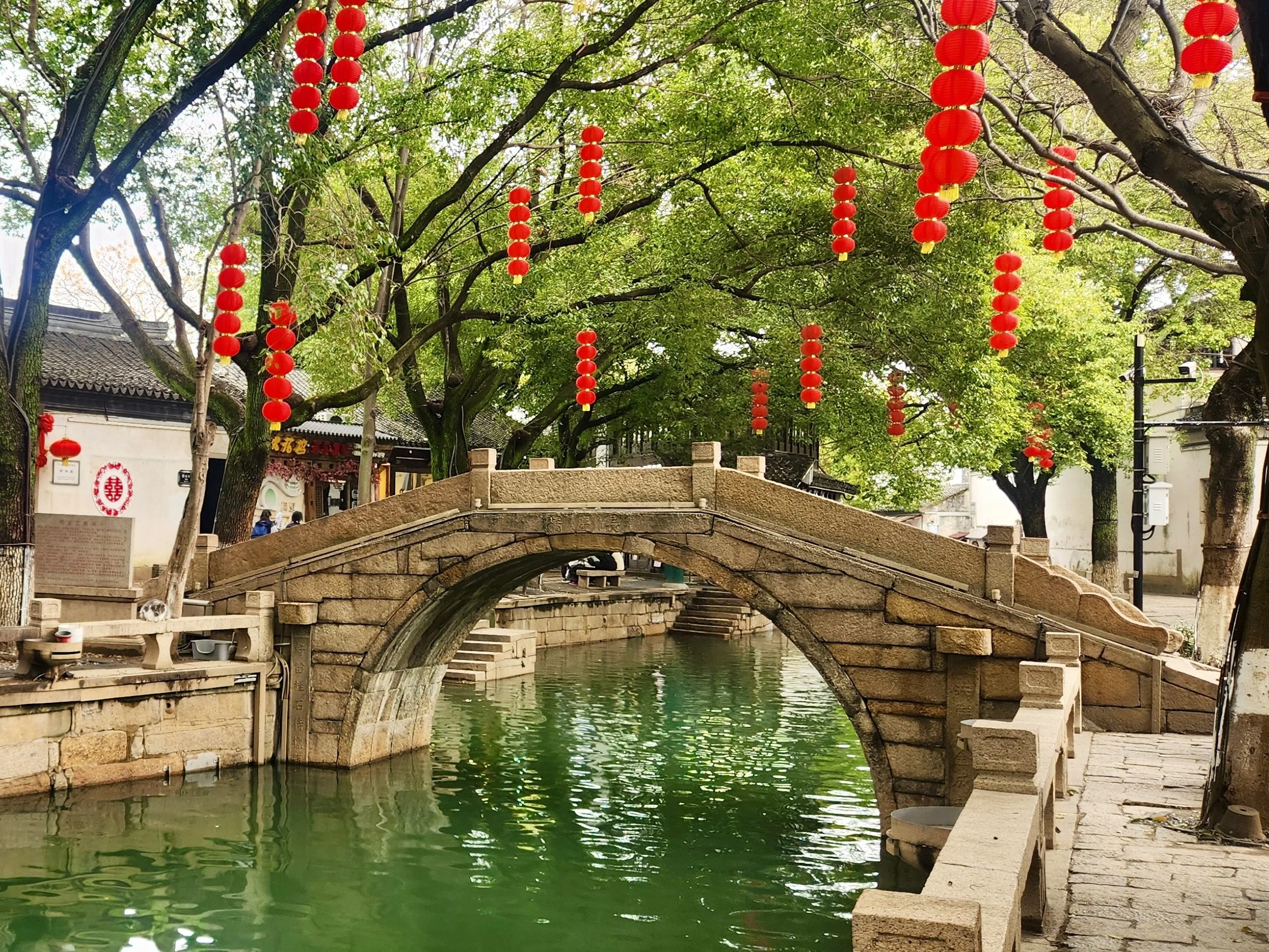
Tongli Water Town
Known for its ancient bridges and traditional canals, Tongli Water Town is a remarkably well-preserved example of life in the Yangtze River Delta. The town is divided into seven islets by fifteen different rivers, all of which are linked by nearly fifty historic stone bridges. Although many water towns have modernised, Tongli retains its authentic charm with Ming and Qing dynasty residences and the beautiful Tuisi Garden, which is a UNESCO World Heritage site. Small wooden gondolas still navigate the narrow waterways, passing under weeping willows and white-walled houses.
Did You Know? Local tradition dictates that residents should walk across the "Three Bridges", named Taiping, Jili, and Changqing, during important life events like weddings or birthdays. This ritual is believed to bring lifelong peace, luck, and eternal happiness to those who complete it.
Recommended
Multi-Day Itineraries
Put this guide into practice with these hand-picked small group journeys,
featuring both iconic landmarks and immersive cultural experiences.
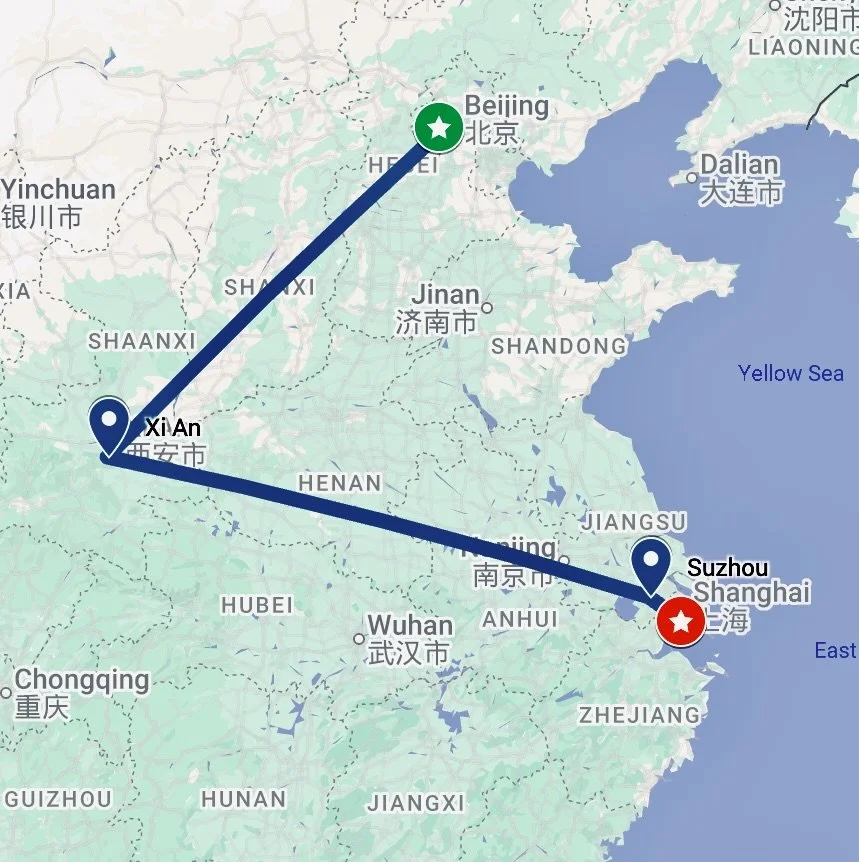
Visit the Great Wall of China from Beijing and the Terracotta Warriors in Xi'an before exploring the gardens of Suzhou and spectacular skyscrapers in Shanghai. This itinerary features essential Chinese landmarks and cultural destinations for travellers who value exploration.
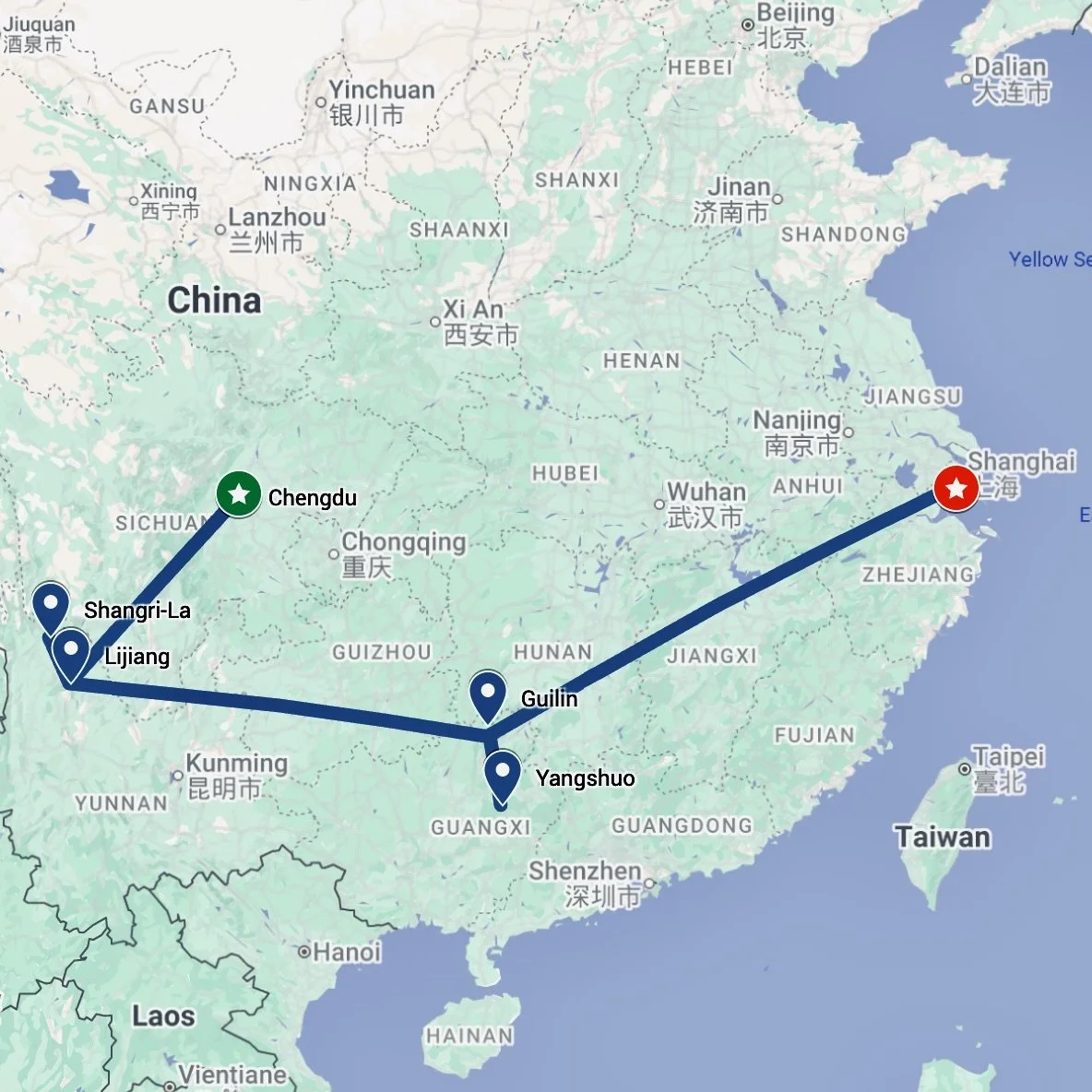
Visit China’s diverse landscapes on this National Geographic tour. Explore Chengdu’s giant panda sanctuaries and the Himalayan foothills of Yunnan. Discover Lijiang and Shangri La before heading to the limestone peaks of Guilin and Yangshuo. Conclude your journey in futuristic Shanghai.
-
The most pleasant window to explore Suzhou is during the spring and autumn months. April and May are particularly beautiful as the city's famous classical gardens burst into life with lush greenery and blooming flowers. September and October offer a similar appeal, providing mild temperatures and clear skies that make wandering along the canals very comfortable.
However, timing is everything when it comes to avoiding the massive crowds that can descend on the "Venice of the East." It is a good idea to steer clear of the major national holidays. The Chinese New Year (usually in late January or February), the May Day holiday (the first week of May), and the National Day "Golden Week" (the first week of October) see millions of domestic travellers on the move. During these times, the narrow lanes of the historic districts can become incredibly congested. If you can, aim for a midweek visit outside of these peak periods to enjoy a much quieter experience.
-
Many visitors treat Suzhou as a quick day trip from nearby Shanghai, but this often leads to a rushed experience that misses the city's true character. To see the major highlights like the Humble Administrator’s Garden and the historic Pingjiang Road, you would need at least two full days. This allows you to appreciate the intricate garden designs and take a relaxing boat ride through the ancient canals without constantly checking your watch.
For those who want to truly discover the destination, staying for three to five days is much better. This extra time allows you to head further afield to the lesser-known neighbourhoods and preserved water towns like Tongli or Zhouzhuang. By staying overnight, you get to witness these areas in the early morning or late evening after the day-trippers have left, which is when the local culture really shines. Taking it slow encourages a more responsible way of travelling, letting you support local tea houses and artisans rather than just ticking boxes on a checklist.
-
Suzhou is generally considered a very safe destination for international travellers, with low rates of violent crime. However, it is always wise to check your own government’s local travel advisory before you set off for the most current information. Like any major tourist hub, petty theft such as pickpocketing can happen in crowded areas like markets or busy train stations, so keep a close eye on your belongings.
Common scams often involve unlicensed taxis or "tea house" invitations where friendly locals might invite you for a drink only to leave you with an astronomical bill. Stick to official taxi ranks or reputable rideshare apps and be cautious of overly persistent strangers. It is also important to follow local laws and avoid drinking excessively, as public disturbances are not taken lightly. Finally, make sure you have a comprehensive travel insurance policy that covers medical emergencies and trip cancellations to give you peace of mind while you explore.
-
Showing respect for local customs in Suzhou is mostly about modesty and mindfulness. When you are sightseeing in the classical gardens or walking through the historic old town, smart-casual attire is perfectly appropriate. However, if you are visiting religious sites like the Hanshan Temple, everyone should ensure their shoulders and knees are covered. This means avoiding singlet tops, short skirts, or hot pants. Dressing appropriately is a simple gesture that shows respect for the spiritual nature of these monuments.
If you are lucky enough to be invited into someone’s home, it is customary to remove your shoes at the entrance. Your host will often provide a pair of indoor slippers for you to wear. When it comes to behaviour, try to keep your voice at a moderate level in public spaces and always ask for permission before taking photos of people or inside temple halls. Using your right hand to give or receive items, like business cards or gifts, is also a nice touch that locals will appreciate.
-
Since you will likely be doing a lot of walking through gardens and along stone-paved canals, comfortable and sturdy walking shoes are the most important item in your suitcase. If you plan to visit temples, remember that you may need to remove your shoes, so slip-on styles can be quite handy. For the warmer months from June to August, pack light, breathable fabrics like cotton or linen to help manage the humidity. Avoid packing overly revealing clothes like crop tops if you want to be respectful of local norms.
The winter months can get surprisingly chilly, often dropping near freezing, so if you are visiting between December and February, make sure to pack a warm coat, a scarf, and thermal layers. If your trip falls during the "Plum Rain" season in June and July, an umbrella and a lightweight waterproof jacket are essential.
-
Suzhou's cuisine is famous for its delicate, slightly sweet flavours and emphasis on fresh, seasonal ingredients. You cannot leave without trying the Squirrel-shaped Mandarin Fish, a masterpiece of fried fish served in a bright sweet and sour sauce. Another local favourite is the "Three Whites" from Taihu Lake consisting of white fish, silver fish, and white shrimp, which are celebrated for their purity and freshness. These dishes are deeply tied to the region’s watery landscape and have been enjoyed by locals for centuries.
For a more casual experience, head to the vibrant food stalls on Shantang Street or Pingjiang Road. Here you can find seasonal treats like pan-fried pork buns or osmanthus-flavoured rice cakes. If you are visiting in the autumn, the Hairy Crabs from Yangcheng Lake are a legendary delicacy that people travel from all over China to taste. Trying these local specialities is a great way to connect with the community and understand the "slow life" philosophy that Suzhou is so famous for.
Essential Insights
-
Suzhou does not have its own major international airport, so most travellers fly into Shanghai Pudong (PVG) or Shanghai Hongqiao (SHA). From there, the high-speed rail network is the most efficient way to reach the city. The journey from Shanghai Hongqiao Railway Station to Suzhou Railway Station takes as little as 25 to 30 minutes, which is significantly faster than driving through city traffic.
The city is served by several main stations, including Suzhou Railway Station (centrally located), Suzhou North, and Suzhou Industrial Park. These stations handle a mixture of high-speed G-trains and slower local services. If you are coming from other major hubs like Beijing or Nanjing, the high-speed trains are exceptionally reliable and offer a much lower carbon footprint than short-haul flights. There are also long-distance bus services, although the train remains the preferred choice for its speed and comfort.
-
The Suzhou Metro is an excellent way to get around, as it is clean, affordable, and connects the modern districts with the historic garden areas. You can pay for rides using a local public transport card or by scanning a QR code through mobile payment apps. For a more scenic route, the city’s bus network is extensive, although you will need exact change in coins if you aren't using a transport card.
Rideshare apps like DiDi are very popular and allow you to see the fare upfront, which you can pay via the app rather than using cash. For those who prefer to explore on foot, the area around Pingjiang Road and the Humble Administrator’s Garden is very pedestrian-friendly. Staying in the Gusu District puts you within walking distance of many major attractions, allowing you to soak in the atmosphere of the ancient streets at your own pace.
-
Staying connected is vital in China, especially for navigating and using translation apps. While you can buy a local physical SIM card at the airport or major service centres in the city, an eSIM is often a much more convenient option for modern travellers. It allows you to set up your data plan before you even land, so you have an internet connection the moment you step off the plane.
Ohayu is a great eSIM choice that offers various data packages specifically for China. Using an eSIM like this often helps you bypass some of the local internet restrictions that can make accessing certain international websites difficult. It is also usually much easier than trying to find a local shop that can register a physical SIM for a foreign passport, saving you time and a potential headache during your first few hours in the country.
-
China has rapidly moved toward a cashless society, and Suzhou is no exception. Mobile payment apps like Alipay and WeChat Pay are the primary ways to pay for everything from high-end dinners to a single piece of fruit at a market. You can link your international Visa or Mastercard to these apps, which makes transactions very smooth. While cash is still legally accepted, many smaller vendors may not have much change on hand.
ATMs are widely available at banks and in shopping centres, and most will accept international cards for cash withdrawals. Major hotels and large department stores might take physical credit cards, but it is not guaranteed elsewhere. Carrying some USD or EUR is a good backup in case of an emergency, but you shouldn't rely on them for daily spending. The most practical approach is to have your mobile payment apps set up before you arrive and keep a small amount of local currency as a secondary option.
-
In the main tourist areas, classical gardens, and larger hotels, you will sometimes find signs and menus with English translations. However, the general level of English proficiency among locals can be quite limited. While younger people or staff in international hotels may speak some English, you shouldn't expect it to be common in smaller shops or when using local transport.
To make your trip easier, it is highly recommended to download a language translator app on your phone that works offline. Apps that allow you to take a photo of text and translate it instantly are incredibly helpful for reading menus or street signs. Having your hotel address and major destinations written in Chinese characters on your phone or a piece of paper is also a smart move, as it makes communicating with taxi drivers much more straightforward.
-
No, the tap water in Suzhou is not considered safe for drinking. While it is fine for showering, you should avoid drinking it directly from the tap. Most hotels will provide a couple of bottles of water in your room daily, but to minimise the use of single-use plastic, it is better to carry a reusable water bottle with an inbuilt filter.
Many modern hotels and some public spaces now offer free water refill stations, so look out for these to top up your supply. If you do need to buy water, purchasing larger five-litre bottles to keep in your room and refilling your smaller travel bottle is a more responsible way to reduce waste. Alternatively, boiling the tap water in your hotel kettle is an effective way to make it safe for tea or coffee.