
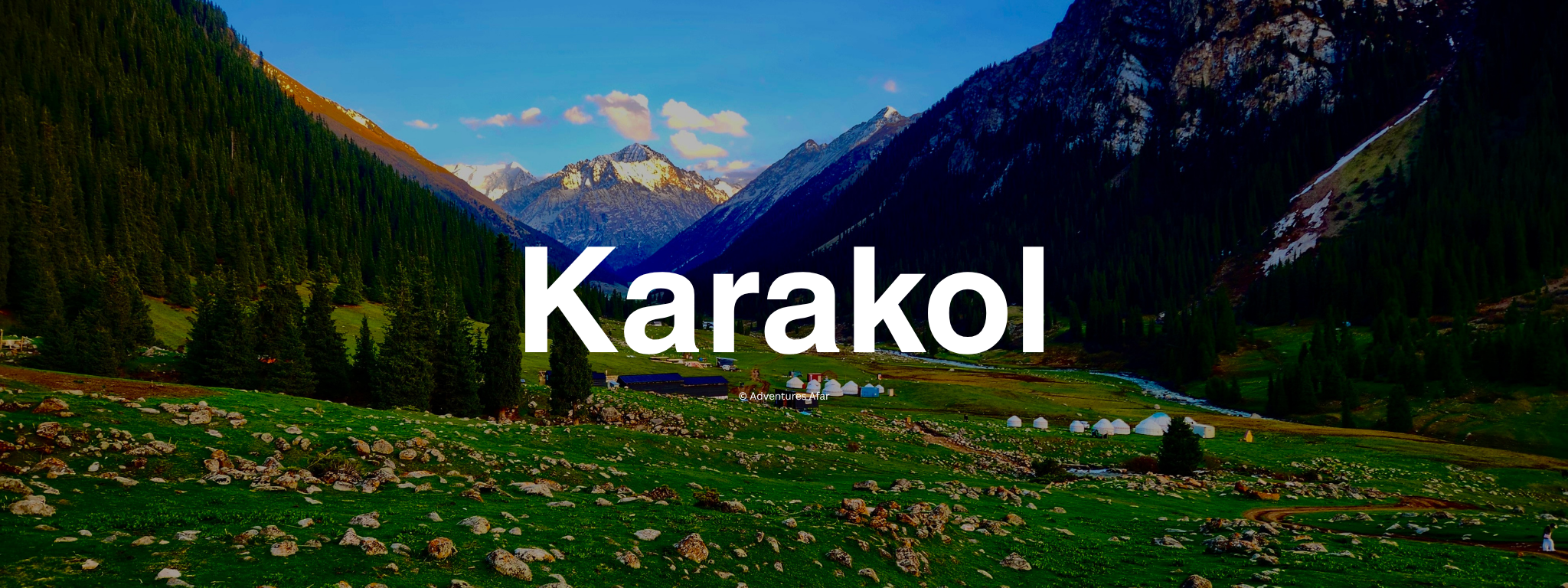
Cultural Crossroads and Alpine Wilderness
Situated at the base of the towering Terskey Alatoo range near Lake Issyk-Kul, the multi-cultural town of Karakol delivers an unparalleled launch pad for trekking and outdoor exploration in eastern Kyrgyzstan. This captivating destination brings together a fascinating blend of Dungan, Tatar, and Kyrgyz heritage, offering travellers an authentic look into Central Asian history through traditional timber architecture and vibrant culinary traditions. Beyond the bustling local markets, the surrounding landscape provides immediate access to world-class backcountry trails, pristine valleys, and dramatic sandstone gorges. For those seeking genuine outdoor exploration combined with rich cultural depth, this mountain hub presents the perfect balance of rugged terrain and welcoming community charm.
This Adventures Afar guide contains affiliate links. If you book through these, we may earn a commission at no extra cost to you.
Unmissable Highlights
-
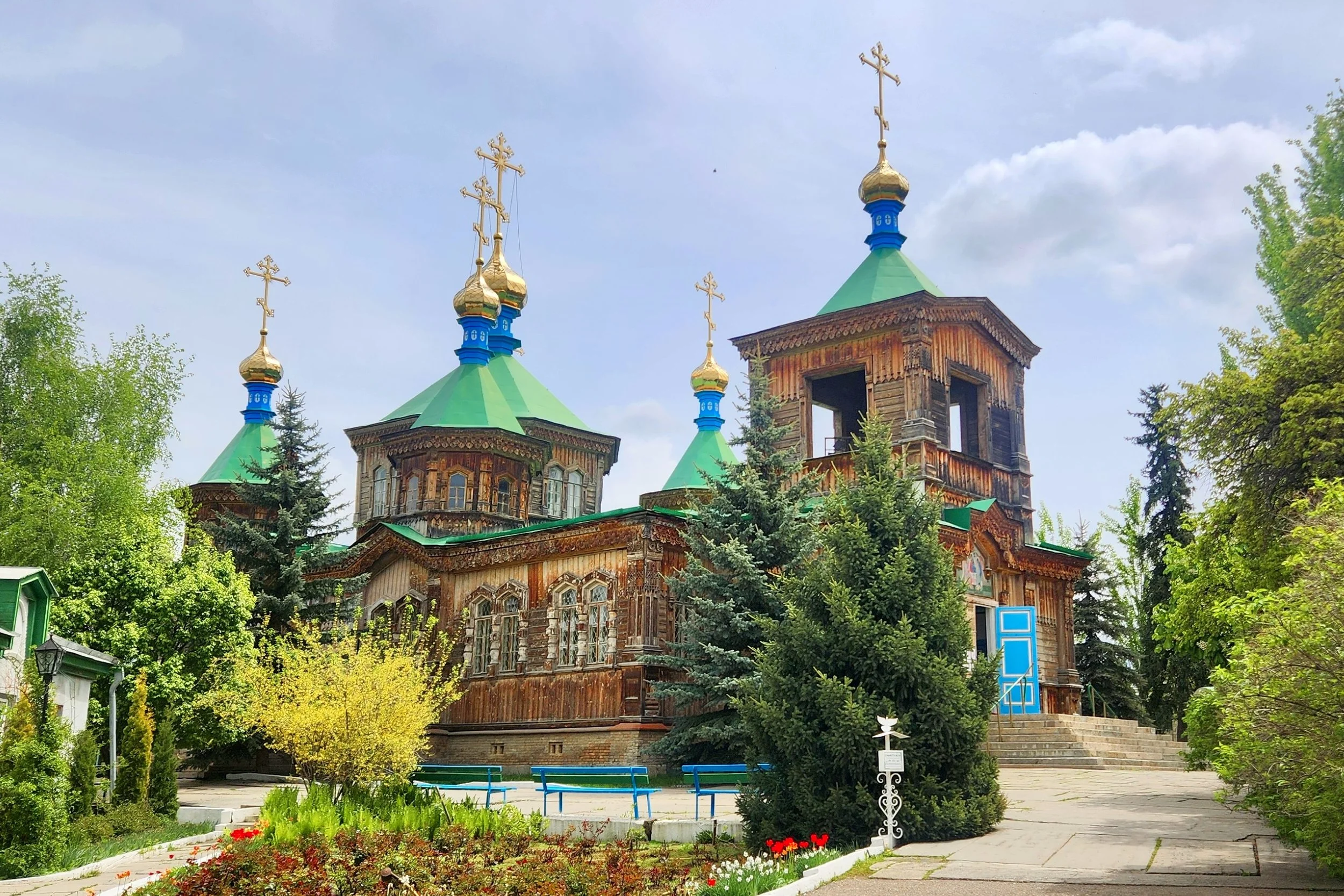
Holy Trinity Cathedral
Constructed entirely from Siberian pine, the striking Holy Trinity Cathedral stands as a testament to the resilient spirit of the local community. This architectural masterpiece features five ornate green spires and beautiful golden domes that contrast sharply against the backdrop of the Tian Shan mountains. Its intricate wooden facade showcases delicate carvings, while the peaceful interior contains sacred Orthodox icons. Originally built in the nineteenth century, the current structure arose following a devastating earthquake, managing to endure decades of political upheaval and secular use during the Soviet era.
Did You Know? This remarkable structure was assembled using traditional Siberian techniques that required no nails whatsoever. The interlocking logs have allowed the cathedral to withstand multiple major earthquakes over the past century.
-
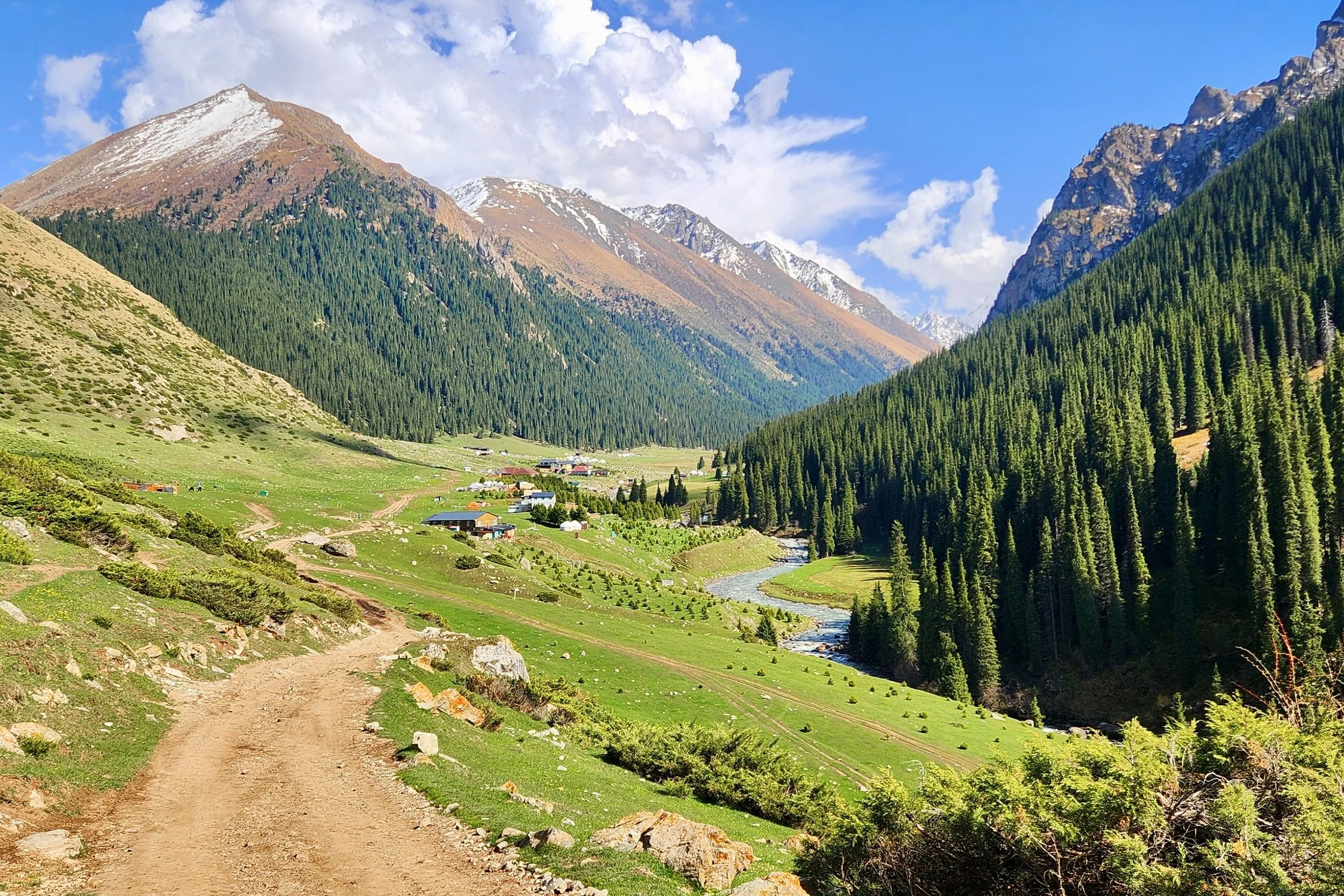
Altyn Arashan
Renowned for its breathtaking alpine scenery, the pristine valley of Altyn Arashan offers an idyllic escape for outdoor enthusiasts. The landscape is characterised by rolling meadows carpeted in wildflowers and dense pine forests, all framed by towering snow-capped peaks. Adventurers frequent the area for world-class hiking and rugged 4x4 excursions along challenging mountain passes, whilst others prefer exploring the rugged terrain via horseback. After a taxing journey, travellers can relax in the natural thermal hot springs that dot the riverbank, famed for their high mineral content and therapeutic healing properties.
Did You Know? The valley translates to 'Golden Spa' in the Kyrgyz language. Beyond its healing waters, the surrounding state nature reserve is a highly protected botanical sanctuary sheltering around twenty endangered snow leopards.
-
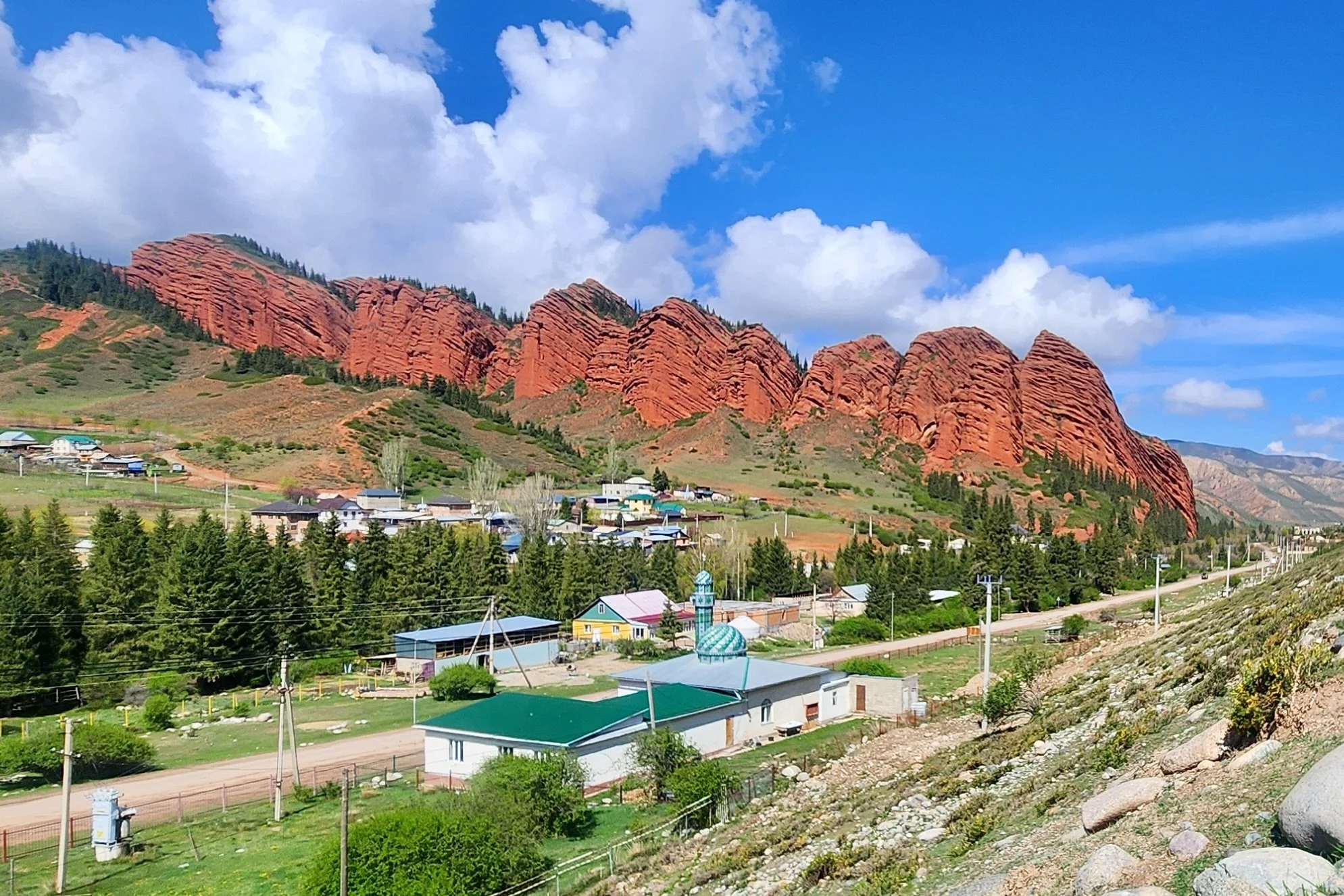
Jeti-Oguz Gorge
Famed for its striking red sandstone formations, the majestic Jeti-Oguz Gorge is one of the most visually dramatic landscapes in Central Asia. Also known as the Seven Bulls, the area features a colossal 35 km wall of craggy cliffs that resemble a row of crouching beasts guarding the valley entrance. Thick evergreen forests and alpine pastures blanket the neighbouring slopes, leading deeper into a valley celebrated for its seasonal wildflowers and cascading waterfalls. Visitors are also drawn to a distinct split formation near the entrance called the Broken Heart, which is steeped in local folklore.
Did You Know? In 1991, the historic sanatorium located within the gorge hosted the legendary first official meeting between the Russian President Boris Yeltsin and Kyrgyz President Askar Akayev following the collapse of the Soviet Union.
Recommended
Multi-Day Itineraries
Put this guide into practice with these hand-picked small group journeys,
featuring both iconic landmarks and immersive cultural experiences.
Northern Stans: Kyrgyzstan & Kazakhstan
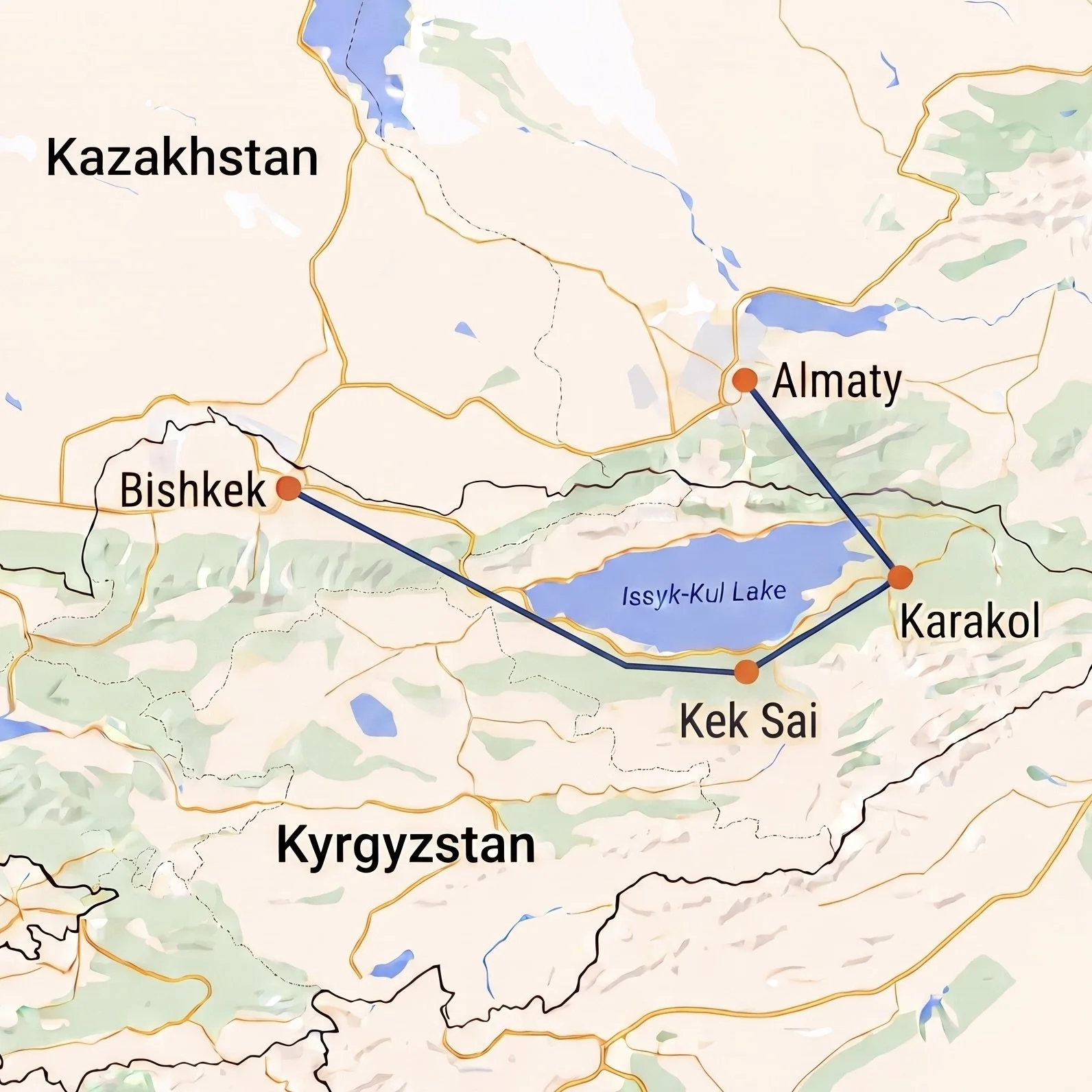
Travel from Bishkek through Kyrgyzstan’s dramatic mountain scenery, exploring Fairytale Canyon and yurt traditions near Karakol and Issyk-Kul Lake. Journey past ancient minarets and deep gorges before a brief finale in leafy Almaty.
Highlights of Kyrgyzstan and Kazakhstan
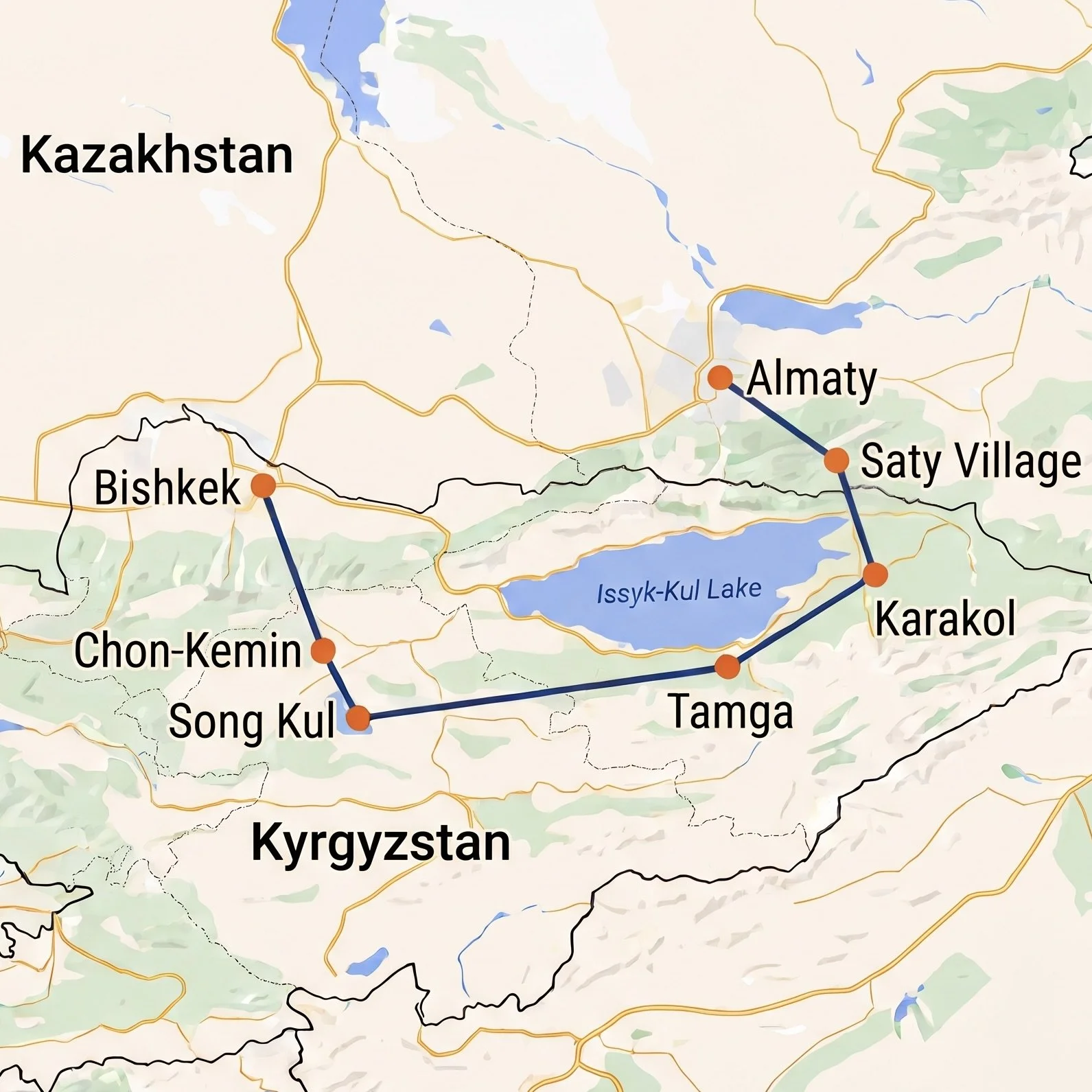
Travel from Bishkek through Central Asia’s raw landscapes. Stay in traditional yurts and guesthouses beside alpine lakes, discover Karakol’s wooden architecture, then cross into Kazakhstan to experience Charyn Canyon and leafy Almaty.
-
The ideal window to explore this mountain town depends entirely on what your boots are built for. For high-altitude trekking and outdoor festivals, July and August are prime months. The mountain passes are free from snow, and the wildflowers are still in bloom. May and June boast fresh alpine flowers in spring, however, they are also the wettest months. September is also spectacular, offering crisp autumn air, golden-hued valleys, and far fewer travellers on the trails. If you are a skier or snowboarder, the winter months from December to March transform the area into a snow-covered playground.
It is wise to look closely at local calendar dates when planning. The summer school holidays from June through to August mean that the wider Issyk-Kul region experiences a massive influx of domestic holidaymakers, causing accommodation and transport prices to rise. Independence Day on 31 August is a major national holiday that sees closures and busy roads, so booking your seats well in advance is essential if your trip overlaps with the celebrations.
-
Slowing down is the secret to uncovering the true magic of this region. While a quick stay of a day or two lets you tick off the main architectural sights within the town limits, it barely scratches the surface of the surrounding wilderness. Most visitors tend to rush through in three or four days, using the town merely as a quick pit stop for day treks.
Extending your stay to five to ten days is highly rewarding, especially if you’re interested in completing the classic multi-day hiking routes up to the stunning Ala-Kul lake. This amount of time also allows you to soak in the therapeutic thermal valleys and explore the lesser-known neighbourhoods by foot. A longer itinerary allows you to engage more with Karakol’s diverse community and explore quieter areas.
-
Personal safety here is generally high, and the community is incredibly welcoming to international visitors. However, it is always a smart first step to check your government's local travel advisory for up-to-date information before arriving. Petty crime like pickpocketing is the most common nuisance, particularly in crowded areas such as the bustling bazaar and the chaotic Sunday livestock market. Keep your valuables secure and be alert to distraction techniques in public spaces.
Practising simple common sense, such as avoiding drinking alcohol in excess and always respecting local laws, will help keep you out of trouble. Finally, ensure you have a comprehensive travel insurance policy that specifically covers high-altitude trekking if you intend to venture into the peaks.
-
Showing respect for the local culture means dressing thoughtfully while exploring the town and nearby villages. The community is a unique blend of conservative and secular traditions, so dressing modestly is highly appreciated. When walking around town, everyone should ensure that their shoulders and knees are covered. Revealing outfits that expose midriffs, chests, or thighs are best avoided to prevent causing inadvertent offense to the local population.
When visiting the iconic Holy Trinity Cathedral or the beautiful Dungan Mosque, stricter clothing standards apply. Everyone needs to have long trousers or skirts that cover the legs completely. Women are expected to cover their arms and hair with a scarf. Furthermore, if you are lucky enough to be invited into a local home, always remove your shoes at the door as a sign of respect and cleanliness.
-
Packing for this region requires a balance of cultural awareness and readiness for unpredictable mountain weather. Leave singlet tops, crop tops, and shorts at home, as they are not suitable for walking around town. If you plan on swimming in the therapeutic hot springs or taking a dip in Lake Issyk-Kul, pack modest swimwear, such as one-piece costumes or swim shorts, to keep things comfortable and respectful for conservative locals.
Sturdy hiking boots are essential for the uneven gravel streets and rugged mountain paths. It is also wise to bring slip-on shoes for days spent visiting religious monuments and local homes, where you will frequently need to take your shoes off. May and June are historically the wettest months, making reliable wet weather gear a priority. Conversely, if you visit during the freezing winter ski season, pack high-quality thermal layers, heavy down jackets, and insulated gloves.
-
The culinary scene is a direct reflection of the town's vibrant history as a cultural melting pot. The absolute must-try dish is ashlyan-fu, a cold, spicy Dungan soup made with wheat and starch noodles, a tangy vinegar broth, and plenty of chilli oil, typically served alongside a warm potato pirozhki. Trying this dish is a fundamental part of the local experience, and it holds immense pride for the Dungan community who brought the recipe to the region in the late 19th century. Head to the small cafes inside the Bugu Bazaar or the dedicated food stalls in the Dungan neighbourhood to find the most authentic bowls.
Beyond this iconic soup, you should sample Karakol lagman, which features thick, hand-pulled noodles topped with savoury stir-fried meat and vegetables, and dymdama, a slow-cooked vegetable and mutton stew. Sampling these dishes directly supports the multi-ethnic culinary entrepreneurs who keep these traditional family recipes alive.
Essential Insights
-
Reaching Karakol is an adventure in itself, with multiple overland options that align perfectly with a responsible travel mindset. Karakol does, however, have its own airport (IKG) with 2 to 4 flights per week to Bishkek, depending on the season.
From Bishkek’s bus stations you can board frequent local marshrutkas or shared taxis. For a smoother journey, the GoBus service operates comfortable long-distance coaches with fixed departure times, usually overnight. There are also numerous marshrutkas running along both sides of Issyk-Kul Lake terminating in Karakol, as well as daily services to Almaty.
-
Navigating the town is straightforward once you understand the local transport landscape. The most budget-friendly option is the network of numbered public marshrutkas that crisscross the main avenues. You simply hail them from the side of the road and pay a small flat fare in cash directly to the driver upon boarding. For reaching specific hiking trailheads or travelling at night, digital rideshare apps like Yandex Go are highly useful. The app provides a transparent, pre-fixed fare so you do not have to haggle, although you will still pay the driver in cash at the end of the trip if you are unable to pre-add your card details within the app.
If you prefer to rely on your own two feet, choosing accommodation within the historic central grid near the Holy Trinity Cathedral puts you in an incredibly pedestrian-friendly zone. Most major town attractions, restaurants, and tour offices sit within easy walking distance of this central hub.
-
Staying connected while exploring Karakol and the surrounding valleys is surprisingly easy. The major domestic SIM card providers, namely O!, Beeline, and Megacom, have official retail stores right in the centre of town where you can register a tourist plan using your passport. The data packages are affordable and sometimes give you unexpectedly strong signals even in deep mountain valleys.
If your phone allows eSIMs and you want internet access the second you step across the border, Ohayu is a reliable option as it lets you activate a data plan prior to your arrival. This saves you from having to search for a physical shop on your first day, and ensures you can navigate to your guesthouse without any digital hiccups.
-
Cash is essential for daily survival in this part of Kyrgyzstan. The vast majority of local guesthouses, traditional markets, small eateries, and mountain transport operators do not accept card payments. ATMs are widely available throughout the central commercial district for withdrawing Kyrgyz Som, although it is smart to withdraw money before the weekend when machines can occasionally run out of cash.
Visa and Mastercard are slowly being accepted at larger supermarkets and modern hotels, whilst American Express is virtually non-existent. While local residents rely heavily on mobile banking apps and QR codes for everyday payments, these systems are generally closed to international bank accounts. Carrying a stash of clean, crisp US Dollars or Euros is an excellent backup, as the local exchange booths offer highly competitive rates for pristine, unwrinkled banknotes.
-
English proficiency is relatively limited in the region, particularly outside the immediate hospitality sector. Staff at popular hostels, community-based tourism offices, and major trekking agencies speak excellent English and are always happy to help with trail logistics. However, when you step into local taxis, family-run markets, or traditional dining spots, you will find that most residents speak only Kyrgyz or Russian.
English language signs and menus are popping up in modern cafes around the town centre, but they are far from standard. To bridge the communication gap, downloading a reliable language translation app onto your smartphone before your trip is highly recommended. Make sure to download the Russian and Kyrgyz offline data packs so you can decode menus and chat with friendly market vendors even when you lose signal in the mountains.
-
No, the tap water in Karakol is not considered safe for travellers to drink straight from the source. The municipal water system has a very high mineral content and can carry bacteria that will easily upset an unaccustomed stomach, meaning that drinking unboiled tap water is a quick way to disrupt your holiday plans.
To minimise the quantity of single-use plastic bottles ending up in local landfills, avoid buying small plastic water bottles every day. Instead, it is highly recommended to travel with a reusable water bottle that features an inbuilt purification filter capable of removing bacteria and heavy minerals. Alternatively, you can buy large five-litre water jugs from local shops to refill your smaller container, or actively look for accommodation options that provide free, filtered water refill stations for their guests.