
Giant Buddha and Ancient Rivers
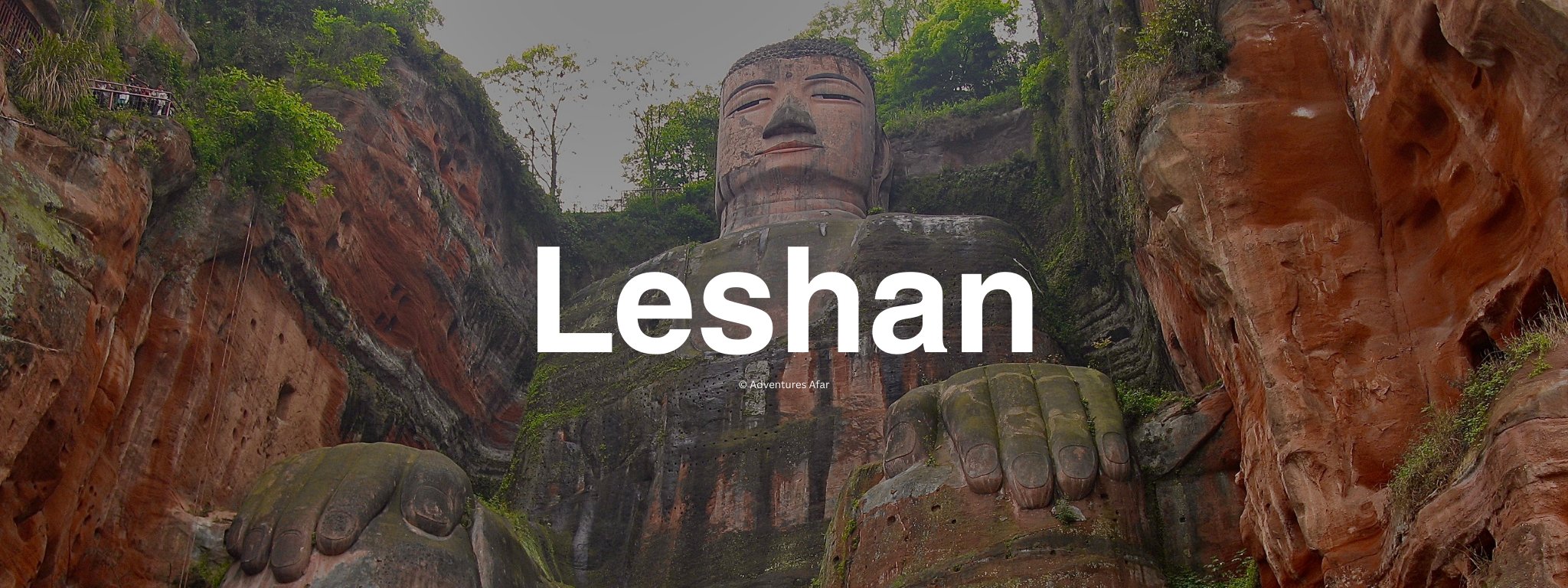
Leshan is home to the world’s largest stone Buddha, a massive 71-metre tall masterpiece carved into the red sandstone cliffs of Sichuan. This UNESCO World Heritage site sits at the confluence of the Min and Dadu rivers, where the seated figure has watched over the water since the Tang Dynasty. Visitors can explore the surrounding Wuyou Temple and the Lingyun mountain trails to appreciate the scale of this 8th-century monument. Beyond the Giant Buddha, Leshan offers rich history and local culture, making it a primary destination for travellers in China.
This Adventures Afar guide contains affiliate links. If you book through these, we may earn a commission at no extra cost to you.
Unmissable Highlights
-
Cruise To The Base Of The Statue
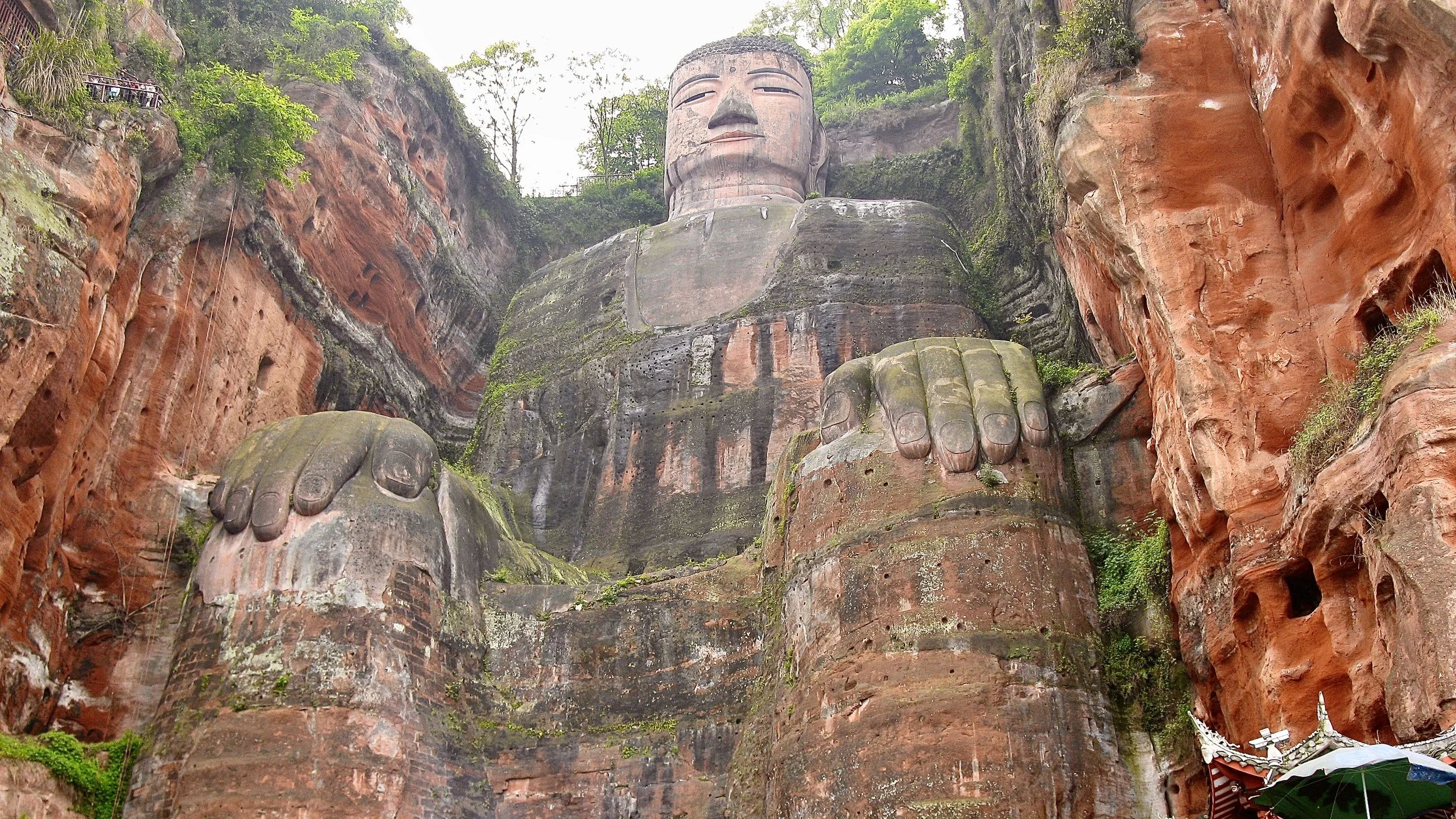
Viewing the Leshan Giant Buddha from the river is the most striking way to appreciate its immense scale. Boats cruise slowly across the water, pausing directly in front of the statue so visitors can take in its full height in one uninterrupted view. From this angle, the Buddha’s calm expression, vast shoulders, and resting hands feel especially powerful. River viewing avoids the long queues found on land and offers a peaceful, unhurried experience, with the statue rising serenely above the confluence of three rivers.
Did you know? The Buddha was carved to calm the dangerous river currents below, long regarded with fear by local boatmen. Legend says the stone excavated from the cliff filled the riverbeds, effectively altering the water's flow and making the passage safe for ships to navigate since the 8th century.
-
Get Up Close By Foot
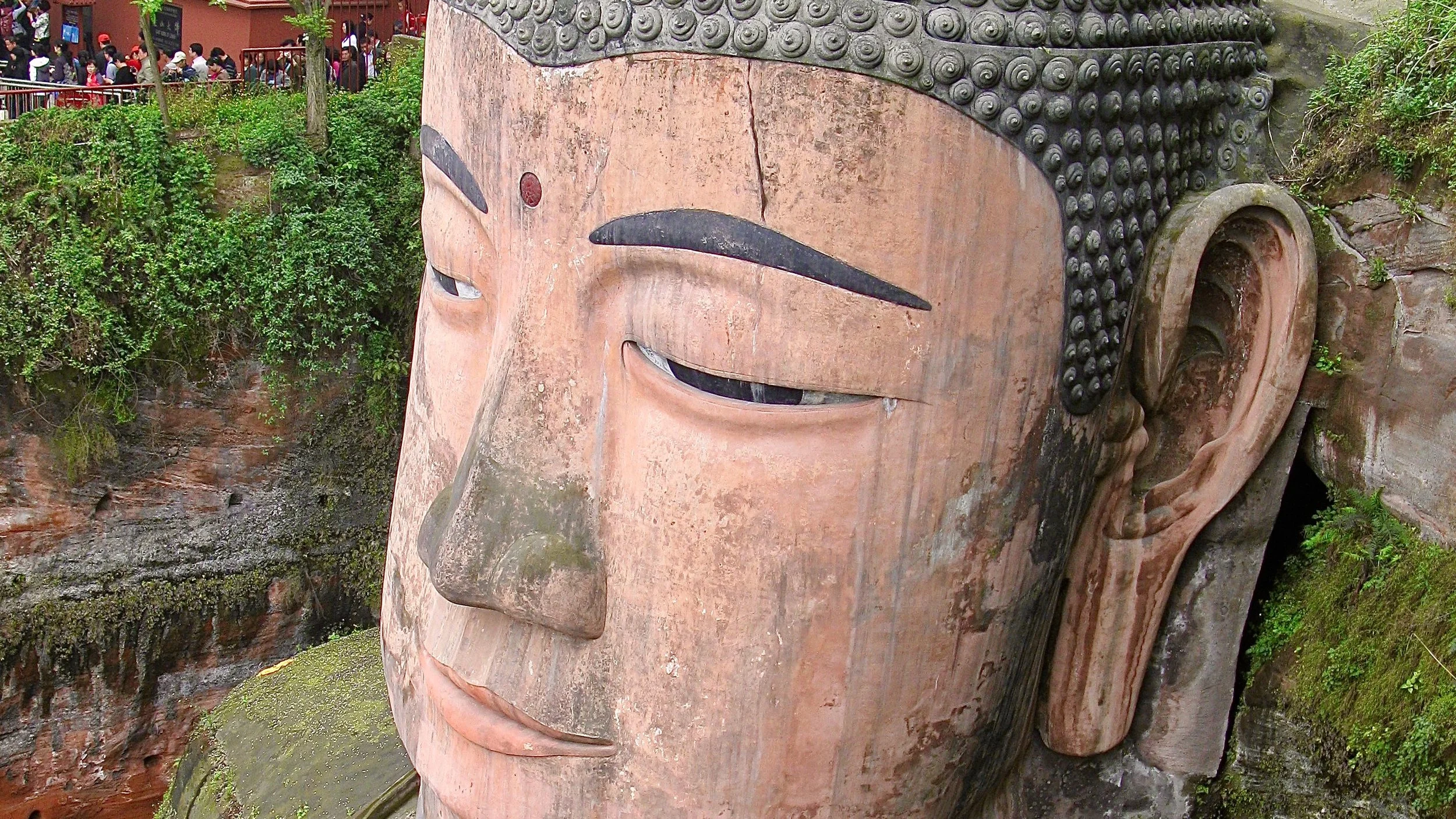
Exploring Leshan on foot reveals far more than the Buddha alone. A network of paths winds through temple halls, pavilions, as well as rock cut grottoes carved into the cliff face. Steep staircases descend beside the statue, offering close up views of its enormous feet and head, while shaded walkways lead to quieter corners away from the main crowds. Here, incense drifts through the air and monks move between halls, creating a reflective atmosphere that balances the scale and spectacle of the monument itself.
Did you know? The statue took 90 years to construct and required thousands of workers. Unique craftsmanship was used for the seven-metre ears, which were fashioned from wood and clay before being attached, while a hidden drainage system inside the statue helps prevent water damage and erosion.
Recommended
Multi-Day Itineraries
Put this guide into practice with these hand-picked small group journeys,
featuring both iconic landmarks and immersive cultural experiences.
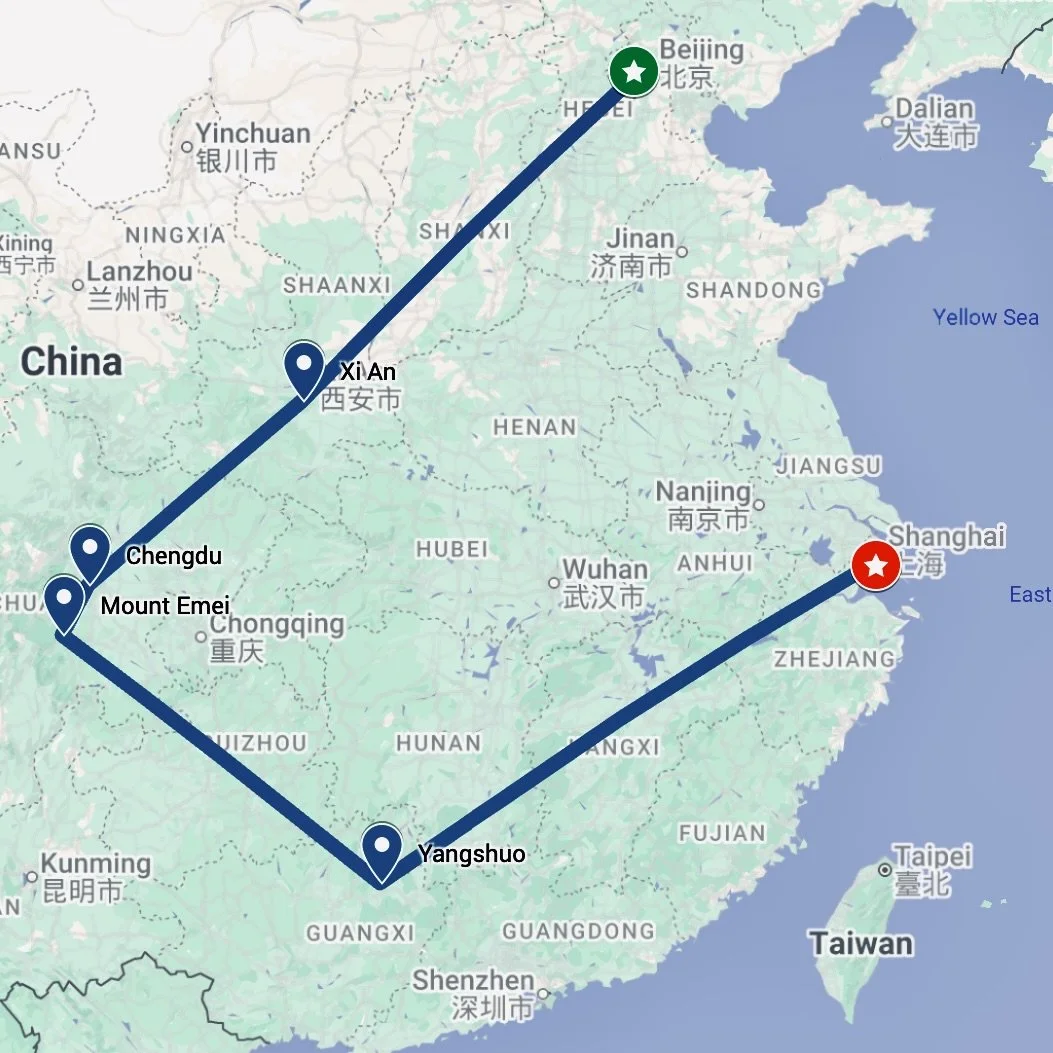
Discover China’s iconic landmarks and natural wonders. Hike the Great Wall in Beijing and witness the Terracotta Warriors in Xi'an. Visit the Leshan Giant Buddha, explore Emei Shan monasteries, and experience Yangshuo’s rural scenery before concluding your adventure in vibrant Shanghai.
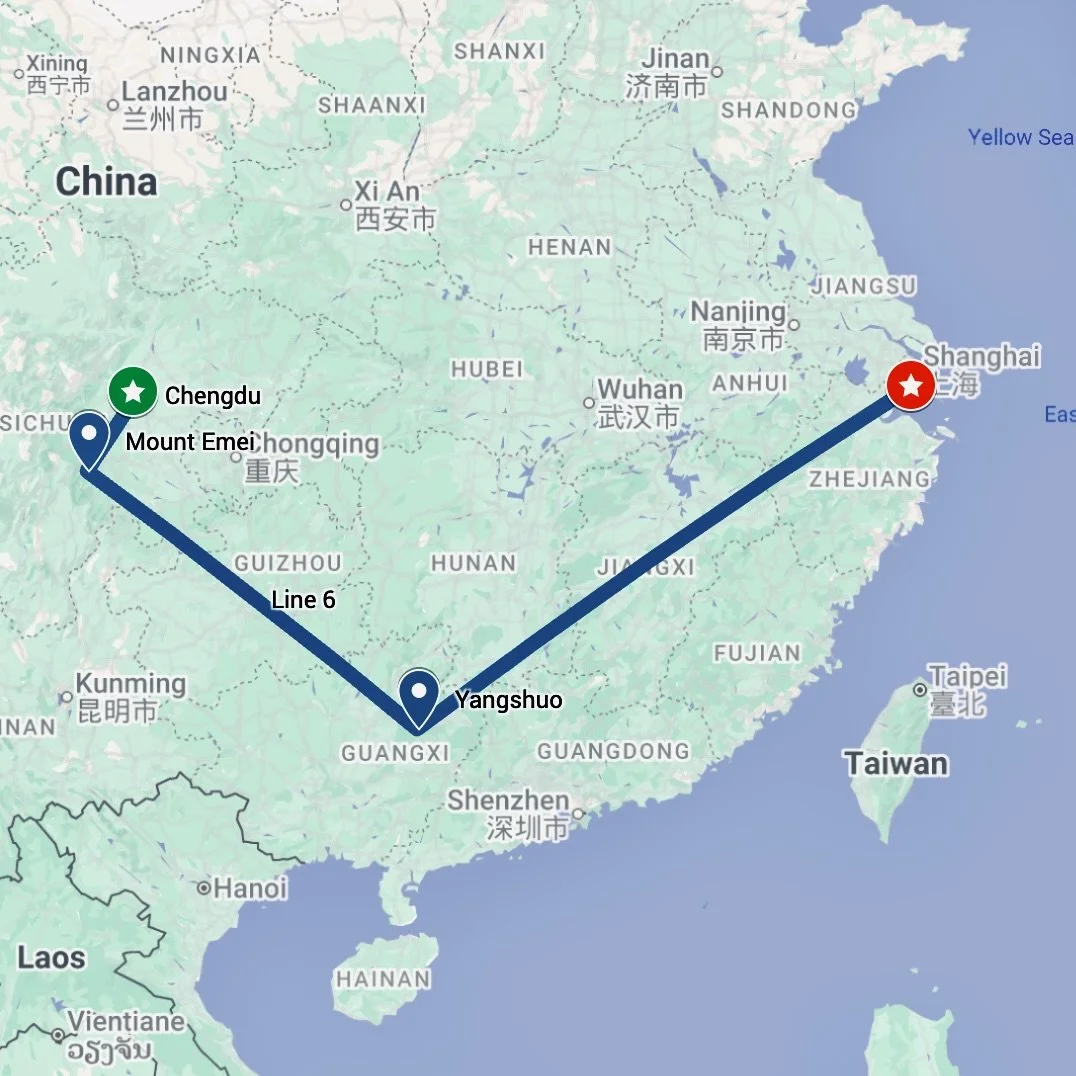
Explore China’s diverse landscapes departing from cosmopolitan Chengdu. Visit the Giant Buddha of Leshan and the ancient monasteries of Emei Shan. Immerse yourself in the scenery of Yangshuo with a bamboo raft journey before concluding in the vibrant city of Shanghai.
Essential Insights
-
The most comfortable months to visit Leshan are March to May and September to November. Spring brings mild temperatures and blooming flowers, while autumn offers crisp air and vibrant mountain foliage, making the steep climbs around the Giant Buddha much more manageable.
It is wise to avoid the National Day Golden Week in early October and the Lunar New Year period. During these times, the queues to see the Buddha can last for hours, and the narrow cliffside paths become incredibly congested. The summer months of July and August are often intensely hot and humid, and heavy rains can sometimes cause boat tours to be suspended.
-
A single day is enough to see the Leshan Giant Buddha by boat or on foot, which is how most visitors experience the area. However, staying for two to three days is ideal for those who want to discover the city’s quieter corners.
With a couple of nights in town, you can explore the Oriental Buddha Park, wander through the ancient streets of Xiba Town, or take a slow ferry to Wuyou Temple. Staying overnight also means you can enjoy the famous Zhanggong Bridge food street at a relaxed pace, supporting local vendors and experiencing the city after the day-trippers have returned to Chengdu.
-
Leshan is a safe and welcoming city for travellers. As with any trip to China, you should check your government’s local travel advisory for the most up to date security information.
Keep an eye on your belongings in crowded areas like the railway station or the Buddha scenic area where pickpockets may operate. Be aware of unlicensed "black taxi" drivers at transport hubs who may try to overcharge you, so always insist on using the meter or use a rideshare app. Avoid drinking in excess and ensure you are familiar with local laws.
Most importantly, always carry a comprehensive travel insurance policy to cover any unexpected medical needs or itinerary changes.
For more practical tips and expert advice on staying safe during your trip, visit our dedicated page on Travel Safety.
-
When visiting the Giant Buddha or nearby temples, modest dress is a sign of respect. Both men and women should ensure their shoulders and knees are covered. Avoid wearing singlets, midriff-baring tops, or very short shorts. For general sightseeing, smart-casual attire is perfectly acceptable.
If you are invited into a local home, it is customary to remove your shoes at the entrance. In religious spaces, maintain a quiet demeanour and avoid using flash photography inside temple buildings. If you see worshippers praying or offering incense, be mindful not to walk directly in front of them, as showing respect for these local traditions is a core part of being a responsible traveller.
-
Pack light, breathable layers for the humid summer, or warm, windproof clothing if you are visiting between December and February. Since a visit to the Buddha involves climbing many narrow stone stairs, a pair of sturdy, non-slip walking shoes is essential.
If you visit during the rainy months of May to August, high-quality wet weather gear or a sturdy umbrella is a must. Bring a light jacket if you’re heading further into the mountains, even in summer, as temperatures can drop in the evenings.
There are no public swimming spots in the city, but if your hotel has a pool, modest swimwear is standard.
-
Leshan is a surprising culinary heavyweight. You must try sweet skin duck (tianpi ya), which is famous for its crispy, honey-glazed skin and tender meat. Another local favourite is qiaojiao beef, a fragrant herbal beef soup that has been a staple of the community for generations.
Head to Zhanggong Bridge food street in the evening to sample boboji (skewered meats and vegetables in a spicy oil) or Xiba tofu, which is renowned for its silky texture. Trying these dishes in local markets rather than tourist restaurants helps preserve Leshan's unique food culture and ensures your money benefits local families.
-
There is no airport in Leshan, so most travellers arrive via Chengdu Shuangliu (CTU) or Tianfu (TFU). The most efficient way to reach the city is by high-speed train. Leshan Railway Station is well-connected to Chengdu (1 hour) and Emei Shan (15 minutes).
There are also long-distance buses from the Leshan Central Bus Station that connect to Chongqing and other regional hubs.
-
Public buses are the cheapest way to navigate Leshan, with routes 3, 13, and 601 leading directly to the Giant Buddha. You can pay using a transport QR code on Alipay or with small change in cash.
For a more direct route, Didi is the local rideshare app and allows for pre-payment with international cards. Taxis are also plentiful and generally take cash or mobile pay.
Ferries are available from the Leshan port for scenic trips to the Giant Buddha and Wuyou Temple.
Central Leshan is relatively compact and pedestrian-friendly, especially around the riverside parks. If you stay near the shizhong (city centre) district, you can reach many local restaurants and markets easily on foot.
-
Local SIM cards are available at the airport or major telecom branches, but an eSIM is the most convenient option for a short trip. Ohayu provides reliable data packages that you can activate before you arrive.
Remember that a VPN is required to access international websites like Gmail, Google, and Instagram while in mainland China. Ensure your VPN is installed and tested on your phone and laptop before you land, as it can be difficult to set up once you are behind the local firewall.
-
Mobile payment is the standard in Leshan. Linking your Visa or Mastercard to Alipay or WeChat Pay is the easiest way to pay for everything from duck pancakes to bus fares.
ATMs that accept international cards are available at major bank branches in the city centre. While cash is still accepted, many vendors may not have change for large notes, so carrying smaller denominations is a good backup. Exchanging USD or EUR at a local bank can be time-consuming, so it is usually better to withdraw local currency directly from an ATM when you arrive.
-
English is not widely spoken in Leshan outside of the main tourist ticket offices and high-end hotels. You will see English on major road signs and at the Giant Buddha scenic area, but menus in local eateries are likely to be in Chinese only.
It is highly recommended to download a language translator with a camera feature onto your phone. This allows you to translate menus and signs instantly. Most locals are incredibly patient and will be happy to communicate via a translation app or simple gestures.
-
No, you should not drink the tap water in Leshan without boiling it first. To reduce your plastic footprint, use a reusable water bottle with an inbuilt filter or buy large, multi-litre bottles to refill your smaller one.
Many guesthouses and hotels offer free water refill stations or provide a kettle in the room. Choosing accommodation with these facilities is a simple way to travel more sustainably and avoid the waste of single-use plastic bottles.