
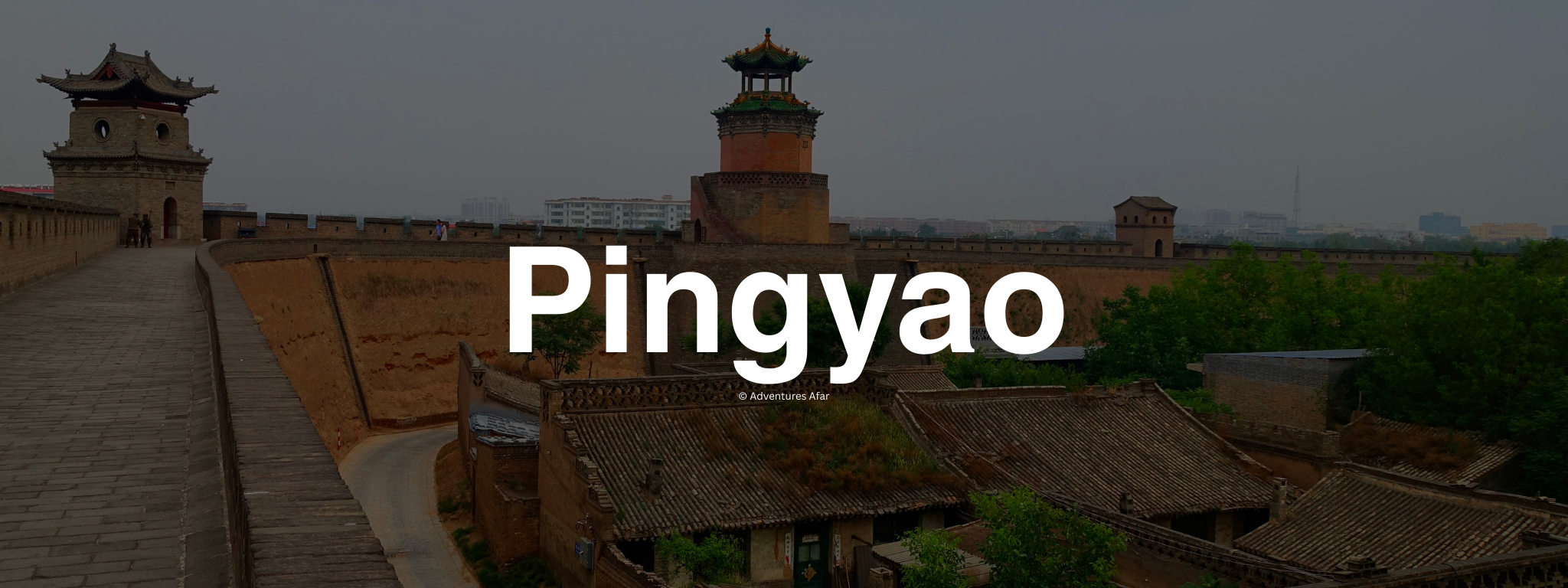
Ancient Streets and Imposing Walls
Stepping through the gates of Pingyao feels like walking straight into another era. Widely considered the best-preserved ancient town in China, this UNESCO World Heritage site has retained much of its Ming and Qing dynasty charm. Its cobbled lanes, traditional tiled rooftops and imposing city walls offer an atmospheric glimpse of the country’s imperial past. Pingyao’s streets once served as a high-stakes trade hub that remained untouched by modern development for centuries, creating a perfectly preserved snapshot of history.
This Adventures Afar guide contains affiliate links. If you book through these, we may earn a commission at no extra cost to you.
Unmissable Highlights
-
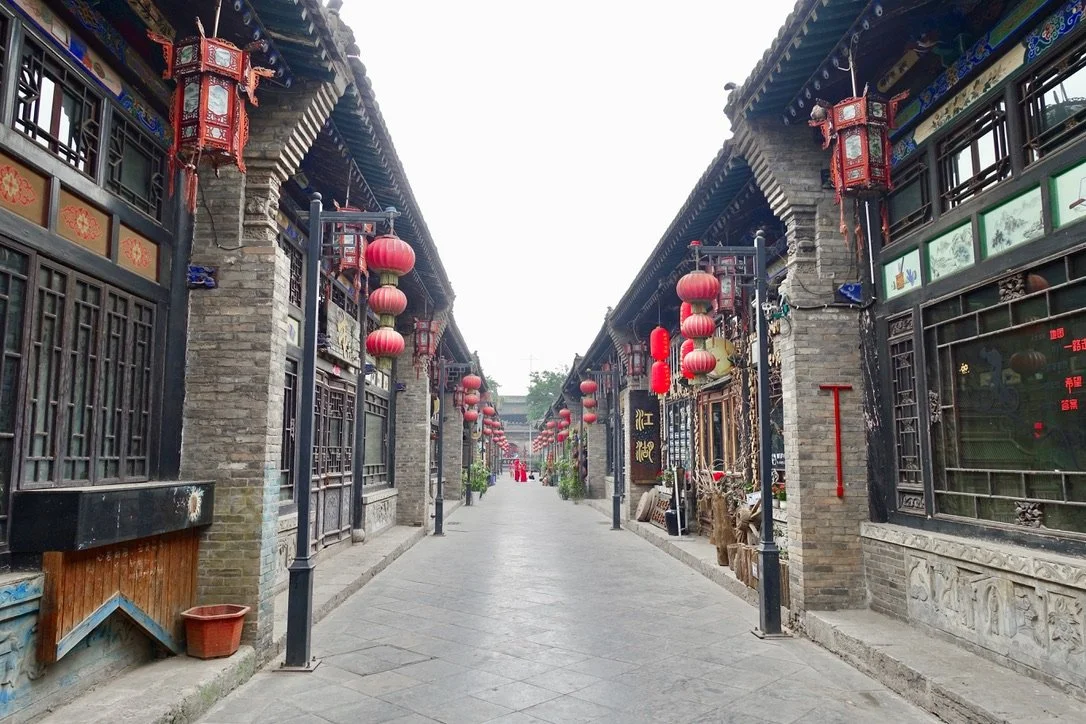
Historic Streets
Stepping onto the historic streets of Pingyao is like entering a living museum of the Ming and Qing dynasties. The main thoroughfares, such as South Street and West Street, are lined with traditional grey-brick shops and ornate merchant homes adorned with iconic red lanterns. Wandering through the grid of narrow cobbled lanes reveals a wealth of cultural history, from ancient calligraphy shops to traditional pharmacies. The unhurried pace allows visitors to soak in the atmosphere of a time when these very streets were the financial powerhouse of imperial China.
Did you know? Pingyao was home to Rishengchang, China’s first "draft bank," established in 1823. This revolutionary institution allowed merchants to use paper cheques instead of carrying heavy silver, effectively turning the town into the nation's 19th-century Wall Street.
-
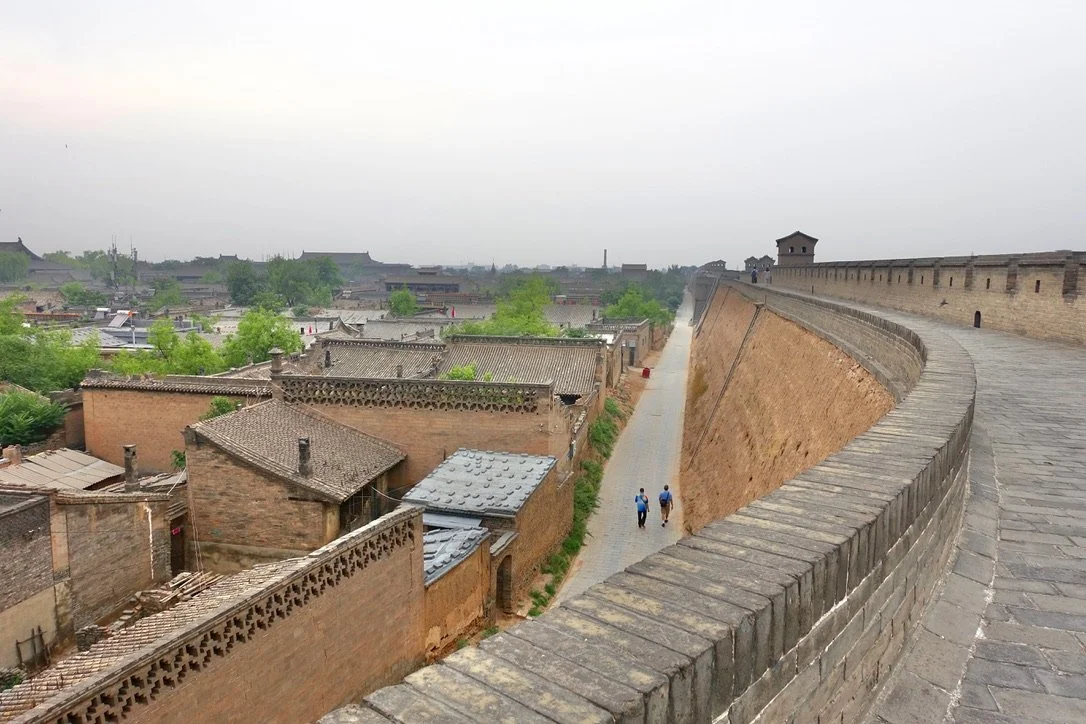
The City Wall
Pingyao’s city wall is one of the most complete ancient fortifications in China, stretching six kilometres to form a defensive square around the old town. Walking or cycling along its top provides a spectacular bird’s-eye view of the uniform grey-tiled rooftops and bustling streets below. Unlike the wider walls of Xi’an, Pingyao’s ramparts feel more intimate, featuring 72 watchtowers and nearly 3,000 crenels. Exploring these battlements allows you to appreciate the architectural ingenuity and the defensive scale required to protect a town of such significant wealth.
Did you know? Pingyao’s wall is famously shaped like a tortoise, which is a symbol of longevity. The south gate represents the head, the north gate the tail, and the four gates on the east and west represent the tortoise’s legs.
-
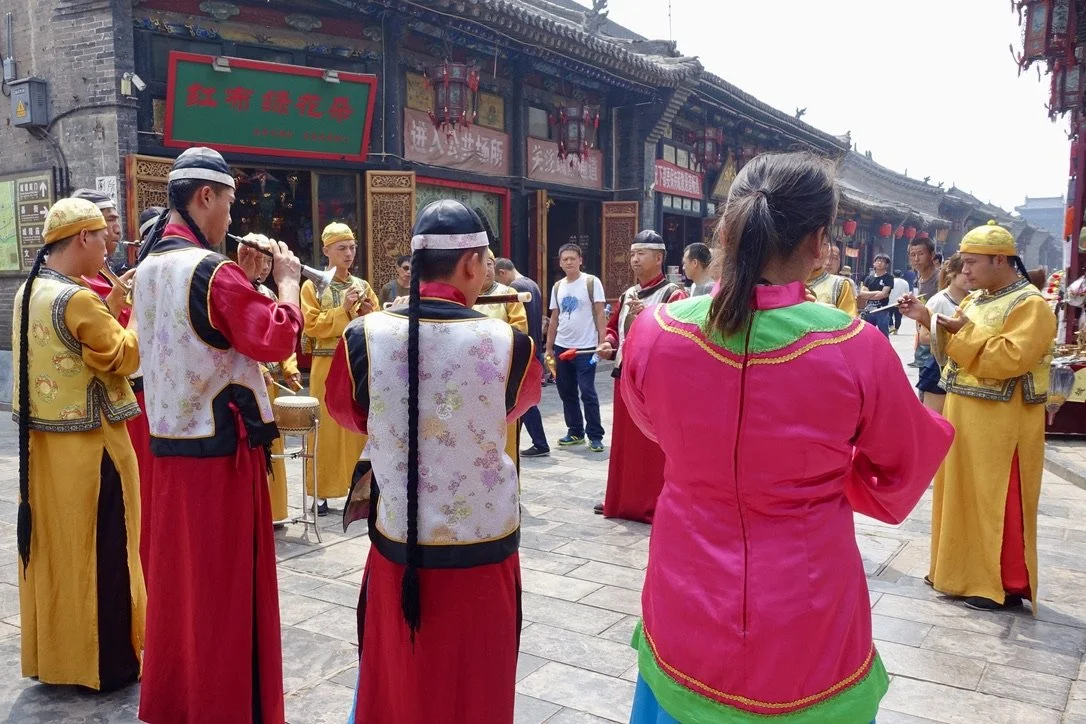
Street Performers
The ancient lanes of Pingyao frequently come alive with traditional street performers, offering a colourful glimpse into northern Chinese folk heritage. You might encounter actors portraying Qing dynasty magistrates conducting mock trials or rhythmic shehuo parades featuring vibrant costumes and drums. These interactive displays are more than just entertainment; they are a bridge to the past that helps preserve regional arts. Watching these performers against the backdrop of ancient courtyards adds a theatrical energy to the town, making the history feel tangible and accessible to every passerby.
Did you know? Performers here often showcase stilt walking, a local tradition dating back over 400 years. Skilled actors dance on poles up to three metres high, portraying legendary characters from classic stories to entertain crowds.
-
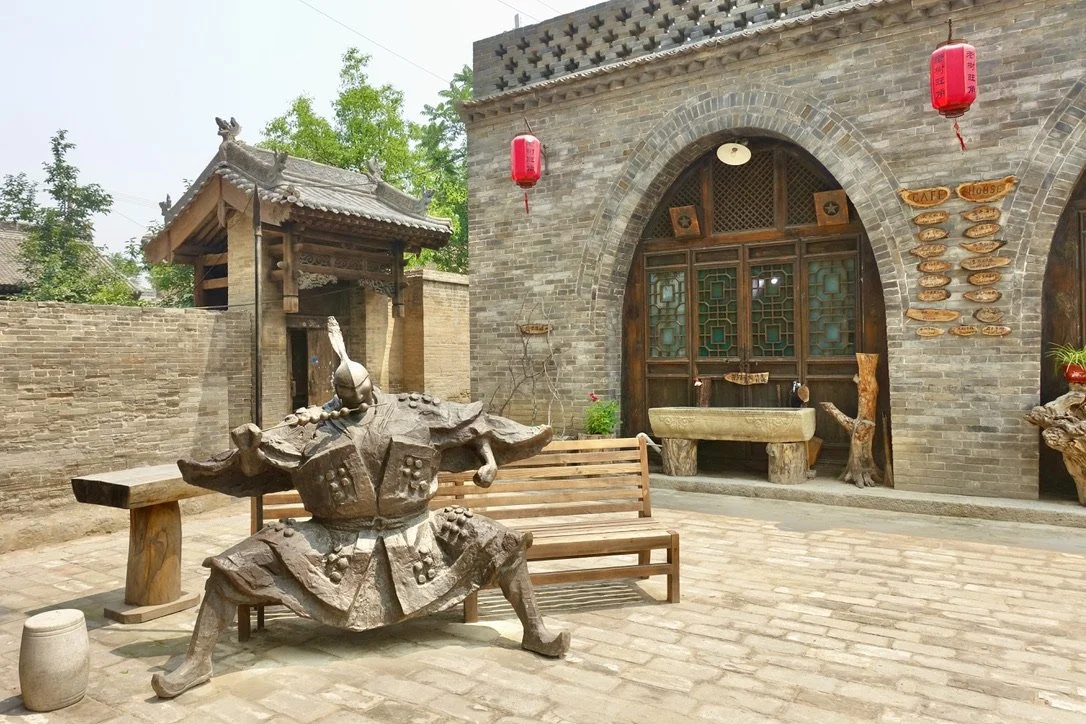
Sculptures
While wandering the ancient lanes, you will encounter life-sized bronze and iron statues that depict the city's vibrant history as a financial capital. These sculptures are found outside traditional teahouses, cafes, and along the base of the city walls, illustrating scenes of daily life from the Ming and Qing dynasties. You might see a merchant calculating accounts on an abacus, an armed escort guard standing watch, or a street vendor selling local snacks. These silent figures turn a simple walk into an immersive experience, making the 19th-century prosperity of Pingyao feel surprisingly close as you pause for a coffee.
Did you know? Many of these statues represent the Shanxi Merchants who established China’s first global trade network. These figures are specifically positioned to show the diverse roles that kept the city running, from high-ranking bankers to the humble water carriers who serviced the ancient courtyards.
-
The most pleasant window to visit Pingyao is during the spring months of March to May and the autumn season from September to early November. During these periods, the weather is mild and comfortable for walking the cobbled streets or cycling along the city walls. Autumn is particularly famous for the Pingyao International Photography Festival in September, which adds a layer of creative energy to the ancient courtyards.
It is highly recommended to avoid Golden Week in the first week of October and the Lunar New Year period in January or February. During these public holidays, the town becomes incredibly crowded, and the quiet, historic atmosphere is replaced by large tour groups. Summer is often very hot and humid, while winter can be bitterly cold with occasional snow, though seeing the tiled rooftops covered in white is quite a beautiful sight if you can brave the chill.
-
While the majority of visitors only spend a single night here, staying for three or four days is the best way to discover the town’s hidden corners properly. A quick stay allows you to walk the walls and see the main banking halls, but Pingyao is a destination that rewards curiosity and a slower pace.
Spending longer here allows you time to explore the lesser-known neighbourhoods in the northern part of the town where local life continues away from the souvenir shops. It also allows for a half-day trip to the nearby Shuanglin Temple or the underground tunnels of the Zhangbi Ancient Castle. By staying longer, you can experience the town after the day-trippers have left, when the red lanterns glow against the dark brickwork and the atmosphere feels truly timeless.
-
Pingyao is generally considered a very safe destination for travellers, but you should always check your government’s local travel advisory for the latest updates before you depart. Petty crime like pickpocketing is rare but can happen in crowded areas or during festivals, so it is sensible to stay aware of your belongings.
Scams are not widespread but be cautious of "overly friendly" strangers offering tea ceremonies or art tours that may result in an unexpected bill. Use common sense by avoiding drinking in excess and ensuring you don’t break any local laws.
Most importantly, always ensure you have a comprehensive travel insurance policy that covers medical emergencies and travel disruptions to give you peace of mind while exploring.
For more practical tips and expert advice on staying safe during your trip, visit our dedicated page on Travel Safety.
-
When wandering through Pingyao, dressing in a way that shows respect for the local culture is appreciated. While the town is a tourist hub, it remains a traditional community. For general sightseeing, smart-casual attire is acceptable. When visiting religious monuments or temples, it is respectful to ensure your shoulders and knees are covered. Choosing to wear trousers or longer skirts and avoiding singlet tops helps maintain the hallowed atmosphere of these ancient sites.
If you are invited into a traditional courtyard home, remember to remove your shoes at the entrance unless told otherwise. These small gestures of respect are a way to show you value the history and traditions of the people hosting you.
-
The most important item for Pingyao is a pair of comfortable walking shoes. The streets are largely cobbled and uneven, and you will likely be doing a lot of walking. If visiting in the winter, pack enough warm clothes, including thermals, a heavy coat, and gloves, as the northern Chinese wind can be sharp.
During the summer, lightweight and breathable fabrics are essential, along with a hat and high-SPF sunscreen. If you are visiting during the wetter months of July and August, make sure to bring reliable wet weather gear or an umbrella to stay dry while exploring the walls. Avoid packing revealing items like crop tops or very short shorts, as these are unsuitable for the many temples and historic buildings.
-
Pingyao is famous for its Pingyao beef, a delicacy that has been celebrated for centuries for its tender texture and fragrant, salty flavour. It is an important part of the local identity, often served cold as an appetiser. You should also try wantuo, a chewy, steamed buck-wheat noodle that is unique to the Shanxi region and usually served with a savoury vinegar-based sauce.
The main streets are lined with stalls selling these local specialities, but for a more authentic experience, head to the smaller eateries near the North Gate. Trying these traditional dishes is a fantastic way to support local producers and understand why Shanxi is known as the kingdom of wheaten food in China.
Essential Insights
-
The most efficient way to reach Pingyao is by high-speed train. Pingyao Ancient City Railway Station services bullet trains from major hubs like Beijing and Xi’an. Travelling between these city centres by rail is much faster than flying, as the stations are often closer to the historic areas. For those on a budget, older local trains still stop at the central Pingyao Railway Station, which is conveniently located just a short walk from the ancient city’s West Gate.
If you are coming from further afield, you can fly into Taiyuan Wusu International Airport (TYN). From Taiyuan, you can take a 30-minute high-speed train or a bus to Pingyao.
-
Pingyao's ancient core is a pedestrian-only zone, making it one of the most pedestrian-friendly options in China. You can easily visit almost all tourist attractions by foot, as the town is compact and flat. If you need a break, electric sightseeing buses circle the inner city for a small fee, and bicycles can be rented from many guesthouses.
For travel to the high-speed station or nearby temples outside the walls, Didi is the most reliable rideshare option. You can pay via the app with your linked international card, meaning no cash needs to be exchanged with the driver. Alternatively, taxis are available, just agree to the fare in advance or to use the metre.
-
For a hassle-free trip, an eSIM is usually the best choice. Ohayu offers excellent eSIM packages for China that allow you to stay connected the moment you arrive. This is particularly useful for navigating the narrow alleys of Pingyao using map apps.
You will need a VPN to access international websites like Gmail, Google, and Instagram. Make sure to download and set up your VPN before you arrive in China, as accessing the providers' websites can be difficult once you are behind the firewall. Having a working connection is also vital for using translation apps to read menus or communicate with locals.
-
Cash is becoming increasingly rare in Pingyao, and the vast majority of payments are now made via Alipay or WeChat Pay. You can link your international Visa or Mastercard to these apps, which allows you to pay for everything from your hotel stay to a street-side snack by scanning a QR code.
While there are ATMs in the town that accept international cards, they aren't always reliable, so having your mobile apps set up before you arrive is essential. Carrying some USD or EUR as a backup is a good idea, but exchanging them can be a slow process at local banks, so it is better to rely on mobile pay or ATM withdrawals for your daily needs.
-
In the main tourist areas of Pingyao, you will find English language signs and menus in many of the larger guesthouses and restaurants. However, the general proficiency of English among the local population is quite low. Most people will only know a few basic phrases, so communication can be a bit of a challenge.
Downloading a reliable language translator onto your phone is a must for any trip to Pingyao. Being able to translate written characters on signs or have a basic conversation through the app will make your journey much smoother and help you connect with the friendly locals who are often eager to help if they can understand your request.
-
No, the tap water in Pingyao is not safe to drink directly. You should always boil the water using the kettle provided in your room or use a reusable water bottle with an inbuilt filter to stay hydrated. This is a much more responsible choice than buying multiple one-time use plastic bottles.
Many traditional guesthouses provide free water refill stations in their common areas, so it is a good idea to look for these when booking your accommodation. Using a filtered bottle not only keeps you safe from contaminants but also helps reduce the environmental impact on this beautifully preserved ancient town.